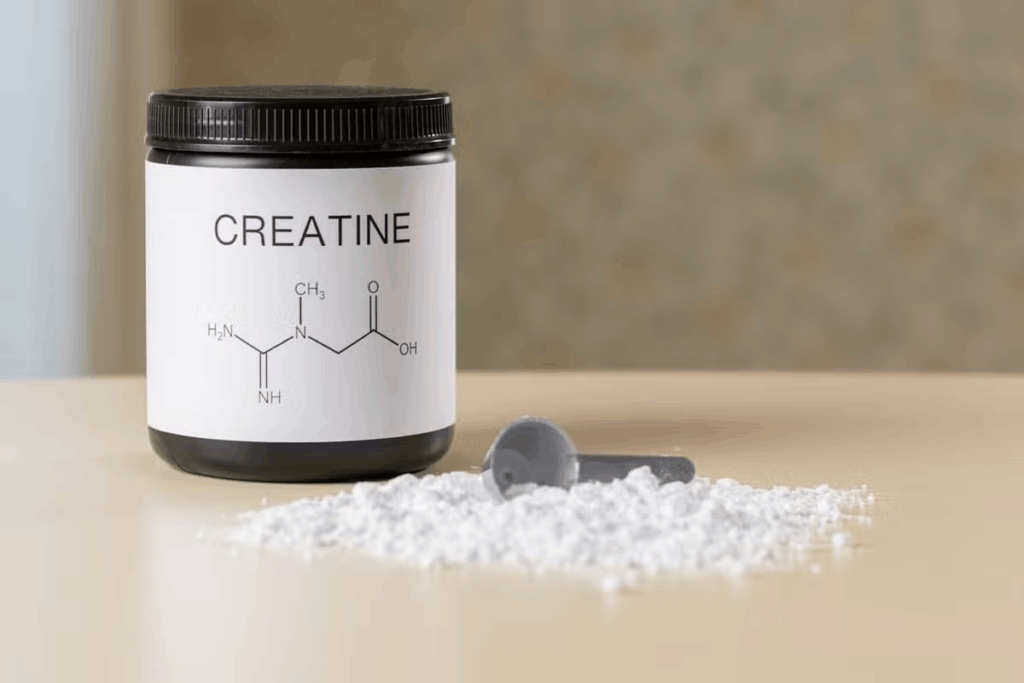
Wondering ‘what age can you take creatine’? Our simple guide gives the best, science-backed answer on safety, risks, and benefits for teens. The debate over creatine supplementation for young athletes is intense. Many parents and coaches question its safety for minors. Young athletes aim for peak performance, leading to these concerns.
Studies on creatine supplementation started in the early 1900s. A lot of evidence shows it works well. But, worries about its safety for young athletes remain. At Liv Hospital, we aim to offer clear, evidence-based advice to young athletes and their families.
We focus on each young athlete’s unique needs. Discussing creatine for high school athletes, we’ll look at the latest research. We’ll also talk about the safety and effectiveness of creatine for various age groups.
Key Takeaways
- Creatine supplementation is widely used among athletes, but its use among minors is a topic of debate.
- Research indicates that a significant percentage of middle and high school athletes have used creatine.
- The safety and efficacy of creatine for different age groups are key considerations.
- Liv Hospital provides evidence-based guidance for young athletes and their families.
- Understanding the current research is vital for making informed decisions about creatine supplementation.
Understanding Creatine: The Basics

The world of sports nutrition is complex, and creatine is a hot topic. It’s important to know how it works, its different forms, and where it naturally occurs.
What Is Creatine and How Does It Work?
Creatine is naturally found in muscle cells. It helps muscles make energy during intense workouts. By taking creatine, athletes can boost their muscle energy, improving their performance.
Types of Creatine Supplements
There are many creatine supplements out there, like creatine monohydrate, creatine citrate, and creatine nitrate. Creatine monohydrate is the most studied and considered the best. Other types might work differently and be absorbed at various rates.
Type of Creatine | Description | Effectiveness |
Creatine Monohydrate | Most researched form, considered the gold standard | High |
Creatine Citrate | Bound to citric acid, potentially improving absorption | Moderate |
Creatine Nitrate | Combined with nitrate for possible vascular benefits | Emerging Research |
Natural Sources of Creatine
You can get creatine from food, mainly from red meat and fish. But, eating enough to boost athletic performance is hard. Eating a balanced diet with creatine-rich foods helps muscle health.
The Science Behind Creatine Supplementation

Creatine is a top choice for athletes because of its proven benefits. Scientists have looked into how it affects sports performance, muscle growth, and recovery.
How Creatine Enhances Athletic Performance
Creatine boosts athletic performance by increasing muscle phosphocreatine. This helps refill ATP stores, which get used up in intense activities. As a result, muscles get stronger, more powerful, and last longer.
- Increased Muscle Strength: Creatine helps athletes build muscle strength.
- Enhanced Endurance: It lets athletes work harder for longer.
- Better Power Output: Creatine boosts power in activities like weightlifting and sprinting.
Creatine’s Effect on Muscle Growth and Recovery
Creatine does more than just boost performance. It also helps with muscle growth and recovery. It lets athletes do more intense workouts, which helps muscles grow. Plus, it might directly help muscle cells grow.
Key benefits for muscle growth and recovery include:
- Increased training intensity
- Enhanced muscle protein synthesis
- Reduced muscle soreness
Research-Backed Benefits for Athletes
Many studies have shown creatine’s benefits for athletes. It improves muscle strength, endurance, and recovery. These benefits are big in sports that need quick energy, like football, basketball, and sprinting.
We can summarize the research-backed benefits as follows:
Benefit | Description |
Improved Strength | Significant gains in muscle strength |
Enhanced Endurance | Ability to perform at higher intensities for longer |
Faster Recovery | Reduced muscle soreness and quicker recovery |
Official Medical Recommendations on Age Requirements
Medical experts agree on the right age for starting creatine. This advice is key for anyone thinking about using it to boost performance.
What Doctors and Medical Societies Recommend
Doctors say creatine is okay for athletes over 18. They base this on solid research and caution about using it in younger people.
The American Academy of Pediatrics says there’s not enough proof for kids and teens to use creatine. They take a careful view of these supplements.
“The use of creatine and other ergogenic aids in young athletes is a complex issue that requires careful consideration of the benefits and risks.”
— American Academy of Pediatrics
Why the Age 18 Guideline Exists
The 18-year-old rule is because we don’t know much about creatine’s long-term effects on kids. Doctors are careful with supplements that haven’t been studied well in young people.
Age Group | Recommended Creatine Use | Rationale |
Under 18 | Generally Not Recommended | Limited research on long-term effects |
18 and Above | Recommended with Caution | More research available, but caution is advised |
Medical Reasoning Behind Age Restrictions
Age limits for creatine are about keeping it safe and effective. Young bodies might react differently to supplements. We don’t know the long-term effects yet.
Key considerations include:
- The stage of physical development
- Potential impact on growth and development
- Lack of long-term safety data in younger populations
As research grows, these rules might change. For now, they help ensure safe use.
What Age Can You Take Creatine? Examining the Evidence
Young athletes are increasingly interested in creatine. It’s important to understand its safety and effectiveness for different ages. The answer to “what age can you take creatine” is complex and based on various studies.
Research on Adolescent Creatine Use
Studies have looked into creatine’s effects on teens. They found it boosts athletic performance by increasing muscle strength and endurance. For example, a study in the Journal of Strength and Conditioning Research showed teens improved in high-intensity exercises after 6 weeks of creatine.
Research also focuses on creatine’s safety in teens. A review found creatine is generally safe and well-tolerated when used correctly. But, it calls for more long-term studies to understand its effects on young bodies.
Studies on Safety for Different Age Groups
Research on creatine’s safety across ages has provided insights. It’s safe for adults, with few side effects. For teens, the evidence suggests it’s safe with proper guidance. Yet, more research is needed on its long-term effects, mainly in younger groups.
- Key Findings:
- Creatine enhances muscle strength and endurance.
- Generally safe for adolescents and adults.
- More research needed on long-term effects.
The Gap Between Guidelines and Scientific Evidence
Despite growing research, there’s a gap between guidelines and evidence. Many organizations say you should be 18 to start creatine. But, studies suggest younger athletes can safely use it under supervision.
This gap shows the need for updated guidelines based on new research. As we learn more about creatine’s effects, our recommendations should change too.
In summary, while the best age for creatine is debated, evidence supports its safety and effectiveness for young athletes with proper guidance.
Creatine Usage Patterns Among Young Athletes
Creatine use among young athletes is a growing worry for many. It’s important to understand its use to see how it affects young athletes. This knowledge helps us assess its impact.
Statistics on High School Athlete Creatine Use
About 15% to 20% of high school athletes have tried creatine. This number changes based on the sport. Athletes in sports needing quick energy, like football and wrestling, use it more.
Grade-by-Grade Breakdown of Usage Rates
More older high school students use creatine. Freshmen and sophomores use it less than juniors and seniors. Upperclassmen often seek any edge to improve their game.
Trends in Youth Sports Supplementation
Creatine use is part of a bigger trend in sports nutrition. As youth sports get more competitive, athletes and their families look for ways to stand out. Creatine, being well-studied and effective, is often considered.
We need to think about these trends in the context of sports culture and pressure on young athletes. Deciding to use creatine or any supplement should be careful. It’s best to talk to healthcare professionals first.
Safety Profile of Creatine for Adolescents
Creatine supplements are getting more popular among young athletes. It’s important to know if they are safe. We look at the research to understand how safe creatine is for teens.
Research on Adverse Effects in Young Users
Most studies say creatine is safe for teens. But, some might feel stomach issues or get dehydrated. Drinking enough water is key to avoid these problems.
Looking at several studies, we see that side effects are rare in teens. Doctors should keep an eye on how teens use it to make sure it’s safe.
- Stomach problems are common side effects.
- Not drinking enough water can lead to dehydration.
- Most side effects are mild and don’t last long.
Laboratory Markers and Clinical Monitoring
Lab tests are important to check if creatine is safe. They look at the kidneys, liver, and electrolytes. Studies show creatine doesn’t harm these in healthy teens.
Regular doctor visits are also key. They help catch any problems early. This way, any issues with creatine can be handled quickly.
- Regular blood tests to check kidney and liver function.
- Watching for dehydration signs.
- Looking out for muscle cramps or other muscle problems.
Comparing Safety Across Age Groups
Research shows creatine is mostly safe for all ages. But, teens need extra care because they are growing.
Studies show creatine is just as safe for teens as it is for adults. But, we need to keep watching and studying to be sure.
Important things to think about include:
- How creatine affects growing muscles and bones.
- Any possible bad reactions with other supplements or medicines.
- The importance of parents and coaches in watching over creatine use.
Potential Side Effects of Creatine Under 18
Thinking about creatine for those under 18 is a big deal. We need to look at the facts and myths about it. This helps us know what’s real and what’s not.
Documented Side Effects in Adolescents
Studies on creatine in teens show some possible side effects. These include:
- Weight gain from water retention
- Stomach problems like cramps, diarrhea, and nausea
- Some worry it might affect growth, but the evidence is mixed
Table: Documented Side Effects of Creatine in Adolescents
Side Effect | Frequency | Severity |
Weight Gain | Common | Mild |
Gastrointestinal Issues | Moderate | Moderate |
Long-term Developmental Impacts | Rare | Unknown |
Myths vs. Facts About Teen Creatine Use
There are many myths about creatine for teens. Let’s clear up some:
- Myth: Creatine harms the kidneys in healthy people.
- Fact: Studies show it’s safe for the kidneys, but watch your health.
- Myth: Creatine causes dehydration.
- Fact: You should drink water with creatine, but it doesn’t dry you out.
Long-Term Considerations for Development
We don’t know all the effects of creatine on growing teens. It’s important to watch how it affects growth and to keep studying it.
Looking into creatine’s effects on teens, we see it’s complex. We must know the real side effects, debunk myths, and think about long-term growth.
Creatine for High School Athletes: Special Considerations
High school athletes thinking about creatine should know its benefits and rules. Creatine can boost athletic performance. But, it’s important to consider the athlete’s sport and school policies.
Sport-Specific Benefits and Considerations
Different sports get different benefits from creatine. For example, high-intensity sports like football, basketball, and soccer see big gains in power and endurance. A study in the Journal of Strength and Conditioning Research found creatine boosts muscle power and endurance in short, intense activities.
“Creatine is great for athletes needing quick energy, like sprinters or jumpers.”
But, endurance sports like distance running or swimming might not see as much benefit. Yet, creatine can help during intense training periods.
Physical Development and Appropriate Timing
When to start creatine is key, given adolescents’ growth. Adolescents grow fast, and supplements need careful thought. Studies say creatine is safe for teens, but health monitoring is vital.
Also, consider the athlete’s growth stage. Athletes closer to puberty’s end might get more from creatine due to more muscle.
School and Athletic Association Policies
High school athletes must know their school’s creatine rules. Some places have strict rules on supplements. The National Federation of State High School Associations advises schools to teach athletes about supplements’ risks and benefits.
- Check with the school athletic department for specific policies on creatine use.
- Understand the consequences of violating these policies.
- Ensure that any supplementation is done under proper supervision.
In summary, high school athletes thinking about creatine should look at their sport, growth stage, and school policies. This ensures safe and effective use of creatine.
Guidelines for Responsible Use in Young Athletes
Young athletes should follow certain guidelines to use creatine safely and effectively. We will discuss the key points for using creatine responsibly. This includes the right dosage, staying hydrated, and cycling strategies.
Proper Dosing for Different Age Groups
Finding the right amount of creatine for young athletes is important. The usual start is 20 grams a day for 5-7 days. Then, take 3-5 grams daily to keep up the benefits.
For teens, some studies suggest a lower dose. It’s about 0.3 grams per kilogram of body weight during the start. Always talk to a doctor before starting any supplements.
Key dosing considerations include:
- Loading phase: 20 grams/day for 5-7 days
- Maintenance phase: 3-5 grams/day
- Weight-based dosing for adolescents: 0.3 grams/kg during loading
Hydration Requirements When Taking Creatine
It’s important to drink plenty of water when taking creatine. This helps avoid muscle water retention. Young athletes should drink 8-10 glasses of water a day. More water is needed for intense workouts or in hot weather.
Hydration tips:
- Drink water regularly throughout the day
- Monitor urine color to ensure it’s pale yellow
- Adjust water intake based on activity level and climate
Cycling and Timing Strategies
Cycling creatine means taking it for a set time, then stopping. It’s not needed for everyone but can help manage side effects and keep natural creatine levels balanced.
Cycling strategies:
- 8-12 weeks on, followed by 4-6 weeks off
- Some prefer a “3 months on, 1 month off” cycle
- Take creatine around workout times for best results
By following these guidelines, young athletes can use creatine safely and effectively. This way, they can enjoy its benefits while avoiding risks.
Alternatives to Creatine for Young Athletes
Nutrition and training are key for young athletes to get better. They offer a good alternative to creatine. By focusing on these, young athletes can get better naturally and keep it up.
Nutrition-Based Performance Enhancement
A good diet is essential for young athletes to perform well. Nutritional supplements are not the only way to achieve this; a carefully planned diet can provide all the necessary components for optimal performance. It’s important to eat enough proteins, complex carbs, and healthy fats. Proteins help muscles grow, and carbs give energy that lasts.
Sports nutrition experts say, “A diet full of whole foods, like fruits, veggies, lean proteins, and whole grains, boosts athletic performance.”
“The key is not just about consuming more protein or carbohydrates, but ensuring that the overall diet is balanced and tailored to the individual’s athletic needs.”
Training Adaptations Without Supplements
Getting better at sports comes from training. Periodized training programs that include strength, endurance, and flexibility workouts can greatly improve performance. It’s not just the type of training but also rest time. Rest is key for the body to get better.
Young athletes should mix up their training to avoid getting stuck. Change the intensity, volume, and how often they work out based on their needs and goals.
Age-Appropriate Performance Boosters
Young athletes need performance boosters that fit their age and stage of development. Proper hydration, enough sleep, and a balanced lifestyle are key for performance. Also, mental techniques like visualization, mindfulness, and setting goals are important too.
Coaches and parents can help young athletes find these alternatives. They can show them the value of a holistic approach to getting better.
Parental and Coach Guidance on Creatine Use
Parents and coaches play a big role in guiding young athletes with creatine. It’s key to know how creatine works to help them make smart choices.
Having Informed Conversations About Supplements
First, parents and coaches need to learn about creatine. They should know its good points, possible downsides, and what science says about it.
Monitoring and Supervision Strategies
Good monitoring means watching how creatine is used and keeping an eye on the athlete’s health and performance. Regular talks and checks can spot problems early.
Here are some ways to keep an eye on things:
- Regular health check-ups
- Tracking performance metrics
- Being aware of possible side effects
When to Consult Healthcare Providers
Knowing when to get expert advice is important. If a young athlete has bad reactions or health issues, talking to a doctor is a must.
Situation | Action |
Adverse effects are experienced | Consult a healthcare provider immediately |
Pre-existing health conditions | Seek advice before starting creatine |
Questions to Ask Before Starting Supplementation
Before starting creatine, ask important questions. Find out about the athlete’s health, why they want to use it, and what they hope to achieve.
Some questions to think about are:
- What are the athlete’s health and performance goals?
- Are there other ways to reach these goals?
- How will creatine use be watched and guided?
Conclusion: Making Informed Decisions About Creatine
As we wrap up our look at creatine for young athletes, it’s clear that making smart choices is key. Deciding to use creatine should be after understanding its good points, downsides, and other options. We’ve looked at the science, medical advice, and safety for teens.
Thinking about creatine means looking at its benefits and risks. We must consider the athlete’s age, health, and goals. Knowing how much to take, staying hydrated, and being aware of side effects helps us make good choices. This way, we can help athletes stay healthy and perform well.
In the end, we stress the need for a balanced view on creatine. This approach helps us use creatine safely and effectively. It supports young athletes in reaching their goals.
FAQ
What is creatine and how does it work?
Creatine is a natural substance in muscles. It helps muscles get energy, mainly during hard activities. Taking creatine boosts muscle energy, helping athletes train harder and recover faster.
Should 14-year-olds take creatine?
Taking creatine at 14 should be carefully thought about. It’s best to talk to a doctor first. Most experts say wait until you’re 18 because we don’t know all the effects on teens yet.
What are the possible side effects of creatine under 18?
Teens might get stomach cramps, diarrhea, or muscle cramps from creatine. But, most studies say it’s safe if used right. Always watch for bad effects and talk to a doctor.
Can you take creatine at 16?
Some 16-year-olds might be ready for creatine, but it’s best to ask a doctor first. We need more research on its safety for young people.
What age can you start taking creatine?
Most say wait until 18 for creatine because we don’t know enough about its effects on young people. But, some studies suggest it might help with the right supervision.
Is creatine bad for high school athletes?
Creatine isn’t bad for high school athletes if used right. It can help improve performance. But, young athletes should follow the right dosage, drink plenty of water, and get checked by a doctor.
How old do you have to be to take creatine?
The age to start creatine varies, but most doctors say 18 is best. Young athletes should focus on good nutrition, training, and other safe ways to get better.
What are the benefits of creatine for athletes?
Creatine can make muscles stronger, more powerful, and last longer. It lets athletes train harder and recover faster. It’s proven to help in sports needing quick energy bursts.
Are there alternatives to creatine for young athletes?
Yes, there are other ways to boost young athletes’ performance. Good nutrition, special training, and safe supplements like protein powders and BCAAs are options.
How should parents and coaches guide young athletes on creatine use?
Parents and coaches should talk openly with young athletes about creatine’s pros and cons. They should make sure any creatine use is with a doctor’s okay and closely watched.
References
National Center for Biotechnology Information. Evidence-Based Medical Guidance. Retrieved from https://www.ncbi.nlm.nih.gov/pmc/articles/PMC4852754/