Hypothyroidism is a long-term health issue where the thyroid gland can’t make enough thyroid hormone. This hormone is key for our body’s metabolism. It’s a big problem for millions of people around the world, and it gets more common as people get older.
About 5 out of 100 Americans over 12 have hypothyroidism. It can quietly affect how our body works, our energy, and how we feel overall. It’s very important to know the signs and get tested right. This way, we can treat it well.
Key Takeaways
- Hypothyroidism is a chronic condition that affects millions of Americans.
- The prevalence of hypothyroidism increases significantly with age.
- Early recognition and accurate diagnosis are key for good treatment.
- Thyroid function testing is vital for diagnosing hypothyroidism.
- Hypothyroidism can impact metabolism, energy, and overall wellness.
Understanding Hypothyroidism as an Endocrine Disorder
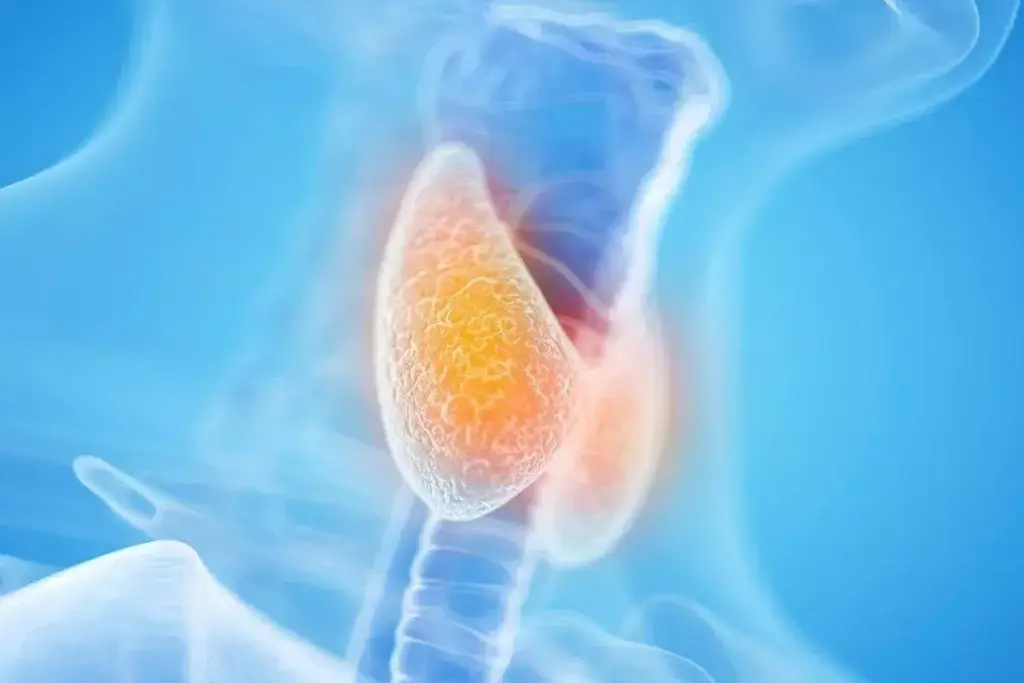
Hypothyroidism is an endocrine disorder that affects the thyroid gland’s hormone production. This gland is key to the endocrine system. It helps control metabolism, growth, and development.
Definition and Function of the Thyroid Gland
The thyroid gland is shaped like a butterfly and sits in the neck. It makes hormones like triiodothyronine (T3) and thyroxine (T4). These hormones help cells use energy and are controlled by the pituitary gland.
How Hypothyroidism Affects Metabolic Requirements
Hypothyroidism happens when the thyroid gland doesn’t make enough hormones. This lowers the body’s metabolic rate. Symptoms include fatigue, weight gain, and cold intolerance.
It also affects heart rate, muscle strength, and menstrual cycles. For more info, visit the National Institute of Diabetes and Digestive and Kidney website.
- Fatigue and weakness
- Weight gain
- Cold intolerance
- Dry skin and hair loss
Hashimoto’s Disease as a Primary Cause
Hashimoto’s thyroiditis is the main cause of hypothyroidism. It’s an autoimmune disorder where the immune system attacks the thyroid gland. This leads to inflammation and less hormone production.
It’s more common in women and often runs in families. Research shows it’s linked to thyroid peroxidase antibodies (TPO) and thyroglobulin antibodies in the blood.
“Hashimoto’s thyroiditis is a chronic autoimmune condition that is the most common cause of hypothyroidism in the United States.” –
Source: National Institute of Diabetes and Digestive and Kidney Diseases
Understanding hypothyroidism as an endocrine disorder is key for diagnosis and treatment. Recognizing the thyroid gland’s role and its impact on metabolism helps healthcare providers create effective treatment plans. This improves patient outcomes.
Hypothyroidism Age of Onset and Risk Factors
Knowing when hypothyroidism starts is key for early treatment. It can hit people at any age. But some groups face a higher risk.
Peak Incidence Between Ages 30-50
Hypothyroidism hits hardest between 30 and 50 years old. This age sees a big jump in cases. Spotting it early here can make a big difference.
Age-Related Prevalence Increases
Even though the peak is 30 to 50, the risk keeps going up with age. Older folks face a bigger chance of getting it. This makes regular thyroid checks very important for seniors.
Gender Differences in Hypothyroidism Risk
Women are much more likely to get hypothyroidism than men. This risk grows even higher for women over 60, after menopause. This shows why women need special attention and screening.
| Demographic | Risk Factor |
| Women over 60 | High risk, specially post-menopause |
| Ages 30-50 | Peak incidence |
| Men | Lower risk compared to women |
Healthcare teams can spot who’s at risk better by knowing these trends. They can then take steps to screen and manage hypothyroidism more effectively.
How Common Is Hypothyroidism in Different Demographics
Hypothyroidism is a common condition that affects many people. It’s important to look at how it affects different groups.
Overall Prevalence in the United States
About 5 out of 100 people in the U.S. over 12 years old have hypothyroidism. This means a lot of people might be dealing with symptoms or need treatment.
Prevalence data shows that some groups are more likely to have hypothyroidism. We’ll look at these differences to understand who’s at risk.
Prevalence Among Women Over 60
Women over 60 are more likely to have hypothyroidism. Studies show this group is more affected, making it important to focus on their care.
Age-related changes and being female play big roles in this. Knowing this helps us improve healthcare for them.
Undiagnosed Hypothyroidism in Elderly Populations
Many elderly people have undiagnosed hypothyroidism. Up to 1 in 4 in nursing homes might not know they have it. This highlights the need for better diagnosis.
It’s key to diagnose and treat hypothyroidism early. This helps prevent problems and improves life quality for those affected.
Conclusion: Recognizing the Gradual Development of Hypothyroidism
Hypothyroidism, also known as hipotiroidismo in Spanish, develops slowly. It often goes unnoticed for months or years. The symptoms can be similar to other health issues, making it hard to diagnose.
It’s important to understand the meaning of hypothyroidism to catch it early. This knowledge helps in getting the right treatment.
Spotting the signs of hypothyroidism is key to getting diagnosed. If you’re tired all the time, gaining weight, or have dry skin, see a doctor. They can help figure out if you have hypothyroidism.
Early treatment can greatly improve life for those with hypothyroidism. It’s a big step towards feeling better.
If you think you might have hypothyroidism, getting tested is the next step. A TSH test is usually the first test done. A doctor will help you through this and find the right treatment.
FAQ
What is hypothyroidism?
Hypothyroidism is a long-term condition where the thyroid doesn’t make enough hormones. These hormones are key for our body’s metabolism.
Is hypothyroidism a chronic illness?
Yes, it’s a chronic illness that needs ongoing care and treatment.
How common is hypothyroidism?
It’s quite common, affecting millions globally. It’s more common with age.
What age does hypothyroidism start?
It often starts between 30 and 50 years old. But it can start at any age.
Is hypothyroidism more common in women?
Yes, it’s more common in women, even more so after menopause. Hormonal changes play a big role.
What is the prevalence of hypothyroidism in the United States?
In the U.S., it’s a big health issue. It affects a lot of people, mostly women over 60.
How is hypothyroidism diagnosed?
Doctors use a physical exam, medical history, and lab tests to diagnose it. These tests check thyroid function.
What are the symptoms of hypothyroidism?
Symptoms can be vague. They include feeling tired, gaining weight, dry skin, and feeling cold easily.
How is hypothyroidism treated?
Treatment usually involves taking thyroid hormone replacement. This helps restore hormone levels and ease symptoms.
Can hypothyroidism be cured?
While it can’t be cured, it can be well-managed. Proper treatment and lifestyle changes help a lot.
What is Hashimoto’s disease?
Hashimoto’s disease is a common cause of hypothyroidism. It’s an autoimmune disease that harms the thyroid gland.
Is hypothyroidism an endocrine disorder?
Yes, it’s an endocrine disorder. It affects the thyroid gland, a key part of the endocrine system.
References
https://www.niddk.nih.gov/health-information/endocrine-diseases/hypothyroidism