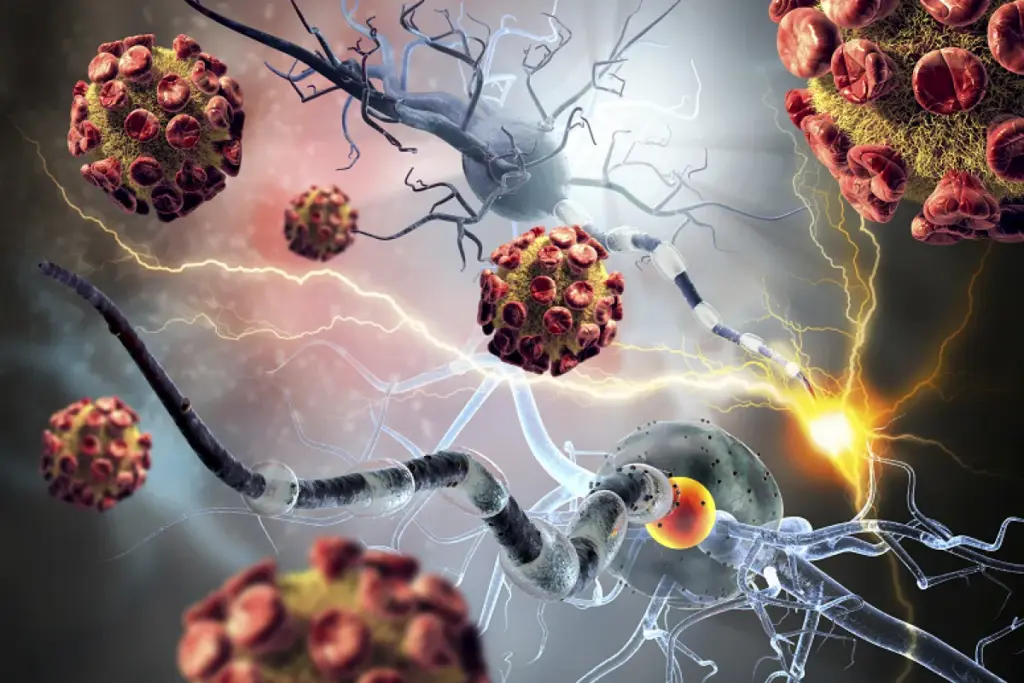
Autoimmune blood disorders are a big problem for millions of adults around the world. They happen when the body’s immune system attacks and destroys healthy blood cells by mistake.
More than 80 autoimmune disorders are known, and those affecting the blood can cause serious health issues. These include anemia, bleeding disorders, and more.
Studies show that autoimmune disorders affect about one in ten people globally. This shows how important it is to get expert help and treatment plans that fit each person.
Key Takeaways
- Autoimmune blood disorders affect millions of adults worldwide.
- These conditions occur when the immune system mistakenly attacks healthy blood cells.
- There are over 80 known autoimmune disorders.
- Autoimmune blood disorders can lead to anemia, bleeding disorders, and other complications.
- Expert diagnosis and personalized treatment plans are key to managing these conditions.
Understanding Autoimmune Blood Disorders
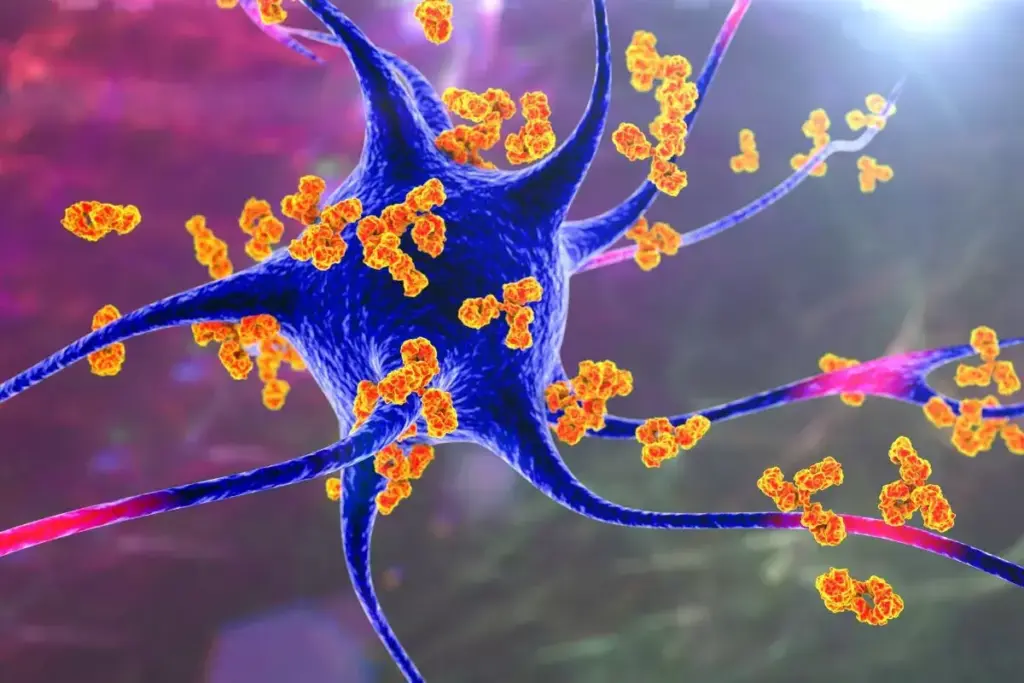
Autoimmune blood disorders happen when the immune system gets confused. It starts attacking the body’s own blood cells. This leads to different health problems.
Definition and Mechanism
Autoimmune blood disorders occur when the immune system mistakenly attacks the body’s blood cells. This can include white blood cells attacking red cells. It causes conditions like autoimmune hemolytic anemia. The exact cause is unknown, but it might be triggered by certain microorganisms or medications.
This malfunction causes the body to destroy its own cells. This can lead to symptoms and complications. For example, in autoimmune hemolytic anemia, the immune system makes antibodies that mark red blood cells for destruction. This results in anemia and other related problems.
For more information on autoimmune diseases, we can refer to resources such as Understanding Autoimmune Diseases. It offers insights into the broader context of autoimmune conditions.
Prevalence and Demographics
Autoimmune blood disorders mostly affect women, with about four out of five patients being female. This suggests there are underlying factors, possibly hormonal or genetic, that make women more prone to these diseases.
Worldwide, these disorders significantly impact the quality of life for those affected. Knowing the demographics and prevalence is key to developing effective treatments and support.
By understanding the causes of autoimmune blood disorders, like genetic predisposition and environmental triggers, we can improve management and treatment. This includes spreading awareness about the signs and symptoms of autoimmune diseases. Anemia, for example, can be an autoimmune disease in some cases.
Common Types of Autoimmune Blood Disorders
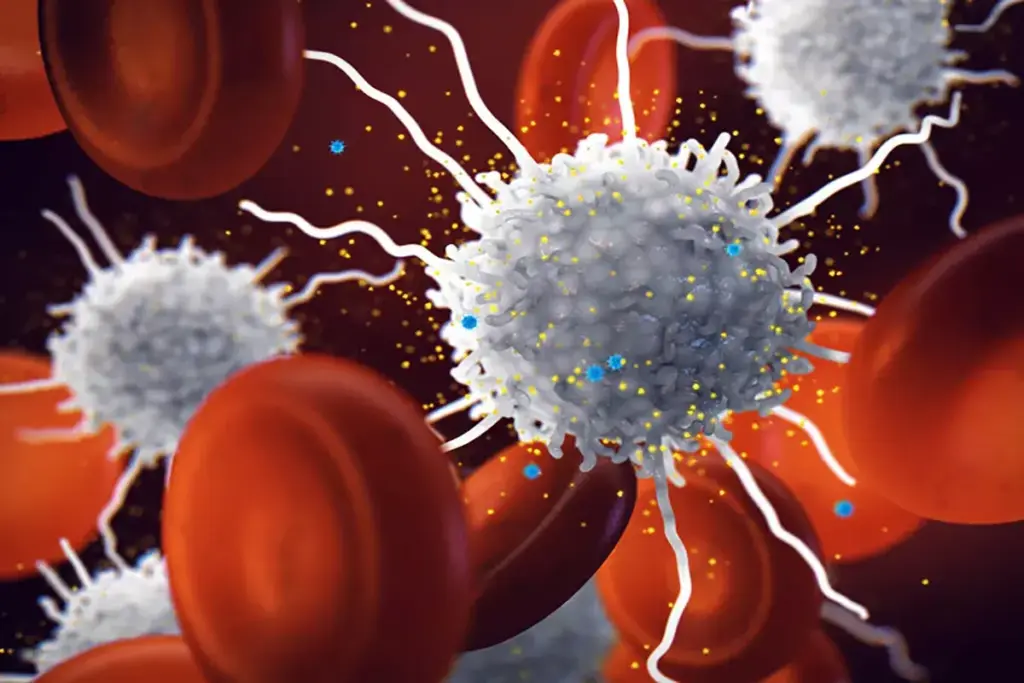
It’s important to know about different autoimmune blood disorders. They can really affect a person’s life. Finding out what condition someone has is the first step to better health.
Autoimmune Hemolytic Anemia
Autoimmune hemolytic anemia (AIHA) happens when the immune system attacks red blood cells. This leads to anemia. Symptoms include feeling tired, short of breath, and a fast heart rate.
In AIHA, white blood cells attack red blood cells. This causes them to break down too early. Blood tests can show if someone has AIHA. Treatment might include steroids or blood transfusions.
Immune Thrombocytopenia Purpura
Immune thrombocytopenia purpura (ITP) is when the immune system destroys platelets. This can cause easy bruising and bleeding. Symptoms can range from mild to severe.
Doctors use blood tests to find low platelet counts. Treatment aims to boost platelet counts. Options include steroids, IVIG, or sometimes removing the spleen.
Evans Syndrome
Evans syndrome is rare. It’s when the immune system attacks both red and platelet cells. This can cause severe anemia and bleeding risks.
Diagnosing Evans syndrome requires blood tests for both AIHA and ITP. Treatment is tough and often combines therapies for both conditions. Sometimes, bone marrow transplantation is needed.
Knowing about these autoimmune blood disorders helps in giving better care. Healthcare providers can make plans to help patients feel better.
Conclusion: Impact and Management of Autoimmune Blood Disorders
Autoimmune blood disorders have a big impact on people and society. They put a lot of pressure on healthcare systems. Studies show these conditions are becoming more common, highlighting the need for better care and support.
Autoimmune diseases like autoimmune hemolytic anemia need quick and effective treatment. When red blood cells attack white blood cells, or when red blood cells eat white blood cells, treatment must be specific.
Managing autoimmune blood disorders involves several steps. This includes giving supplements, blood transfusions, and medicines to control the immune system. Knowing the causes, symptoms, and treatments helps us manage these conditions better and improve patient care.
For effective management, we need a complete and supportive care plan. We must keep learning about these complex conditions to give patients the best care possible.
FAQ
What are autoimmune blood disorders?
Autoimmune blood disorders happen when the immune system attacks the body’s own blood cells. This can cause health problems like anemia and bleeding disorders.
What are the common types of autoimmune blood disorders?
Common types include autoimmune hemolytic anemia (AIHA), immune thrombocytopenia purpura (ITP), and Evans syndrome. Each has its own symptoms, diagnosis, and treatment.
Is anemia an autoimmune disease?
Autoimmune hemolytic anemia (AIHA) is a condition where the immune system attacks red blood cells. This leads to anemia. Not all anemia is autoimmune, but AIHA is.
What happens when white blood cells attack red blood cells?
When white blood cells attack red blood cells, it can destroy them. This leads to anemia and other problems. It happens in conditions like AIHA, where the immune system mistakenly attacks its own red blood cells.
Are autoimmune blood disorders rare?
Some, like Evans syndrome, are rare. But others, like AIHA and ITP, are more common. Both have a big impact on people and society.
How are autoimmune blood disorders diagnosed and treated?
Diagnosis involves clinical evaluation, lab tests, and sometimes bone marrow exams. Treatment depends on the disorder and may include immune-suppressing meds and symptom management.
Can autoimmune blood disorders be managed effectively?
Yes, with the right diagnosis and treatment, many can be managed well. This improves patient outcomes and quality of life. Good care and support are key.
References
https://my.clevelandclinic.org/health/diseases/21624-autoimmune-diseases