

Knowing your 3-hour glucose tolerance test results is key for your health and your baby’s during pregnancy. If your first glucose screening showed abnormal results, a detailed 3-hour GTT is needed. It confirms or rules out gestational diabetes mellitus.
This test is vital for checking how your body handles glucose and diagnosing gestational diabetes. It involves drinking a 100-gram glucose solution. Then, it checks your blood sugar at fasting, 1-hour, 2-hour, and 3-hour marks. Medical experts worldwide say this test is the best way to get an accurate diagnosis.
It’s important to know the normal values for the 3-hour GTT. This helps doctors diagnose and manage gestational diabetes well. We aim to give top-notch healthcare and support to patients from around the world.
Key Takeaways
- The 3-hour glucose tolerance test is a key tool for checking glucose levels.
- It involves a 100-gram glucose load and checks blood sugar at different times.
- Knowing the normal values is key for diagnosing gestational diabetes.
- The test is seen as the best way to diagnose gestational diabetes mellitus worldwide.
- Getting a correct diagnosis and managing gestational diabetes is vital for a healthy pregnancy.
Understanding the 3-Hour Glucose Tolerance Test

We will explore the 3-hour glucose tolerance test in detail. This includes its purpose, who should take it, and the test procedure. The 3-hour glucose tolerance test, also known as the 3-hour OGTT, is a key tool. It’s used to check how well the body handles glucose and to diagnose gestational diabetes in pregnant women.
What Is the 3-Hour GTT and Its Purpose?
The 3-hour GTT involves drinking a 100-gram glucose solution. Blood glucose levels are measured at fasting, 1-hour, 2-hour, and 3-hour intervals. This test is key for diagnosing gestational diabetes, a condition that can develop during pregnancy.
The test checks how the body handles blood glucose after drinking a glucose-rich drink. It helps doctors identify those with gestational diabetes. This ensures they get the right care to prevent pregnancy complications.
Who Should Take the 3-Hour OGTT?
Pregnant women are screened for gestational diabetes between 24 and 28 weeks. Women with risk factors like a family history of diabetes or obesity may be screened earlier.
The American College of Obstetricians and Gynecologists recommends screening all pregnant women. The 3-hour OGTT is the standard test used for this screening.
Test Procedure and Preparation
To prepare for the 3-hour GTT, patients fast overnight for at least 8 hours. Upon arrival, a fasting blood glucose level is measured.
Then, they drink a 100-gram glucose solution in 5 minutes. Blood glucose levels are checked at 1, 2, and 3 hours after. It’s important to stay seated and not eat or drink anything but water during the test.
Key preparation steps include:
- Fast overnight for at least 8 hours
- Arrive at the testing facility with a list of current medications
- Be prepared to spend about 3-4 hours at the testing facility
- Avoid strenuous activity during the test
By understanding the 3-hour glucose tolerance test, pregnant women can better prepare for it. They can also understand the importance of the test results.
Normal 3 Hour GTT Cutoff Values and Ranges
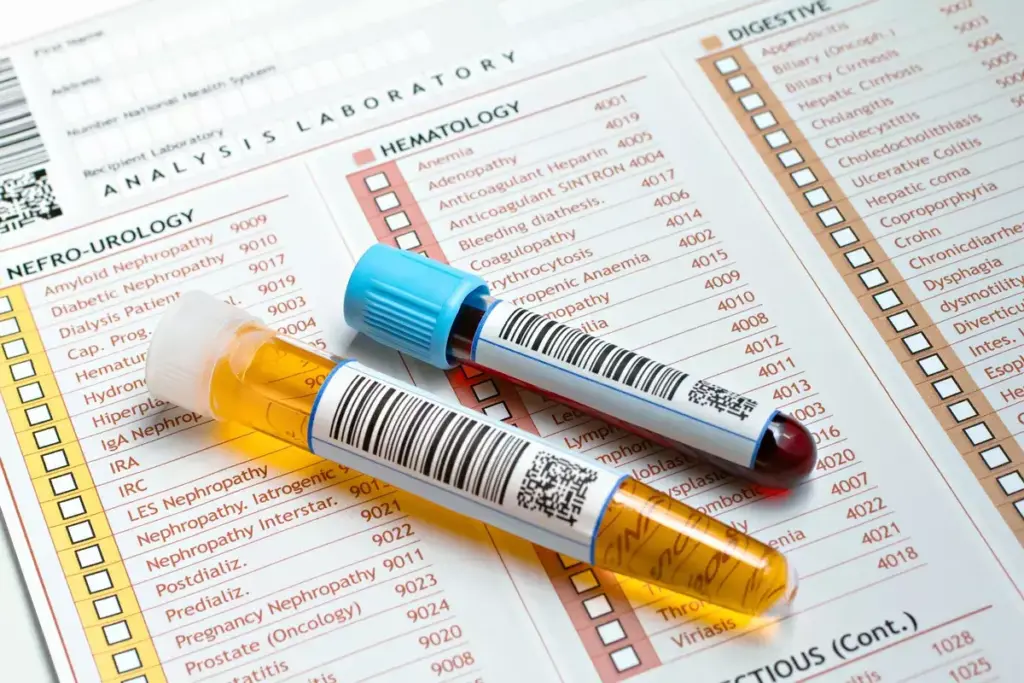
Knowing the normal cutoff values for a 3-hour Glucose Tolerance Test (GTT) is key for diagnosing gestational diabetes. The 3-hour GTT checks how well the body handles blood sugar after drinking a sugary drink. We’ll look at the standard values at each time and the Carpenter-Coustan criteria, a common standard in healthcare.
Standard Cutoff Values at Each Time Interval
The normal cutoff values for the 3-hour GTT are as follows:
- Fasting glucose: less than 95 mg/dL
- 1-hour glucose: less than 180 mg/dL
- 2-hour glucose: less than 155 mg/dL
- 3-hour glucose: less than 140 mg/dL
These values are key in figuring out if someone has gestational diabetes. If two or more of these values are met or exceeded, a diagnosis of gestational diabetes is usually made.
The Carpenter-Coustan Criteria Explained
The Carpenter-Coustan criteria are guidelines for understanding 3-hour GTT results. They offer a standard way to diagnose gestational diabetes. The criteria set the following values:
- Fasting: 95 mg/dL
- 1 hour: 180 mg/dL
- 2 hours: 155 mg/dL
- 3 hours: 140 mg/dL
Meeting or exceeding two or more of these values means someone has gestational diabetes. The Carpenter-Coustan criteria are widely accepted and used in healthcare to ensure consistent diagnosis of gestational diabetes.
Experts say, “The diagnosis of gestational diabetes is based on two or more abnormal glucose values during the 3-hour GTT.” This shows how important it is to follow criteria like the Carpenter-Coustan criteria.
By knowing the normal cutoff values and following the Carpenter-Coustan criteria, healthcare providers can accurately diagnose and manage gestational diabetes. This ensures the best outcomes for patients.
Interpreting Your 3-Hour Glucose Test Results
It’s important to understand your 3-hour glucose test results. This test is key for checking your health, mainly for gestational diabetes. We’ll help you make sense of your test results and what they mean.
How Gestational Diabetes Is Diagnosed
Gestational diabetes is found through the 3-hour glucose tolerance test. You’re diagnosed if 2 out of 4 blood sugar levels are too high during the test.
The test checks your blood sugar at fasting, 1-hour, 2-hour, and 3-hour marks after drinking a glucose solution. Knowing these values is key for a correct diagnosis.
| Time Interval | Normal Value (mg/dL) |
| Fasting | 95 |
| 1-hour | 180 |
| 2-hour | 155 |
| 3-hour | 140 |
Understanding Abnormal Results and Risk Factors
Abnormal results mean your body can’t handle blood sugar well. Risk factors include a family history of diabetes, being overweight, and having had gestational diabetes before.
What to Do After Receiving Your Results
If you have gestational diabetes, work with your doctor to manage it. This might mean changing your diet, checking your blood sugar, and possibly using insulin.
Knowing your results and acting on them can help prevent problems for you and your baby.
Conclusion
We’ve looked into why the 3-hour glucose tolerance test is key for diagnosing and managing gestational diabetes. This test is a major tool for checking how well pregnant women’s bodies handle glucose. It helps doctors spot any problems early on.
The 3-hour GTT is important for finding out if glucose levels are off, helping to prevent pregnancy complications. It measures blood sugar at different times. This gives doctors a clear picture of how glucose is being processed.
Understanding 3-hour GTT results helps doctors create good plans for pregnant women. This ensures the health of both mom and baby. The glucose tolerance test is a big part of prenatal care. It’s very important for diagnosing and managing gestational diabetes.
FAQ
What is the 3-hour glucose tolerance test used for?
It is used to diagnose gestational diabetes by measuring how your body processes glucose over three hours.
What are the normal cutoff values for the 3-hour GTT?
Normal values are fasting <95 mg/dL, 1-hour <180 mg/dL, 2-hour <155 mg/dL, and 3-hour <140 mg/dL.
Who should take the 3-hour OGTT?
Pregnant women with abnormal 1-hour glucose screening or high risk for gestational diabetes should take it.
How is the 3-hour GTT performed?
After fasting, a glucose drink is consumed, and blood is drawn at fasting, 1, 2, and 3 hours.
What are the risk factors associated with gestational diabetes?
Risk factors include obesity, advanced maternal age, family history of diabetes, prior gestational diabetes, and certain ethnicities.
How is gestational diabetes diagnosed using the 3-hour GTT?
Gestational diabetes is diagnosed if two or more blood glucose readings exceed the established cutoff values.
What should I do if my 3-hour GTT results are abnormal?
Consult your healthcare provider for diagnosis confirmation, lifestyle guidance, and potential treatment.
What are the normal ranges for the 3-hour glucose tolerance test?
Fasting <95 mg/dL, 1-hour <180 mg/dL, 2-hour <155 mg/dL, and 3-hour <140 mg/dL are considered normal.
How can I prepare for the 3-hour GTT?
Fast for 8–14 hours, avoid unusual sugar intake, and stay hydrated with water before the test.
References
Influence of lower cutoff values for 100‑g oral glucose tolerance test and glycemic profile for identification of pregnant women at excessive fetal growth risk. Endocrine Practice, . https://doi.org/10.4158/EP.14.6.678