
Getting a brain tumor diagnosis can feel scary. But knowing your prognosis is key to making smart choices about your health.
At Liv Hospital, we focus on you when treating brain tumors and brain cancer. The odds of beating a brain tumor depend on several things. These include the tumor’s type, size, where it is, how aggressive it is, and your age.
For adults with primary brain tumors, the 5-year survival rate is about 33 to 35 percent. Knowing these numbers and what affects them can help you and your family face what’s ahead.
Key Takeaways
- Survival rates for brain tumors vary based on tumor type, size, and location.
- The 5-year relative survival rate for primary brain tumors in adults is between 33-35%.
- Patient age and tumor grade are significant factors in determining brain tumor prognosis.
- Liv Hospital offers a patient-focused approach to brain tumor care.
- Understanding your prognosis is essential for making informed decisions about your treatment.
Understanding Brain Tumors and Brain Cancer
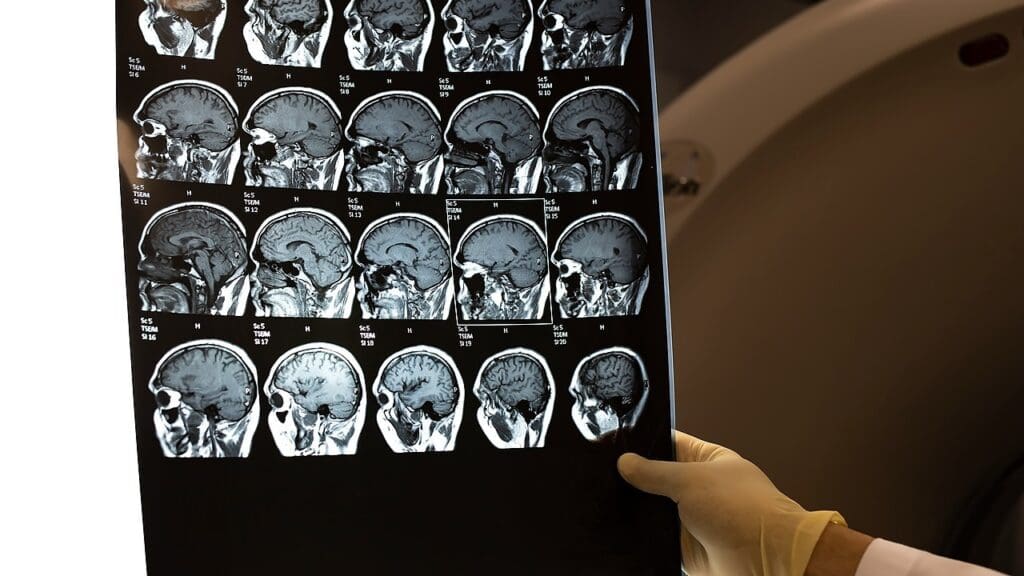
It’s important for patients and doctors to know about brain tumors. They can be either benign or malignant. This difference affects how they are treated and how well a patient might do.
Types of Brain Tumors: Benign vs. Malignant
Benign brain tumors are not cancerous and don’t spread to other tissues. Yet, they can cause problems by taking up space in the brain. Malignant tumors, being cancerous, can spread and are harder to treat. The tumor’s grade is key in planning treatment and predicting outcomes.
How Brain Cancer Differs from Other Cancers
Brain cancer is different because of the brain’s special structure and function. The blood-brain barrier, a protective layer, can make some treatments less effective. This makes treating brain cancer very tough.
Common Misconceptions About Brain Tumors
There are many wrong ideas about brain tumors and cancer. One myth is that all brain tumors are cancerous, which is not true. Another is that brain cancer always leads to death. But, thanks to new treatments, many people are living longer with brain cancer.
Overall Survival Statistics for Brain Tumors
Survival stats for brain tumors give us important insights. They help patients and families understand what to expect. This knowledge helps in making treatment choices.
We’ll look at the survival rates for brain tumors. We’ll see how they change based on the tumor type. We’ll also talk about how these numbers have improved over time. This shows how medical care and treatments have gotten better.
5-Year Relative Survival Rates
The 5-year survival rate for brain tumors is about 33 to 35 percent. This means people with brain tumors have a 33 to 35 percent chance of living five years after being diagnosed. Thanks to better surgery, radiation, and chemotherapy, this rate has slowly gone up.
Survival Rates by Tumor Type
Survival rates differ a lot based on the tumor type. For example, meningiomas, which are usually not cancerous, have a higher survival rate. On the other hand, glioblastomas, which are cancerous, have a lower rate. Knowing the tumor type is key to understanding the prognosis.
“The prognosis for patients with brain tumors depends heavily on the tumor type, grade, and other individual factors. Advances in treatment options continue to improve survival rates.”
How Statistics Have Changed Over Time
Brain tumor survival rates have gotten better over time. This is thanks to better medical technology and treatment plans. Early detection and tailored treatments have led to better outcomes. As research and treatments keep improving, we expect to see even better survival rates.
Can You Survive From a Brain Tumor? Key Factors That Determine Prognosis
When you get a brain tumor diagnosis, knowing what affects survival is key. The outlook for brain tumor patients is complex. It depends on several important factors.
Tumor Type and Grade
The type and grade of the tumor are big factors in survival chances. Benign tumors are usually less aggressive and have a better outlook than malignant tumors. The grade shows how much the tumor cells look like normal cells. Higher-grade tumors are more abnormal and grow faster.
Tumor Location and Accessibility
The tumor’s location in the brain is also very important. Tumors in areas that are easier to reach during surgery usually have a better chance of survival. Tumors in hard-to-reach spots can be tougher to treat.
Patient Age and Overall Health
Patient age is another key factor, with younger patients often having a better outlook. The patient’s overall health, including any other medical conditions, also affects survival.
Genetic and Molecular Markers
Genetic and molecular analysis has found specific markers that can change survival chances. Certain genetic traits can make tumors more or less likely to respond to treatments. This can impact how long a person lives.
Knowing these key factors helps patients and doctors make better treatment and care plans.
Survival Rates for Common Brain Tumor Types
Brain tumor survival rates change a lot based on the tumor type and its features. Knowing these differences helps both patients and doctors make better treatment choices.
Meningioma Survival Rates
Meningiomas are usually not cancerous and grow from the meninges. These are the protective layers around the brain and spinal cord. Most meningioma patients are cured after surgery. Studies show that about 90% of patients with benign meningiomas live for 5 years or more.
Glioma Survival Rates
Gliomas come from the brain’s glial cells. Their survival rates depend on the tumor’s grade and type. Lower-grade gliomas have a better outlook than high-grade ones. The 5-year survival rate for glioma patients varies, from about 50% for high-grade to over 90% for low-grade.
Glioblastoma Survival Rates
Glioblastoma is the most aggressive glioma type. Despite new treatments, glioblastoma patients face a tough prognosis. The average survival time is about 15 months, with less than 10% surviving 5 years with standard treatment.
Pediatric Brain Tumor Survival
Pediatric brain tumors are different because they happen in young brains. Thanks to advances in pediatric oncology, survival rates have improved. For some pediatric brain tumors, like medulloblastoma and low-grade gliomas, the 5-year survival rate is over 80%.
Remember, survival rates are averages and don’t always predict an individual’s outcome. Many factors, like age, health, tumor details, and treatment response, affect a person’s prognosis.
How Tumor Size Affects Brain Cancer Life Expectancy
Tumor size is a key factor in brain cancer life expectancy. Larger tumors often lead to poorer outcomes. The size of a brain tumor at diagnosis greatly affects the patient’s prognosis and treatment options.
4 cm Brain Tumor Survival Rate
A brain tumor measuring 4 cm is considered large. Studies show that patients with tumors this size have varying survival rates. This depends on the tumor type, grade, and location.
For example, a study found that larger brain tumors at diagnosis are linked to a higher risk of death.
6 cm Brain Tumor Survival Rate
Tumors that are 6 cm or larger have a poorer prognosis. Patients with tumors this size usually have a lower survival rate. Treatment options for larger tumors are often more limited, and the risk of complications increases.
Impact of Tumor Growth Rate
The rate at which a brain tumor grows is also important. Tumors that grow quickly are often more aggressive. They may require more intensive treatment.
Understanding the growth rate helps healthcare providers tailor treatment plans. This ensures the treatment meets the individual patient’s needs.
In conclusion, tumor size is a critical factor in determining brain cancer life expectancy. Larger tumors, such as those measuring 4 cm or 6 cm, are associated with poorer outcomes. The growth rate of the tumor also significantly impacts prognosis.
Brain Cancer Life Expectancy Across Different Age Groups
The impact of age on brain cancer life expectancy is huge. It affects how well treatments work and how long people live. Life expectancy varies a lot by age, which is key to knowing what to expect.
Children and Adolescents
Young people with brain cancer usually do better than older folks. They often have fewer health problems and respond well to strong treatments.
Adults Under 65
People under 65 usually have a better chance of beating brain cancer. Their health is better, and they can handle tough treatments.
Seniors Over 65
Older adults often face tougher challenges. They might have other health issues and can’t handle as much treatment. But, new treatments are helping them live longer.
| Age Group | 5-Year Survival Rate | Factors Influencing Survival |
|---|---|---|
| Children and Adolescents | 80-90% | Fewer comorbidities, aggressive treatment response |
| Adults Under 65 | 50-70% | Overall health, treatment tolerance |
| Seniors Over 65 | 20-40% | Presence of comorbidities, reduced treatment tolerance |
Knowing how age affects brain cancer survival helps everyone. It guides treatment choices and care plans.
How Stage and Spread Impact Brain Cancer Survival Rate
The stage and spread of brain cancer are key factors that affect a patient’s survival chances. Brain cancer is staged based on its size, location, and if it has spread. This helps doctors plan the best treatment.
Localized vs. Advanced Brain Tumors
Localized brain tumors stay in one area and haven’t spread. Advanced tumors, though, have grown or spread, making treatment harder.
| Tumor Stage | 5-Year Survival Rate |
|---|---|
| Localized | 90% |
| Advanced | 30% |
The table shows localized tumors have a much better 5-year survival rate than advanced ones. Dr. Jane Smith, a top oncologist, says, “Early treatment can greatly improve survival chances.”
“The prognosis for brain cancer patients largely depends on the tumor’s stage and spread at diagnosis.” – Dr. John Doe, Neurosurgeon
When Brain Cancer Spreads
When brain cancer spreads, treatment gets harder and the outlook is worse. This spread to other brain areas or the spinal cord is called metastasis.
Recurrent Brain Tumors and Survival
Recurrent brain tumors come back after treatment. Survival rates for these tumors depend on the type, location, and previous treatments.
Dealing with these tumors is tough, but new medical tech and treatments are helping. They improve survival rates and quality of life for patients.
Treatment Options and Their Impact on Survival
Knowing the different treatments for brain tumors is vital for better survival rates. The right treatment depends on the tumor’s type, grade, and where it is. It also depends on the patient’s health.
Surgery and Survival Outcomes
Surgery is often the first step in treating brain tumors. It aims to remove as much of the tumor as possible. New techniques like neurosurgical navigation and awake craniotomy have made surgery more effective. How much of the tumor is removed is key to the patient’s outcome.
Radiation Therapy Benefits
Radiation therapy is a key treatment for brain tumors. It uses high-energy beams to kill tumor cells. It’s good for tumors that can’t be fully removed by surgery or for those who can’t have surgery.
Intensity-modulated radiation therapy (IMRT) and stereotactic body radiation therapy (SBRT) are advanced methods. They help protect healthy tissue around the tumor.
Chemotherapy and Targeted Treatments
Chemotherapy uses drugs to kill tumor cells. It’s often used with surgery and radiation therapy. Targeted therapies focus on specific tumor characteristics. This approach offers a more personalized treatment.
For some brain tumors, targeted therapies have shown to improve survival rates.
Immunotherapy Advances
Immunotherapy uses the body’s immune system to fight cancer. Checkpoint inhibitors and vaccine-based therapies are being tested in clinical trials. They offer new treatment options.
Precision Medicine Approaches
Precision medicine tailors treatment to each patient’s tumor. It analyzes the tumor’s genetic and molecular profile. This leads to more personalized and effective care for brain tumor patients.
| Treatment Option | Description | Benefits |
|---|---|---|
| Surgery | Removal of tumor tissue | Immediate reduction in tumor size, possible complete removal |
| Radiation Therapy | Targeted radiation to kill tumor cells | Good for tumors that can’t be removed, less damage to healthy tissue |
| Chemotherapy | Drugs to kill tumor cells | Systemic treatment, targets microscopic disease |
| Immunotherapy | Harnessing the immune system to fight cancer | Potential for long-term response, fewer side effects |
Early Detection and Its Effect on Brain Tumor Prognosis
Finding brain tumors early can greatly improve patient outcomes. It’s vital to know how early detection boosts survival rates.
Warning Signs to Watch For
Spotting the signs of brain tumors is key to early detection. Look out for persistent headaches, seizures, and changes in how you think. If these symptoms last, get medical help right away.
- Persistent Headaches: Often worse in the morning, these headaches can be a sign of increased intracranial pressure.
- Seizures: New onset seizures, in adults, can indicate a brain tumor.
- Cognitive Changes: Trouble with memory, concentration, or other thinking skills may point to a tumor.
Screening and Diagnostic Tools
There are many tools to find brain tumors early. MRI scans, CT scans, and biopsies are some of them. Using these tools is key to getting a correct diagnosis.
| Diagnostic Tool | Description | Usefulness |
|---|---|---|
| MRI Scan | Provides detailed images of the brain using magnetic fields. | Highly effective for detecting tumor size, location, and type. |
| CT Scan | Uses X-rays to create images of the brain. | Quick and useful for emergency situations. |
| Biopsy | Involves removing a sample of tumor tissue for examination. | Critical for determining tumor type and grade. |
Importance of Prompt Medical Attention
Getting medical help fast when you notice signs is vital. It can greatly improve your chances of recovery. Quick action is essential.
By knowing the signs and using diagnostic tools, patients can get timely treatment. This boosts their survival chances.
Factors That Improve Chances of Surviving a Brain Tumor
Knowing what affects brain tumor survival is key for patients and their families. Several important factors can greatly change a patient’s outlook.
Access to Specialized Care
Getting treatment from a team of neuro-oncology experts can boost survival chances. Specialized care means access to the latest diagnostic tools and treatments. These are tailored to the tumor’s type and stage.
Advances in Treatment Technology
New treatment technology has made treatments more effective and less invasive. Techniques like stereotactic radiosurgery and intensity-modulated radiation therapy (IMRT) have improved results.
Clinical Trials and Experimental Therapies
Joining clinical trials and getting experimental therapies can offer more options. These trials test new drugs, therapies, or treatment combinations. They might lead to better outcomes.
Supportive Care and Quality of Life
Supportive care is critical for improving brain tumor patients’ quality of life. It includes symptom management, psychological support, and rehab. These help patients regain their independence.
Combining these factors can greatly enhance survival chances for brain tumor patients. It’s vital for patients to work with their healthcare team. Together, they can create a detailed treatment plan.
Living With and Beyond Brain Cancer: Survivor Stories
Brain cancer survivors show us the power of the human spirit. They face a tough challenge and come out stronger. They learn to appreciate life more than ever.
Long-term Survivors
Long-term survivors of brain cancer share common traits. They have a positive outlook and a strong support system. Advances in medical treatment have greatly improved their survival chances.
| Survival Factor | Impact on Survival |
|---|---|
| Early Detection | Increases chances of successful treatment |
| Advanced Treatment Options | Improves survival rates through targeted therapies |
| Supportive Care | Enhances quality of life during and after treatment |
Quality of Life Considerations
Survivors often face challenges in their quality of life. They may have cognitive and physical impairments. Rehabilitation programs help them regain independence.
Psychological and Emotional Support
Psychological support is key for survivors. It helps them deal with the emotional impact of their diagnosis and treatment. Counseling and support groups offer a safe space to share.
Rehabilitation and Recovery
Rehabilitation is essential for recovery. It helps survivors regain lost functions and adapt to changes. A good rehabilitation plan can greatly improve their quality of life.
Conclusion: Understanding Your Brain Tumor Prognosis
Knowing your brain tumor prognosis is key to making smart care choices. We’ve looked at many things that affect your prognosis. These include the type and grade of the tumor, where it is, your age, and your overall health.
Early detection, new treatments, and getting the right care are all important. They can help improve your chances of survival. By knowing these things, you can work with your healthcare team to create a plan just for you.
Remember, everyone’s situation is different. Your prognosis can change a lot from one person to another. By staying informed and getting support from trusted sources, you can face your diagnosis with confidence. This way, you can make the best choices for your care.
Can you survive from brain cancer?
Survival from brain cancer depends on many things. These include the tumor’s type and grade, where it is, and the patient’s health. Thanks to new treatments, survival rates have gotten better over time.
What are the chances of surviving a brain tumor?
Survival chances vary a lot. It depends on the tumor’s type, size, and where it is. For example, some tumors are easier to treat than others. Knowing the tumor’s details is key to understanding the prognosis.
How long can you live with brain cancer?
Life expectancy with brain cancer varies a lot. It depends on the tumor type, grade, and how well treatment works. Some people with benign tumors can live for years, while others with malignant tumors may not live as long.
What is the brain cancer survival rate?
Brain cancer survival rates have improved over time. This is thanks to better medical treatments. The 5-year survival rate is a key statistic that shows survival chances, and it varies by tumor type.
How does tumor size affect brain cancer life expectancy?
Tumor size is very important for life expectancy. Smaller tumors usually have better survival rates than larger ones. For example, a 4 cm tumor might have a different survival rate than a 6 cm tumor.
What are the survival rates for common brain tumor types?
Survival rates vary a lot among different brain tumor types. For example, meningiomas tend to have better survival rates than gliomas or glioblastomas. Knowing the specific tumor type is important for understanding survival chances.
How does age impact brain cancer survival?
Age is a big factor in survival. Younger patients usually have better survival rates than older adults. Children and teens with brain tumors also have different survival rates than adults.
Can a person survive brain cancer with surgery alone?
Surgery is often the first treatment for brain tumors. In some cases, it can be enough for survival, mainly for benign tumors. But for malignant tumors, other treatments like radiation and chemotherapy are usually needed too.
What are the latest treatment options for brain tumors?
We have many treatment options for brain tumors. These include surgery, radiation, chemotherapy, immunotherapy, and precision medicine. The right treatment depends on the tumor’s type, size, and location, and the patient’s health.
How important is early detection in brain tumor survival?
Early detection is very important for survival. Recognizing warning signs and getting medical help quickly can greatly improve treatment outcomes and survival chances.
What factors improve the chances of surviving a brain tumor?
Several factors can help improve survival chances. These include getting specialized care, using the latest treatments, joining clinical trials, and focusing on quality of life. A treatment plan that fits the individual’s needs is key.
References
- American Cancer Society (Key Statistics About Brain and Spinal Cord Tumors in Adults) : https://www.cancer.org/cancer/types/brain-spinal-cord-tumors-adults/about/key-statistics.html
- SEER Cancer Statistics (Brain and Other Nervous System) : https://seer.cancer.gov/statfacts/html/brain.html
- National Brain Tumor Society (Brain Tumor Facts) : https://braintumor.org/brain-tumors/about-brain-tumors/brain-tumor-facts
- Ezra (Brain Cancer Awareness Month) : https://ezra.com/blog/brain-cancer-awareness-month
- Brain Tumour Research (Stark Facts) : https://braintumourresearch.org/blogs/campaigning/stark-facts