As we move through the 2025 flu season, respiratory illness activity keeps changing worldwide. Many viral infections are spreading at the same time. This makes it very important to stay alert and get medical help fast. At Liv Hospital, we aim to help you understand this tough time with the latest facts and top-notch tests.
A new flu type, subclade K, an H3N2 strain, is worrying doctors a lot. Knowing the symptoms of this and other viruses is key. It helps you get medical help quickly and keep your loved ones safe.
Key Takeaways
- Many viral infections are spreading at the same time during the 2025 flu season.
- A new flu type, subclade K (H3N2 strain), is a big worry for doctors.
- Knowing the symptoms is very important for getting medical help on time and keeping vulnerable people safe.
- Liv Hospital offers the latest information and top tests.
- Getting medical help quickly is very important during this complex respiratory season.
The Viral Landscape of December 2025
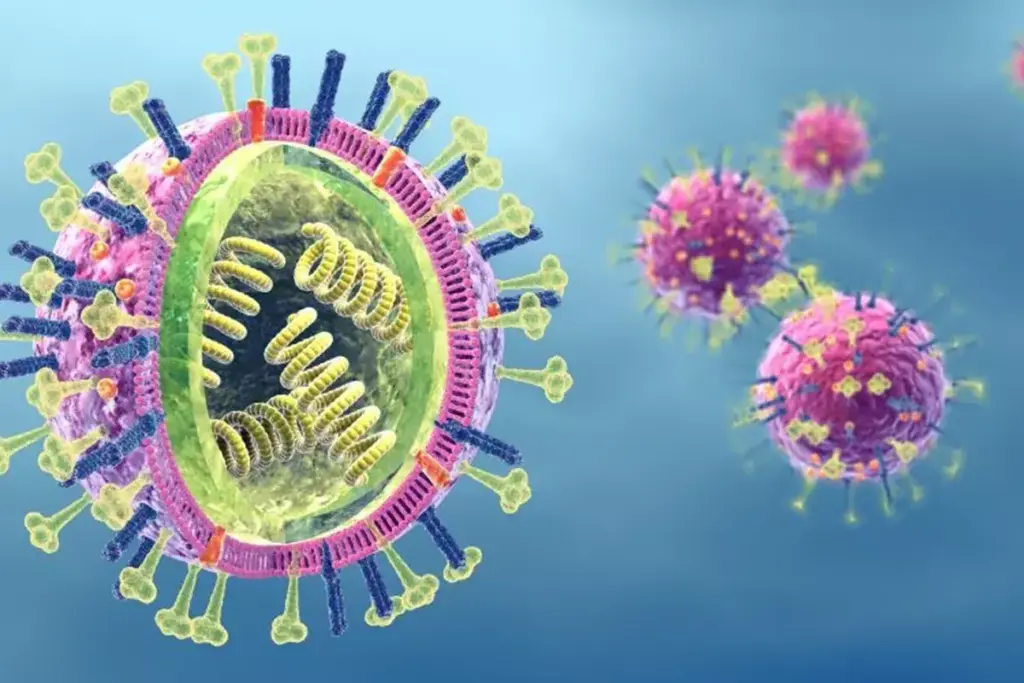
In December 2025, a new flu variant called subclade K, an H3N2 strain, is leading the viral landscape. This change has big effects on public health, making the flu season more severe and widespread.
The CDC data for the week ending December 6, 2025, shows a big shift. About 89 percent of flu viruses sampled from September 28 belonged to subclade K. This means subclade K is now the main flu strain.
Rise of Influenza Subclade K (H3N2)
The rise of Influenza Subclade K (H3N2) is key in the current flu season. This new strain is very contagious and is the main cause of flu in December 2025. Health experts are watching its virulence and how it spreads closely.
Some important traits of Influenza Subclade K (H3N2) are:
- High contagiousness
- Predominance in current flu cases
- Close monitoring by health authorities
CDC Data and Epidemic Thresholds
The CDC is vital in tracking flu data. Epidemic thresholds help figure out how bad the flu season is. Right now, the CDC data shows flu activity is above the epidemic threshold, meaning it’s a severe flu season.
The CDC data gives us key insights into the flu season, including:
- Percentage of flu viruses belonging to subclade K
- Epidemic thresholds
- Flu activity levels
Understanding the current viral landscape helps us prepare for the future. It guides us in making smart health choices.
Identifying Current Virus Symptoms by Pathogen

We are seeing a range of symptoms associated with different viral pathogens. This includes various symptoms caused by different viruses. Understanding these symptoms is key for early detection and treatment.
Respiratory Symptoms: Cough, Congestion, and Sore Throat
Respiratory symptoms are common in viral infections. These include cough, nasal congestion, and sore throat. For example, the mutated H3N2 flu strain causes symptoms like a persistent cough and sore throat.
The CDC says it’s important to watch for these symptoms, mainly during peak flu seasons.
Respiratory symptoms can vary in severity. Some people may have mild congestion, while others may have severe coughs or trouble breathing. If you’re experiencing any of these symptoms, it’s important to stay informed about current virus symptoms and seek medical care if they worsen.
Systemic Symptoms: Fever, Body Aches, and Fatigue
Systemic symptoms like fever, body aches, and fatigue are common in viral infections. These symptoms can make everyday activities hard. Fever, in particular, often means you have an infection.
For example, high fever is a common symptom of influenza, including the H3N2 strain.
| Symptom | Common Viral Infections | Severity |
| Fever | Influenza, COVID-19 | High |
| Body Aches | Influenza, Dengue Fever | Moderate to High |
| Fatigue | Most viral infections | Mild to High |
Gastrointestinal Manifestations
Gastrointestinal symptoms can also occur in viral infections. Symptoms like nausea, vomiting, and diarrhea are seen in viral gastroenteritis. It’s important to stay hydrated and seek medical attention if these symptoms persist or worsen.
In conclusion, knowing the symptoms of current viral pathogens helps individuals seek timely medical care. Recognizing symptoms early can help manage infections and prevent complications.
High-Risk Populations and When to Seek Medical Care
Understanding who is most at risk is key as we deal with viral outbreaks. The recent rise in viral infections, like the new flu type, has made things worse. This is true for older adults and young kids.
Vulnerable Groups: Elderly, Children, and Immunocompromised
Some groups face a higher risk of getting very sick from viruses. These include the elderly, young kids, and those with weak immune systems. For example, the H3N2 flu type is usually more serious, hitting these groups hard. We need to watch closely when they get sick.
Warning Signs Requiring Immediate Attention
Knowing when to get medical help is vital. Look out for these signs:
- Severe difficulty breathing or shortness of breath
- Chest pain or pressure
- Confusion or loss of consciousness
- Severe headache or stiff neck
- Fever that doesn’t respond to medication
Differentiating Between Viral Infections
Telling different viruses apart is important for the right treatment. Some symptoms are similar, but each virus has its own signs. For instance, flu often brings high fever and body aches. A cold might have milder symptoms. Knowing these differences helps find the right medical care.
By understanding the risks and taking action, we can shield those most vulnerable to severe viral infections.
Conclusion: Prevention Strategies and Outlook
As we face the current viral landscape, staying informed is key. We need to know about the latest cold symptoms and what’s going around. This knowledge helps us protect ourselves and others.
To lower the risk of getting sick and stop the virus from spreading, we suggest a few steps. Stay current with vaccines, test if you’re feeling sick, and stay home. Also, avoid people who are sick, wear masks, wash your hands often, and cover your mouth when you cough or sneeze. These actions are vital in fighting the current viral situation.
By following these steps and staying updated, we can all help prevent the spread of respiratory viruses. This is important for keeping everyone safe, including those who are most vulnerable. As we go forward, it’s important to keep watching the situation and adjust our strategies as needed. This will help us stay healthy and strong.
FAQ
What are the common symptoms of the flu going around now?
The flu season is now dominated by Influenza Subclade K (H3N2). Symptoms include cough, congestion, and sore throat. You might also feel fever, body aches, and tiredness.
What kind of cold is going around right now?
Right now, many viruses are spreading, including the flu and other respiratory viruses. Symptoms include cough, runny nose, and stomach problems.
What are the warning signs that require immediate medical attention?
If you’re elderly, a child, or have a weak immune system, watch out for severe symptoms. Look for trouble breathing, chest pain, or a bad headache. Seek medical help right away.
How can I differentiate between various viral infections?
Getting a proper diagnosis from a doctor is key. This helps figure out which virus you have, even if symptoms seem similar.
What are the symptoms of the new virus going around?
The new virus brings a mix of symptoms. These include respiratory, systemic, and stomach problems. Knowing these symptoms helps you get medical help quickly.
Are there any specific prevention strategies that can help mitigate the impact of the current viral landscape?
Yes, there are ways to protect yourself and others. Stay informed, get vaccinated, and practice good hygiene. Taking these steps can help prevent the spread of the virus.
What are the current flu symptoms going around now?
Flu symptoms include fever, cough, sore throat, body aches, and tiredness. Knowing these symptoms is important for getting medical help fast.
What are the signs that I’m getting sick?
Signs of illness include cough, congestion, fever, body aches, and stomach problems. Being aware of these symptoms is key to getting medical help quickly.
References
National Health Service (NHS). Evidence-Based Medical Guidance. Retrieved from
https://www.nhs.uk/conditions/covid-19/covid-19-symptoms-and-what-to-do/[3