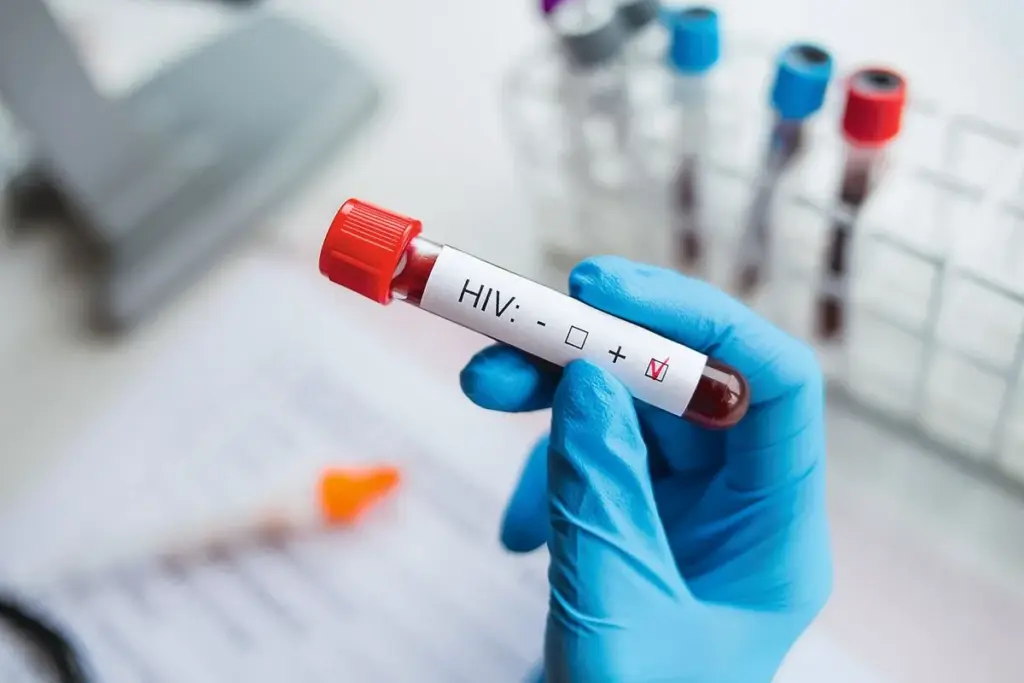
It’s important to know the early signs of HIV seroconversion to get help quickly. When someone first gets infected, their body starts making antibodies to fight the virus. This is the beginning of the seroconversion process.
This process usually starts 2-3 weeks after getting infected. Most people feel flu-like symptoms 2 to 4 weeks later. These symptoms can last from a few days to weeks. Spotting these signs early is key for getting tested and treated right away.
At Liv Hospital, we use the latest diagnostic tools and care with kindness. We help our patients through the tough seroconversion illness phase. Our focus is on you, making sure you get all the care and support you need.
Key Takeaways
- Early signs of HIV seroconversion usually show up 2-3 weeks after infection.
- Feeling flu-like is common during this time.
- Spotting these symptoms early is vital for quick testing and treatment.
- Liv Hospital offers top-notch diagnostic tools and caring service.
- We put our patients first, providing complete care and support.
Understanding the HIV Seroconversion Period
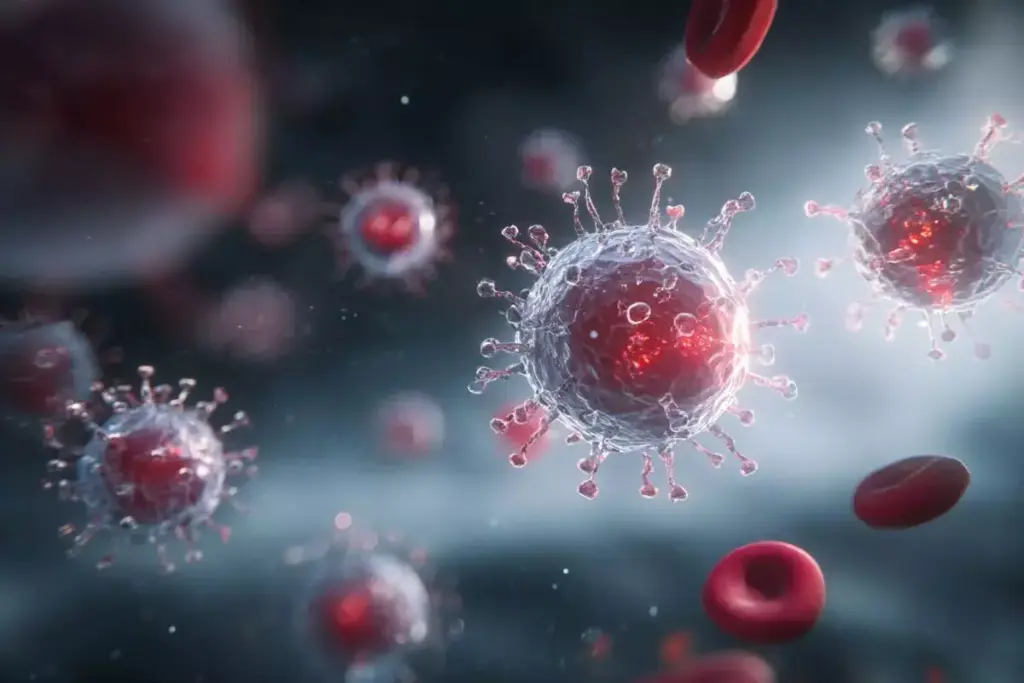
The HIV seroconversion period is a key time in the infection. It’s when the body starts to fight the virus. During this time, the body makes antibodies against HIV, which tests can detect.
Definition and Immune Response
Seroconversion is when the body makes antibodies against HIV. This is a big deal because it shows the body is trying to fight off the virus. The production of antibodies is a key indicator of HIV infection, and knowing about it is important for diagnosis and treatment.
Studies show that up to 80% of people with new HIV infections have symptoms. More than 60% have at least one symptom. These symptoms can feel like the flu or other viral infections.
Timeframe After Exposure
The time it takes for antibodies to show up after HIV exposure is usually a few weeks. Antibodies will be in your blood within one to two weeks and keep growing after that. This time is important for catching the infection early.
| Time After Exposure | Antibody Level | Symptoms |
| 1-2 weeks | Initial antibody production | Flu-like symptoms may appear |
| 2-4 weeks | Antibody levels increase | Symptoms may intensify or vary |
| 1-3 months | Antibody levels stabilize | Some individuals may remain asymptomatic |
Prevalence of Symptoms
Seroconversion often causes a flu-like illness. But, not everyone will have symptoms. Knowing the possible symptoms is key for early detection and treatment.
By knowing the signs of HIV seroconversion, people can get help quickly. This can help improve their health in the long run.
Common Symptoms During HIV Seroconversion
The early signs of HIV seroconversion can vary, but often feel like a flu. The body reacts to the virus in different ways.
Primary Flu-like Symptoms
Flu-like symptoms are common during HIV seroconversion. You might feel fever, swollen glands, muscle aches, and fatigue. These symptoms start within a month and usually go away in two to three weeks.
For more info on HIV symptoms, check out
Other symptoms include body rash, oral thrush, weight loss, joint pains, sore throat, and gastrointestinal symptoms. These can be different in how severe and long-lasting they are.
Lymphatic System Changes
HIV seroconversion also affects the lymphatic system. This system is key for fighting off infections. Swollen lymph nodes in the neck, armpits, or groin are common symptoms. These changes show how the body is reacting to the virus.
Knowing these symptoms is key for early HIV detection and treatment. Spotting the signs of HIV seroconversion helps people get medical help quickly. This is important for managing the condition well.
Additional Early Signs and Manifestations
There are other early signs of HIV seroconversion that people should know about. These signs can differ from person to person. They might not always seem related to HIV at first.
Skin Rashes and Dermatological Changes
Skin rashes or other skin changes can be early signs of HIV. These rashes can last for 2-3 weeks. They happen because the body is fighting the virus.
It’s important to remember that many things can cause skin rashes. But if you’ve been exposed to HIV, it’s worth checking.
Gastrointestinal Symptoms
Nausea, diarrhea, and stomach pain can also be early signs. The virus can make the stomach and intestines inflamed. If you have these symptoms and have been exposed to HIV, get tested.
Early HIV Symptoms in Men
Men might notice specific symptoms early on. These include night sweats, feeling very tired, and swollen lymph nodes. It’s important for men to know these signs and see a doctor if they happen.
When to Seek Medical Attention
If you’re not sure if your symptoms are from HIV, get tested right away. HIV testing is the only way to know for sure. Catching HIV early is key to managing it well.
| Symptom | Description | Duration |
| Skin Rashes | Dermatological changes due to immune response | 2-3 weeks |
| Gastrointestinal Issues | Nausea, diarrhea, abdominal pain | Varies |
| Night Sweats | Recurring sweats during sleep | Varies |
| Swollen Lymph Nodes | Inflammation of lymph nodes | Varies |
Conclusion: Importance of Early Detection
Knowing the early signs of HIV seroconversion is key for early diagnosis and treatment. The time between exposure and when antibodies show up is very important. During this time, people can spread HIV even without symptoms.
Spotting the first signs of HIV and understanding the timeline of seroconversion is vital. If you think you’ve been exposed to HIV, get tested and see a doctor right away. With the right treatment, people with HIV can live long, healthy lives.
We stress the need to understand the serconversion process and the dangers of zero conversion HIV. Early detection and treatment boost the quality of life for those with HIV. It also helps prevent the virus from spreading to others.
By staying informed and taking action, we can fight HIV’s spread and support those affected by it.
FAQ
What is HIV seroconversion?
HIV seroconversion is when your body starts making antibodies against HIV after you get infected. This often brings on symptoms like the flu or other viral infections.
What are the early signs of HIV seroconversion?
Early signs include flu-like symptoms and changes in the lymphatic system. You might also see skin rashes, stomach problems, and specific symptoms in men.
How soon after exposure do HIV seroconversion symptoms appear?
Symptoms can show up a few days to weeks after exposure. They usually start within 2-4 weeks.
What percentage of people experience symptoms during HIV seroconversion?
A big percentage, between 50% to 90%, of people get sick during this time.
Are HIV seroconversion symptoms the same for everyone?
No, symptoms can differ a lot from person to person. Some might not notice any symptoms at all.
What are the primary flu-like symptoms of HIV seroconversion?
Main flu-like symptoms are fever, headache, sore throat, and muscle aches. These are similar to flu symptoms.
Can HIV seroconversion symptoms be mistaken for other illnesses?
Yes, symptoms are often not specific and can be confused with other viral infections. It’s important to see a doctor if you think you’ve been exposed.
What changes occur in the lymphatic system during HIV seroconversion?
You might see swollen lymph nodes. This is the body’s immune response to the infection.
When should I seek medical attention for suspected HIV seroconversion?
You should see a doctor if you think you’ve been exposed to HIV or have symptoms that could be related to seroconversion.
Can early detection and treatment improve outcomes for HIV?
Yes, catching HIV early and treating it can greatly improve health outcomes. It reduces the risk of complications and passing it to others.
References
National Center for Biotechnology Information. Evidence-Based Medical Insight. Retrieved from https://pubmed.ncbi.nlm.nih.gov/12960819/