End-stage liver disease (ESLD) is the last stage of liver failure. The liver can’t work right because of too much scarring. This scarring, or cirrhosis, replaces healthy liver tissue and stops the organ from working well.
People with ESLD face serious problems. These include hepatic encephalopathy, bleeding from varices, and kidney issues. These issues make life very hard and need a lot of medical help.
Key Takeaways
- ESLD is the final stage of liver failure with irreversible cirrhosis.
- Severe cirrhosis replaces healthy liver tissue with scar tissue.
- Complications include hepatic encephalopathy and variceal hemorrhage.
- Comprehensive medical care is necessary for managing ESLD.
- Liver transplantation is often the only viable treatment option.
Understanding End-Stage Liver Disease (ESLD)
Understanding end-stage liver disease means knowing its causes and how it progresses. We’ll look at what ESLD is and how it affects patients’ futures.
Definition and Pathophysiology
ESLD is when the liver’s function drops to a very low level, often due to cirrhosis. Cirrhosis is scarring of the liver from diseases like hepatitis or too much alcohol. This scarring replaces healthy liver tissue, reducing its function.
The liver is key for detoxifying, making proteins, and creating digestive enzymes. In ESLD, the liver can’t do these jobs well. This leads to toxin buildup and protein shortages.
Transition from Compensated to Decompensated Cirrhosis
When cirrhosis gets worse, patients start showing signs like ascites, variceal hemorrhage, and hepatic encephalopathy. These signs mean they have ESLD. UCSF Liver Source says getting ascites is a big warning sign, with a 50 percent chance of dying within two years.
Decompensated cirrhosis means the liver can’t keep up with the damage anymore. This stage is very serious, leading to a lot of sickness and death. It’s why doctors often talk about liver transplants for these patients.
The last stages of liver disease bring on bad symptoms like jaundice, tiredness, and confusion. Helping patients manage these symptoms and improve their life quality is very important.
What Stage of Liver Disease is Ascites?
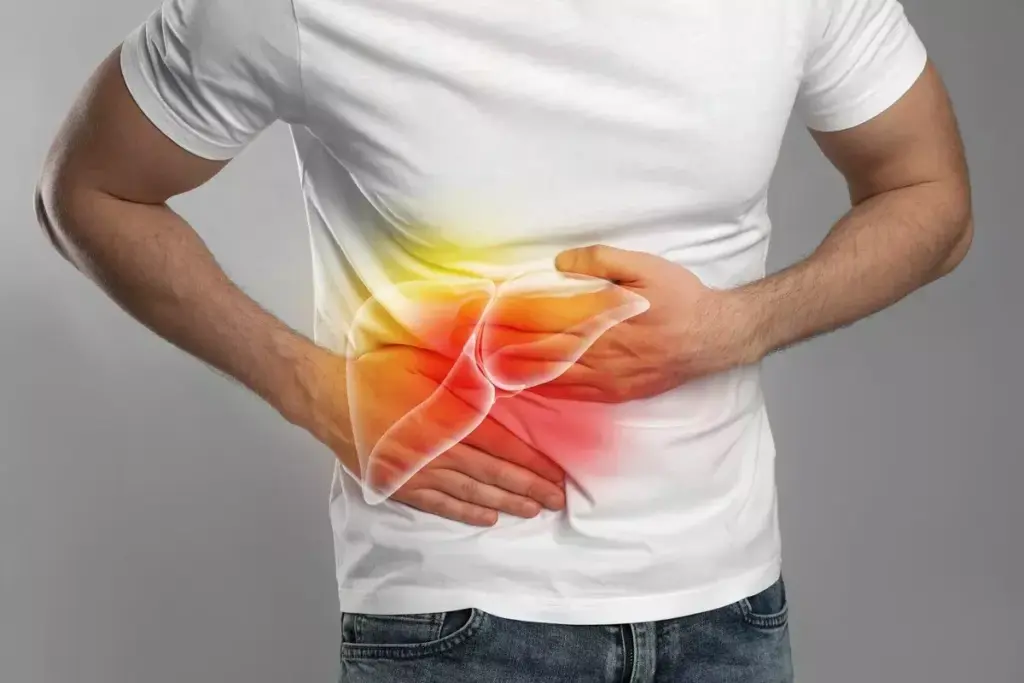
Ascites is a sign of severe liver disease, often seen in decompensated cirrhosis. It means the liver can’t work right, causing fluid to build up in the belly.
Ascites as a Marker of Decompensation
When ascites appears, it shows cirrhosis has moved to a worse stage. Decompensated cirrhosis also includes other serious problems like bleeding and brain issues.
Fluid builds up in the belly due to high blood pressure, low albumin, and sodium issues. This fluid can cause pain, breathing trouble, and a risk of infection.
Other Major Complications of ESLD
ESLD also brings other big problems, like:
- Hepatic Encephalopathy: This is when the brain gets confused, from mild to severe.
- Variceal Hemorrhage: Bleeding from high blood pressure in the veins of the stomach or esophagus.
- Spontaneous Bacterial Peritonitis: An infection in the belly fluid without a clear cause.
These issues make life harder and lower the chance of survival for ESLD patients.
Prognosis and Mortality Rates
Having ascites means a 50 percent chance of dying within two years. The liver’s health, how bad the ascites is, and other problems affect the outlook.
Managing ESLD complications needs a full plan, including diet, medicine, and sometimes removing fluid. Liver transplant might be an option too.
Early action and treatment are key to fighting ESLD. Timely liver transplant referrals are also vital for those who might benefit.
Recognizing Final Stage Symptoms and Management
As patients reach the final stages of liver failure, it’s key to spot the symptoms early. Symptoms of end-stage liver disease (ESLD) can be severe and affect a person’s life quality a lot.
Common Physical Symptoms
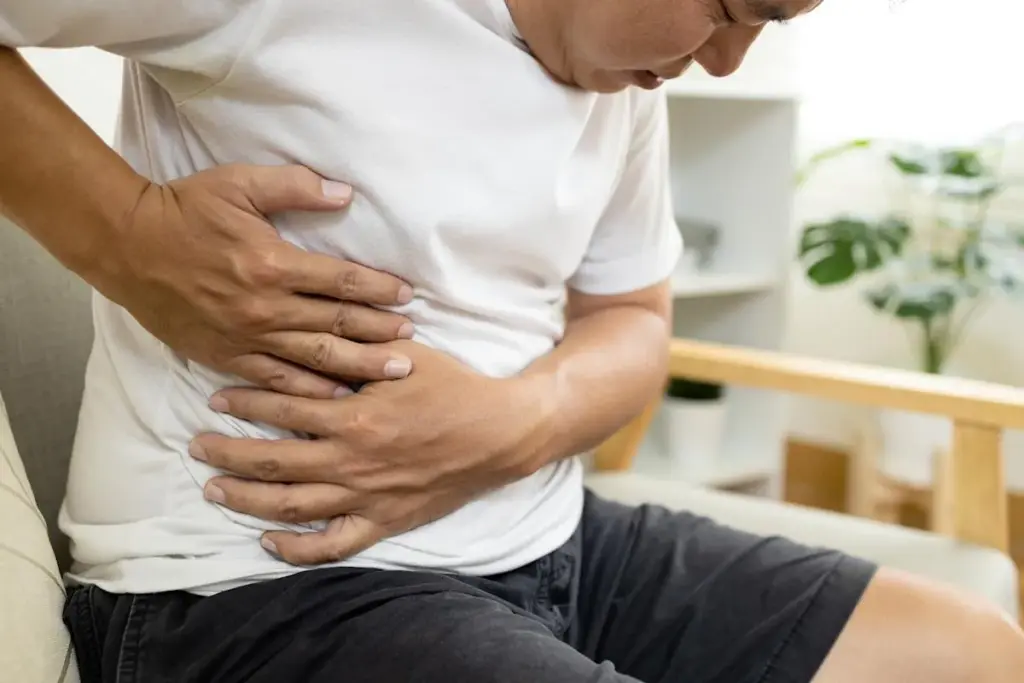
ESLD patients often face symptoms like jaundice, which turns skin and eyes yellow. They also feel severe weakness and lethargy and weight loss. Many also deal with persistent nausea and vomiting, which worsens malnutrition and dehydration.
Other symptoms include abdominal distention and pain from ascites, lower-extremity edema, and dyspnea or shortness of breath. These symptoms make patients uncomfortable and can cause emotional pain.
Palliative Care and Liver Transplantation
Palliative care is vital in managing ESLD symptoms and improving life quality. Our team works with patients and families to meet their physical, emotional, and spiritual needs. We provide support all along the disease path.
Liver transplantation is the only cure for some ESLD patients. But, deciding on a transplant involves looking at many factors. These include the patient’s health, any other health issues, and how well they might recover after the transplant.
For those not getting a transplant, palliative care is key. It helps manage symptoms and ensures the best life quality. We focus on each patient’s unique needs and preferences.
Conclusion
End-stage liver disease (ESLD) is a serious condition that needs quick medical help. We talked about the signs of cirrhosis getting worse and how ESLD affects patients.
It’s key to spot these signs early. This way, patients can get the care they need sooner. They might get palliative care or even a liver transplant.
Helping patients with ESLD live better is our goal. We aim to give top-notch care to patients from around the world. This matches our company’s mission.
Dealing with cirrhosis at its worst needs a team effort. Knowing how to handle ESLD’s problems helps us support patients better. This way, we can help them through the tough times.
FAQ
What is end-stage liver disease (ESLD)?
ESLD is a serious condition where the liver is severely damaged. It happens when healthy liver tissue is replaced by scar tissue. This leads to the liver not working well enough.
What are the complications associated with ESLD?
ESLD can lead to several serious problems. These include ascites, hepatic encephalopathy, and variceal hemorrhage. These issues show that the liver is failing.
What is the role of ascites in ESLD?
Ascites is a sign that ESLD has worsened. It shows the liver’s function has dropped significantly. This is a bad sign for the patient’s future.
What are the common physical symptoms of final-stage ESLD?
Symptoms of final-stage ESLD include jaundice and weakness. Patients may also have an enlarged abdomen and other signs of liver problems.
How is ESLD managed?
Managing ESLD focuses on improving the patient’s quality of life. This includes palliative care to ease symptoms. For some, liver transplantation is an option.
What is the prognosis for patients with ESLD?
Patients with ESLD face a poor outlook. High mortality rates are linked to complications like variceal hemorrhage and hepatic encephalopathy.
Can ESLD be treated with liver transplantation?
Yes, liver transplantation is a treatment for ESLD. It can improve survival and quality of life. But, it depends on certain criteria.
What is the difference between compensated and decompensated cirrhosis?
Compensated cirrhosis means the liver can function somewhat normally despite scarring. Decompensated cirrhosis shows significant liver failure with complications like ascites and variceal hemorrhage.
What are the final stages of liver failure symptoms?
Symptoms of final-stage liver failure include severe jaundice and confusion. Abdominal distention is also common. These signs show a major decline in liver function.
How does palliative care support patients with ESLD?
Palliative care helps patients with ESLD by managing symptoms and pain. It improves their quality of life. It addresses their physical, emotional, and social ne