
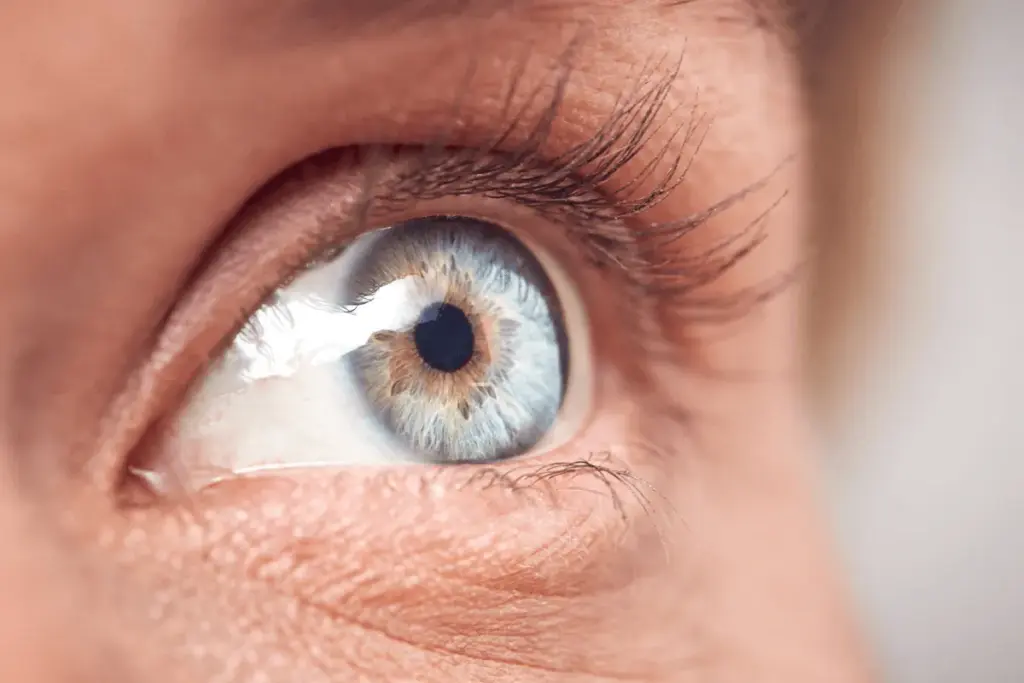
Glaucoma is often called the “silent thief of sight.” It’s a serious eye problem that affects millions worldwide. If not caught early, it can lead to permanent blindness. Early detection through eye exams is key because it often shows no signs in its early stages.
The first signs of glaucoma can be hard to spot. They might include losing peripheral vision or trouble seeing in dim light. As it gets worse, people may see blurry vision, halos around lights, or eye pain when light hits it. The most common type, open-angle glaucoma, starts slowly with few symptoms.
Key Takeaways
- Glaucoma is a leading cause of irreversible blindness worldwide.
- Early detection is critical to prevent significant vision loss.
- Comprehensive eye exams are essential for detecting glaucoma early.
- The first signs of glaucoma can be subtle and may include loss of peripheral vision.
- Regular eye exams can help catch glaucoma before significant harm occurs.
Why Glaucoma Is Called the Silent Thief of Sight
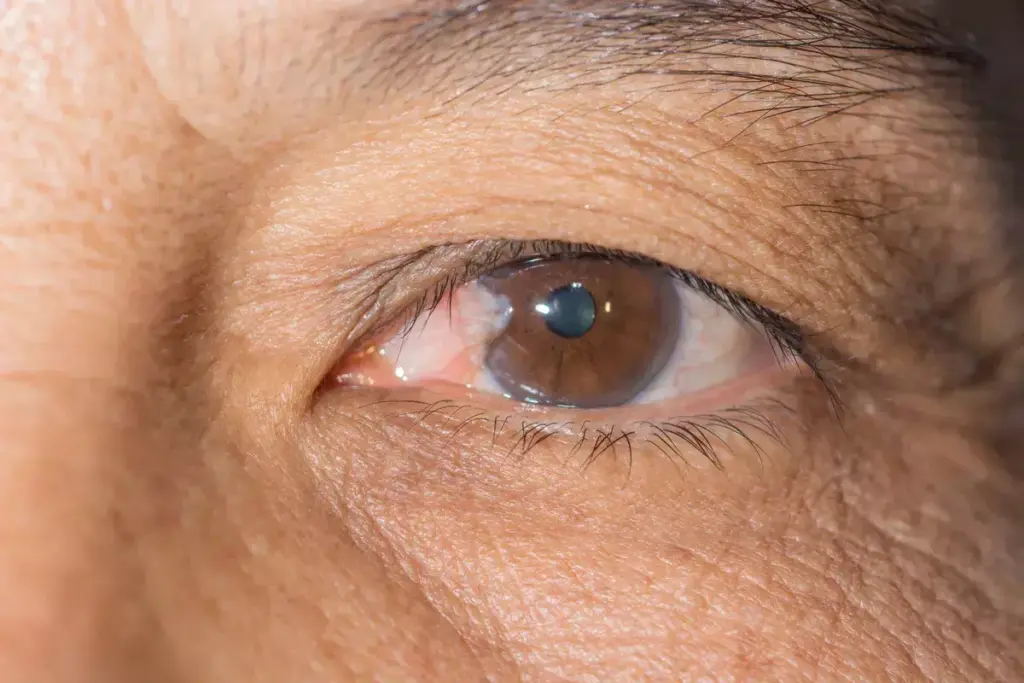
Glaucoma is known as the ‘silent thief of sight’ because it can cause permanent vision loss without any early signs. This condition can get worse before anyone notices, making it hard for both patients and doctors.
The Dangerous Absence of Early Symptoms
One of the biggest worries about glaucoma is that it often doesn’t show symptoms in the beginning. Damage to the optic nerve can start quietly, without any obvious changes in vision or pain. This means about 50 percent of people with glaucoma don’t know they have it.
Because there are no early symptoms, getting regular eye exams is key to catching glaucoma early. Cutting-edge diagnostic techniques can spot glaucoma before it causes lasting damage. This shows how important it is to take care of your eyes ahead of time.
- Glaucoma can cause irreversible vision loss.
- Early stages are typically asymptomatic.
- Regular eye exams are critical for early detection.
Normal Pressure Glaucoma: A Hidden Threat
Normal pressure glaucoma, or normal-tension glaucoma, is a type where the intraocular pressure is normal. Yet, the optic nerve can keep getting damaged, hiding a risk to vision.
Studies on normal pressure glaucoma show that other things, like vascular health and genetic predisposition, play a big role. Knowing about these factors helps in managing the condition better.
Learning why glaucoma is called the ‘silent thief of sight’ helps people take steps to protect their vision. Being aware and educated is vital in fighting against this serious eye disease.
Signs and Symptoms of Glaucoma in Humans
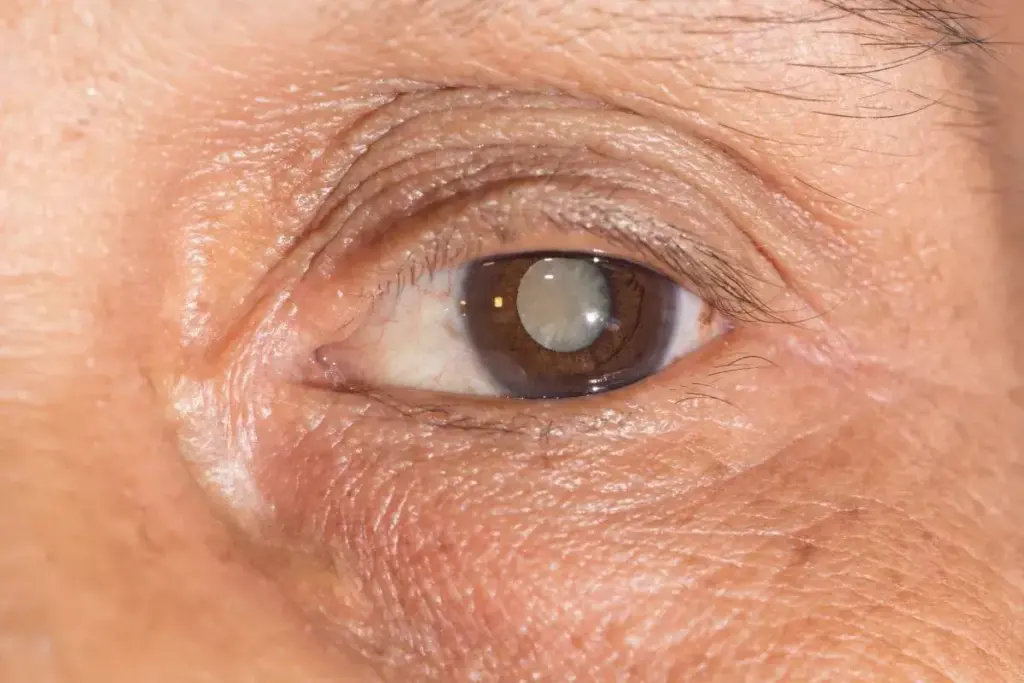
It’s important to know the signs of glaucoma to protect your vision. Glaucoma is a group of eye conditions that harm the optic nerve. It often shows no symptoms until it’s too late. Knowing the signs can help you get medical help early.
Open-Angle Glaucoma: The Most Common Form
Open-angle glaucoma is the most common type. It causes a slow loss of side vision. This happens when the eye’s fluid doesn’t drain right, raising eye pressure. Early detection is key to slow or stop vision loss.
Symptoms of open-angle glaucoma are often subtle. They may include:
- Gradual loss of peripheral (side) vision
- Difficulty seeing in low light or at night
- Eye fatigue, after long screen time or reading
- Slight blurriness or haziness in vision
Progressive Symptoms as Glaucoma Advances
As glaucoma gets worse, symptoms get clearer. People may see:
- Blurred vision and halos around lights
- Increased sensitivity to glare
- Trouble adjusting to different lighting
- Eye discomfort when exposed to light
Early detection can greatly change the disease’s course. It helps keep your vision and quality of life better.
Glaucoma Symptoms in One Eye Versus Both Eyes
Glaucoma can hit one or both eyes. Symptoms can differ between people. It’s important to watch both eyes closely, as they may progress at different rates.
| Symptom | One Eye | Both Eyes |
| Blurred Vision | May occur in one eye, potentially leading to noticeable differences between the two eyes | Can affect both eyes, potentially causing more pronounced vision problems |
| Peripheral Vision Loss | Can be asymmetric, causing uneven peripheral vision | Typically affects both eyes, though not always symmetrically |
Knowing the signs of glaucoma is the first step to protect your vision. Regular eye exams are key for early detection, for those at risk. By being aware and proactive, you can lower the risk of vision loss from glaucoma.
Conclusion: The Critical Importance of Comprehensive Eye Exams
Protecting your vision is a luxury worth investing in. Comprehensive eye exams are the key to unlocking a lifetime of healthy sight. These exams check intraocular pressure, assess the optic nerve, and include visual field tests. They can spot signs of glaucoma before you even notice symptoms.
If you’re experiencing glaucoma symptoms in one eye or both, or are concerned about glaucoma in eye symptoms, a comprehensive eye exam can provide peace of mind. Residents of Smyrna can rest assured that regular check-ups can help detect glaucoma symptoms early. This can prevent side effects of glaucoma that can impact daily life.
Don’t wait until it’s too late – schedule a comprehensive eye exam today. Take the first step towards safeguarding your vision. With early detection, you can preserve your sight and enjoy a lifetime of radiant, healthy eyes.
FAQ
What is usually the first sign of glaucoma?
The first sign is often subtle loss of peripheral (side) vision, which may go unnoticed initially.
Does glaucoma cause blurry vision?
Yes, glaucoma can cause blurry vision, especially in later stages or during acute attacks.
What are the symptoms of glaucoma in one eye versus both eyes?
Glaucoma may affect one or both eyes; symptoms like peripheral vision loss may start in one eye but often progress to both over time.
What is the earliest sign of glaucoma?
The earliest sign is usually gradual narrowing of peripheral vision without pain or noticeable changes.
Can glaucoma cause blurry vision and eye pressure?
Yes, some types, especially acute angle-closure glaucoma, can cause blurry vision, eye pain, halos around lights, and elevated eye pressure.
What are the signs and symptoms of glaucoma?
Signs include peripheral vision loss, blurred vision, eye pain, headaches, halos around lights, and, in severe cases, tunnel vision.
How does open-angle glaucoma progress?
Open-angle glaucoma progresses slowly, starting with peripheral vision loss and eventually affecting central vision if untreated.
What are the benefits of early detection of glaucoma?
Early detection allows timely treatment to lower eye pressure, prevent optic nerve damage, and preserve vision.
References
National Center for Biotechnology Information. Evidence-Based Medical Insight. Retrieved from https://pmc.ncbi.nlm.nih.gov/articles/PMC8465972/



 Departments
 Related Videos
 Our Doctors
 News
News