

Understanding the causes of Type 2 diabetes is key to preventing and treating it. Recent studies have shown that the risk of getting this disease is much more complex. It involves over 600 genetic regions.
At Liv Hospital, we use the latest in personalized medicine to help patients. We look at how genetic predisposition and environment interact. This helps us give each patient the right advice for a healthier life.
Key Takeaways
- Recent studies have identified over 600 genetic regions associated with Type 2 diabetes risk.
- The condition is recognized as a complex polygenic disorder.
- Understanding genetic predisposition can aid in prevention and personalized treatment.
- Liv Hospital leverages cutting-edge genetic science for patient care.
- Personalized medicine offers tailored guidance for managing Type 2 diabetes risk.
Understanding the Genetic Factors of Type 2 Diabetes
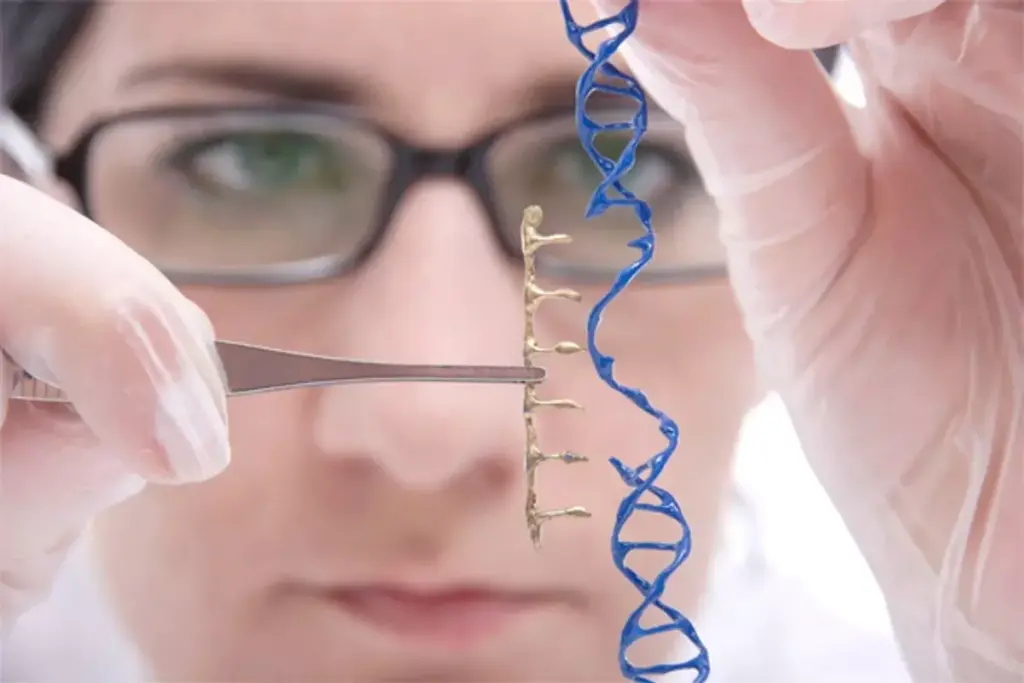
Type 2 diabetes is a complex condition. It’s caused by genetics, environment, and metabolism. The disease makes it hard for the body to use insulin properly, leading to high blood sugar.
The Complex Polygenic Architecture of the Disease
Type 2 diabetes is a polygenic disorder. This means many genes play a role in it. These genes affect how the body handles glucose and insulin.
Many genetic variants contribute to type 2 diabetes. Recent studies have found many genes linked to the disease. Understanding these genes helps us grasp the disease better.
| Gene Variant | Function | Impact on Disease Risk |
| TCF7L2 | Transcription factor involved in glucose metabolism | Increased risk of type 2 diabetes |
| PPARG | Nuclear receptor regulating glucose and lipid metabolism | Influences insulin sensitivity |
| KCNJ11 | Potassium channel subunit involved in insulin secretion | Affects pancreatic beta-cell function |
How Genetics Interacts with Environment and Metabolism
Genetics isn’t the only factor in type 2 diabetes. Environment and metabolism also play a big role. Things like diet and exercise can affect disease risk.
Genes and environment work together. For example, genes that affect insulin sensitivity can be worsened by a bad diet. This increases the risk of type 2 diabetes.
It’s important to understand how genes, environment, and metabolism interact. This knowledge helps us find better ways to prevent and treat type 2 diabetes.
Major Genetic Variants and Their Impact on Disease Risk

Recent studies have found several major genetic variants linked to Type 2 diabetes risk. These genetic factors are key in figuring out who might get the disease.
TCF7L2: The Most Significant Genetic Risk Factor
The TCF7L2 gene variant is the biggest risk factor for Type 2 diabetes. It affects a protein that helps control glucose levels. People with this variant are more likely to face insulin resistance and Type 2 diabetes.
PPARG and Its Role in Insulin Sensitivity
The PPARG gene is important for insulin sensitivity. It codes for a receptor that helps manage insulin levels. Changes in the PPARG gene can improve insulin sensitivity, making it a promising area for diabetes treatment.
KCNJ11 Variants and Pancreatic Function
Changes in the KCNJ11 gene, which is part of a potassium channel, are linked to Type 2 diabetes. These changes can harm how the pancreas makes insulin, raising the risk of getting the disease.
Knowing how these genetic variants affect disease risk is vital. It helps in creating better treatments and prevention strategies for Type 2 diabetes.
Family History, Heritability, and Inheritance Patterns
Family history is key in figuring out if someone might get Type 2 diabetes. The disease’s genetics are complex and family factors play a big role. It’s important to know how genetics affect Type 2 diabetes.
The Significance of Family History in Type 2 Diabetes Risk
People with a family history of Type 2 diabetes are at higher risk. Studies say genetics account for about 69% of the risk for those 35-60. This shows genetics are a big part of Type 2 diabetes risk.
Key factors that contribute to the increased risk include:
- A family history of Type 2 diabetes, mainly in first-degree relatives
- Genetic variants linked to higher Type 2 diabetes risk
- Environmental factors shared in families that lead to insulin resistance and metabolic syndrome
Understanding Inheritance: Is Type 2 Diabetes Dominant or Recessive?
Type 2 diabetes doesn’t follow a simple dominant or recessive pattern. It’s influenced by many genetic variants and environmental factors. This makes it a polygenic disorder. Predicting risk based on family history alone is hard.
Research has found several genetic variants linked to Type 2 diabetes risk. For example, changes in the TCF7L2 gene increase disease risk. Knowing these genetic factors helps assess risk and guide prevention.
Type 2 diabetes is caused by both genetics and environment. Family history is a big risk factor, but not the only one. Lifestyle, like diet and exercise, also matters a lot.
Understanding family history and Type 2 diabetes’s complex genetics helps doctors. They can spot at-risk individuals and start preventive actions.
Conclusion
Understanding the genetic factors behind Type 2 diabetes is key. It helps in early detection and finding new treatments. The disease is caused by many genetic variants working together with lifestyle and metabolic factors.
Genetic tests for Type 2 diabetes can show who is at high risk. A Venn diagram shows how Type 1 and 2 diabetes are different. It points out the unique genetic causes of Type 2 diabetes.
Genetics play a big role in Type 2 diabetes. Knowing this, doctors can create treatment plans that fit each patient’s needs.
As we learn more about genetics and Type 2 diabetes, genetic testing could change how we manage the disease. This knowledge helps people take charge of their health. It also lowers the risk of serious problems linked to Type 2 diabetes.
FAQ
What is the role of genetics in Type 2 diabetes?
Genetics influence susceptibility to insulin resistance, beta-cell dysfunction, and glucose metabolism, increasing the risk of type 2 diabetes.
Is Type 2 diabetes a dominant or recessive condition?
Type 2 diabetes is polygenic, not a simple dominant or recessive trait, involving multiple genes and environmental factors.
What are the major genetic variants associated with Type 2 diabetes risk?
Variants in genes like TCF7L2, PPARG, KCNJ11, and FTO are linked to increased type 2 diabetes risk.
How does family history influence Type 2 diabetes risk?
Having first-degree relatives with type 2 diabetes doubles to quadruples your risk due to shared genes and lifestyle factors.
Can genetic testing inform Type 2 diabetes risk and management?
Genetic testing can indicate susceptibility, but lifestyle and clinical monitoring remain essential for prevention and management.
How do environmental factors interact with genetics to influence Type 2 diabetes risk?
Diet, obesity, physical activity, and stress can amplify genetic risk, leading to earlier onset or more severe disease.
What is the significance of TCF7L2 in Type 2 diabetes?
TCF7L2 variants are strongly linked to impaired insulin secretion and higher susceptibility to type 2 diabetes.
How do genetic variants affect insulin sensitivity and pancreatic function?
Certain variants reduce insulin sensitivity or impair beta-cell insulin production, contributing to hyperglycemia and type 2 diabetes development.
References
National Center for Biotechnology Information. Evidence-Based Medical Insight. Retrieved from https://pmc.ncbi.nlm.nih.gov/articles/PMC8465972/