The KP.3 COVID variant is spreading worldwide. It’s important to know its symptoms for both patients and doctors. This variant, from the FLiRT family, is now the main strain in the US.
Spotting the symptoms of this variant helps in getting tested and treated quickly. At Liv Hospital, we focus on our patients. We use the latest medical knowledge to help them the best way we can.
It’s key to know the symptoms of the KP.3 variant to fight the virus and care for people. We aim to give top-notch healthcare. We also offer full support to patients from abroad.
Key Takeaways
- The KP.3 variant is part of the FLiRT family and has become predominant in the US.
- Recognizing KP.3 symptoms is key for quick testing and treatment.
- Liv Hospital provides patient-centered care with the latest medical knowledge.
- Understanding KP.3 symptoms helps in managing the spread of the virus.
- We are committed to delivering world-class healthcare for international patients.
Understanding the KP.3 COVID Variant

Fighting COVID-19 means knowing about the KP.3 variant. It’s part of the FLiRT family, a big deal in the pandemic’s story.
Origin and Classification in the FLiRT Family
The KP.3 variant comes from the JN.1 lineage. This has helped it spread fast. Experts say the FLiRT family, including KP.3, is very contagious.
“The rise of KP.3 and its sublineages shows the virus can change and adapt,” says a top epidemiologist. This change worries health experts a lot.
The Rise of KP.3.1.1 Sublineage in the United States
In the U.S., KP.3.1.1 is the main strain. This change is big in the COVID-19 world.
The KP.3.1.1 symptoms are watched closely by health teams. They help us understand how bad the variant is. The symptoms are like before, but there are some new things to notice.
As we deal with the pandemic, knowing about KP.3 and its sublineages is key. It helps us make better health plans.
KP.3 COVID Variant Symptoms You Should Know
As we deal with the changing COVID-19 situation, knowing the symptoms of the KP.3 variant is key. This variant, part of the FLiRT family, shows a variety of symptoms we need to spot.
Primary Symptoms
The main symptoms of the KP.3 COVID variant are fever, cough, and fatigue. These signs are common in many respiratory infections, like COVID-19. A fever is often the first sign, showing the body is fighting the infection.
A cough that lasts and feeling very tired usually come with the fever. These signs mean the body is battling the virus.
Additional Reported Symptoms
People with the KP.3 variant also report other symptoms. These include loss of taste or smell, brain fog, upset stomach, sore throat, congestion, body aches, gastrointestinal issues, and chills. These symptoms show how complex COVID-19 can be and why we need full care.
The severity and how long these symptoms last can differ a lot. Some might have mild symptoms, while others face more serious ones. Spotting these symptoms early can help get better care sooner.
We must stay alert and know about the KP.3 COVID variant symptoms to keep ourselves and others safe. By knowing what to look for, we can act fast to get medical help when needed.
How KP.3 Compares to Previous COVID Variants
Looking at KP.3 compared to earlier COVID-19 variants gives us key insights. It shows how the virus has changed and what we need to do to fight it. Knowing these differences helps us find better ways to deal with the virus.
Benign Nature of KP.3
KP.3 is seen as less harmful than some earlier variants. Research shows it causes milder symptoms in many people. This might be because of changes in the virus and more people being immune thanks to vaccines and past infections.
The exact reasons for KP.3’s mild nature are being studied. It seems to follow a pattern of becoming less severe but more spreadable. This is different from earlier, more serious but less contagious variants.
Symptom Severity and Duration
KP.3’s symptoms and how long they last are important to understand. It has a shorter incubation period, like its cousin KP.3.1.1. Some say it’s as short as 1-2 days. But, this can change based on things like if you’ve been vaccinated and your overall health.
KP.3 usually causes mild to moderate symptoms. These include fever, cough, and fatigue. These symptoms are common in many COVID-19 variants. They also don’t last as long as in earlier, more serious strains.
| Variant | Incubation Period | Symptom Severity | Duration of Symptoms |
| KP.3 | 1-2 days | Mild to Moderate | 3-5 days |
| Previous Variants | 2-5 days | Moderate to Severe | 5-7 days |
Effectiveness of Current Testing Methods
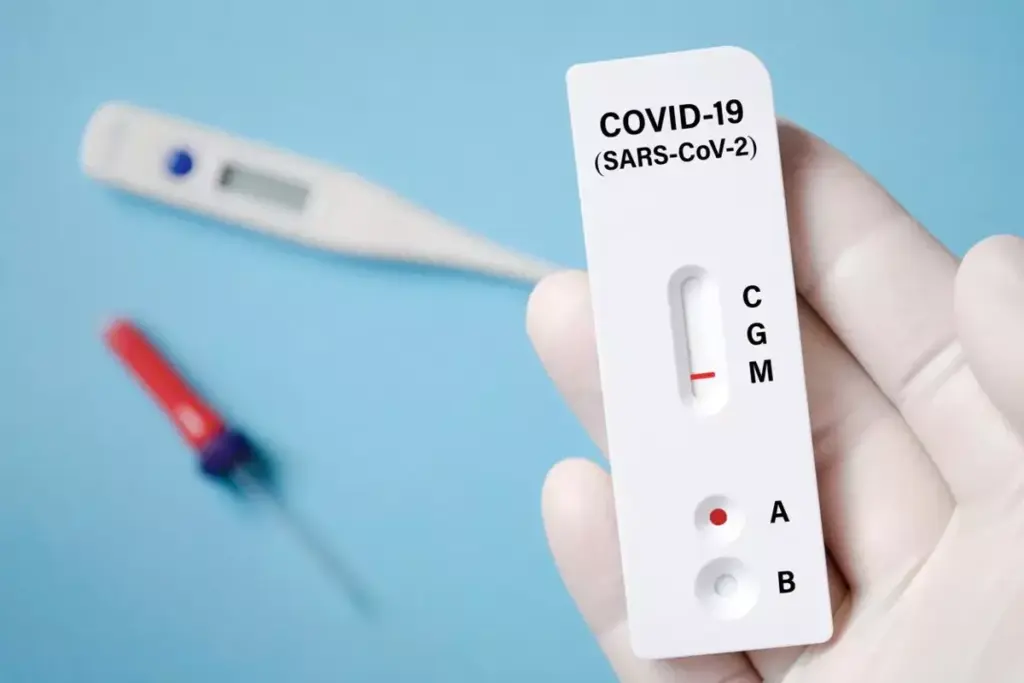
Managing KP.3 depends on how well our tests work. Fortunately, PCR and at-home antigen tests can detect KP.3 well. This is good because it means we can find and handle cases effectively.
These tests work because KP.3 has genetic and antigenic markers that current tests can spot. It’s important to keep watching and improving our tests as the virus changes.
Conclusion: What to Do If You Experience KP.3 Symptoms
If you’re feeling sick with symptoms like fever, cough, or fatigue, act fast. It’s important to protect yourself and others. Getting vaccinated against COVID-19 is a good first step. The latest COVID variants can be managed with current vaccines.
Stay home if you’re feeling sick to stop the virus from spreading. Follow CDC guidelines for staying isolated. Also, improve your home’s air to lower the chance of passing on the virus. Wearing a high-quality mask, like an FFP2 or N95, can greatly reduce your risk.
By being careful and informed, you can lower your chance of getting and spreading KP.3. Remember, avoiding infection helps prevent Long COVID, which can harm your health for a long time.
FAQ
What are the primary symptoms of the KP.3 COVID variant?
The main symptoms of the KP.3 COVID variant are fever, cough, and feeling tired. These are similar to symptoms seen in other COVID-19 variants.
Are there any additional symptoms reported for the KP.3 COVID variant?
Yes, people with the KP.3 variant may also have other symptoms. These can differ from person to person.
How does the KP.3 COVID variant compare to previous variants in terms of symptom severity?
The KP.3 variant is generally milder than some earlier COVID-19 variants. Many people only have mild to moderate symptoms.
Can current COVID-19 testing methods detect the KP.3 variant?
Yes, current tests can find the KP.3 variant. They help diagnose people who might be infected.
What should I do if I experience symptoms of the KP.3 COVID variant?
If you have symptoms of the KP.3 COVID variant, follow public health advice. This might mean staying isolated, getting medical help, and testing for COVID-19.
Is vaccination effective against the KP.3 COVID variant?
Vaccination is key in fighting COVID-19, including the KP.3 variant. We advise keeping up with the latest vaccination advice.
What is the incubation period for the KP.3.1.1 sublineage?
The incubation period for the KP.3.1.1 sublineage is similar to other COVID-19 variants. But, the exact time can vary.
Are there any specific treatments available for the KP.3 COVID variant?
Treatment for the KP.3 COVID variant usually follows standard COVID-19 care. This might include antiviral drugs, supportive care, and other treatments as needed.