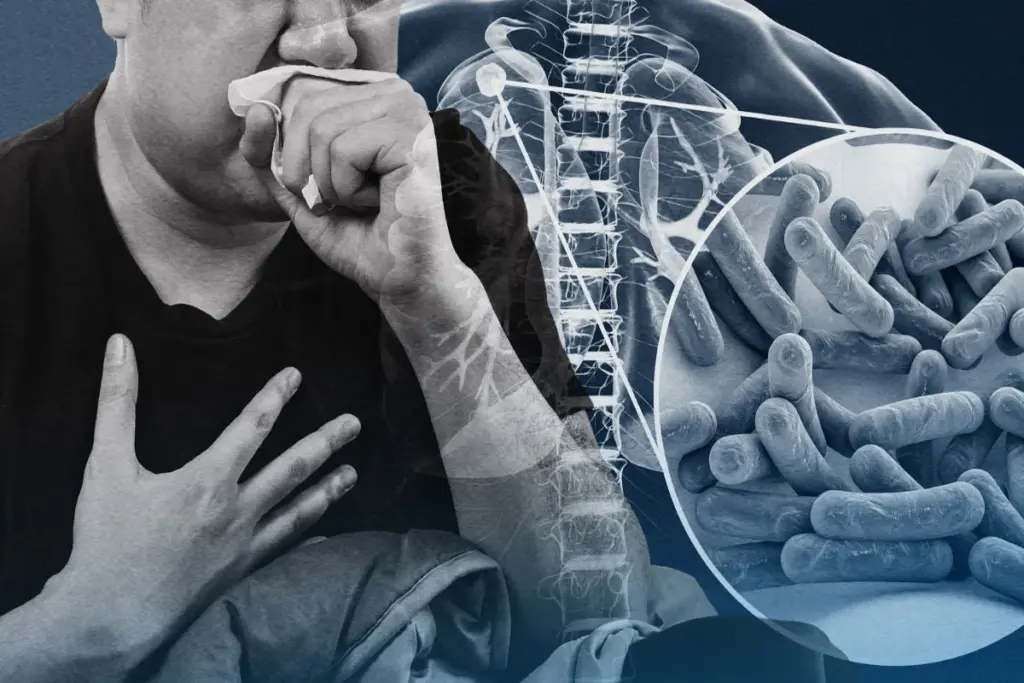
Tuberculosis, also known as consumption, has been a major health issue for centuries. It was once called phthisis pulmonalis and the white death. Today, it’s a serious threat to health worldwide.
At Liv Hospital, we focus on advanced care for TB patients. Our team uses the latest research and follows strict ethical standards. We aim to provide the best preventive and curative health services.
Tuberculosis mainly hits the lungs and is caused by Mycobacterium tuberculosis bacteria. Knowing its history and current effects is key to managing and treating it effectively.
Key Takeaways
- Tuberculosis is historically known by several names, including consumption and phthisis pulmonalis.
- Liv Hospital provides advanced care for TB patients using the latest academic protocols.
- TB is a serious global health concern that mainly affects the lungs.
- Early identification and management of TB are vital for effective treatment.
- Liv Hospital is committed to delivering patient-centered care with strong ethical standards.
Understanding Tuberculosis: A Historical Perspective

Tuberculosis, one of the oldest diseases known, has a long history. It has been found in ancient Egyptian mummies, showing it’s been around for thousands of years.
Over time, TB has been called many names. In ancient Greece, it was “phthisis pulmonalis,” showing its lung damage. In the 19th century, it was called “consumption,” because it made people weak and thin.
The White Death Disease Through History
It was also called “the white death,” because TB made people pale. This name made it different from the “black death,” or bubonic plague. The “white death” name showed TB’s deadly and widespread nature.
Different Names for Tuberculosis
Throughout history, TB has had many names. For example, “consumption” was common in the 19th century. These names show TB’s complex nature and its big impact on society and culture. Learning about TB’s history helps us fight it today.
Looking at TB’s history helps us understand how it has changed and how we’ve learned about it. Knowing its history is key to beating TB in the future.
Signs and Symptoms of Consumption
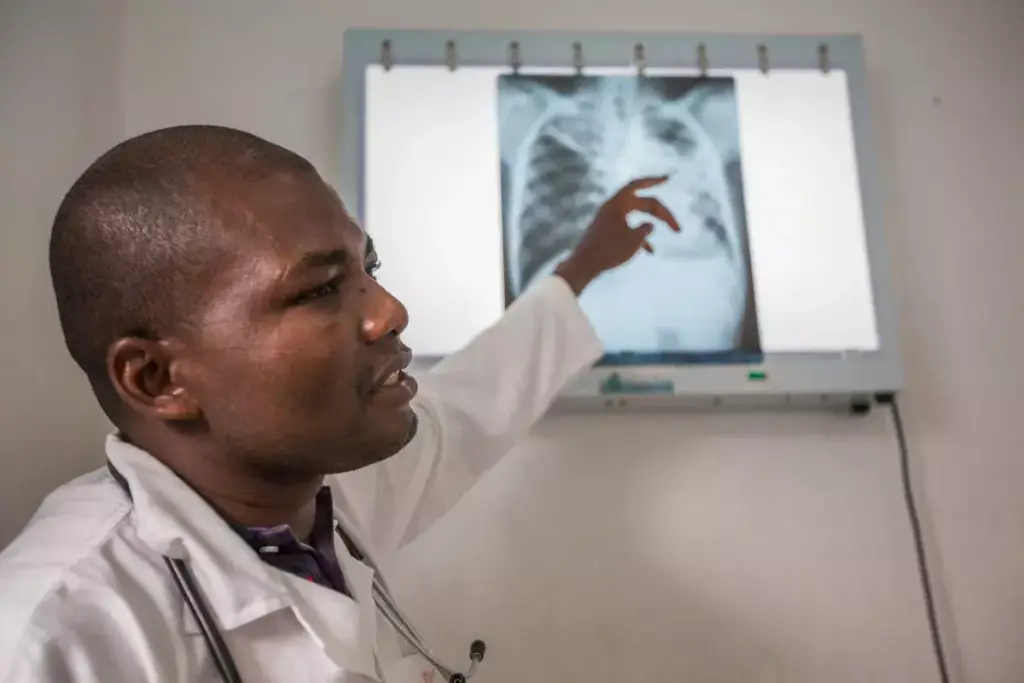
Tuberculosis, or consumption, shows many symptoms. These can be in the lungs or affect the whole body. Knowing these symptoms helps doctors treat TB better.
Common Respiratory Symptoms
The symptoms of TB in the lungs are often the first signs. They can really hurt a person’s life quality. Common symptoms include:
- A persistent cough that lasts for weeks or months
- Coughing up blood or mucus
- Chest pain or discomfort when breathing or coughing
These happen because TB mainly hits the lungs. It causes inflammation and damage. Spotting these symptoms early is key for quick action.
Systemic Symptoms
TB can also cause symptoms that affect the whole body. These symptoms include:
- Fever
- Night sweats
- Unintentional weight loss
- Fatigue or tiredness
These symptoms come from the body fighting TB. They can be hard to spot because they look like other illnesses.
Latent vs. Active TB Infection
It’s important to know the difference between latent and active TB. Latent TB means the bacteria are there but not causing symptoms. Active TB means the bacteria are growing and causing symptoms, making the person sick.
People with latent TB can get active TB if their immune system gets weaker. It’s vital to treat latent TB to stop it from becoming active. Active TB needs quick treatment to stop it from spreading.
Causes and Transmission of Tuberculosis
At the heart of the tuberculosis epidemic is Mycobacterium tuberculosis, the microorganism that leads to this serious health issue. Tuberculosis is a complex disease caused by the bacterium Mycobacterium tuberculosis. It mainly affects the lungs.
The Causative Agent: Mycobacterium Tuberculosis
Mycobacterium tuberculosis is a pathogenic bacterium in the genus Mycobacterium. It grows slowly and can live inside host cells. This makes it hard to fight.
How Tuberculosis Spreads
Tuberculosis spreads through the air when people with active TB cough, sneeze, speak, or sing. They release tiny airborne droplets with the bacteria.
It’s important to know that TB isn’t spread by touching or sharing items. It’s spread by inhaling these airborne droplets.
Global Statistics and Impact
Recent data shows over 10.7 million people got TB in 2024 worldwide. About 1.23 million died from it.
These numbers show how big of a problem TB is globally. They highlight the need for more work in prevention, diagnosis, and treatment.
Conclusion: Diagnosis, Treatment and Prevention
Knowing the signs of consumption, or tuberculosis (TB), is key for early treatment. At Liv Hospital, we focus on caring for TB patients. This includes diagnosing, treating, and preventing the disease.
Diagnosing TB involves tests like the tuberculin skin test and interferon-gamma release assay. Treatment needs several antibiotics for a long time. TB is also known as tuberculosis, a disease with a long history.
Preventing TB is vital. This includes screening at-risk groups and using the BCG vaccine. We stress the importance of these steps to stop TB from spreading. Our goal is to offer top-notch healthcare to patients worldwide.
We are committed to supporting TB patients fully. Our aim is to provide quality medical care globally. We want to improve our patients’ health and ensure they get the best care for TB.
FAQ
What is tuberculosis also known as?
Tuberculosis is also known as consumption, phthisis pulmonalis, and the white death. These names have been used historically to describe the disease.
What are the common symptoms of tuberculosis?
Symptoms of tuberculosis include coughing, chest pain, and coughing up blood. It also causes fatigue, weight loss, and fever.
What is the difference between latent and active TB infection?
Latent TB means the bacteria are in the body but no symptoms show. The person is not contagious. Active TB means the bacteria are multiplying, causing symptoms and can spread.
How is tuberculosis transmitted?
TB is spread through the air when someone with active TB coughs, sneezes, or talks. Droplets with Mycobacterium tuberculosis are released.
What is the causative agent of tuberculosis?
Mycobacterium tuberculosis is the bacteria that causes TB. It mainly affects the lungs.
Is tuberculosis a significant global health concern?
Yes, TB is a big health issue worldwide. Millions of new cases and deaths are reported each year. It’s one of the top killers globally.
Can tuberculosis be treated?
Yes, TB can be treated with antibiotics. Early treatment is key to prevent complications and stop it from spreading.
What is the significance of understanding the signs and symptoms of consumption?
Knowing the signs and symptoms of TB is important. Early detection and treatment can greatly improve outcomes. It also helps prevent the disease from spreading.
References:
https://my.clevelandclinic.org/health/diseases/11301-tuberculosis