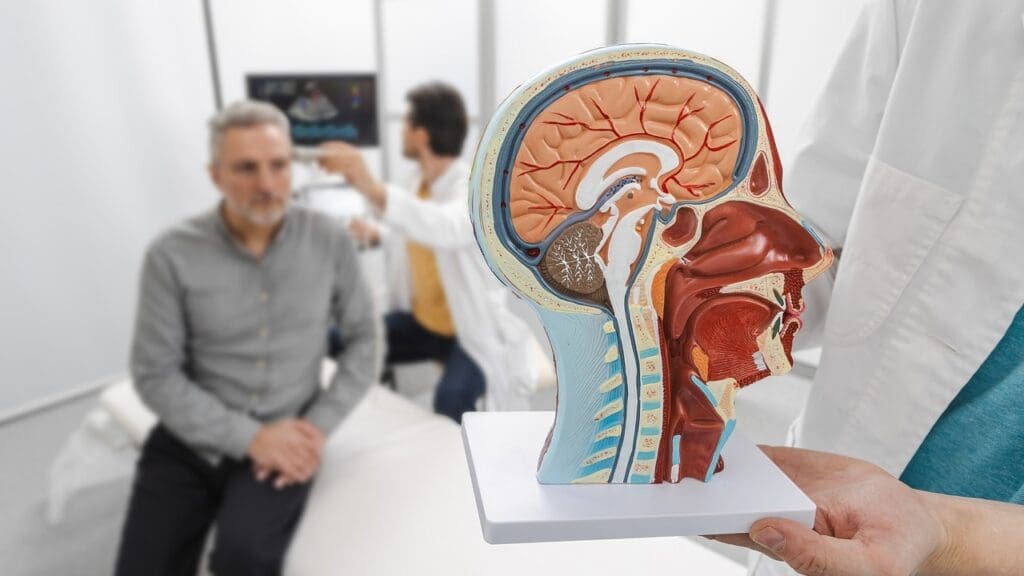
A cyst in your brain, also known as a cerebral cyst, is a fluid-filled sac. It can form anywhere in the brain. This condition can worry you, so it’s key to know its symptoms and risks.
Cerebral cysts can come from different causes, like parasitic infections. For example, Toxoplasma gondii is a protozoan parasite that can infect many people worldwide. Brain involvement is rare but serious, as seen in cases of cerebral hydatidosis reported in medical studies.
Key Takeaways
- A cerebral cyst is a fluid-filled sac that can form anywhere in the brain.
- Cerebral cysts can be caused by parasitic infections.
- Brain involvement is rare but can lead to significant health issues.
- Symptoms of cerebral cysts can include headache, nausea, and vomiting.
- At Liv Hospital Early diagnosis and treatment are key for effective management.
Can You Have a Cyst in Your Brain Without Knowing It?
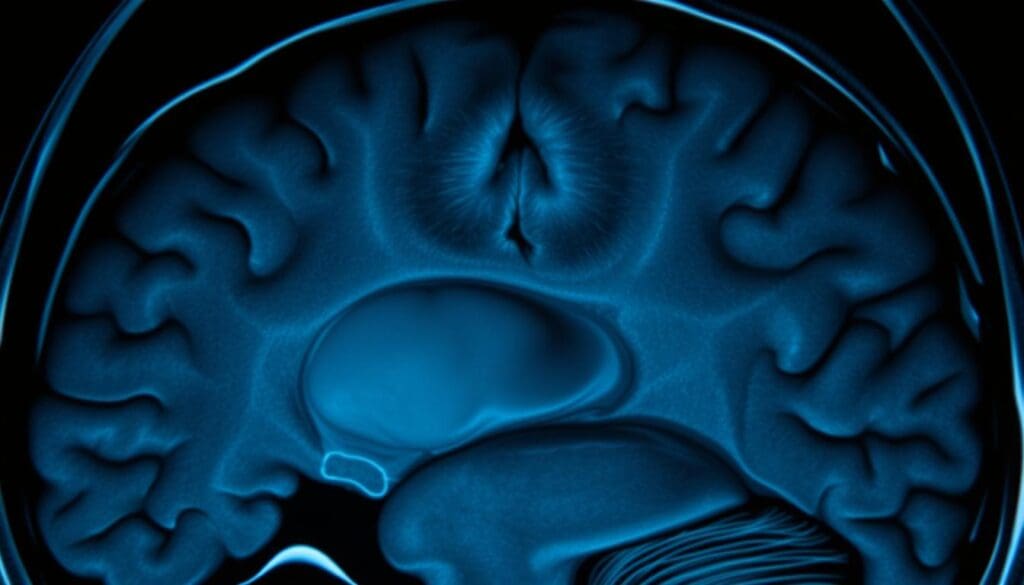
Brain cysts can often be without symptoms, allowing people to have them without knowing. Many are benign and don’t cause symptoms until they grow or get infected.
Asymptomatic Brain Cysts
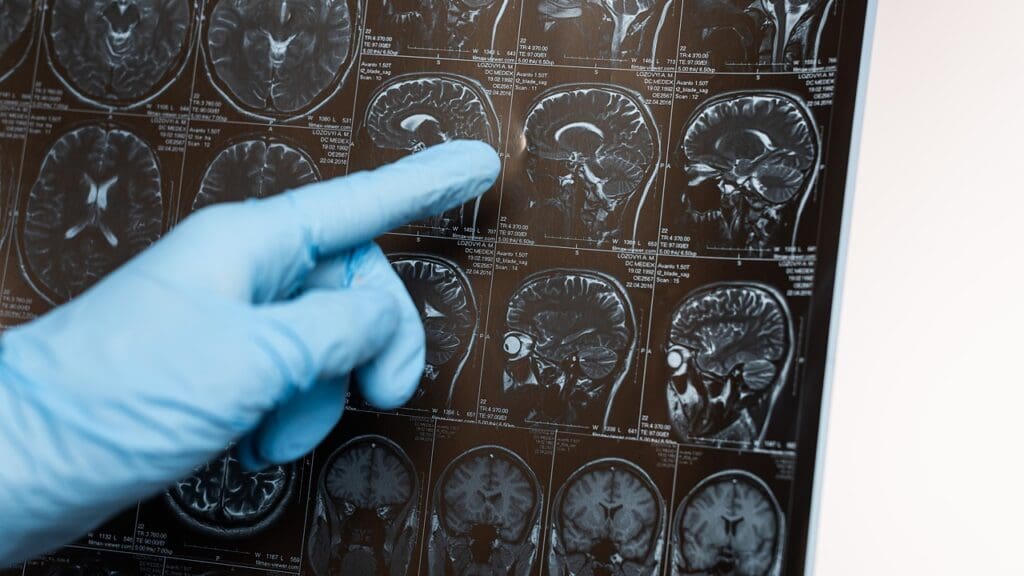
Asymptomatic brain cysts don’t show symptoms. They can stay hidden for years, found during tests for other issues. Studies show some cysts are found by accident during tests.
Incidental Findings During Imaging
Brain cysts are often found by accident during tests. If you find one, seeing a doctor is key. Here’s what to know:
- Monitoring: You might need regular checks to see if the cyst changes.
- Further Testing: More tests might be needed to understand the cyst.
- Treatment Options: There are many ways to treat cysts, depending on their size and location.
Finding a brain cyst can be scary, even if it’s not causing symptoms. But, with the right care, many people with cysts live healthy lives. If you’re diagnosed, working with your healthcare team is important.
Locations of Brain Cysts and Their Significance
Brain cysts can pop up in different parts of the brain. Each spot can lead to different symptoms and effects. Where a cyst is located helps doctors figure out how serious it is and what treatment to use.
Frontal Lobe Cysts and Their Effects
Cysts in the frontal lobe can lead to headaches, balance issues, seizures, and mood changes. This area of the brain handles important tasks like making decisions and controlling movements. So, cysts here can really affect a person’s life.
Symptoms of Frontal Lobe Cysts:
- Headaches and migraines
- Balance and coordination issues
- Seizures and convulsions
- Changes in personality and behavior
Other Common Locations for Cerebral Cysts
Brain cysts can also show up in the temporal, parietal, and posterior fossa areas. Each spot can cause different symptoms and problems.
| Location | Potential Symptoms |
|---|---|
| Temporal Lobe | Memory issues, language difficulties, seizures |
| Parietal Lobe | Sensory disturbances, spatial awareness issues |
| Posterior Fossa | Coordination and balance problems, hydrocephalus |
Research shows that where a brain cyst is located affects its symptoms. For example, Toxoplasma gondii cysts can grow in mice brains over time. Knowing where and what type of cyst a person has is key to treating it right.
“The location of a brain cyst is a critical factor in determining its impact on the patient’s health and well-being.”
We understand how important it is to accurately diagnose and treat brain cysts. Our team is committed to giving personalized care and support to those with brain cysts.
Recognizing the Symptoms of Brain Cysts
Symptoms of brain cysts can vary a lot, affecting people differently. A cyst can cause physical and neurological problems. This depends on its size, location, and how it presses on brain tissue.
Common Physical Symptoms
Physical symptoms often show up first. These can include:
- Headaches and Pain: Many people get headaches due to increased pressure inside the skull.
- Nausea and Vertigo: Some feel sick or dizzy because of how the cyst affects balance.
- Balance and Coordination Issues: Trouble with balance and moving can happen if the cyst presses on motor control areas.
Headaches and Pain
Headaches from brain cysts can be very bad. They might feel like a dull ache or sharp pain. Where the pain is depends on where the cyst is.
Nausea and Vertigo
Nausea and vertigo can really affect a person’s life. These symptoms can get worse when you move or change position.
Balance and Coordination Issues
Problems with balance and moving can lead to falls and injuries. People might need to change how they do things every day.
Neurological and Cognitive Symptoms
Brain cysts can also cause neurological and cognitive symptoms. These symptoms might be less obvious but are just as important.
- Seizures and Their Patterns: Some people might have seizures, which can happen more or less often.
- Changes in Behavior and Cognition: Brain cysts can cause changes in how you think or feel, like memory problems or mood swings.
Seizures and Their Patterns
Seizures are a big worry for those with brain cysts. Knowing how often and how severe seizures are helps doctors plan treatment.
Changes in Behavior and Cognition
Changes in how you act or think can be hard for patients and their families. These changes might mean you need to make big changes in your daily life and get more support.
How Brain Cysts Are Diagnosed
Diagnosing brain cysts mainly uses imaging tests, with MRI being key. These advanced tools help us spot and check brain cysts accurately.
Imaging Technologies Used
Imaging is vital for finding brain cysts. We use different imaging methods to see the brain and find any issues.
MRI for Brain Cyst Detection
Magnetic Resonance Imaging (MRI) is great for finding brain cysts. It gives us clear brain images. This lets us see cysts, their size, where they are, and how they affect the brain.
Research shows MRI is best for looking at tissue cysts, like those from Toxoplasma gondii.
Other imaging tools like CT scans and ultrasound also help diagnose brain cysts. Each has its own benefits and is picked based on the patient’s situation.
What to Expect During Diagnostic Procedures
Patients will have one or more imaging tests during diagnosis. We’ll tell them what to expect, including any prep, test length, and how results will be shared.
Preparation is key for smooth diagnostic tests. We give clear prep instructions for imaging tests.
Knowing the diagnostic process can reduce anxiety. It helps patients get ready for their tests.
Treatment Options for Cerebral Cysts
Dealing with brain cysts isn’t a one-size-fits-all situation. It depends on the cyst’s size, location, and if it’s causing symptoms. We’re here to help you understand the different treatment options available.
When Observation Is Recommended
For small, symptom-free cysts, we might suggest watching and waiting. This means regular check-ups with imaging tests to see if the cyst grows or causes issues. Watching and waiting is a safe and effective way to handle small cysts that don’t bother you.
Surgical Interventions
Large, symptomatic, or dangerous cysts might need surgery. We use two main surgical methods:
Drainage Procedures
Drainage helps by removing fluid from the cyst. This is done through aspiration, where a needle is used to drain the cyst. But, the cyst might fill up again over time.
Complete Cyst Removal
Removing the cyst completely is another option. This is a more lasting solution that can stop future problems. The choice to remove the cyst depends on its location and your health.
Medication Management
While surgery is often the best choice, medicine can help manage symptoms. We might prescribe drugs to control seizures, reduce swelling, or ease other symptoms linked to the cyst.
Here’s a look at how different treatments compare in terms of success and complications:
| Treatment Approach | Success Rate | Complication Rate |
|---|---|---|
| Observation | 80% | 5% |
| Drainage | 70% | 15% |
| Complete Removal | 90% | 10% |
Every patient is different, and the best treatment is one that fits your needs. Our team is dedicated to giving you the best care and support during your treatment.
Potential Risks and Complications of Untreated Brain Cysts
Untreated cerebral cysts can lead to serious and even life-threatening problems. Some cysts may not show symptoms right away. But others can cause big health issues if not treated.
Short-term Complications
Untreated brain cysts can cause many short-term problems. They can press on brain tissue, leading to headaches, nausea, and vomiting. They might also cause seizures or affect how you move, leading to weakness or numbness.
Acute symptoms can arise suddenly, requiring immediate medical attention. For example, a sudden increase in brain pressure can cause severe headaches or even loss of consciousness.
Long-term Risks
Over time, untreated brain cysts can cause serious and permanent damage. The main risks are neurological damage and life-threatening situations.
Neurological Damage
Long-term pressure on the brain can cause permanent damage. This can include problems with thinking, memory, or lasting neurological issues like weakness or paralysis.
Life-threatening Situations
In rare but serious cases, untreated brain cysts can be life-threatening. For example, a cyst can rupture or cause a brain structure shift, leading to brain herniation, a medical emergency.
The risk of such severe outcomes highlights the need for early diagnosis and treatment.
Risk Factors That May Worsen Prognosis
Some factors can make brain cyst complications worse. These include the cyst’s size and location, and the person’s overall health.
| Risk Factor | Description | Potential Impact |
|---|---|---|
| Cyst Size and Location | Larger cysts or those located in critical brain areas | Increased risk of neurological damage and complications |
| Individual Health Status | Presence of other health conditions or compromised immune system | Higher risk of severe outcomes and complications |
Knowing these risk factors is key to managing brain cysts well and avoiding complications.
Liv Hospital’s Approach to Brain Cyst Treatment
At Liv Hospital, we focus on top-notch treatment for brain cysts. We put our patients first, aiming to give them the best care. Our goal is to make sure everyone gets the help they need in a friendly and professional setting.
Expert Team and Specialized Care
Our team of neurosurgeons and healthcare experts is very skilled in treating brain cysts. We have a team that works together to make a treatment plan just for you. At Liv Hospital, we say, “Our team is dedicated to providing the latest treatments and care for brain cysts.”
“The key to successful treatment is a complete approach that looks at the whole patient, not just the cyst.”
Our team uses the newest research and technology to help our patients get the best results. This includes using advanced imaging and surgery that aims to reduce risks and recovery time.
Advanced Treatment Protocols
Liv Hospital uses the latest medical protocols for treating brain cysts. We keep up with the newest research and guidelines. This ensures our patients get the best care from the latest medical science.
- State-of-the-art diagnostic imaging
- Minimally invasive surgical techniques
- Comprehensive post-operative care
By using these advanced protocols, we offer effective treatments that meet each patient’s needs.
Personalized Treatment Plans
We know every patient is different, so we treat them as such. Our team works with each patient to create a treatment plan that fits their needs and goals.
Our commitment to personalized care means we listen to each patient’s story. We understand their medical history, symptoms, and worries. This way, we offer care that is not just effective but also caring and supportive.
By combining expert care, the latest technology, and a focus on the patient, Liv Hospital aims for the best results for our patients with brain cysts.
Conclusion: Understanding Your Options and Next Steps
It’s important to know about brain cysts and how to treat them. We’ve talked about the symptoms, diagnosis, and treatment options. Getting the right treatment early can really help.
Brain cysts might not show symptoms, so it’s key to get imaging tests. Symptoms in adults can change based on the cyst’s size and where it is. Spotting these symptoms early is critical for getting help.
At Liv Hospital, we offer top-notch healthcare for international patients. Our team and treatments are designed to meet your needs. Knowing your options and what to do next is vital for managing symptoms.
If you or someone you care about has a brain cyst, see a doctor right away. They can help figure out the best treatment. We’re here to give you all the care and support you need during your treatment.
What is a brain cyst?
A brain cyst is a fluid-filled sac in the brain. It can cause symptoms or not show any at all.
Can a cyst on the brain cause headaches?
Yes, a brain cyst can lead to headaches. This happens when it presses on brain tissue or blocks fluid pathways.
Are brain cysts cancerous?
Most brain cysts are not cancerous. But, some might be linked to conditions that need medical care.
How are brain cysts diagnosed?
Doctors use MRI or CT scans to find brain cysts. These scans show the brain’s details clearly.
Can a brain cyst be treated without surgery?
Yes, some cysts can be watched or treated with medicine. This depends on their size, where they are, and symptoms.
What are the risks of leaving a brain cyst untreated?
Untreated cysts can cause problems. These include high pressure in the brain, seizures, or issues with thinking. This depends on the cyst’s size and where it is.
Can a frontal lobe cyst cause specific symptoms?
Yes, a frontal lobe cyst can lead to certain symptoms. These include changes in personality, problems with thinking, or weakness in muscles. This depends on the cyst’s size and where it is.
How does Liv Hospital approach brain cyst treatment?
Liv Hospital treats brain cysts with a team of experts. They use the latest technology and make care plans for each patient.
Can a cyst in the brain cause neurological symptoms?
Yes, a brain cyst can cause neurological symptoms. These include seizures, numbness, or weakness. This depends on the cyst’s size and where it is.
Are cerebral cysts common?
Cerebral cysts can happen to anyone. How common they are depends on the cause and the group being studied.
Can a brain cyst be asymptomatic?
Yes, some brain cysts don’t show symptoms. They might be found by chance during scans for other reasons.
References
- UCHealth (Brain Cyst) : https://www.uchealth.com/en/conditions/brain-cyst
- Center for Neurosciences, Orthopaedics, & Rehabilitation (Cysts Overview) : https://www.cnsomd.com/surgery-conditions/brain-tumors/cysts-overview
- Astra Neuro (Brain Cyst Neurosurgeon) : https://www.astraneuro.com/brain-cyst-neurosurgeon-los-angeles-encino-ca
- NewYork-Presbyterian Pediatrics (Brain Cysts Treatment) : https://www.nyp.org/pediatrics/neurology-and-neurosurgery/brain-cysts/treatment
- University of Missouri Health Care (Brain Cyst) : https://www.ummhealth.org/health-library/brain-cyst-0