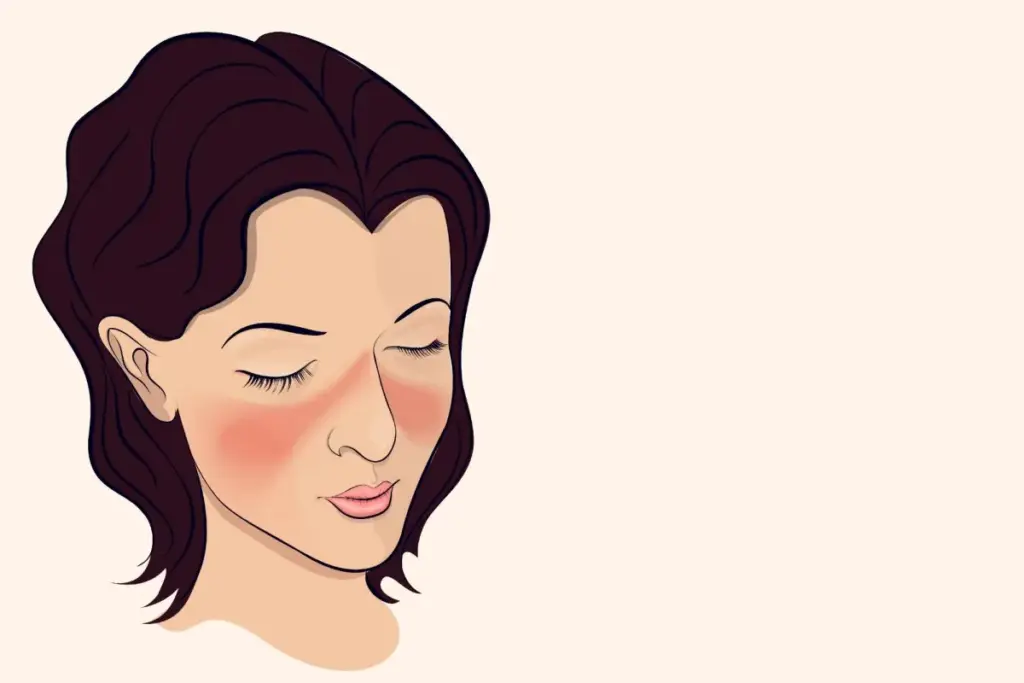
Lupus is a chronic autoimmune disease that mainly hits women, mostly those between 15 and 44. This age group is during their childbearing years. The disease can cause a variety of symptoms, from mild to severe, affecting many parts of the body.
It’s important to know the symptoms of lupus to catch it early and manage it well. Symptoms can start suddenly or slowly. They can be mild or serious, impacting joints, skin, kidneys, blood cells, brain, heart, and lungs.
Key Takeaways
- Lupus disproportionately affects women, mostly during childbearing years.
- Symptoms can vary widely among individuals and may affect multiple organ systems.
- Early detection and effective management are key to better health outcomes.
- Liv Hospital is dedicated to patient-centered care, following international best practices.
- Accurate diagnosis and quality treatment can greatly improve life quality.
Understanding Lupus in Women
Lupus is a complex autoimmune disease that affects millions worldwide. Systemic Lupus Erythematosus (SLE) is the most common form. It’s important to know about SLE and how it affects women.
What is Systemic Lupus Erythematosus (SLE)?
SLE is an autoimmune condition where the body attacks its own tissues and organs. This causes widespread inflammation. The inflammation can hit different parts of the body, like the skin, joints, kidneys, brain, and more. SLE can affect many organ systems, making it a complex and potentially debilitating disease.
The symptoms of SLE vary from person to person, making diagnosis hard. Common symptoms include:
- Joint pain and swelling
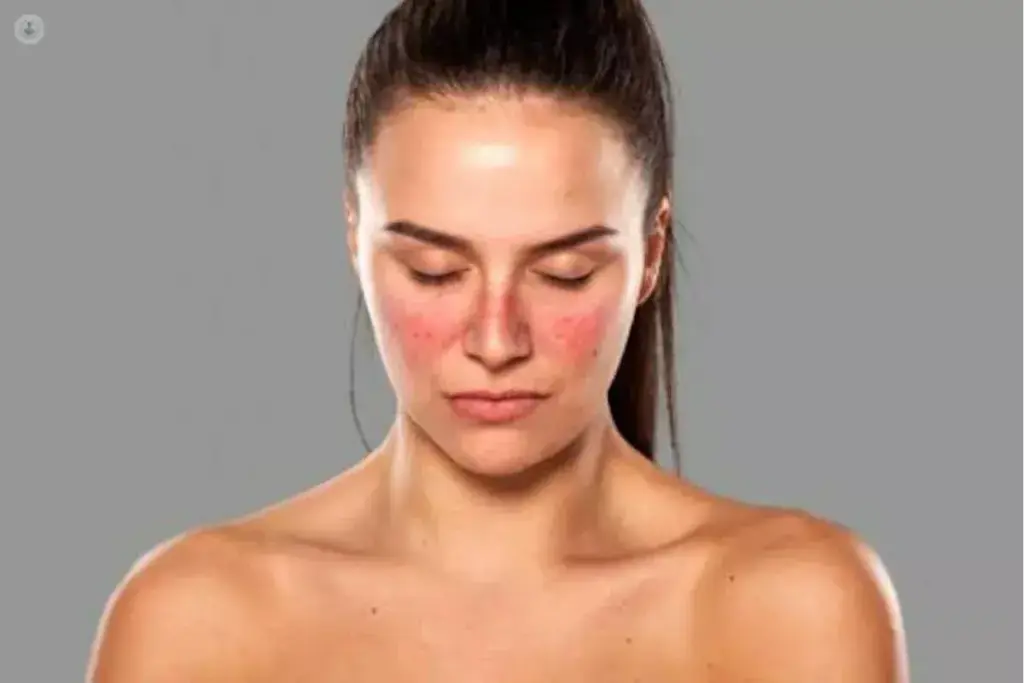
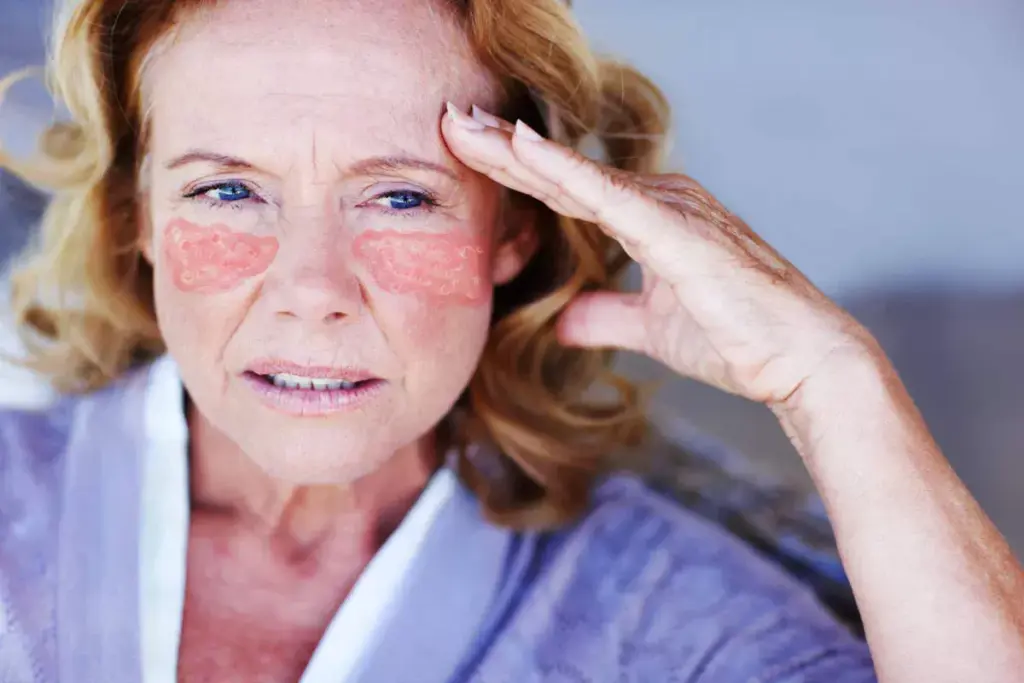
- Skin rashes, often on the face
- Fatigue
- Fever
- Chest pain
Knowing these symptoms is key for early diagnosis and treatment. Early treatment can greatly improve life for those with SLE.
Why Women Are Disproportionately Affected
Women are more likely to get SLE than men, thanks to hormonal and genetic factors. The exact reasons for this gender disparity are not fully understood, but sex hormones like estrogen may play a role.
Key factors that make women more prone to SLE include:
- Hormonal influences, like estrogen
- Genetic predisposition, with certain genes more common in women
- Environmental factors that can trigger SLE in susceptible individuals
Understanding these factors is key for better treatment and support for women with SLE.
Common Symptoms of Lupus in Women
It’s key for women at risk to know about lupus symptoms. Lupus, or Systemic Lupus Erythematosus (SLE), shows different symptoms in different women. These symptoms can change a lot from one person to another.
Early Warning Signs
The first signs of lupus in women can be hard to spot. They might feel fatigue, fever, and joint pain. These can look like other illnesses, making it hard to catch lupus early.
A butterfly-shaped rash on the face is a common sign too. Other early signs include being sensitive to sunlight, losing hair, and swelling in hands and feet. Spotting these signs early is key to getting help fast.
Advanced Symptoms by Body System
As lupus gets worse, it can hit different parts of the body. The musculoskeletal system might get joint pain and muscle weakness. The skin could get rashes and lesions, and the renal system might get kidney inflammation.
Lupus can also harm the cardiovascular system, raising heart disease risk. It can also mess with the respiratory system, causing chest pain and breathing trouble. In some cases, it can affect the nervous system, leading to seizures, psychosis, or brain problems.
How Lupus Symptoms Vary Among Different Women
Lupus symptoms can differ a lot between women. This is because of genetics, environmental factors, and hormones. Some women might have mild symptoms, while others face more serious ones.
This shows why each woman needs her own care plan. Doctors must look at each woman’s unique symptoms and health history to treat her right.
How Lupus in Women Affects Different Demographics
Lupus affects women in different ways, with some groups facing higher risks and more severe symptoms. This autoimmune disease can hit anyone, but its impact on women varies a lot. It’s important to understand these differences.
Women of Color and Increased Risk
Lupus hits women of color harder, with them being two to three times more likely to get it than White women. African American, Hispanic, Asian, Native American, and Alaska Native women face a higher risk. They also tend to have more severe symptoms and complications.
These groups often get diagnosed later and don’t get the right treatment. This makes the disease worse. Early detection and targeted care are key to managing lupus well in these populations.
Age-Related Symptom Differences
Age plays a big role in how lupus symptoms show up in women. Lupus can occur at any age, but it usually hits women in their childbearing years. Symptoms can change a lot with age, with younger women often having more severe symptoms.
Older women with lupus might have different symptoms, like more fatigue and muscle pain. It’s important to understand these age-related differences to give the right care and support.
By recognizing and addressing these demographic differences, we can improve outcomes for all women with lupus.
Conclusion
It’s important to know the symptoms of lupus in women to catch it early. This helps in managing lupus disease in women better. Early action can lead to better health outcomes for those with lupus.
Lupus in women can cause many symptoms, from mild to severe. These symptoms can differ a lot between people. It’s key for doctors to know these symptoms to treat lupus well.
Spreading the word about lupus in women and its symptoms is vital. This helps in understanding and managing the disease better. It’s a step towards improving the lives of women with lupus.
FAQ
What is lupus, and how does it affect women?
Lupus is a chronic autoimmune disease. It can cause a wide range of symptoms, from mild to severe. It affects multiple organ systems and is more common in women, mainly during their childbearing years.
What are the common symptoms of lupus in women?
Common symptoms include fatigue, joint pain, skin rashes, and fever. Lupus can also cause kidney damage, cardiovascular issues, and neurological problems.
How do lupus symptoms vary among different women?
Lupus symptoms can vary a lot among women. Some may have mild symptoms, while others may have more severe ones. The disease can affect different body systems, leading to a variety of symptoms.
Are women of color at a higher risk of developing lupus?
Yes, women of color are at a higher risk of developing lupus. They often experience more severe symptoms. Research shows lupus disproportionately affects African American, Hispanic, and Asian women.
How does age influence lupus symptoms and presentation?
Age can influence lupus symptoms and presentation. Older women may have different symptoms or more severe manifestations. This is due to comorbidities or age-related changes.
What is Systemic Lupus Erythematosus (SLE), and how does it affect women?
Systemic Lupus Erythematosus (SLE) is the most common form of lupus. It affects multiple organ systems. It disproportionately affects women, mainly during their childbearing years, and can cause a wide range of symptoms.
What are the early warning signs of lupus in women?
Early warning signs of lupus in women include fatigue, joint pain, and skin rashes. Recognizing these symptoms is key for early diagnosis and treatment.
How do hormonal and genetic factors contribute to the prevalence of lupus among women?
Hormonal and genetic factors contribute to lupus prevalence among women. Research suggests hormonal fluctuations and genetic predisposition may play a role in lupus development.
References:
National Center for Biotechnology Information. Evidence-Based Medical Guidance. Retrieved from https://pmc.ncbi.nlm.nih.gov/articles/PMC3391953/