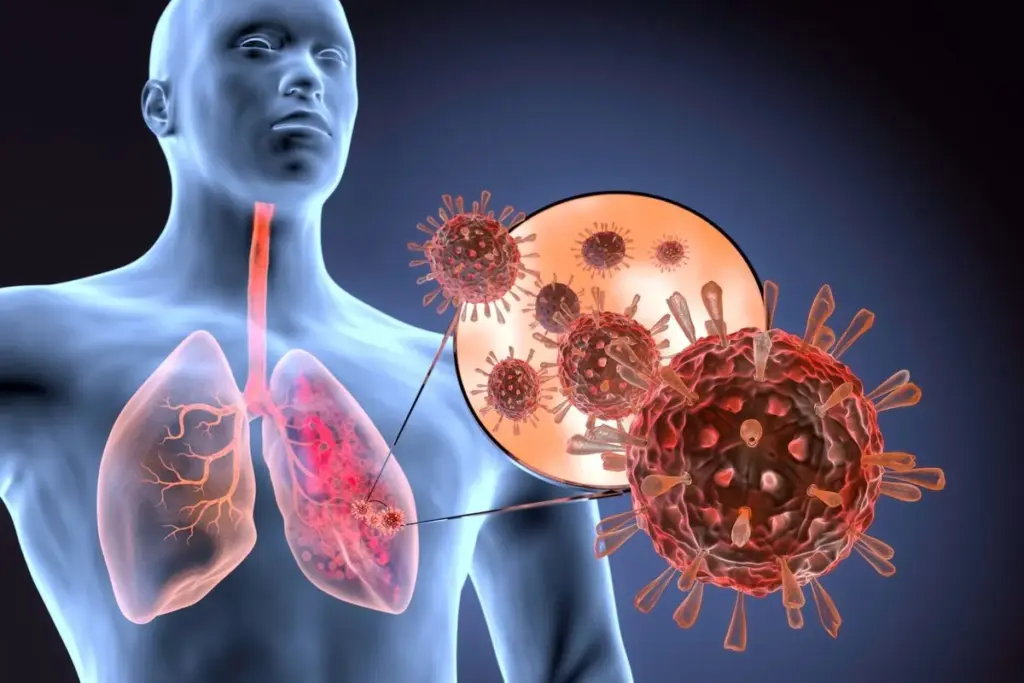
As winter approaches, many respiratory viruses are spreading worldwide. It’s important to know the current symptoms of these viruses. At Liv Hospital, we offer trusted advice and care to help you deal with these health issues.
Recent studies show that COVID-19 symptoms can start 2-14 days after you’re exposed. They can be mild or severe. Knowing the latest cold symptoms and other viruses is key for quick treatment.
Key Takeaways
- Multiple respiratory viruses are circulating globally during the winter season.
- COVID-19 symptoms can appear 2-14 days after exposure.
- Understanding current symptoms is key for early detection and treatment.
- Liv Hospital provides detailed diagnostic and treatment for respiratory viruses.
- Staying updated on symptoms helps you handle current health issues.
Current Respiratory Viruses in Circulation

Many respiratory viruses are spreading, making it tough for public health. We see a mix of viruses like influenza and COVID-19 variants. They are hitting different parts of the United States.
The Dominant H3N2 Subclade K Influenza Variant
This flu season is mainly caused by a mutated H3N2 variant, subclade K. The CDC says this strain is making the flu season very severe.
Key characteristics of H3N2 subclade K include:
- High transmissibility
- Potential for severe illness, mainly in vulnerable groups
- Antigenic drift, which can affect vaccine effectiveness
COVID-19 Variants: XFG (Stratus) and Nimbus
COVID-19 is also a big worry. Variants XFG (Stratus) and Nimbus are spreading. XFG (Stratus) is known for being very contagious.
Characteristics of these variants include:
- Increased transmissibility compared to previous strains
- Potential for immune evasion
- Ongoing research into vaccine effectiveness against these variants
Regional Virus Distribution Across the United States
The spread of these viruses changes by region in the United States. Knowing this helps us focus our health efforts better.
| Region | Dominant Virus | Notable Trends |
| Northeast | H3N2 subclade K | High hospitalization rates |
| South | COVID-19 XFG (Stratus) | Increasing cases among younger populations |
| West Coast | Mix of H3N2 and COVID-19 Nimbus | Varied vaccine effectiveness reported |
The mix of influenza and COVID-19 variants, and how they spread, shows we must stay alert. We need to keep adapting our health strategies.
Virus Cold Symptoms and Diarrhea: What to Watch For

Understanding the symptoms of viruses is key in today’s health world. Symptoms like fever, diarrhea, cough, and runny nose can mean you have a viral infection. Knowing these signs helps you manage your illness better.
Respiratory Symptoms: Cough, Congestion, and Sore Throat
Many viruses cause respiratory symptoms. A cough and congestion are common, along with a sore throat. These happen when viruses attack the respiratory tract, causing inflammation and pain.
Seeing a lot of cases with these symptoms is common. It’s important to watch them closely. They can get worse, affecting people who are more at risk.
Systemic Symptoms: Fever, Fatigue, and Body Aches
Systemic symptoms like fever, fatigue, and body aches are also common. Fever shows the body is fighting off the virus. Fatigue and body aches show the body’s overall fight against the infection.
These symptoms can really affect your life. Rest, drinking water, and some medicines can help make them better.
Gastrointestinal Manifestations in Current Viral Infections
Gastrointestinal symptoms like diarrhea and nausea or vomiting are also seen. These can cause dehydration and imbalances in electrolytes if not handled right.
It’s important to drink lots of water and see a doctor if these symptoms don’t get better or get worse. Knowing how these symptoms relate to current viruses helps in finding the right treatment.
How to Identify Which Virus You Might Have
It’s hard to tell which virus you have because symptoms are similar. COVID-19 cases are low, but new variants keep causing respiratory infections. This makes it tough to figure out what’s wrong.
Distinguishing Features of Current Flu Variants
Flu variants, like H3N2, cause fever, cough, sore throat, and body aches. Tests like PCR can tell flu from COVID-19. This helps doctors make the right diagnosis.
Key symptoms of current flu variants include:
- Fever and chills
- Cough and sore throat
- Muscle or body aches
- Fatigue
Characteristic Symptoms of 2025 COVID-19 Strains
New COVID-19 variants, like XFG and Nimbus, have different symptoms. They can cause mild to severe reactions. Symptoms include cough, congestion, and fatigue, and sometimes stomach problems.
Notable symptoms of 2025 COVID-19 strains:
- Respiratory symptoms: cough, congestion
- Systemic symptoms: fever, fatigue
- Gastrointestinal symptoms: diarrhea, nausea
Symptom Timeline and Progression
Knowing when symptoms start can help figure out the virus. Flu symptoms come fast, in 1-4 days. COVID-19 symptoms take 2-14 days to show up.
| Symptom | Flu | COVID-19 |
| Fever | Common | Common |
| Cough | Common | Common |
| Fatigue | Common | Common |
| Diarrhea | Less Common | Variable |
When to Seek Medical Attention
See a doctor if symptoms are severe, like trouble breathing or chest pain. Older adults and those with health issues should get help fast.
Knowing the differences between flu and COVID-19 helps you get the right care. If you’re not sure, talk to a doctor for advice.
Conclusion: Managing and Preventing Viral Infections
Understanding the symptoms of respiratory viruses is key. We’ve talked about the H3N2 subclade K influenza variant and COVID-19 variants. We’ve also looked at their symptoms and where they are found in the United States.
Managing viral infections needs a few steps. Getting vaccinated is a top way to prevent some diseases, mainly for older adults. It’s also important to know current cold flu symptoms and when to see a doctor.
By knowing cold symptoms going around and taking steps to prevent them, we can lower our risk of getting very sick. This helps everyone in the fight against viruses. Good managing viral infections and preventing viral infections plans are essential for top-notch healthcare.
We stress the need for early detection and medical care when needed. This way, we can lessen the effects of these viruses and keep our community healthy.
FAQ
What are the common symptoms of the current flu variants going around?
The flu variant H3N2 subclade K often causes fever, cough, and sore throat. You might also have a runny or stuffy nose, muscle aches, headaches, and feel very tired. Some people may also get nausea and vomiting.
What are the symptoms of the COVID-19 variants XFG (Stratus) and Nimbus?
COVID-19 variants XFG (Stratus) and Nimbus can lead to fever, cough, and shortness of breath. You might also feel very tired, have a headache, or a sore throat. Some people get diarrhea and nausea too. How bad and long symptoms last can depend on many things, like if you’ve been vaccinated or have health issues.
How can I tell if I have the flu or COVID-19?
It’s hard to tell if you have the flu or COVID-19 because their symptoms are similar. The flu usually starts quickly with fever, chills, and body aches. COVID-19 might make you cough more and have trouble breathing. Getting tested is usually the best way to figure out what you have.
What are the symptoms of a viral infection that I should watch out for?
Signs of a viral infection include fever, cough, and a runny or stuffy nose. You might also feel tired, have a headache, or body aches. Some people get diarrhea, nausea, or vomiting. If you notice these symptoms, watch them closely and see a doctor if they get worse or if you’re at risk for serious illness.
When should I seek medical attention for a viral infection?
You should see a doctor if you have severe symptoms like trouble breathing, chest pain, or a bad headache. Also, if you’re at risk for serious illness because of health problems or other factors, get medical help right away if you start showing symptoms of a viral infection.
What is the current regional distribution of the viruses across the United States?
The viruses, including H3N2 subclade K and COVID-19 variants XFG (Stratus) and Nimbus, are found all over the United States. Some areas have more cases than others. Knowing what’s happening in your area can help you stay safe.
How can I prevent viral infections?
To avoid viral infections, get vaccinated against the flu and COVID-19. Wash your hands often and stay away from sick people. Knowing about the viruses around you and taking steps to protect yourself can help keep you from getting very sick.
References
Centers for Disease Control and Prevention. Evidence-Based Medical Insight. Retrieved from https://www.cdc.gov/mmwr/volumes/74/wr/mm7406a2.htm