
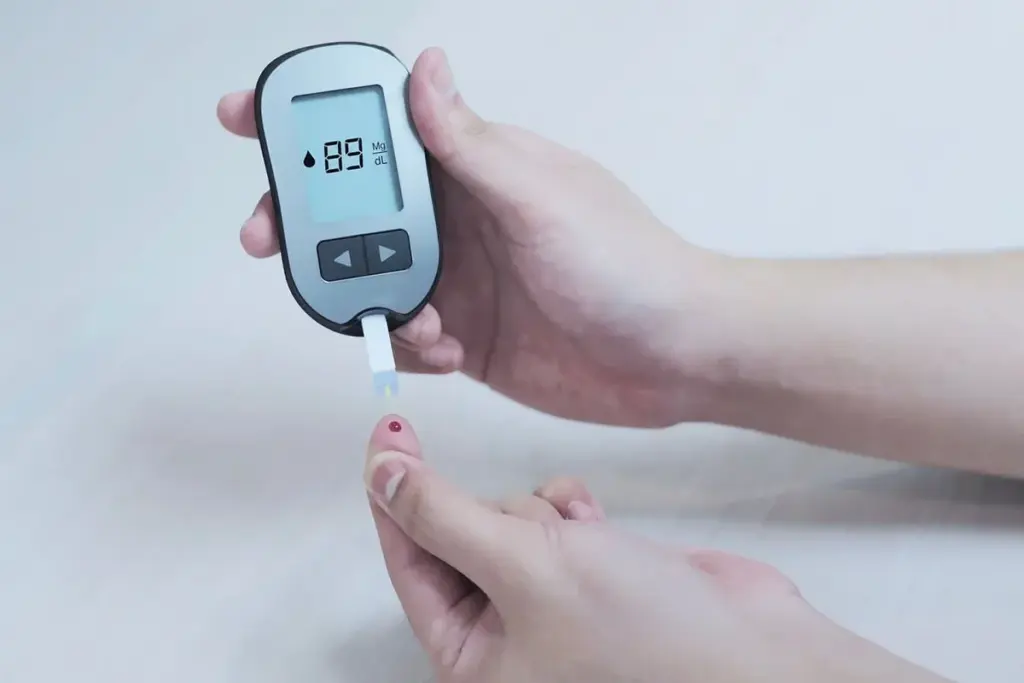
Discovering your blood sugar level is 500 mg/dL or higher can be alarming. But knowing what dangerous glucose levels are is key to protecting your health.
High blood sugar is more than just a number. It’s a serious condition that can lead to emergencies if ignored. The World Health Organization (WHO) says normal fasting glucose levels are between 70 and 100 milligrams per deciliter (mg/dL).
Liv Hospital offers advanced medical care and patient-focused care. They help you spot warning signs early and know when to get help fast. Keeping your blood sugar in check is vital for managing diabetes and avoiding serious problems.
Key Takeaways
- Normal fasting glucose levels range between 70 and 100 mg/dL.
- A blood sugar level above 500 mg/dL is considered dangerous.
- Understanding and managing blood sugar levels is critical for diabetes management.
- High blood sugar can lead to life-threatening emergencies if left unaddressed.
- Seeking immediate medical help is necessary when glucose levels are critically high.
Understanding Normal Blood Sugar Ranges
Knowing the normal blood sugar ranges is key to good health. Blood sugar, or glucose, gives our cells energy. Keeping it in check is vital to avoid health issues.
Normal Fasting Blood Sugar Levels
Fasting blood sugar is checked after waking up. Normal fasting blood sugar ranges from 70 to 99 mg/dL. This shows your body is handling glucose well. But, levels between 100 to 125 mg/dL are prediabetes, a step towards diabetes.
Post-Meal Blood Sugar Targets
Post-meal blood sugar is checked after eating. It should be below 140 mg/dL about 1-2 hours later. A reading of 230 mg/dL is too high and needs attention.
When Levels Start to Become Concerning
Consistently high blood sugar levels are a worry. For fasting, levels above 125 mg/dL mean diabetes. Post-meal levels above 200 mg/dL on several checks also point to diabetes. Knowing these levels is key for early action.
- Fasting blood sugar: 70-99 mg/dL is normal.
- Post-meal blood sugar: below 140 mg/dL is ideal.
- Prediabetes: 100-125 mg/dL (fasting).
- Diabetes: above 125 mg/dL (fasting) or above 200 mg/dL (post-meal).
Being aware of these ranges helps manage blood sugar. This reduces the risk of diabetes complications.
What Level of Blood Sugar is Dangerous: Defining Critical Thresholds
Knowing the danger levels of blood sugar is key for managing diabetes well. High or low blood sugar can cause serious health issues. It’s important to know when levels become dangerous.
Elevated Levels Requiring Attention: 195 to 232 mg/dL
Blood sugar levels between 195 to 232 mg/dL need quick attention. At this point, you might feel thirsty, urinate a lot, feel tired, and see blurry vision. Quick action is needed to stop things from getting worse.
A study in the Diabetes Care journal shows that keeping blood sugar in check can lower the risk of problems. It’s vital to watch your levels and adjust your treatment plan as needed.
| Blood Sugar Level (mg/dL) | Status | Recommended Action |
| Below 70 | Low | Consume fast-acting carbohydrates |
| 70-195 | Normal | Continue monitoring |
| 195-232 | Elevated | Adjust medication or diet |
| Above 500 | Severely High | Seek immediate medical help |
Severely High Levels: 500 mg/dL and Above
Levels at 500 mg/dL or higher are a medical emergency. At this point, the risk of serious conditions like diabetic ketoacidosis (DKA) or hyperglycemic hyperosmolar state (HHS) is high. Quick medical help is vital to avoid serious harm.
Extremely Low Levels: When 20 or 32 is Critical
Extremely low blood sugar, like 20 or 32 mg/dL, is also dangerous. It can cause severe hypoglycemia. Symptoms include confusion, shakiness, and loss of consciousness. Quick treatment with fast-acting carbohydrates is needed to get blood sugar back to normal.
It’s important for people with diabetes to know these danger levels. They should take the right steps to manage their blood sugar levels well.
Recognizing Symptoms and Knowing When to Seek Help
It’s important to know the signs of high blood sugar to act quickly and avoid serious health issues. High blood sugar, or hyperglycemia, happens when there’s too much glucose in the blood. This is a big concern for people with diabetes.
Warning Signs of Dangerously High Blood Sugar
Knowing the signs of high blood sugar is key. Common symptoms include:
- Extreme thirst and dry mouth
- Frequent urination
- Fatigue or feeling weak
- Blurred vision
- Headaches
If you notice these symptoms, check your blood sugar right away. Levels over 219 mg/dL, 214 mg/dL, or 196 mg/dL need attention.
Life-Threatening Complications: DKA and HHS
Two serious problems caused by high blood sugar are Diabetic Ketoacidosis (DKA) and Hyperglycemic Hyperosmolar Syndrome (HHS). DKA is when the body makes too many ketones, acids from the liver. HHS is when blood sugar is very high and you’re dehydrated.
| Complication | Characteristics | Symptoms |
| DKA | High ketone levels, acidic blood | Fruity-smelling breath, nausea, abdominal pain |
| HHS | Extremely high blood sugar, dehydration | Severe dehydration, confusion, loss of consciousness |
If Sugar Level is High What to Do: Immediate Actions
What to do if your blood sugar is high? Here are some steps:
- Drink plenty of water to stay hydrated.
- Check your blood sugar levels regularly.
- Take your medication as prescribed by your healthcare provider.
- Avoid foods that can raise your blood sugar levels.
When to Seek Emergency Medical Help
Knowing when to get emergency help is vital. If you have any of these symptoms, call for help right away:
- Blood sugar levels above 500 mg/dL
- Severe symptoms of DKA or HHS
- Loss of consciousness or confusion
- Severe dehydration
Quick medical help can prevent serious problems and save lives. Always talk to your healthcare provider for advice on managing your blood sugar.
Conclusion
Managing diabetes well is key to staying healthy and avoiding serious problems. Knowing what normal blood sugar levels are and spotting signs of high or low blood sugar is important. Keeping blood sugar in check, like aiming for a 97 level, helps prevent damage over time.
It’s also important to know when blood sugar gets very high, like 500 mg/dL, or very low, like 20 or 32 mg/dL. This knowledge helps you get medical help when needed. Watching for symptoms and knowing when to act can greatly improve diabetes care. For example, being alert to levels like 18, 22, or 29 can help you react quickly to changes.
By staying informed and taking action, you can manage your diabetes well. This leads to better blood sugar control and a better life. It’s all about regular checks and quick action, whether it’s keeping levels at 04 or 05.
FAQ
Is a blood sugar level of 230 considered high after eating?
Yes, a post-meal blood sugar of 230 mg/dL is above the normal range and indicates hyperglycemia.
What does a blood sugar level of 500 indicate?
A blood sugar of 500 mg/dL is critically high and may signal a medical emergency such as diabetic ketoacidosis or hyperosmolar hyperglycemic state.
Are blood sugar levels above 500 dangerous?
Yes, levels above 500 mg/dL can cause severe dehydration, organ damage, and require immediate medical attention.
What should I do if my sugar level is high?
Monitor your blood sugar, stay hydrated, follow your doctor’s instructions, and seek medical help if levels are extremely high.
Is a blood sugar level of 195 to 232 mg/dL considered high?
Yes, these readings are above normal post-meal ranges and indicate the need for blood sugar management.
What are the symptoms of dangerously high blood sugar?
Symptoms include extreme thirst, frequent urination, fatigue, blurred vision, nausea, vomiting, and confusion.
When should I seek emergency medical help for high blood sugar?
Seek help if blood sugar is consistently above 400–500 mg/dL, or if you have severe symptoms like vomiting, confusion, or difficulty breathing.
What is considered a dangerously low blood sugar level?
Blood sugar below 54 mg/dL is considered dangerously low and can cause confusion, seizures, or loss of consciousness.
Is a blood sugar level of 204 mg/dL considered high?
Yes, 204 mg/dL is above normal post-meal levels and indicates hyperglycemia.
What should I do if my blood sugar is 219 mg/dL?
Treat hyperglycemia by monitoring closely, following your treatment plan, staying hydrated, and consulting your healthcare provider if it persists.
Are glucose levels above 500 mg/dL dangerous?
Yes, levels above 500 mg/dL are life-threatening and require immediate medical intervention.
References
National Center for Biotechnology Information. Evidence-Based Medical Insight. Retrieved from https://pmc.ncbi.nlm.nih.gov/articles/PMC8465972/