
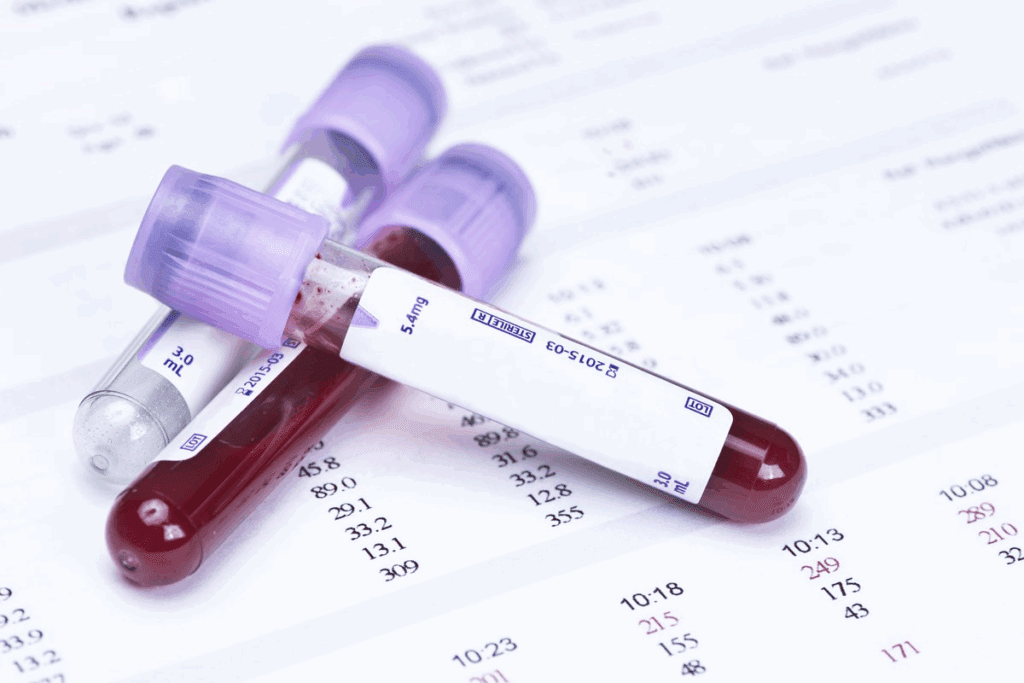
Did you know that nearly 1 in 2 adults in the United States get blood tested every year? It’s important to know how to prepare for different blood tests, like fasting.Learn the crucial answer: Is a CBC included in the list of what blood tests require fasting? Don’t make a terrible mistake.
Many people wonder if they need to fast before a Complete Blood Count (CBC) test or other blood tests. Knowing the fasting blood test rules and what’s needed for a CBC blood test can make you feel better. It also helps get accurate test results.
Key Takeaways
- Understand the importance of fasting for different blood tests.
- Learn whether fasting is required for a CBC test.
- Discover the fasting blood test rules and guidelines.
- Find out how to prepare for a fasting blood sample.
- Know the blood test fasting time and its significance.
Understanding CBC Tests and Their Purpose
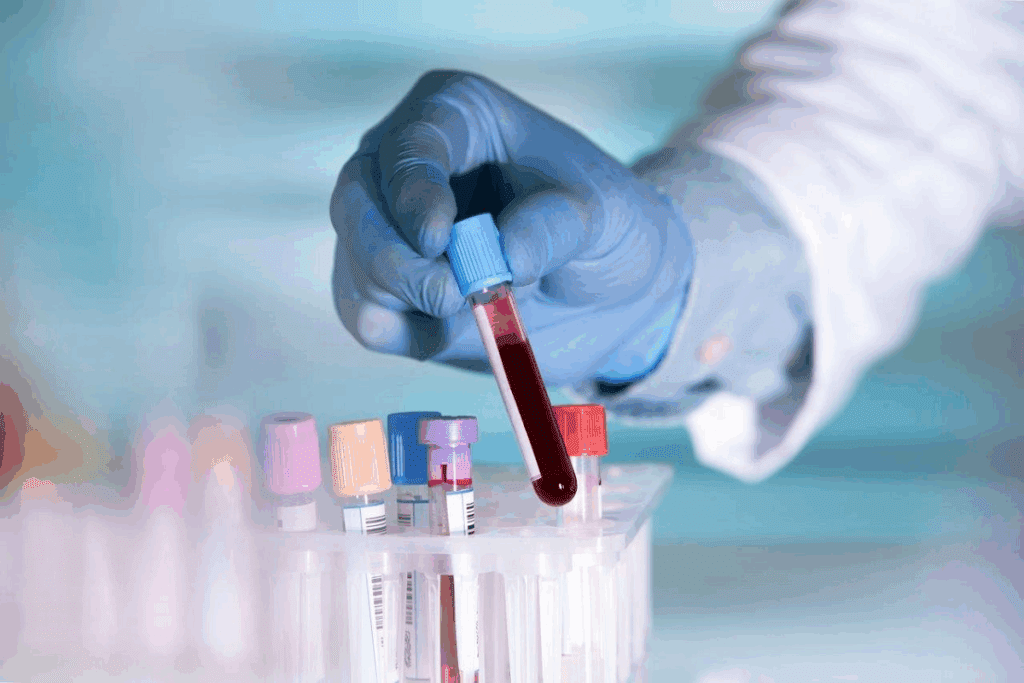
The Complete Blood Count (CBC) is a key test that shows what’s in your blood. It’s a vital tool for doctors to check your health and find diseases.
What is a Complete Blood Count (CBC)?
A CBC test looks at different parts of your blood. It checks red and white blood cells and platelets. It’s a wide test to find issues like anemia, infections, and leukemia.
Components Measured in a CBC Test
The CBC test gives a detailed look at your blood’s cells. It checks:
- Red Blood Cells (RBCs): Carry oxygen.
- White Blood Cells (WBCs): Important for fighting off infections.
- Platelets: Help your blood clot.
- Hemoglobin: A protein in RBCs that carries oxygen.
- Hematocrit: The amount of RBCs in your blood.
| Component | Normal Range | Significance |
| Red Blood Cells | 4.32-5.72 million cells/µL | Carry oxygen throughout the body |
| White Blood Cells | 3.5-12.5 thousand cells/µL | Part of the immune system |
| Platelets | 150-450 thousand cells/µL | Essential for blood clotting |
Common Reasons for Ordering a CBC Test
Doctors order CBC tests for many reasons. This includes:
“A CBC test is often one of the first tests performed when diagnosing a medical condition, as it provides a broad overview of a patient’s health status.”
CBC tests help find diseases like anemia and infections. They also check how treatments are working.
Fasting vs. Non-Fasting Blood Tests: The Basics
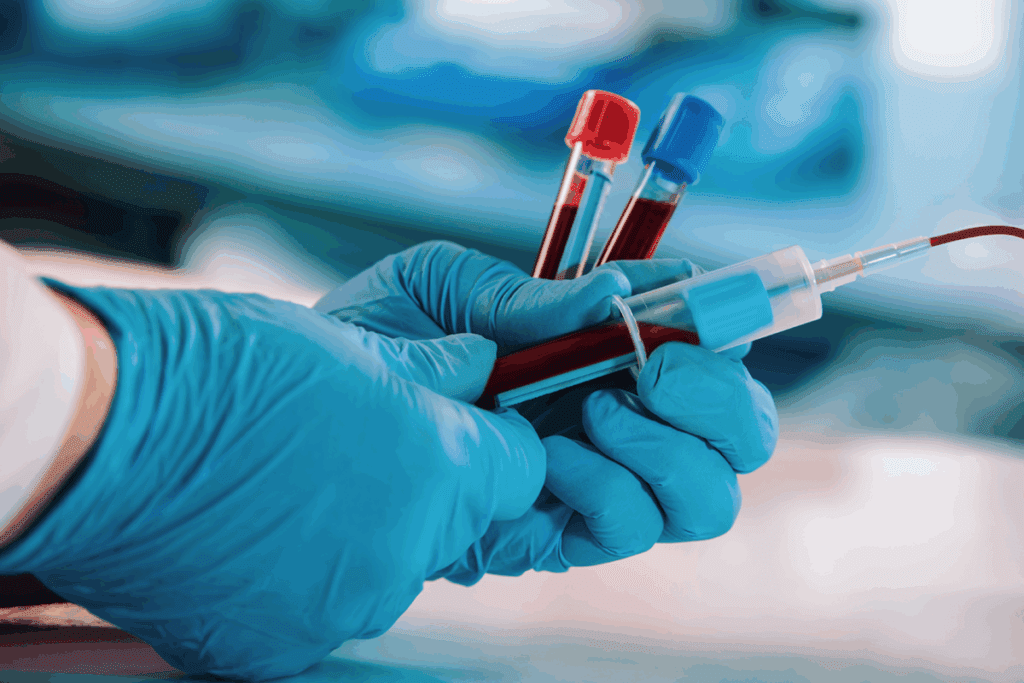
Blood tests are a common way doctors check your health. Whether you need to fast before a test depends on the type. Knowing the difference is key to getting accurate results.
Definition of Fasting in Medical Testing
Fasting for medical tests means not eating or drinking for a certain time. This time can change based on the test. Fasting helps set a baseline for some blood components, making sure test results aren’t skewed by food.
How Food and Beverages Affect Blood Test Results
Eating or drinking can change blood test results. For example, eating before a blood sugar test can give wrong readings. Various nutrients impact different blood components, like sugar, cholesterol, and fats. Knowing this helps doctors understand your test results.
Standard Fasting Protocols for Blood Work
Fasting times for blood tests vary. Usually, you’re asked to fast for 8-12 hours before some tests. You can drink water during this time. It’s vital to follow your doctor’s fasting instructions to meet the test’s requirements.
| Test Type | Fasting Duration | Allowed During Fasting |
| CBC | Not Required | Water |
| Lipid Profile | 9-12 hours | Water |
| Glucose Test | 8-12 hours | Water |
Understanding fasting and non-fasting blood tests helps patients prepare better. This ensures more accurate and reliable test results.
Is Fasting Required for a CBC Test?
Many people wonder if they need to fast for a CBC test. A Complete Blood Count (CBC) is a common blood test. It checks the blood for red and white cells, hemoglobin, and platelets.
Official Guidelines on CBC and Fasting
Medical guidelines say fasting is usually not needed for a CBC test. The American Society for Clinical Pathology and other trusted sources agree on this.
Why CBC Tests Generally Don’t Require Fasting
CBC tests don’t need fasting because food doesn’t greatly change the results. The test shows more about your overall health than what you ate recently.
| CBC Component | Effect of Food |
| Red Blood Cell Count | Minimal effect |
| White Blood Cell Count | Minimal effect |
| Hemoglobin | Minimal effect |
| Platelet Count | Minimal effect |
Exceptions When Fasting Might Be Recommended for CBC
Even though fasting is not usually needed, there are times it might be. If a CBC is done with other tests that need fasting, like glucose or lipid panels, fasting is required. Some doctors might also suggest fasting for certain health issues.
In short, fasting is not always needed for a CBC test. But it’s key to listen to your healthcare provider or lab’s specific instructions.
CBC with Differential: Fasting Requirements
The CBC with differential test is a key tool for understanding your body’s white blood cells. It’s an advanced version of the standard Complete Blood Count (CBC). It gives a detailed look at your blood’s components.
What a CBC with Differential Measures
This test checks your blood’s red and white cells, nd platelets. It focuses on white blood cells, like neutrophils and lymphocytes. This helps find infections and other health problems.
Key components measured in a CBC with differential include:
- Red Blood Cell (RBC) count
- White Blood Cell (WBC) count
- Platelet count
- Differential count of WBC types
Fasting Guidelines for CBC with Differential
Fasting is usually not needed for a CBC with differential. This is because the test looks at blood cells, not affected by food. Always follow your healthcare provider’s or lab’s instructions.
| Test Component | Affected by Fasting? |
| RBC count | No |
| WBC count | No |
| Platelet count | No |
| Differential count | No |
How Food Affects Differential Results
While fasting isn’t needed, some foods might change blood test results. For example, a fatty meal can alter lipid profiles. But, it usually doesn’t affect the differential count. Also, some medicines and supplements can change test results. So, tell your doctor about any medications you’re taking.
In summary, a CBC with differential is important for understanding your blood. But you don’t need to fast for it. Always check with your doctor for any specific blood test instructions.
What Blood Tests Require Fasting?
Knowing which blood tests need fasting is key to getting accurate results. Fasting is often required for many tests. It helps make sure the results aren’t skewed by what you’ve eaten recently.
Common Blood Tests That Require Fasting
Many blood tests need fasting to get precise measurements. Here are some examples:
- Lipid Profile Tests: These check cholesterol and triglyceride levels, which can be affected by what you’ve eaten.
- Glucose Tests: Fasting glucose tests help diagnose diabetes and check blood sugar levels.
- Comprehensive Metabolic Panel (CMP): This panel tests for glucose, electrolytes, and other blood substances.
These tests are vital for diagnosing and managing health issues. Fasting ensures the results are accurate.
Duration of Fasting for Different Tests
The fasting time needed varies by test. Usually, you need to fast for 8 to 12 hours for most tests.
| Test Type | Fasting Duration |
| Lipid Profile | 9-12 hours |
| Glucose Test | 8-12 hours |
| Comprehensive Metabolic Panel (CMP) | 8-12 hours |
Impact of Non-Compliance with Fasting Requirements
Not following fasting instructions can cause test results to be off. This might lead to wrong diagnoses or more tests. For example, eating before a fasting glucose test can raise blood sugar levels. This could mean a wrong diagnosis.
It’s vital to stick to your healthcare provider’s fasting instructions. This ensures your test results are reliable.
Comprehensive Metabolic Panel (CMP) and Fasting
Knowing about the CMP and fasting is key for blood tests. The CMP checks your body’s metabolic state. It looks at how well your kidneys and liver work. It’s used to find and track health issues.
CMP Test Components
The CMP tests many blood parts. These parts fall into several main areas:
- Glucose levels
- Electrolytes like sodium, potassium, and chloride
- Kidney function tests, including urea and creatinine
- Liver function tests, including albumin, total protein, and bilirubin
- Other tests, like alkaline phosphatase (ALP) and alanine transaminase (ALT)
These tests give a full view of your metabolic health. Any abnormal results can show health problems, like diabetes and kidney disease.
Fasting Requirements for CMP
Fasting is needed for a CMP test, often with other tests. The fasting time is usually 8 to 12 hours. You can drink water, but no food or other drinks.
Fasting is important because eating can change blood levels. This can make test results wrong. For example, eating before a glucose test can make blood sugar seem higher.
| Test Component | Influence of Food/Drink | Why Fasting Matters |
| Glucose | Food raises glucose levels | Fasting glucose is key to a diabetes diagnosis |
| Lipids | Fasting changes lipid levels | Fasting lipid profiles show heart risk better |
| Electrolytes | Food can change some electrolytes | Fasting gives a baseline for electrolytes |
When CBC and CMP Are Ordered Together
Healthcare providers often order a CBC and CMP together. A CBC shows blood components, and a CMP checks metabolic health. Together, they give a full health picture.
When both tests are done, following fasting instructions is key. If a CMP is included, fasting is needed. This is because the CMP tests are affected by food.
In summary, knowing about the CMP and fasting is important for accurate test results. By following your healthcare provider’s guidelines, you ensure reliable test results for your health.
Lipid Panels and Other Common Fasting Blood Tests
Lipid panels and other blood tests often need fasting for accurate results. These tests help check health, like heart risk and how the body uses food.
Cholesterol Testing and Fasting Requirements
Cholesterol tests are key for heart health checks. Some tests don’t need fasting, but a lipid profile does. It needs 9-12 hours of fasting to avoid food effects.
Fasting is key for precise triglyceride and LDL cholesterol readings. Non-fasting tests might show high triglycerides, which can misjudge heart risk.
Glucose Tests and Fasting Protocols
Glucose tests, like fasting glucose and glucose tolerance tests, are vital for diabetes care. Fasting glucose tests ask patients to fast for at least 8 hours, often overnight.
The fasting glucose test shows blood sugar levels after fasting. It helps see how well glucose is being used. Bad results might mean more tests or lifestyle changes.
Other Specialized Tests Requiring Fasting
Other blood tests also need fasting. This includes some liver function tests and metabolic panels.
- Liver function tests need fasting to check liver enzyme levels and metabolic function.
- Other metabolic tests might require fasting to see how the body uses nutrients when fasting.
Patients must follow their healthcare provider’s fasting instructions for accurate test results.
Fasting Blood Test Rules: What to Know
To get the most out of your fasting blood test, it’s essential to know what to expect and how to prepare. Fasting blood tests are a key tool for healthcare providers. They help assess your health, including blood sugar and cholesterol levels.
Standard Fasting Duration Guidelines
The fasting time needed before a blood test varies. It usually ranges from 8 to 12 hours. For most tests, an 8-hour fast is standard. Butsome tests might need longer fasting.
Common Fasting Durations:
- 8 hours: Most routine blood tests, including some lipid profiles.
- 10-12 hours: Certain tests, like glucose tests or metabolic panels.
- 14 hours or more: Specialized tests as directed by your healthcare provider.
What’s Allowed During Fasting Periods
While fasting, drinking water is okay. Staying hydrated is important. But, avoid any caloric drinks or foods.
Allowed during fasting:
- Water
- Black coffee (in some cases, but check with your provider)
- Plain tea (in some cases, but check with your provider)
What to Avoid Before Blood Tests
Avoid eating or drinking anything with calories during fasting. This includes:
- Sugary drinks
- Coffee with cream or sugar
- Tea with honey or milk
- Any food items, even small snacks
Some medications might be affected by fasting. Always check with your healthcare provider about your medications.
| Activity | Allowed During Fasting |
| Drinking Water | Yes |
| Consuming Food | No |
| Drinking Caloric Beverages | No |
| Taking Medication | Consult your healthcare provider |
By following these fasting blood test rules, you ensure accurate results. This helps your healthcare provider make better decisions for your care.
How Fasting Affects Blood Test Results
Knowing how fasting impacts blood tests is key to correct diagnoses and treatment plans. Fasting is often needed before certain blood tests. Its effects on the body can be quite significant.
Physiological Changes During Fasting
Fasting leads to several changes in the body that can alter blood test results. Fasting causes a switch from glucose to fat as the main energy source. This change affects various blood components, potentially changing test results.
At first, the body uses stored glucose. Then, it starts breaking down fat for energy. This can change blood chemistry, including lipid profiles and glucose levels.
Impact on Specific Blood Components
Fasting affects certain blood components in notable ways:
- Glucose levels: Fasting glucose tests measure blood glucose after an overnight fast. They help diagnose diabetes or pre-diabetic conditions.
- Lipid profiles: Fasting lipid profiles check cholesterol and triglyceride levels. These are key to heart health.
- Other components: Fasting can also change the levels of certain proteins and substances in the blood. These may be important for specific tests.
| Blood Component | Fasting State | Non-Fasting State |
| Glucose | Typically lower | Variable, often higher |
| Triglycerides | Generally lower | Can be higher after meals |
| Cholesterol | Stable, but may vary slightly | Minimal change |
When Non-Fasting Results May Be Misleading
Not fasting before a blood test can sometimes give misleading results. For instance, postprandial (after-meal) hyperglycemia can make glucose readings seem higher. This might lead to wrong diagnoses or the need for more tests.
Non-fasting lipid profiles can also be influenced by what you’ve eaten recently. This might hide or exaggerate lipid-related problems.
Healthcare providers can make better decisions with the right understanding of fasting’s effects on blood tests. It’s important for patients to follow fasting instructions carefully. This ensures accurate test results.
Common Questions About Fasting for Blood Tests
Fasting rules for blood tests can be confusing. Many people wonder what they can and can’t eat before a test.
Can You Drink Water Before a Blood Test?
Drinking water is usually okay before a blood test. Staying hydrated can make the test easier. But always check with your doctor first.
Stick to plain water. Avoid flavored or sparkling water, as they might mess up the test results.
Does Coffee or Tea Break a Fast?
Coffee and tea can be tricky for fasting tests. Black coffee is usually okay, but without sugar or cream. But caffeine can affect test results.
Always ask your doctor about coffee or tea before a fasting test. Some tests are more sensitive to caffeine.
What Happens If You Accidentally Eat Before a Fasting Test?
If you eat before a fasting test by mistake, tell your doctor or lab staff. They might decide to do the test another day.
Eating before a fasting test can mess up the test results. This is true for tests on glucose or lipids. Sometimes, you’ll need to reschedule.
Knowing the fasting rules for blood tests is key. It helps get accurate results and makes the test process smoother.
How to Prepare for a CBC Test
Learning how to prepare for a CBC test can make you feel less anxious and ensure your results are accurate. A Complete Blood Count (CBC) test checks different parts of your blood.
Day-Before Preparations
Fasting is not usually needed for a CBC test, but follow any special instructions from your doctor. You can eat normally the day before unless told differently.
Drinking water is important. Some medicines and supplements can change your test results. Talk to your doctor about your medicines.
Morning of the Test Guidelines
On the test day, you can have a light meal unless told to fast for another test. Wear comfortable clothing that makes it easy to access your arm for the blood draw.
If you’re on any medicines, check with your doctor about taking them before the test. Bringing a list of your medicines and medical history is helpful.
What to Bring to Your Appointment
When you go for your CBC test, bring:
- A valid government-issued ID
- Your insurance cards and any necessary paperwork
- A list of your current medications and dosages
- Any relevant medical history or previous test results
Being ready for your CBC test can make it easier and less stressful. If you have questions or concerns, ask your healthcare provider.
Labs Requiring Fasting: When to Check with Your Provider
It’s important to check with your healthcare provider about fasting before blood tests. Different places and doctors have different rules about fasting for blood tests.
Variations in Lab Protocols
Lab rules on fasting can change a lot. Some tests require fasting for a certain time, while others don’t. The test type, the lab, and the doctor’s choice can all play a part.
Factors influencing lab protocols include:
- The type of blood test being conducted
- The laboratory’s standard operating procedures
- The healthcare provider’s clinical judgment
How to Verify Fasting Requirements
To get ready for your blood test, make sure to ask about fasting. You can do this when you schedule your appointment or a few days before.
Steps to verify fasting requirements:
- Contact your healthcare provider’s office
- Ask about specific fasting instructions for your test
- Clarify what is allowed during the fasting period (e.g., water)
- Confirm the duration of the fasting period
Questions to Ask Your Healthcare Provider
When asking about fasting, it’s good to ask more questions. This helps you know what to do. You might ask about taking medicine, handling fasting side effects, and what to expect during and after the test.
Example questions to ask:
- Are there any specific foods or drinks I should avoid before the test?
- Can I take my regular medications during the fasting period?
- How long will it take to receive my test results?
By checking fasting rules and knowing what to do, you can get the best results from your blood test.
Fasting Blood Work Rules: Best Practices
Getting accurate fasting blood work results needs proper preparation and following the rules. It’s key to know the guidelines for fasting blood tests.
Scheduling Tips for Fasting Blood Tests
Choosing the right time for your fasting blood test is important. It’s best to have it in the early morning. This way, you can eat soon after, making fasting easier.
Tips for Scheduling:
- Schedule your test early in the morning to minimize fasting duration.
- Avoid scheduling tests on days when you have other early appointments that might conflict with your fasting requirements.
- Inform your healthcare provider about any concerns or difficulties you have with fasting.
Managing Hunger and Discomfort
It can be hard to manage hunger while fasting. But there are ways to help. Drinking water and finding distractions are key. Some people adjust their eating a few days before the test.
Strategies for Managing Hunger:
- Drink plenty of water before and during the fasting period.
- Engage in activities that distract you from hunger.
- Consider adjusting your meal schedule a few days before the test to ease into the fasting requirement.
Post-Test Eating Recommendations
After your fasting blood test, eat a nutritious meal. This helps replenish energy and stabilize blood sugar. Choose a meal with proteins, complex carbs, and healthy fats.
Post-Test Meal Ideas:
- Egg omelet with whole-grain toast and avocado.
- Greek yogurt with berries and granola.
- Grilled chicken with quinoa and steamed vegetables.
By following these tips, you can get accurate fasting blood work results. This helps your healthcare provider diagnose and treat conditions better.
Conclusion: Navigating Blood Test Preparation
Knowing if you need to fast for a CBC test or other blood tests is key to good results. A CBC test usually doesn’t need fasting. But tests like lipid panels and glucose tests do.
To get ready for a blood test, correctly follow these tips: Check with your doctor about fasting needs for your test. Lab rules can change.
Good preparation leads to accurate test results. These results are vital for diagnosing and treating health issues. Knowing what to do helps make the process easier and less stressful.
Always talk to your healthcare provider about fasting and test prep. This simple action can greatly improve your test results.
FAQ
Do I need to fast for a CBC blood test?
Usually, you don’t need to fast for a CBC test. But it’s smart to ask your doctor first. Lab rules can change.
What blood tests require fasting?
Tests that need fasting include lipid panels, glucose tests, and CMPs. These check your blood’s health.
How long should I fast for a blood test?
You’ll usually fast for 8 to 12 hours. But the exact time depends on the test and lab rules.
Can I drink water before a fasting blood test?
Yes, you can have water before a fasting test. But always check with your doctor first.
Does coffee or tea break a fast?
Black coffee or tea without sugar or cream is okay. But ask your doctor to be sure.
What happens if I accidentally eat before a fasting test?
If you eat before a fasting test, tell your doctor. They might need to reschedule or adjust the test’s meaning.
Is fasting required for a CBC with differential?
No, you don’t need to fast for a CBC with differential. It checks your blood cells.
What should I avoid before a blood test?
Avoid eating and drinking anything but water before a test. Also, skip some medicines or supplements that could mess up the results.
How do I prepare for a CBC test?
Follow your doctor’s advice for the CBC test. Be ready to give any needed info or samples when you go.
Can I schedule a fasting blood test at any time?
It’s best to get a fasting test in the morning. This way, you can fast overnight and feel less uncomfortable.
How can I manage hunger during fasting for a blood test?
Drink water to stay hydrated. Try to get your test in the morning to make fasting easier.
References
- Koscielniak, B. K., Charchut, A., Wójcik, M., Sztefko, K., & Tomasik, P. J. (2017). Impact of fasting on complete blood count assayed in capillary blood samples. Laboratory Medicine, 48(4), 357-361. https://pubmed.ncbi.nlm.nih.gov/29025077/