


Pediatric Health and Diseases specialist at Liv Hospital.
View doctor profile →


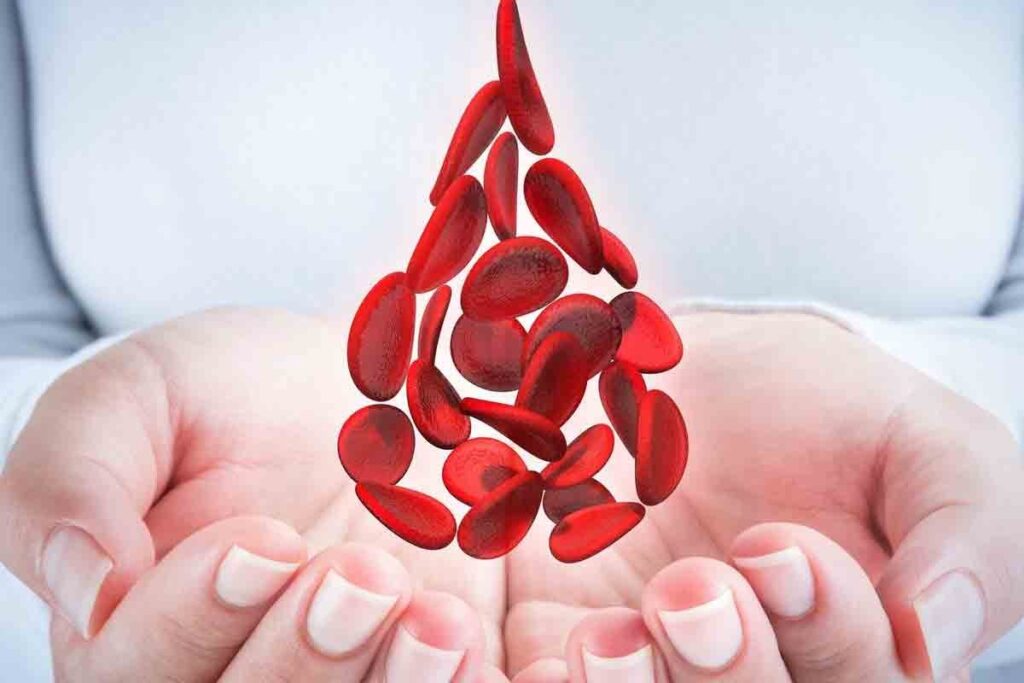
Sickle cell trait is not a blood type but a condition. It’s caused by having one normal hemoglobin gene (A) and one sickle hemoglobin gene (S). This is shown as AS.
People with sickle cell trait usually don’t get sick with sickle cell anemia. But, knowing about sickle cell trait’s genetics is key for family planning. At Liv Hospital, we stress the need to know your genotype for better health choices.
By understanding the difference between sickle cell trait and sickle cell anemia, we can grasp the risks better. Our aim is to give you the right info to help with your health.
Key Takeaways
- Sickle cell trait is not a blood type, but a genotype (AS).
- Individuals with sickle cell trait are carriers, not affected by sickle cell anemia.
- Understanding the genetic basis of sickle cell trait is key for family planning.
- Knowing your genotype helps you make smart health choices.
- Liv Hospital offers full support for international patients looking for top medical care.
Understanding Sickle Cell Trait vs. Sickle Cell Disease
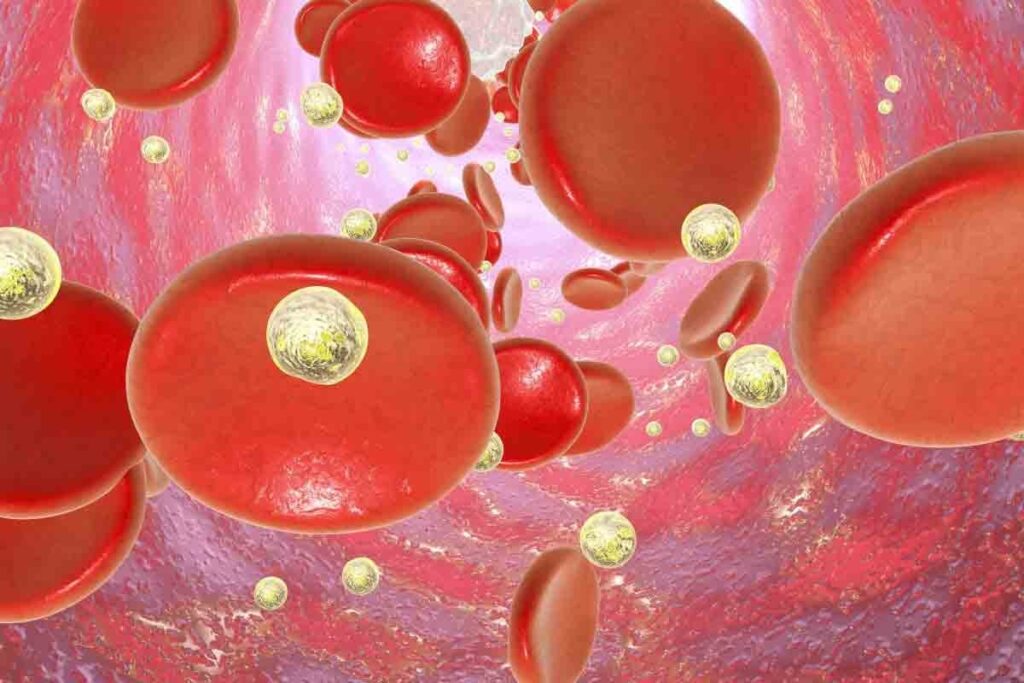
It’s important to know the difference between sickle cell trait and sickle cell disease. This is true, mainly for people from areas where malaria is common.
Defining Sickle Cell Trait
Sickle cell trait happens when someone has one normal and one sickle hemoglobin gene. This is often called “AS.” People with this trait are usually healthy but can pass the sickle gene to their kids.
Difference Between Trait and Disease
The main difference is in the genes. Sickle cell disease happens when someone has two sickle genes, or “SS.” This makes their red blood cells sickle-shaped and can cause health problems.
Prevalence and Demographics
Sickle cell trait is more common in places where malaria used to be a big problem. This includes parts of Africa, the Mediterranean, and the Middle East. Over 100 million people worldwide have sickle cell trait.
Research shows that sickle cell trait helps protect against malaria. This is why it’s more common in these areas.
Medical Expert. said, “The presence of sickle cell trait in a population is closely linked to the historical prevalence of malaria. It shows an evolutionary adaptation.”
| Region | Estimated Prevalence of Sickle Cell Trait |
| Sub-Saharan Africa | 15% to 30% |
| Mediterranean Region | 5% to 15% |
| Middle East | 5% to 10% |
| United States | 1 in 12 African Americans |
What Blood Type Is Sickle Cell Trait?

It’s important to know the difference between blood type and genotype when talking about sickle cell trait. Sickle cell trait isn’t linked to any specific ABO or Rh blood type. Instead, it’s about a certain genotype.
Sickle Cell Trait and Blood Type Systems
The ABO and Rh blood type systems classify blood based on certain antigens on red blood cells. Sickle cell trait, though, is about the hemoglobin in these cells. It’s key to remember that blood type genetics are different from those for sickle cell trait.
Genotype vs. Blood Type
Genotype is about an individual’s genetic makeup, while blood type shows what genes are active. Sickle cell trait comes from a mutation in the HBB gene, leading to the AS genotype. This is different from genes for ABO and Rh blood types.
The AS Genotype Explained
The AS genotype means someone has one normal hemoglobin allele (A) and one sickle hemoglobin allele (S). This is true for sickle cell trait carriers. Unlike those with sickle cell disease (SS genotype), AS genotype carriers usually don’t show all symptoms. But, they can pass the sickle allele to their kids.
| Genotype | Hemoglobin Status | Condition |
| AA | Normal Hemoglobin | Normal |
| AS | Sickle Cell Trait | Carrier |
| SS | Sickle Hemoglobin | Sickle Cell Disease |
Knowing about the AS genotype is vital for genetic counseling. It helps people understand if they are carriers, which is important when planning to have children.
The Genetics Behind Sickle Cell Trait
Sickle cell trait is a genetic condition. It happens when a person has one normal and one sickle hemoglobin gene. This makes them carriers of the sickle cell disease gene.
To grasp the genetics of sickle cell trait, we need to know about normal and sickle hemoglobin. Normal hemoglobin, or hemoglobin A, carries oxygen in red blood cells. Sickle hemoglobin, an abnormal form, can cause red blood cells to bend into a sickle shape under certain conditions.
Normal Hemoglobin vs. Sickle Hemoglobin
The main difference between normal and sickle hemoglobin is their genetic coding. Normal hemoglobin is coded by the HBB gene. A mutation in this gene leads to sickle hemoglobin. People with sickle cell trait have one normal HBB gene and one mutated HBB gene. This results in both normal and sickle hemoglobin being produced.
How the Sickle Cell Gene Works
The sickle cell gene is inherited in an autosomal recessive pattern. This means a person needs two mutated HBB genes to have sickle cell disease. They must get one from each parent. People with sickle cell trait have one normal and one mutated gene. They are carriers but usually don’t show the full symptoms of sickle cell disease.
Genetic Mutations and Inheritance Patterns
Research has shown how the sickle cell gene is passed down. The mutation causing sickle cell disease is a point mutation in the HBB gene. If a parent passes this mutation, the child becomes a carrier with sickle cell trait. The pattern of inheritance is as follows: if both parents are carriers, each child has a 25% chance of having sickle cell disease, a 50% chance of being a carrier, and a 25% chance of having two normal genes.
Understanding these genetic principles is key for genetic counseling and family planning. Knowing the genetic status of parents helps healthcare providers advise on the risks of passing on sickle cell disease to children.
Global Distribution of Sickle Cell Trait
Sickle cell trait is not spread evenly around the world. Its spread is linked to where malaria was once common. This is not by chance but because it helped people survive.
Prevalence in Malaria-Endemic Regions
In places where malaria was common, more people have sickle cell trait. Studies show that in some African areas, up to 40% of people have the trait. This is because it helps protect against severe malaria, mainly in children.
“The high frequency of the sickle cell trait in malaria-endemic regions is a testament to the trait’s protective effect against malaria,” notes a study on the genetic adaptation to malaria. This protective effect is believed to be the driving force behind the higher prevalence of the trait in these regions.
Evolutionary Advantage Against Malaria
Having sickle cell trait gives an evolutionary edge in malaria areas. People with the trait are less likely to die from malaria. This means they are more likely to pass on their genes to future generations.
As
“the sickle cell trait has become more common in areas with high malaria transmission due to its protective effects, illustrating a classic example of natural selection in humans”
, explains a renowned geneticist. This advantage is key to understanding why sickle cell trait is found worldwide.
In conclusion, sickle cell trait’s spread is tied to malaria’s history. Knowing this helps in managing and treating sickle cell disease.
Health Implications of Having Sickle Cell Trait
Having Sickle Cell Trait is usually not a big deal. But, there are some health things to know. Most people with it live normal lives. It’s good to know about possible health issues to stay healthy.
Normal Health Conditions for Carriers
Most people with Sickle Cell Trait don’t have symptoms. They don’t face the big problems seen in Sickle Cell Disease. But, knowing you have it helps you make better health choices.
Studies show that people with Sickle Cell Trait usually live as long as others. They don’t usually get the bad anemia or other big problems seen in Sickle Cell Disease.
Rare Complications Associated with Sickle Cell Trait
Even though it’s rare, some health problems can happen. For example, hard work, like in hot or high places, can cause exertional rhabdomyolysis or splenic sequestration.
“The risk of exertional sudden death is a concern for athletes with Sickle Cell Trait, particular during intense physical activities.”
Carriers, like athletes, need to know these risks. They should slowly get used to high places and not do too much hard work.
Special Considerations for Athletes
Athletes with Sickle Cell Trait need extra care because of the risks of hard work. They should get regular health check-ups and follow advice from sports doctors.
Coaches and trainers should know if an athlete has Sickle Cell Trait. They should help by making sure they drink enough water, stay out of extreme weather, and watch their health during hard training.
By being careful, athletes with Sickle Cell Trait can stay safe while playing sports.
Inheritance Patterns: Can Sickle Cell Trait Be Passed to Children?
It’s important to know how sickle cell trait is passed down. It follows an autosomal recessive pattern. This means a person needs two abnormal hemoglobin genes, one from each parent, to have sickle cell disease.
Autosomal Recessive Inheritance
The genes for sickle cell trait are on autosomes, not sex chromosomes. So, both males and females have an equal chance of getting the trait. A person with sickle cell trait has one normal and one sickle hemoglobin gene, or “AS.”
Probability Calculations for Different Parental Combinations
The chance of passing sickle cell trait to kids depends on the parents’ genes. If both parents have sickle cell trait (AS), their kids can get three genotypes: AA, AS, or SS. Here’s the probability of each:
- 25% chance of inheriting SS (sickle cell disease)
- 50% chance of inheriting AS (sickle cell trait)
- 25% chance of inheriting AA (normal hemoglobin)
We use Punnett squares to show these chances.
Using Punnett Squares to Predict Inheritance
A Punnett square shows all possible genotypes from two parents. For two sickle cell trait carriers (AS), it looks like this:
Genetic counselors use Punnett squares to explain the risks. They help families understand the chances of passing on sickle cell trait or disease.
Genetic counseling is key for families with sickle cell trait history. It gives them the info they need for family planning.
When Both Parents Have Sickle Cell Trait
Couples with both parents having sickle cell trait face unique genetic risks. It’s important to know these risks for planning a family. They need to understand the genetic possibilities of their children.
The Risks Associated with Sickle Cell Trait Inheritance
It’s key for expectant parents to grasp these risks. We’ll explain the chances of their child having sickle cell disease, trait, or normal hemoglobin.
The 25% Risk of Sickle Cell Disease
With both parents having sickle cell trait, there’s a 25% chance each pregnancy will result in a child with sickle cell disease. This condition affects hemoglobin production and can cause health issues.
The 50% Risk of Sickle Cell Trait
There’s also a 50% chance the child will have one normal and one sickle hemoglobin gene. This makes them a carrier of the sickle cell trait, like their parents.
The 25% Chance of Normal Hemoglobin
Lastly, there’s a 25% chance the child will have two normal hemoglobin genes. This means they won’t have the sickle cell trait or disease.
These chances are often shown using a Punnett square. It’s a genetics tool to predict the likelihood of different genotypes in offspring.
| Genotype of Child | Probability | Implication |
| SS | 25% | Sickle Cell Disease |
| AS | 50% | Sickle Cell Trait |
| AA | 25% | Normal Hemoglobin |
Genetic counseling is highly recommended for couples in this situation. It helps them understand these risks and make informed family planning decisions.
Testing for Sickle Cell Trait
Testing for sickle cell trait is key for those at risk or with a family history. We’ll look at testing methods, when to test, and what the results mean.
Available Screening Methods
There are several ways to test for sickle cell trait. These include:
- Hemoglobin Electrophoresis: This test checks the different types of hemoglobin in the blood.
- High-Performance Liquid Chromatography (HPLC): It’s used to identify and measure hemoglobin types.
- Genetic Testing: This analyzes the HBB gene for the sickle cell mutation.
These tests use a blood sample. The choice depends on the individual’s situation and the doctor’s advice.
When Testing Is Recommended
Testing is advised for:
- Those with a family history of sickle cell disease or trait.
- People from high-risk areas, like Africa, the Mediterranean, or South Asia.
- Prospective parents who want to know their child’s risk.
Knowing your sickle cell status helps in health and family planning decisions.
Understanding Test Results
Test results show if you carry the sickle cell gene. The outcomes are:
- Normal: You don’t have the sickle cell trait.
- Sickle Cell Trait: You carry one sickle cell gene.
- Sickle Cell Disease: You have two sickle cell genes, meaning you have the disease.
It’s important to understand these results for health management and future planning.
Genetic Counseling for Carriers
Genetic counseling is key for those with the sickle cell trait. It helps them understand their risks and plan their families wisely. We offer detailed support to help carriers deal with their condition.
Pre-Conception Counseling
Pre-conception counseling is essential for sickle cell trait carriers. This step assesses the risk of passing the condition to their children. It also talks about what it means to be a carrier.
Carriers learn about the chances of having a child with sickle cell disease or trait. This knowledge helps them choose the best family planning options. These include prenatal testing and preimplantation genetic diagnosis.
Family Planning Options
Carriers have many family planning choices. We discuss these options in genetic counseling. Prenatal testing can tell a lot about the fetus’s health. Preimplantation genetic diagnosis is another option for IVF patients.
| Family Planning Option | Description |
| Prenatal Testing | Testing during pregnancy to determine if the fetus has sickle cell disease or trait. |
| Preimplantation Genetic Diagnosis | A technique used during IVF to identify embryos with the sickle cell gene. |
Emotional and Psychological Support
Genetic counseling also offers emotional and psychological support. We know getting a diagnosis and making decisions can be tough. Our counseling provides a supportive space for discussing concerns and feelings.
By providing thorough genetic counseling, we help carriers make informed health and family planning choices. This support is vital in managing the challenges of being a carrier.
Living with Sickle Cell Trait
People with sickle cell trait can live active lives. They just need to understand their condition and take steps to stay healthy. It’s important to know about health considerations and how to avoid problems.
Lifestyle Considerations
Most people with sickle cell trait live normal, healthy lives. But, some situations can cause issues. For example, too much exercise, high altitudes, or dehydration can lead to sickling. It’s best to stay hydrated and avoid too much exercise.
Carriers should also tell their doctors about their sickle cell trait. This is important for medical procedures and emergencies. Keeping hydrated and managing pain can help avoid risks.
Medical Alert Information
Carriers should tell their healthcare providers about their sickle cell trait. This is very important for medical care and emergencies. Wearing a medical alert ID is also a good idea.
Communicating with Healthcare Providers
Talking to healthcare providers is very important. Carriers should share their sickle cell trait status and any concerns. This includes understanding the risks during surgeries or with certain medicines.
| Action | Benefit |
| Informing healthcare providers about sickle cell trait | Ensures appropriate medical care and precautions |
| Staying hydrated and avoiding extreme exertion | Reduces the risk of complications |
| Wearing a medical alert ID | Provides critical information in emergencies |
Common Misconceptions About Sickle Cell Trait
It’s important to clear up the facts about sickle cell trait. This helps to stop myths from spreading. Public health efforts aim to educate people about the truth behind sickle cell trait. We’ll tackle some common myths and give you the real story.
Myth: Trait Carriers Have Sickle Cell Disease
Many think that sickle cell trait means you have sickle cell disease. But these are two different things. Sickle cell trait means you have one normal and one sickle hemoglobin gene. On the other hand, sickle cell disease happens when you have two sickle genes, one from each parent. People with sickle cell trait usually don’t have the serious symptoms of sickle cell disease.
Myth: Sickle Cell Is Determined by Blood Type
Some believe that sickle cell trait or disease is linked to blood type. But sickle cell trait is about the hemoglobin in red blood cells, not blood type. Blood type is about different genes than those for sickle cell trait. This confusion comes from both being related to blood, but they are distinct.
Myth: Carriers Always Have Symptoms
Many think that sickle cell trait carriers always have symptoms. But, while some might face health issues under certain conditions, most live without big problems. The symptoms can vary a lot among sickle cell trait carriers.
To better understand sickle cell trait and disease, let’s look at a comparison table:
| Condition | Genotype | Symptoms | Inheritance |
| Sickle Cell Trait | AS | Usually mild or none | One sickle gene, one normal gene |
| Sickle Cell Disease | SS | Severe | Two sickle genes |
| Normal Hemoglobin | AA | None | Two normal genes |
By knowing the truth about sickle cell trait, we can fight these myths. This helps us support and educate those affected.
Conclusion
It’s important for carriers and their families to understand sickle cell trait. We’ve looked into its genetics, how common it is, and its health effects. Knowing the difference between sickle cell trait and disease helps people make better health choices.
Education and genetic counseling are key in managing sickle cell trait. We stress the need for testing and counseling, mainly for parents with the trait. This helps them understand the risks and chances for their kids.
In wrapping up, we see the value of being aware and taking proactive steps for health. By spreading the word about sickle cell trait, we can help carriers and their families. This ensures they get the support and care they need.
FAQ
What is sickle cell trait, and how does it differ from sickle cell disease?
Sickle cell trait means you have one normal and one sickle hemoglobin gene. Sickle cell disease means you have two sickle hemoglobin genes. This leads to the full disease symptoms.
Is sickle cell trait related to a specific blood type?
No, sickle cell trait is not tied to blood type. It’s about the genotype, with the AS genotype being key.
Can sickle cell trait be passed on to children?
Yes, sickle cell trait can be passed to kids. It follows an autosomal recessive pattern. This means both parents must be carriers for their kids to inherit it.
What is the AS genotype, and how does it relate to sickle cell trait?
The AS genotype means you have one normal hemoglobin gene (A) and one sickle hemoglobin gene (S). This shows you carry sickle cell trait.
How is sickle cell trait inherited?
Sickle cell trait is inherited in an autosomal recessive pattern. This means a child can get the trait if one or both parents carry the sickle hemoglobin gene.
What are the health implications for individuals with sickle cell trait?
People with sickle cell trait usually live normal lives. But, they might face risks under extreme conditions like intense physical activity.
Why is sickle cell trait more prevalent in certain regions?
Sickle cell trait is common in areas where malaria is or was prevalent. This is because it offers protection against malaria.
How is sickle cell trait diagnosed?
It’s diagnosed with screening tests like hemoglobin electrophoresis or genetic testing. These tests spot the sickle hemoglobin gene.
What is the importance of genetic counseling for carriers of sickle cell trait?
Genetic counseling is key for carriers. It informs them about passing the trait or disease to their kids. It helps in making family planning decisions.
Are there any lifestyle considerations for individuals with sickle cell trait?
Yes, those with sickle cell trait should stay hydrated and avoid extreme physical exertion. They should also tell their healthcare providers about their condition.
Is it a myth that carriers of sickle cell trait have sickle cell disease?
Yes, it’s a myth. Carriers of sickle cell trait have the trait, not the disease. They only have the disease if they get another sickle hemoglobin gene from the other parent.
Does having sickle cell trait mean you will always have symptoms?
No, most people with sickle cell trait don’t show symptoms normally. But, they might face complications in certain situations.
What is the probability of having a child with sickle cell disease if both parents have sickle cell trait?
There’s a 25% chance with each pregnancy that a child will have sickle cell disease. This is if both parents are carriers of the trait.
How can carriers of sickle cell trait manage their condition effectively?
Carriers can manage by knowing their status and taking precautions during intense activities. They should also share their condition with healthcare providers.
References
- Naik, R. P., & Haywood, C. Jr. (2015). Sickle cell trait diagnosis: Clinical and social implications. Hematology/Oncology Clinics of North America, 30(2), 317–330. https://pubmed.ncbi.nlm.nih.gov/27040980/


