
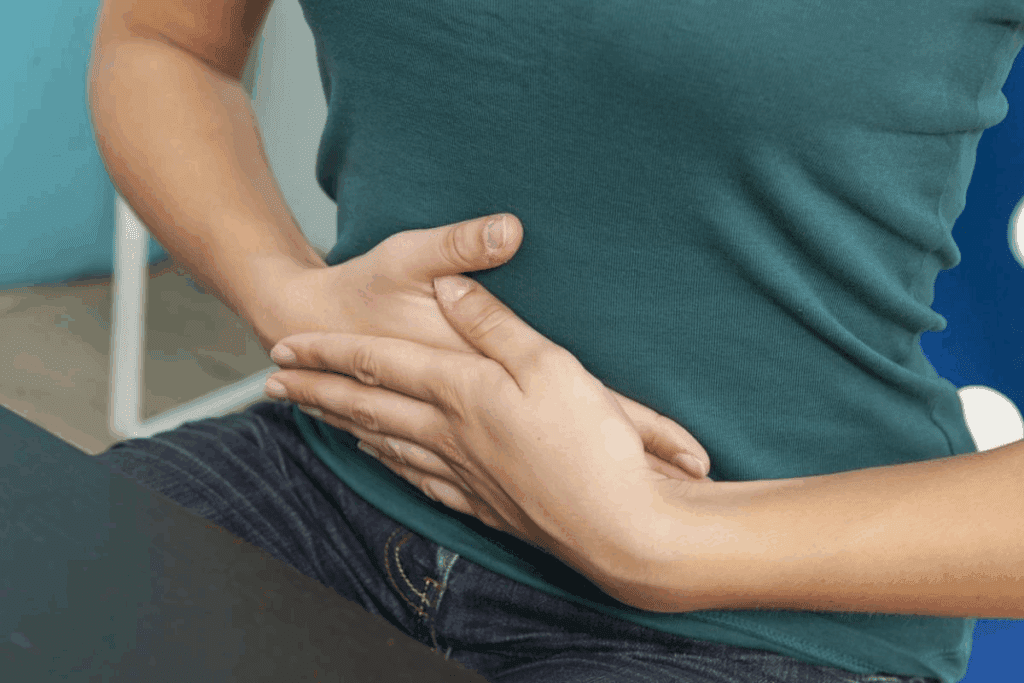
Appendicitis is a serious condition that affects millions. It causes severe pain, nausea, and loss of appetite. Knowing how to calm down appendicitis symptoms is key to managing pain until you get medical help.Guidance on Relief for Appendicitis Symptoms and the importance of not delaying surgical evaluation.
We will look at ways to ease appendicitis pain relief. This includes medical treatments and supportive care. By learning about the condition and natural remedies for appendicitis, you can make better choices for your treatment.
Our aim is to give a detailed guide for those looking for relief from appendicitis symptoms. We want to help you understand your options. This way, you can make informed decisions about your care.
Key Takeaways
- Understanding appendicitis and its symptoms is key to managing it well.
- There are many medical treatments for appendicitis pain relief.
- Supportive care can also help ease discomfort from appendicitis.
- Natural remedies might offer extra relief for appendicitis symptoms.
- Getting quick medical attention is vital for treating appendicitis effectively.
Understanding Appendicitis and Its Symptoms
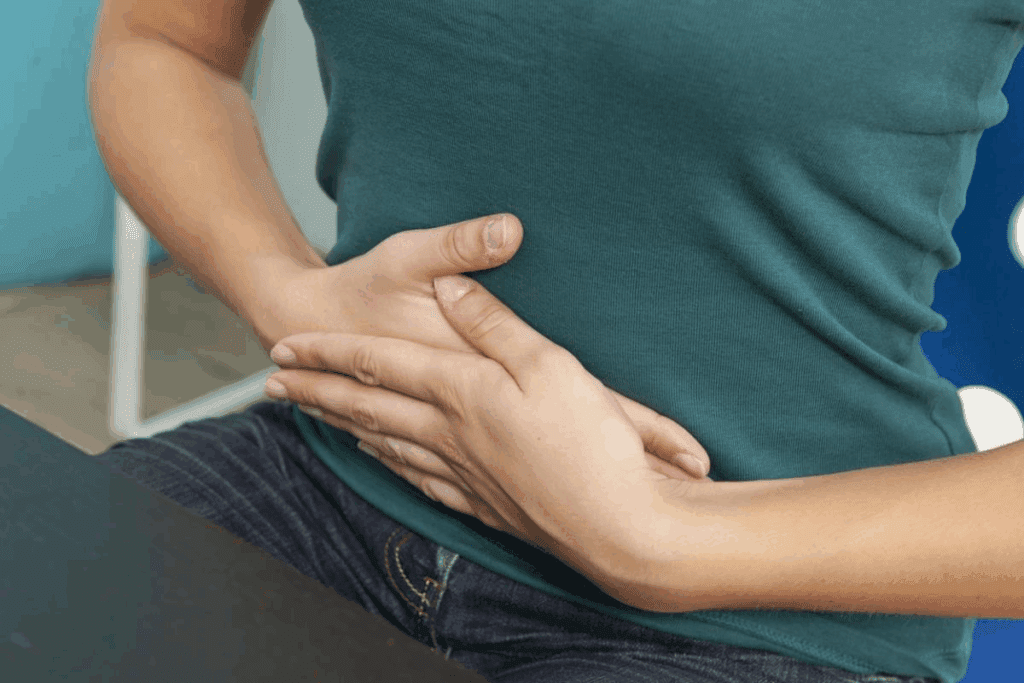
It’s key to know about appendicitis to handle its symptoms well. This condition is a medical emergency that needs quick action.
What Is Appendicitis?
Appendicitis is when the appendix, a small tube near the large intestine, gets inflamed. This can lead to severe pain and other symptoms. The exact reason for appendicitis is not always clear. It’s thought to happen when the appendix gets blocked by things like feces or food.
Common Symptoms and Warning Signs
The signs of appendicitis can differ, but common ones include:
- Severe abdominal pain, often starting near the navel and then moving to the lower right abdomen
- Nausea and vomiting
- Loss of appetite
- Abdominal tenderness, specially in the lower right abdomen
- Fever, usually less than 101°F (38.3°C)
How Appendicitis Progresses Without Treatment
If not treated, appendicitis can get worse. The inflammation might cause the appendix to burst. This can lead to peritonitis, a dangerous infection of the belly. It’s a serious condition that needs immediate medical care.
To manage appendicitis well, understanding its progression is key. Seeking medical help quickly is vital. Spotting the symptoms early can help get the right treatment on time.
The Importance of Medical Attention for Appendicitis
Getting medical help for appendicitis is very important. It’s a serious condition that needs quick care. If you think you have appendicitis, go to the doctor right away.
Why Self-Treatment Alone Is Dangerous
Trying to treat appendicitis by yourself is very risky. It can lead to a rupture of the appendix, which is very dangerous. Doctors say that treating it yourself can cause serious problems.
Appendicitis symptoms can get worse if not treated. It’s important to know the signs and get medical help.
| Risks of Self-Treatment | Consequences |
| Delayed Medical Care | Increased risk of appendix rupture |
| Inadequate Symptom Management | Worsening of symptoms, possible complications |
| Lack of Proper Diagnosis | Misdiagnosis or delayed diagnosis leading to wrong treatment |
When to Go to the Emergency Room
Knowing when to go to the emergency room for appendicitis is key. If you have severe stomach pain, vomiting, or fever, go right away. Recognizing emergency symptoms is important for quick medical help.
Diagnostic Procedures for Appendicitis
Doctors use several ways to diagnose appendicitis. They do a physical check, ask about your medical history, and use imaging tests. Imaging tests like ultrasound or CT scans help confirm the diagnosis.
- Physical examination to check for tenderness and guarding
- Medical history to identify risk factors and symptoms
- Imaging tests (ultrasound, CT scan) for confirmation
Understanding the need for medical care for appendicitis and knowing when to seek help is key. This way, patients can get the right treatment quickly and avoid serious problems.
Relief for Appendicitis Symptoms: Medical Treatments
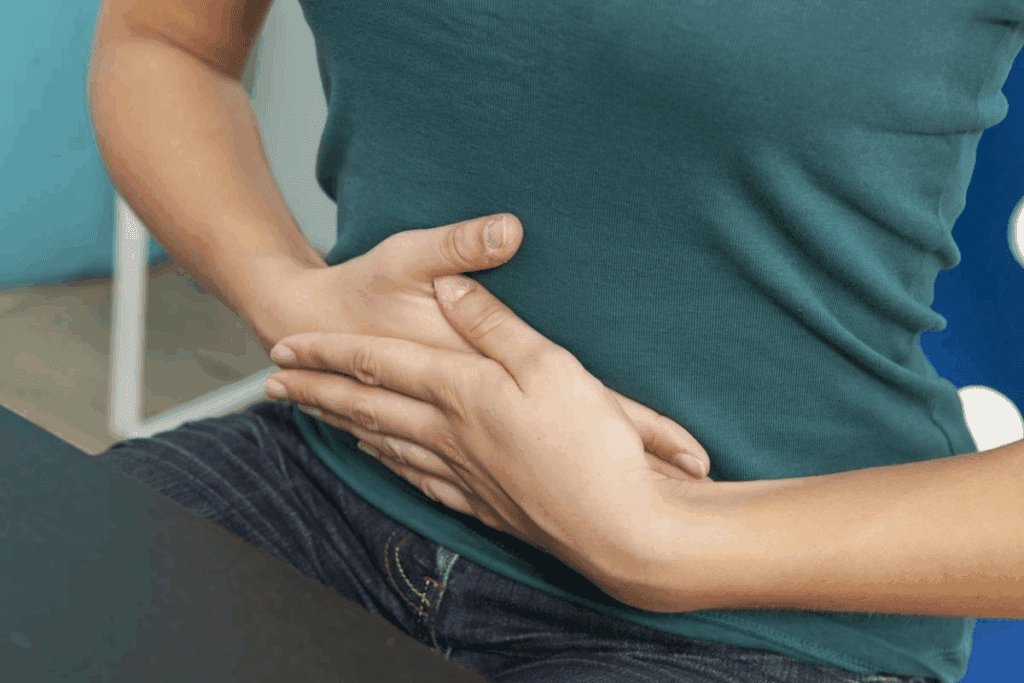
Medical treatments for appendicitis aim to ease symptoms and prevent the condition from getting worse. The main goal is to reduce inflammation and avoid complications.
Antibiotics as First-Line Treatment
Antibiotics are often the first treatment for appendicitis. They are key in fighting the bacterial infection. This can help lessen symptoms and sometimes avoid surgery.
The choice between antibiotics and surgery depends on the severity of the appendicitis. If the appendix hasn’t ruptured, antibiotics might be enough. This could mean avoiding surgery or making it less complicated later.
Surgical Options: Appendectomy Procedures
Surgery is the main treatment for appendicitis, mainly when the appendix might burst or has burst. An appendectomy removes the appendix and is safe and effective. There are two main types: open and laparoscopic appendectomy.
- Laparoscopic appendectomy is a less invasive surgery with small incisions. It leads to less pain and faster recovery.
- Open appendectomy uses a larger incision. It’s for more complex cases or when the appendix has burst.
Post-Treatment Care in Hospital Settings
After treatment, whether antibiotics, surgery, or both, post-care is vital. In the hospital, we watch for complications, manage pain, and guide post-discharge care.
For those who had surgery, we watch for infections, manage pain, and help them get back to normal. We also advise on diet to aid recovery and reduce discomfort.
Knowing about medical treatments and post-care helps patients recover better. It also lowers the risk of complications.
Appendicitis Pain Management Medications
Managing pain from appendicitis is key to improving life quality during treatment. A mix of methods is used, with medicines playing a big part.
Prescription Pain Relievers
For serious pain from appendicitis, doctors often give out prescription drugs. These are stronger than what you can buy over the counter. They are watched closely by doctors.
Common Prescription Pain Relievers:
- Opioids (e.g., morphine, oxycodone)
- Stronger opioid combinations
Though they work well, these drugs can lead to addiction. So, they are used carefully and for a short time.
Over-the-Counter Options
For less severe pain, doctors might suggest over-the-counter (OTC) drugs. These are safer and have fewer side effects than prescription drugs.
Common OTC Pain Relievers:
- Acetaminophen (Tylenol)
- Ibuprofen (Advil, Motrin)
These drugs can help with pain and lower fever. They are good for starting to manage symptoms.
Anti-Inflammatory Medications for Symptom Relief
Anti-inflammatory drugs, like NSAIDs, are great for reducing inflammation and pain from appendicitis.
Benefits of NSAIDs:
- Reduce inflammation
- Relieve pain
- Lower fever
But, they can cause stomach problems, so they need to be used with care.
Knowing about the different medicines for appendicitis pain helps patients make better choices. This way, they can take a more active role in their treatment.
Rest and Recovery Techniques for Comfort
Recovering from appendicitis needs careful planning for rest, activity, and sleep. This helps reduce pain and aids in healing. It’s key to focus on comfort and lessen discomfort.
Optimal Resting Positions to Reduce Pain
Choosing the right resting position can help ease appendicitis pain. Try different positions to see what feels best for you. Some people find relief by:
- Lying on their back with knees bent to reduce strain on the abdominal area
- Using a pillow under the knees to support the lower back
- Avoiding positions that put direct pressure on the abdomen
Activity Restrictions During Recovery
Rest is vital, but knowing safe activity levels is also important. We recommend:
- Avoid heavy lifting, bending, or strenuous activities
- Limit vigorous exercise or sports until fully recovered
- Gradually increase activity levels as guided by healthcare providers
Listen to your body and don’t ignore pain. This could mean a complication or a step back.
Sleep Recommendations for Appendicitis Patients
Good sleep is essential for healing. To sleep better, try:
- Maintaining a consistent sleep schedule
- Creating a comfortable sleep environment, such as keeping the room cool and dark
- Avoiding stimulating activities before bedtime
| Rest Technique | Benefit |
| Optimal Resting Positions | Reduces abdominal strain and pain |
| Activity Restrictions | Prevents complications and promotes healing |
| Adequate Sleep | Enhances recovery and overall well-being |
Using these rest and recovery methods can improve your comfort. They also help your body heal better.
Dietary Adjustments for Appendicitis Comfort
Managing appendicitis symptoms involves more than just medicine. What we eat is key. Some foods can make symptoms worse, while others can help. By choosing the right foods, we can feel better and recover faster.
Foods That May Reduce Inflammation
Some foods have special powers to fight inflammation. This can help with appendicitis. Here are some examples:
- Omega-3 rich foods: Salmon and flaxseeds are great for reducing inflammation.
- Antioxidant-rich foods: Berries and leafy greens help fight oxidative stress and inflammation.
- Turmeric and ginger: These have been used for ages to reduce inflammation.
A study found that omega-3 fatty acids can reduce inflammation. This is good news for people with appendicitis.
“Eating fruits, vegetables, and whole grains can help manage inflammation and support health during recovery.”
What to Eat During Recovery
When recovering from appendicitis, it’s important to eat foods that are easy to digest. Foods that are rich in nutrients are best. Here are some suggestions:
| Food Category | Examples | Benefits |
| Clear liquids | Broth, clear soups, electrolyte-rich beverages | Easy to digest, helps maintain hydration |
| Soft foods | Yogurt, mashed potatoes, cooked vegetables | Gentle on the digestive system, provides essential nutrients |
| Lean proteins | Chicken, fish, tofu | Supports healing, provides necessary protein |
Foods to Avoid with Appendicitis
Some foods can make symptoms worse. It’s best to avoid them. Here are some examples:
- High-fiber foods: Beans and cabbage are hard to digest and can make symptoms worse.
- Spicy and fatty foods: These can irritate the digestive system and increase discomfort.
- Dairy products (for those with lactose intolerance): If you’re lactose intolerant, dairy can cause more digestive issues.
Knowing which foods to eat and which to avoid can help manage symptoms. This can support recovery and make it easier to feel better.
Hydration Strategies for Appendicitis Relief
Hydration is key in easing appendicitis symptoms and aiding recovery. The body loses fluids due to fever, vomiting, and other symptoms. This makes staying hydrated very important.
Importance of Proper Fluid Intake
Drinking the right amount of fluids is vital for keeping your body working right. Hydration helps manage pain and aids in recovery. It’s important to drink lots of fluids to help your body handle appendicitis symptoms.
“Dehydration can make appendicitis symptoms worse,” a medical expert notes. “It’s not just about drinking water. The type and timing of fluid intake matter too.”
Best Types of Fluids to Consume
Not all fluids are the same when you have appendicitis. Clear broths, electrolyte-rich drinks, and water are best. These fluids help replace lost salts and keep you hydrated.
- Water: The main source of hydration.
- Clear broths: Good for replenishing salts.
- Electrolyte-rich beverages: Like coconut water or sports drinks.
Signs of Dehydration to Monitor
Watch for signs of dehydration, such as dry mouth, dark urine, dizziness, and fatigue. If you notice these, drink more fluids and see a doctor if they don’t go away.
By staying hydrated and watching for dehydration signs, you can manage appendicitis symptoms better. Remember, hydration is a big part of your care plan.
Heat and Cold Therapy for Abdominal Pain
Heat and cold therapy are simple yet effective methods for alleviating the discomfort associated with appendicitis. These therapies can help manage pain and reduce inflammation, making them valuable tools in the recovery process.
When to Use Heat for Comfort
Applying heat to the abdominal area can help relax the muscles and increase blood flow, which may aid in reducing pain. Heat therapy is beneficial when the pain is related to muscle tension. We recommend using a warm compress or a heating pad on a low setting to avoid burns. It’s essential to place a cloth between the heat source and the skin to prevent direct contact.
When Cold Compresses May Help
Cold therapy, on the other hand, can help reduce inflammation and numb the pain. Cold compresses are useful in the initial stages of appendicitis when inflammation is a significant concern. We suggest using an ice pack wrapped in a cloth to avoid direct contact with the skin, which can cause ice burns. Cold therapy can be effective for sharp, intense pain.
Proper Application Techniques for Pain Relief
To maximize the benefits of heat and cold therapy, it’s important to apply them correctly. Here are some key tips:
- Always wrap the heat or cold source in a cloth before applying it to the skin.
- Limit application time to 15-20 minutes to avoid tissue damage.
- Allow the skin to return to its normal temperature before reapplying.
- Monitor your body’s response and adjust the temperature or application time as needed.
By understanding when and how to use heat and cold therapy, individuals with appendicitis can better manage their abdominal pain and improve their comfort during the recovery process.
Stress Reduction Techniques for Appendicitis Pain Management
Stress plays a big role in how much pain you feel with appendicitis. When you’re stressed, your body feels pain more. Using stress reduction techniques can help manage symptoms and lessen the need for pain meds.
Breathing Exercises for Pain Relief
Breathing exercises are simple but effective for pain and stress. Diaphragmatic breathing, or belly breathing, calms your nervous system. Lie on your back, knees bent, and breathe deeply through your nose.
“Focus on the breath moving in and out,” advises a pain management expert. Regular practice boosts your body’s natural pain relief.
Meditation and Mindfulness Approaches
Meditation and mindfulness reduce stress and anxiety, which helps with pain. Mindfulness is about being present without judgment. Meditation focuses on a specific object or activity for calm.
- Mindfulness meditation uses breath or a mantra.
- Body scan meditation checks your body for tension, starting at your toes.
- Guided imagery creates a peaceful scene to distract from pain.
Psychological Aspects of Managing Abdominal Pain
Managing abdominal pain also involves the mind. Chronic pain can cause frustration, anxiety, and depression. Stress reduction techniques can greatly improve life quality.
Cognitive-behavioral therapy (CBT) helps with the mental side of chronic pain. It changes negative thoughts and behaviors that affect pain.
Adding these stress reduction techniques to your daily life can help manage pain and improve well-being with appendicitis.
Natural Remedies That May Provide Appendicitis Relief
Managing appendicitis symptoms often involves a mix of medical treatment and natural remedies. These natural methods can offer extra comfort and relief during recovery. But, they should not replace medical care.
Herbal Options with Anti-Inflammatory Properties
Certain herbal remedies are known for their anti-inflammatory properties. They can help manage inflammation and discomfort from appendicitis. Here are some examples:
- Turmeric: Contains curcumin, which has strong anti-inflammatory effects.
- Ginger: Known for its anti-inflammatory effects and ability to soothe digestive issues.
- Peppermint: May ease digestive discomfort and reduce nausea.
Traditional Approaches to Abdominal Discomfort
Some traditional methods can help with abdominal pain and discomfort. Here are a few:
- Heat Therapy: Applying a warm compress to the abdomen may relax muscles and improve blood flow.
- Aromatherapy: Certain essential oils, like lavender and chamomile, may promote relaxation and reduce stress.
- Probiotics: Supporting gut health with probiotics may aid in recovery and improve digestive function.
Important Cautions About Natural Treatments
While natural remedies can be beneficial, it’s important to use caution:
- Consult a Healthcare Professional: Before using any natural remedies, talk to a healthcare professional, even if you’re already getting medical treatment for appendicitis.
- Quality and Safety: Make sure any herbal supplements or products come from reputable sources to ensure quality and safety.
- Potential Interactions: Be aware that some natural remedies may interact with medications or worsen certain health conditions.
Understanding the benefits and risks of natural remedies can help individuals with appendicitis make informed decisions. They should do this in consultation with healthcare professionals.
Post-Appendectomy Care and Recovery Process
Recovering well after an appendectomy means knowing what to expect and how to care for yourself. We’ll help you understand the key parts of post-operative care. This includes what to expect right after surgery and when you can start doing normal things again.
Immediate Post-Surgery Expectations
After surgery, you’ll likely stay in the hospital for a bit. How long you stay depends on the surgery type and your health. Doctors will keep an eye on you, manage your pain, and watch for any complications.
Pain management is very important. Your doctors will give you medicine to help with pain. It’s important to follow their advice and tell them if the pain is too much.
Managing Surgical Pain and Discomfort
Controlling pain is key to a smooth recovery. Your doctor might give you different medicines to help with pain. You can also try deep breathing, relaxation, and changing positions to feel better.
“Pain is what happens when our brain interprets a signal from our body that something is wrong. Managing it effectively is key to recovery.”
A Surgeon
Creating a pain management plan that fits you is important. Talk to your doctor about your pain and any worries you have.
| Day Post-Surgery | Expected Recovery Progress | Activities |
| 1-3 Days | Rest and recovery, some pain and discomfort | Rest, light walking |
| 3-7 Days | Gradual improvement, reduced pain | Increase mobility, light household chores |
| 1-2 Weeks | Significant improvement, return to most normal activities | Resume most daily activities, avoid heavy lifting |
Timeline for Returning to Normal Activities
When you can go back to normal activities depends on several things. These include the surgery type and your health. Usually, people can get back to their usual routine in a few weeks.
- Short-term recovery (1-3 days): Focus on rest and managing pain.
- Medium-term recovery (3-7 days): Gradually increase mobility and resume light activities.
- Long-term recovery (1-2 weeks and beyond): Continue to improve, with a focus on returning to all normal activities.
It’s important to listen to your doctor about when to start doing certain activities. This includes avoiding heavy lifting, bending, or hard exercise.
Monitoring Symptoms and Preventing Complications
Knowing the signs of worsening appendicitis is vital for quick medical help and avoiding serious problems. After treatment, it’s important to listen to your body and take steps to recover well.
Warning Signs of Worsening Condition
It’s key to spot symptoms that show a condition is getting worse. These signs include:
- Increasing abdominal pain: Pain that gets worse over time or becomes more intense.
- Fever: A high body temperature that doesn’t go away or keeps coming back.
- Nausea and vomiting: Severe or ongoing nausea and vomiting.
- Abdominal tenderness: Tenderness or muscle tension when touched.
If you notice any of these signs, getting medical help right away is critical.
Follow-Up Care Importance
Aftercare for appendicitis is essential for several reasons. It helps healthcare providers to:
| Aspect of Care | Importance |
| Monitoring recovery | Ensures the patient is healing as expected. |
| Addressing concerns | Allows patients to talk about any issues or symptoms they’re facing. |
| Preventing complications | Finding and treating complications early can greatly improve results. |
Reducing Risk of Recurrence or Complications
While you can’t always prevent appendicitis, there are ways to lower the risk of it coming back or leading to complications. These include:
- Maintaining a healthy diet: Eating a balanced diet with lots of fruits, vegetables, and whole grains.
- Staying hydrated: Drinking plenty of water to avoid constipation and keep health up.
- Exercising regularly: Doing regular physical activity to boost overall health.
By taking care of your health and following these tips, you can lower your risk of more appendicitis problems.
Special Considerations for Different Populations
Managing appendicitis requires looking at the needs of different patients. Treatment for appendicitis isn’t the same for everyone. Each group needs a special plan for safe and effective care.
Children with Appendicitis: Unique Relief Approaches
Children with appendicitis need extra care because of their growing bodies and hard time talking about pain. Early diagnosis is key to avoid serious problems. We must think about the child’s age, weight, and health when choosing treatment.
- Pediatric patients might do better with gentle pain relief like acetaminophen or ibuprofen, but only with adult supervision.
- It’s important to keep children well-hydrated to help them get better.
- Parents should know the signs of emergencies that need quick medical help.
Elderly Patients: Modified Care Strategies
Elderly patients with appendicitis often have symptoms that are hard to spot. Health problems and age-related changes make treatment tricky. We must take a detailed approach to care.
- It’s important to carefully check the patient’s health and any existing conditions to tailor treatment.
- Elderly patients might need smaller doses of medicine because of kidney issues or other age-related factors.
- After surgery, we should take steps to prevent problems like pneumonia or blood clots.
Pregnant Women: Safe Relief Options
Pregnant women with appendicitis are a special case because we must protect both the mom and the baby. Surgery is often the best choice, but we must be careful not to harm the pregnancy.
Pregnant women should get care from a team that includes obstetricians and surgeons. We prefer ultrasound for imaging to avoid radiation.
By understanding the unique needs of different groups, we can offer better and more caring care for those with appendicitis.
Conclusion
Managing appendicitis symptoms needs a full plan. This includes medical care, support, and teaching patients. We talked about ways to ease pain and symptoms.
Medical help is key. Quick action stops serious problems and helps you get better. Knowing about tests and treatments helps patients understand their care.
We also looked at how to tackle appendicitis. This includes resting, eating right, staying hydrated, and managing stress. These steps help you feel better and avoid serious issues.
Handling appendicitis well needs teamwork. Healthcare teams and patients working together is best. This way, people can get better and go back to their lives.
FAQ
What is appendicitis and how is it diagnosed?
Appendicitis is when the appendix gets inflamed. Doctors use a physical exam, medical history, and tests like ultrasound or CT scans to diagnose it.
What are the common symptoms of appendicitis?
Symptoms include severe stomach pain, nausea, vomiting, loss of appetite, and fever. The pain starts near the navel and moves to the lower right side.
Can appendicitis be treated without surgery?
Sometimes, antibiotics are used first, if caught early. But often, surgery is needed to remove the appendix.
What are the benefits of seeking timely medical attention for appendicitis?
Quick medical help can prevent serious problems like appendix rupture and infection. It also means better treatment options, like antibiotics or surgery.
How can I manage appendicitis pain at home?
Use over-the-counter pain relievers and apply heat or cold packs to the stomach. Drink lots of water and rest in a comfortable position.
What dietary adjustments can help alleviate appendicitis symptoms?
Eat small meals often and avoid spicy or fatty foods. Stick to clear liquids and foods like bananas, rice, and toast.
Are there any natural remedies that can provide relief from appendicitis symptoms?
Ginger and peppermint oil might help with nausea and stomach pain. But always talk to a doctor before trying them.
How long does it take to recover from an appendectomy?
Recovery time varies. It can take a few weeks to get back to normal, with full recovery in 4-6 weeks.
What are the warning signs of a worsening condition after appendicitis treatment?
Watch for more pain, fever, vomiting, and signs of infection like redness or swelling. Seek help right away if you see these signs.
Can appendicitis recur after treatment?
Removing the appendix surgically prevents recurrence. But antibiotics alone might not stop it. Close follow-up with a doctor is needed.
Are there any special considerations for managing appendicitis in children or pregnant women?
Yes, children and pregnant women need extra care. Kids may need quicker attention due to their size and risk of fast worsening. Pregnant women must be monitored for their and their baby’s health.
What is the role of hydration in managing appendicitis symptoms?
Drinking plenty of water is key to avoid dehydration. It helps keep symptoms from getting worse. Clear fluids like water or electrolyte-rich drinks are best.
How can stress reduction techniques help in managing appendicitis pain?
Stress-reducing activities like deep breathing, meditation, and mindfulness can help manage pain. They reduce stress and anxiety.
References
National Center for Biotechnology Information. Evidence-Based Medical Insight. Retrieved from https://www.ncbi.nlm.nih.gov/pmc/articles/PMC1566579/