Thalassemia is a genetic disorder that affects how the body makes hemoglobin. Diagnosing it can be hard because what can be mistaken for thalassemia includes other blood disorders like iron deficiency anemia.
conditions mistaken for thalassemia
Thalassemia’s symptoms, like anemia, fatigue, and weakness, are seen in many blood disorders. This makes it hard to tell thalassemia apart from other conditions. It’s important to know the difference.
Getting the right diagnosis is key to treating patients properly. By knowing which disorders are often mistaken for thalassemia, can do better. This helps patients get the care they need.
Key Takeaways
- Thalassemia is often misdiagnosed due to its similarity with other blood disorders.
- Accurate diagnosis is key for the right treatment and care.
- Understanding thalassemia mimic disorders can improve diagnostic accuracy.
- Misdiagnosis can cause delayed care and wrong treatment.
- Thalassemia’s symptoms are common to many blood-related conditions.
Why Misdiagnosis Occurs: Challenges in Thalassemia Identification
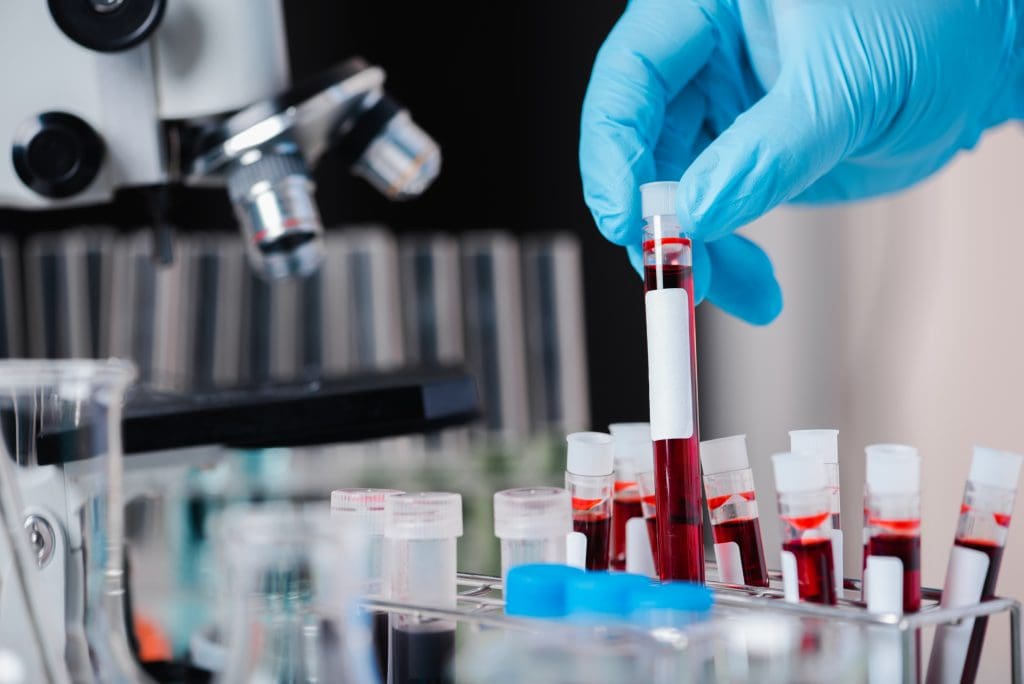
Identifying thalassemia is tricky because it looks like other anemias. It’s a genetic disorder that affects how the body makes hemoglobin. This makes it hard to tell it apart from other blood disorders.
Overlapping Symptoms with Other Conditions
Thalassemia can cause symptoms like fatigue, pale skin, and shortness of breath. These are also signs of other anemias, like iron deficiency anemia and sickle cell anemia. This makes it easy to get the diagnosis wrong if not checked carefully.
For example, someone with thalassemia might first be thought to have iron deficiency anemia. But later, they find out they have something more complex.
Laboratory Testing Limitations
Tests like a complete blood count (CBC) are often the first step in diagnosing thalassemia. But a CBC alone might not be enough. It can’t tell you the exact type of hemoglobinopathy you have.
Specialized tests like hemoglobin electrophoresis or genetic testing are needed. They can show the specific genetic mutations causing thalassemia.
| Diagnostic Test | Purpose | Relevance to Thalassemia |
| Complete Blood Count (CBC) | Measures various components of blood | Initial screening; cannot confirm thalassemia |
| Hemoglobin Electrophoresis | Identifies different types of hemoglobin | Crucial for diagnosing thalassemia and identifying its type |
| Genetic Testing | Detects genetic mutations causing thalassemia | Confirms diagnosis and identifies carriers |
Access to Specialized Diagnostic Tools
Not every healthcare place has the tools needed to accurately diagnose thalassemia. This can cause delays or wrong diagnoses, mainly in areas with less developed healthcare.
Advanced diagnostic techniques are key for correct thalassemia identification. Making sure these tools are available is vital for better diagnosis and treatment.
thalassemia misdiagnosis risk
Iron Deficiency Anemia vs. Thalassemia
Iron deficiency anemia and thalassemia are two different health issues. They can look similar, making it hard to tell them apart. Both need the right diagnosis for proper treatment.
Both conditions cause anemia, leading to symptoms like tiredness, weakness, and shortness of breath. This makes it tough to figure out which one you have.
Key Differentiating Factors
Iron deficiency anemia happens when you don’t have enough iron. Thalassemia, on the other hand, is a genetic disorder that affects how your body makes hemoglobin. Knowing the difference is key to managing your condition.
Tests can help tell these conditions apart. A complete blood count (CBC) can give some clues. But, more tests are needed to be sure.
Diagnostic Approaches to Distinguish Between the Two
Tests like iron level measurements and hemoglobin electrophoresis are used. Iron tests show if you have iron deficiency anemia. Hemoglobin electrophoresis helps spot thalassemia by looking at your hemoglobin types.
iron deficiency anemia vs thalassemia diagnosis
| Characteristics | Iron Deficiency Anemia | Thalassemia |
| Cause | Lack of iron | Genetic disorder |
| Diagnostic Test | Iron level measurement | Hemoglobin electrophoresis |
| Treatment Approach | Iron supplementation | Regular blood transfusions, iron chelation therapy |
Sickle Cell Anemia and Its Resemblance to Thalassemia
Thalassemia and sickle cell anemia are genetic disorders that affect hemoglobin production. They have different characteristics. Sickle cell anemia makes red blood cells misshapen and break down. This can cause anemia, infections, and serious health problems.
Both sickle cell anemia and thalassemia are inherited conditions that affect hemoglobin. They share common symptoms like anemia, fatigue, and jaundice. The genetic basis of both involves mutations in genes responsible for hemoglobin production.
It can be hard to tell them apart without specific tests. Both can cause hemolytic anemia, where red blood cells are destroyed too fast.
Distinguishing Characteristics
Despite similarities, sickle cell anemia and thalassemia have key differences. Sickle cell anemia causes red blood cells to sickle, leading to vaso-occlusive crises. This is not typical in thalassemia.
Key differences include:
- The nature of the hemoglobin defect: Sickle cell anemia has a qualitative defect in hemoglobin (HbS), while thalassemia has a quantitative defect in hemoglobin production.
- complications: Sickle cell anemia causes vaso-occlusive crises, while thalassemia major can lead to severe anemia needing regular transfusions.
- Diagnostic tests: Specific tests like hemoglobin electrophoresis can tell them apart.
Co-inheritance of Sickle Cell Trait and Thalassemia
In some populations, people can have both sickle cell trait and thalassemia. This can lead to a condition with features of both diseases. The severity of the condition depends on the specific genetic mutations.
It’s important to understand the genetic and features of both conditions for accurate diagnosis and management. Genetic counseling and prenatal diagnosis are key for families affected by these conditions.
Hemolytic Anemias That Mimic Thalassemia
Hemolytic anemias are when red blood cells break down too early. They can look like thalassemia because they share some signs and lab results. This makes it hard to tell them apart.
Hereditary Spherocytosis
Hereditary spherocytosis is a genetic disorder that messes up red blood cell production. It leads to early destruction of these cells. People with this condition often have anemia, jaundice, and a big spleen.
To diagnose it, use tests like osmotic fragility and genetic analysis.
G6PD Deficiency
G6PD deficiency is a genetic disorder that makes red blood cells break down easily. It’s more common in men. It can be caused by infections, some medicines, or certain foods.
Pyruvate Kinase Deficiency
Pyruvate kinase deficiency is a rare genetic disorder. It affects an enzyme needed for red blood cells to work right. This leads to hemolytic anemia, which can be mild or severe.
Other Rare Hemolytic Disorders
Other rare conditions like hereditary elliptocytosis and congenital dyserythropoietic anemia can also look like thalassemia. They share some symptoms.
To tell these conditions apart from thalassemia, need to do a thorough check. This includes:
- Complete blood count (CBC) analysis
- Hemoglobin electrophoresis
- Genetic testing for specific mutations
- Enzyme assays for G6PD and pyruvate kinase deficiencies
Knowing the unique traits of each condition is key to making the right diagnosis and treatment plan.
hemolytic anemia and thalassemia
| Condition | Key Features | Diagnostic Tests |
| Hereditary Spherocytosis | Anemia, jaundice, splenomegaly | Osmotic fragility testing, genetic analysis |
| G6PD Deficiency | Hemolysis triggered by infections or medications | G6PD enzyme assay |
| Pyruvate Kinase Deficiency | Hemolytic anemia ranging from mild to severe | Pyruvate kinase enzyme assay, genetic testing |
Autoimmune Hemolytic Anemia: A Common Thalassemia Mimicker
AIHA is often missed but can look like thalassemia. It’s important to understand how it works. In AIHA, the immune system attacks the body’s own red blood cells. This leads to anemia, which can look like thalassemia.
Pathophysiology and Presentation
AIHA happens when the body makes antibodies against its own red blood cells. This marks them for destruction. Symptoms like fatigue and jaundice are similar to thalassemia.
Diagnostic Challenges
Diagnosing AIHA is tricky because it looks like other anemias, including thalassemia. Tests like the direct antiglobulin test (DAT) are key. But, some antibodies can make the diagnosis harder.
Treatment Differences
AIHA treatment is different from thalassemia. For AIHA, use drugs to stop the body from making antibodies. Corticosteroids are often the first choice, with other drugs used if needed.
| Characteristics | Autoimmune Hemolytic Anemia (AIHA) | Thalassemia |
| Primary Cause | Autoantibodies against red blood cells | Genetic mutation affecting hemoglobin production |
| Main Symptoms | Anemia, jaundice, fatigue | Anemia, jaundice, fatigue |
| Diagnostic Test | Direct Antiglobulin Test (DAT) | Hemoglobin Electrophoresis, Genetic Testing |
| Treatment | Corticosteroids, Immunosuppressive Therapy | Blood Transfusions, Iron Chelation Therapy |
thalassemia vs autoimmune hemolytic anemia
Myelodysplastic Syndromes and Their Overlap with Thalassemia
Myelodysplastic syndromes (MDS) and thalassemia often cause confusion in diagnosis. MDS is a disorder where the bone marrow doesn’t work right, leading to anemia and other problems. These symptoms can also be seen in thalassemia.
myelodysplastic syndrome and thalassemia
MDS and thalassemia share many signs and lab results. Both can cause anemia, fatigue, and look pale. They also show similar red blood cell issues. But, we need special tests to tell them apart.
The main similarities are:
- Anemia and related symptoms
- Abnormal red blood cell morphology
- Ineffective erythropoiesis
Age-Related Considerations
MDS often affects older people, while thalassemia can happen at any age. When an older person has anemia, MDS is a possible cause. Thalassemia usually shows up in kids or teens.
Prognostic Differences
The outlook for MDS varies a lot. It depends on the type, age, and health of the patient. Some MDS can turn into AML, a serious disease. Thalassemia, though, has a more set course, needing lifelong treatments.
Getting the right diagnosis is key. It helps us manage MDS and thalassemia better, improving patient care.
Other Hereditary Blood Disorders Confused with Thalassemia
Many hereditary blood conditions look and act like thalassemia, making it hard to diagnose. These conditions have some genetic and traits similar to thalassemia. This makes it tough to figure out what’s going on.
Hereditary Persistence of Fetal Hemoglobin
Hereditary persistence of fetal hemoglobin (HPFH) means you keep making fetal hemoglobin as an adult. It’s usually harmless but can be mistaken for thalassemia because of high fetal hemoglobin levels. HPFH has balanced alpha and non-alpha globin chains, unlike thalassemia.
Congenital Dyserythropoietic Anemias
Congenital dyserythropoietic anemias (CDAs) are rare genetic disorders that affect red blood cell production. They cause anemia, jaundice, and big spleens, similar to thalassemia. But CDAs have unique red blood cell problems and don’t make enough red blood cells.
Diamond-Blackfan Anemia
Diamond-Blackfan anemia (DBA) is a rare disorder where your body can’t make enough red blood cells. It causes anemia and has some symptoms like thalassemia. But DBA is different because it often comes with physical problems and a higher risk of cancer.
Fanconi Anemia
Fanconi anemia (FA) is a genetic disorder that makes it hard for your body to fix DNA damage. This leads to bone marrow failure and a higher risk of cancer. FA can cause anemia and other blood problems, similar to thalassemia. But it’s known for its birth defects, unstable chromosomes, and high cancer risk.
Getting a correct diagnosis for these blood disorders needs a detailed approach. This includes genetic tests, bone marrow checks, and a full medical review. It’s important to tell these conditions apart from thalassemia to get the right treatment.
Conditions Mistaken for Thalassemia in Special Populations
Special groups face unique challenges in diagnosingthalassemia. Children, pregnant women, and the elderly are more likely to be misdiagnosed. This is due to symptoms that can look like other conditions and changes in lab results with age.
Pediatric Considerations
Diagnosing thalassemia in kids is tough because it looks like other anemias. We must think about the child’s age, how they’re growing, and their family history when looking for thalassemia.
Key factors in pediatric thalassemia diagnosis include:
- Family history of thalassemia or other hemoglobinopathies
- Presence of anemia and its severity
- Growth and development patterns
Pregnancy-Related Anemias
Pregnancy makes diagnosing thalassemia harder because of changes that can hide or mimic symptoms. Anemia is common in pregnancy. It’s important to tell thalassemia apart from other anemias that happen during pregnancy.
| Condition | Characteristics | Diagnostic Challenges |
| Thalassemia in Pregnancy | Microcytic anemia, often with a family history | Dilutional anemia of pregnancy can mask severity |
| Pregnancy-Related Anemia | Normocytic or microcytic anemia, often due to iron deficiency | Similar laboratory findings to thalassemia |
Elderly Patients with Anemia
Anemia is common in older adults, making it hard to tell thalassemia apart from other causes. Age and other health issues can make diagnosis tricky.
Age-related considerations include:
- Presence of comorbid conditions such as chronic kidney disease or malignancy
- Medication use that may affect hematopoiesis
- Potential for nutritional deficiencies
Ethnic and Genetic Factors
Diagnosing thalassemia is also influenced by ethnicity and genetics. Some groups are more likely to have thalassemia. Knowing these genetic risks is key to accurate diagnosis.
By looking at these factors and using a mix of checks, lab tests, and genetic studies, we can better diagnose thalassemia in special groups.
Diagnostic Testing to Differentiate Thalassemia from Similar Conditions
To accurately diagnose thalassemia, we use a mix of tests. These tests help us tell it apart from other blood disorders. We check for other conditions that might look similar.
Complete Blood Count Analysis
A complete blood count (CBC) is often the first test. It shows the red blood cell count and hemoglobin levels. These signs can point to anemia.
Key CBC parameters like mean corpuscular volume (MCV) and mean corpuscular hemoglobin (MCH) are often low in thalassemia.
Hemoglobin Electrophoresis
Hemoglobin electrophoresis is key for finding the type of hemoglobin in red blood cells. It spots abnormal hemoglobin types. It’s very helpful for diagnosing beta-thalassemia major and other severe types.
Genetic Testing
Genetic testing is important for confirming thalassemia, when tests like CBC and electrophoresis are not clear. DNA analysis finds the HBB or HBA gene mutations. This leads to a precise diagnosis and helps with genetic counseling.
Bone Marrow Examination
Sometimes, a bone marrow test is done. It checks the bone marrow’s activity and rules out other disorders. It’s not always needed but can be helpful in tricky cases.
By using these tests together, we can accurately diagnose thalassemia. This ensures patients get the right treatment and care.
When thalassemia is misdiagnosed, it can lead to a cascade of negative outcomes for the patient. Misdiagnosis not only affects the treatment plan but also has profound implications on the patient’s quality of life.
Delayed or Inappropriate Treatment
One of the most immediate consequences of thalassemia misdiagnosis is the delay or inappropriateness of treatment. Patients might receive treatments that are not tailored to their actual condition, potentially worsening their health status. For instance, a patient misdiagnosed with iron deficiency anemia might receive iron supplements, which could be harmful if they actually have thalassemia.
Psychological Burden on Patients
The psychological impact of misdiagnosis should not be underestimated. Patients who are misdiagnosed may experience anxiety, depression, or frustration due to the lack of improvement in their condition despite ongoing treatment. The uncertainty and mistrust in the healthcare system can further exacerbate these feelings.
Financial Implications
Misdiagnosis can also have significant financial implications. Patients may undergo unnecessary tests, treatments, or hospitalizations, leading to increased healthcare . The loss of productivity due to prolonged illness can further strain the financial situation of the patient and their family.
Long-term Health Outcomes
Long-term health outcomes can be severely affected by thalassemia misdiagnosis. Delayed treatment can lead to complications such as organ damage, growth and development issues in children, and an increased risk of infections. Accurate and timely diagnosis is critical to prevent these complications and ensure the best possible health outcomes.
In conclusion, the misdiagnosis of thalassemia has far-reaching consequences that affect not only the patient’s health but also their psychological well-being and financial stability. It is imperative that healthcare providers employ a thorough diagnostic approach to minimize the risk of misdiagnosis and ensure that patients receive appropriate and timely treatment.
Case Studies: When Thalassemia Was Initially Misdiagnosed
Diagnosing thalassemia can be tricky. Case studies show how it was first misdiagnosed. These stories show the challenges face in spotting thalassemia and telling it apart from other diseases.
Case 1: Mistaken for Iron Deficiency
A 25-year-old woman had severe anemia and was thought to have iron deficiency. But iron supplements didn’t help. Tests later showed she had beta-thalassemia major.
This case teaches us to think of thalassemia in severe anemia cases. It’s key when iron doesn’t work.
Case 2: Confused with Myelodysplastic Syndrome
A 40-year-old man was told he had myelodysplastic syndrome (MDS). But genetic tests showed he had alpha-thalassemia trait, causing his anemia.
This case shows the need for detailed tests, like genetic analysis. It helps to correctly diagnose thalassemia and not confuse it with other diseases.
Case 3: Misdiagnosed as Autoimmune Hemolytic Anemia
A 30-year-old man was first thought to have autoimmune hemolytic anemia (AIHA). But tests like hemoglobin electrophoresis and family studies showed he had thalassemia intermedia.
This case teaches us to consider thalassemia when diagnosing hemolytic anemia. Even if tests point to AIHA.
Lessons Learned from Misdiagnosis
These stories teach us important lessons:
- Comprehensive Diagnostic Testing: Using many tests, like hemoglobin electrophoresis and genetic testing, is key to diagnosing thalassemia right.
- Suspicion: Always suspect thalassemia in anemia cases, more so in areas where it’s common.
- Family Studies: Family studies help confirm thalassemia diagnosis.
- Avoiding Misdiagnosis: Knowing about conditions like iron deficiency anemia, MDS, and AIHA helps avoid thalassemia misdiagnosis.
By learning from these cases, can get better at diagnosing thalassemia. This helps in managing the disease better for patients.
Conclusion: Ensuring Accurate Diagnosis of Thalassemia
Getting a correct diagnosis for thalassemia needs a detailed plan. This includes checking the patient’s health, doing lab tests, and looking at their genes. We’ve talked about how thalassemia can be confused with other conditions. This shows how complex diagnosing thalassemia can be and why it’s key to tell it apart from other blood disorders.
It’s important for to know the differences and similarities between thalassemia and other blood issues. By using both checks and advanced lab tests like hemoglobin electrophoresis and genetic tests, we can make sure patients get the right treatment. This way, they can get the care they need for their condition.
Getting thalassemia right is vital for better patient results and care. By using a detailed diagnostic method, we can lower the chance of wrong diagnoses. This ensures patients get the top care they deserve.
FAQ
What are the common conditions mistaken for thalassemia?
Iron deficiency anemia, sickle cell anemia, autoimmune hemolytic anemia, and myelodysplastic syndromes are often confused with thalassemia. This is because they share similar symptoms and lab results.
What are the challenges in diagnosing thalassemia in special populations?
Diagnosing thalassemia in certain groups, like kids, pregnant women, and the elderly, is tough. This is because they might show signs that look like other diseases.
What is the importance of accurate diagnosis of thalassemia?
Getting thalassemia right is key. It ensures the right treatment and care. This improves health outcomes and prevents serious problems later on.
What are the consequences of misdiagnosing thalassemia?
If thalassemia is misdiagnosed, it can lead to wrong treatment. This causes stress, financial issues, and can harm health in the long run.
How can genetic testing help in diagnosing thalassemia?
Genetic testing is a big help in diagnosing thalassemia. It spots the genetic changes that cause the disease. This makes it easier to tell it apart from other similar conditions.
What is the role of hemoglobin electrophoresis in diagnosing thalassemia?
Hemoglobin electrophoresis is a test that spots abnormal hemoglobin types. It’s vital for diagnosing thalassemia and differentiating it from other hemoglobinopathies.
Can thalassemia be misdiagnosed as sickle cell anemia?
Yes, thalassemia can be mistaken for sickle cell anemia because of similar symptoms and lab results. But, tests like hemoglobin electrophoresis and genetic testing can tell them apart.
How can myelodysplastic syndromes be distinguished from thalassemia?
Myelodysplastic syndromes can be told apart from thalassemia with tests like a bone marrow exam and genetic testing. These tests help find the real cause of the anemia.