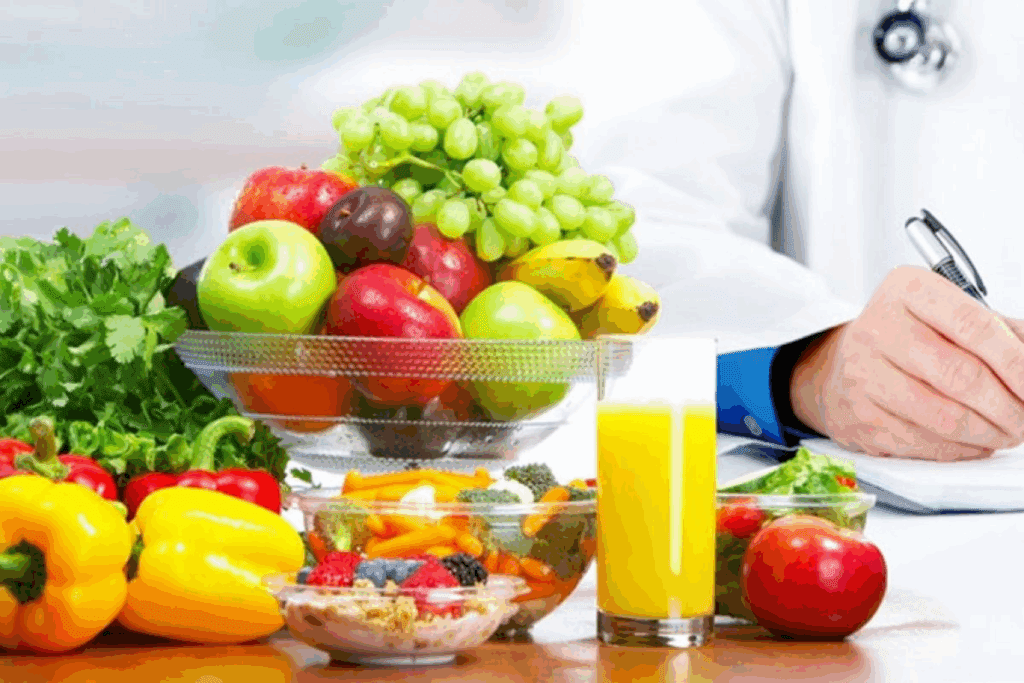
Knowing what to eat after bariatric surgery is key to a safe recovery and lasting success. At Liv Hospital, we stress the need for a gradual diet change. This helps patients get used to their new nutritional needs.
After gastric bypass surgery, patients need to eat foods rich in nutrients and control their portions. This big change is important for losing weight and staying healthy.
Key Takeaways
- Follow a staged diet progression after gastric bypass surgery.
- Prioritize nutrient-rich foods for optimal nutrition.
- Practice portion control to support weight loss.
- Understand the importance of dietary changes for long-term success.
- Seek guidance from healthcare professionals for a smooth recovery.
The Gastric Bypass Diet: A New Relationship with Food
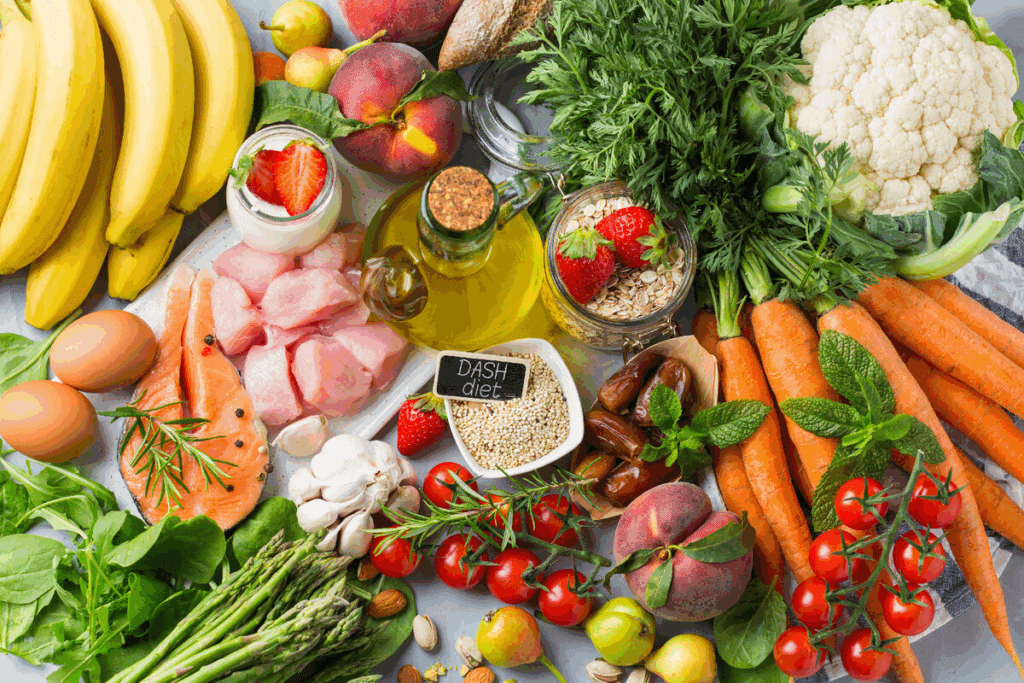
After gastric bypass surgery, patients see big changes in how they digest food. They need to rethink what they eat and how their body handles it. Understanding these changes is key to a smooth recovery.
How Surgery Changes Your Digestive System
Gastric bypass surgery makes a small pouch from the stomach and connects it to the small intestine. This reconfiguration changes how food is absorbed. It limits stomach size and affects nutrient absorption.
Patients must adjust their diet to fit their new digestive system. They need to watch what they eat, how much, and when. This helps avoid discomfort and ensures they get the nutrients they need.
Why Proper Nutrition Is Critical for Recovery
Good nutrition after surgery is crucial for healing. It provides the body with what it needs to recover. It also helps manage digestion and absorption changes.
A balanced diet prevents nutrient deficiencies and other issues. Eating nutrient-rich foods helps patients adjust to their new bodies. This sets them up for long-term success.
Stage 1: Clear Liquids Diet
After gastric bypass surgery, your diet in the first stage is key to a smooth recovery. The clear liquids diet is gentle on your stomach as it heals.
Recommended Clear Liquids
At this stage, you should only drink clear liquids that are easy to digest. Recommended options include:
- Water
- Clear broths (chicken or beef)
- Electrolyte-rich beverages like sports drinks
- Sugar-free gelatin
- Decaffeinated tea or coffee
It’s important to avoid liquids with pulp, caffeine, and high sugar content as they can cause discomfort or complications.
Hydration and Protein Goals
Staying hydrated is vital during the clear liquids diet stage. Aim for at least 64 ounces (1.9 liters) of fluid per day. Also, meeting your protein goals is key to healing. While clear liquids may not have much protein, start with small amounts of protein-rich supplements.
Managing the First Week After Surgery
The first week after gastric bypass surgery can be tough, but with the right strategies, you can get through it. Tips for managing this stage include:
- Sipping liquids slowly to avoid discomfort
- Using a straw to help with sipping
- Monitoring your urine output to ensure you’re staying hydrated
- Keeping a log of your fluid intake
By following these guidelines and sticking to your clear liquids diet, you’ll be on the right path to a successful recovery.
Stage 2: Pureed Foods Phase
The pureed foods phase, or Stage 2, is a key time for careful diet planning. It helps us recover smoothly. We start adding more nutrients to our diet, which is important for healing and nutrition.
Protein-Rich Pureed Options
Protein is very important during recovery. Pureed foods rich in protein help meet our nutritional needs. Good options include:
- Pureed chicken or turkey
- Greek yogurt
- Pureed fish (like salmon or cod)
- Protein shakes or supplements (if recommended by a healthcare provider)
- Pureed beans or lentils
These foods are not only high in protein but also easy on the stomach. They’re perfect for this stage.
How to Properly Prepare Pureed Foods
Preparing pureed foods needs care to ensure they’re safe and nutritious. Here are some tips:
- Cook foods until they are tender before pureeing.
- Use a blender or food processor to achieve a smooth consistency.
- Strain the puree if necessary to remove any lumps or fibers.
- Serve at room temperature or slightly warm, as very hot or cold foods can be uncomfortable.
Sample Meal Plan for Stage 2
A sample meal plan can guide us through this transition. Here’s an example of a day’s meals:
| Meal | Food | Protein Content |
| Breakfast | Pureed Greek yogurt with fruit | 15g |
| Mid-Morning Snack | Protein shake | 20g |
| Lunch | Pureed chicken with mashed vegetables | 25g |
| Afternoon Snack | Cottage cheese | 18g |
| Dinner | Pureed fish with pureed sweet potatoes | 22g |
This meal plan gives us about 100g of protein, meeting our daily needs. We can adjust it based on our individual needs and doctor’s advice.
Stage 3: Soft Foods Transition
The soft foods transition is a big step in your recovery after gastric bypass surgery. You’re getting ready to eat more solid foods. But you’ll keep choosing foods that are full of nutrients.
Introducing Soft Proteins and Vegetables
In Stage 3, you’ll start eating soft proteins and vegetables. These foods should be tender and easy to mash with a fork. Good soft proteins include:
- Flaky fish (like cod or tilapia)
- Tender chicken or turkey breast
- Soft-cooked eggs
- Tofu
For vegetables, choose soft-cooked ones like:
- Mashed or soft-cooked carrots
- Steamed green beans
- Soft-cooked broccoli
- Mashed sweet potatoes
Texture Progression Guidelines
When you start eating soft foods, do it slowly. Begin with foods that are mostly smooth but have some soft lumps. As you get used to it, you can try foods with more texture. Always:
- Chew your food well
- Eat slowly
- Stop if you feel uncomfortable or in pain
Foods to Avoid During This Stage
Even with softer foods, there are some you should not eat:
- Tough or dry meats
- Raw or undercooked vegetables
- High-fiber foods that are hard to chew
- Sticky or dry foods can cause discomfort
By carefully adding soft proteins and vegetables, following the texture guidelines, and avoiding bad foods, you’ll do well in Stage 3. You’ll keep moving forward on your path to better health after gastric bypass surgery.
What Can You Eat After Gastric Bypass: The 12 Essential Foods
Knowing the right foods to eat after gastric bypass surgery is key to a good recovery. Your body needs a diet full of nutrients to heal and adjust to the new digestive system. Here are the 12 essential foods for patients after gastric bypass surgery. They include high-quality protein sources, nutrient-dense vegetables and fruits, and healthy carbohydrates and fats.
High-Quality Protein Sources
Protein is vital for healing and keeping muscle mass after gastric bypass surgery. Here are some high-quality protein sources:
- Lean Meats: Chicken, turkey, and lean beef are excellent sources of protein.
- Fish: Fatty fish like salmon are not only high in protein but also rich in omega-3 fatty acids.
- Eggs: Eggs are a versatile and protein-rich food that can be prepared in many ways.
- Greek Yogurt: High in protein and low in sugar, Greek yogurt is an ideal snack or meal supplement.
Nutrient-Dense Vegetables and Fruits
Nutrient-dense vegetables and fruits provide essential vitamins, minerals, and fiber. Some key options include:
- Leafy Greens: Spinach, kale, and other leafy greens are rich in iron and vitamins.
- Berries: Berries are packed with antioxidants and fiber, making them a great snack.
- Citrus Fruits: Oranges, lemons, and limes are high in vitamin C, aiding in iron absorption.
- Broccoli: Rich in vitamins C and K, broccoli supports immune function and bone health.
Healthy Carbohydrates and Fats
Healthy carbohydrates and fats are key to energy and overall health. Consider the following:
- Whole Grains: Brown rice, quinoa, and whole wheat bread provide sustained energy and fiber.
- Avocados: Rich in healthy fats, avocados support heart health and provide a feeling of fullness.
- Nuts and Seeds: Almonds, chia seeds, and flaxseeds are rich in healthy fats and fiber.
- Olive Oil: A healthy source of fat, olive oil is ideal for cooking and dressings.
By adding these 12 essential foods to your diet, you can ensure you’re getting the necessary nutrients for a successful recovery and long-term health after gastric bypass surgery.
Portion Control: Your New Normal
After gastric bypass surgery, you’ll need to control your portions. This is key to your recovery and health. Your stomach can now hold less food, so learning to eat right is important.
Understanding Your New Stomach Capacity
Your stomach can hold much less food after surgery. At first, it’s very small, but it will grow a bit. It’s important to know this to change how you eat.
Measuring Portions Through Recovery Stages
As you get better, how you measure food will change. You’ll start with tiny amounts and slowly eat more. Using cups or a scale can help you get the right size.
Visual Guides for Portion Sizes
Visual guides can really help with portion sizes. For example, a serving is the size of your palm. A veggie serving is like what you can hold in your cupped hand.
Essential Eating Techniques for Success
After gastric bypass surgery, it’s key to learn the right eating habits. We’ll show you the best ways to eat after surgery. This will help you get back to eating well.
The Importance of Eating Slowly
Eating slowly is very important after gastric bypass surgery. It helps your stomach digest food better and lowers the chance of problems. Try to eat a meal for at least 30 minutes.
“Eating slowly is not just about the pace; it’s about being mindful of your body’s signals.” Being aware of your body can stop you from eating too much and feeling uncomfortable.
Chewing Thoroughly to Prevent Complications
Chewing your food well is another important habit. It makes sure your body can break down food properly, avoiding blockages or other issues.
- Chew each bite at least 20-30 times.
- Take small bites to ease the digestion process.
- Avoid rushing through your meals.
Separating Liquids from Solid Foods
Drinking liquids apart from solid foods can prevent dumping syndrome. This is a common problem after gastric bypass surgery.
“Drinking liquids between meals instead of with meals can greatly lower the risk of dumping syndrome.”
This small change can greatly improve your comfort and health.
Meal Timing and Frequency
Changing your meal times and how often you eat is also key. We suggest eating smaller, more frequent meals all day.
This helps control hunger, keeps your energy steady, and makes sure you get enough nutrients.
- Eat 3-6 small meals per day.
- Space your meals to keep your energy stable.
- Listen to your body and adjust as needed.
Preventing Complications: Foods and Habits to Avoid
Knowing which foods and habits to avoid is key to a smooth recovery after gastric bypass surgery. Patients must be careful with their diet to avoid complications. These can come from eating the wrong foods or having bad eating habits.
Understanding Dumping Syndrome
Dumping syndrome is a condition that can happen after gastric bypass surgery. It happens when food moves too fast from the stomach to the small intestine. Symptoms include nausea, vomiting, diarrhea, and stomach cramps.
To avoid dumping syndrome, it’s important to stay away from high-sugar foods and drinks.
High-Sugar and High-Fat Foods
Eating high-sugar and high-fat foods can cause problems like dumping syndrome and weight gain. Avoid sugary snacks, desserts, and high-fat dairy products. Instead, choose nutrient-rich foods that help with your health and weight loss.
| Food Category | Foods to Avoid | Recommended Alternatives |
| Sugary Foods | Cakes, cookies, sugary cereals | Fresh fruits, unsweetened yogurt |
| High-Fat Foods | Fried foods, high-fat dairy | Lean proteins, low-fat dairy |
Difficult-to-Digest Items
Some foods are hard to digest after gastric bypass surgery. These include tough meats, dry bread, and raw veggies. Try cooking or steaming them until they’re soft. Or, avoid them if they make you uncomfortable.
Alcohol and Carbonated Beverages
Alcohol and carbonated drinks can be risky after gastric bypass surgery. Alcohol can be stronger because of how the body processes it. Carbonated drinks can cause discomfort and gas. It’s best to limit or avoid these to prevent problems.
By knowing and avoiding these foods and habits, patients can lower their risk of complications after gastric bypass surgery. This helps support their long-term health and weight loss goals.
Nutritional Supplements After Gastric Bypass
After gastric bypass surgery, it’s key to focus on nutritional supplements. This surgery changes how the body digests food. Without the right supplements, patients can face nutritional deficiencies.
Essential Vitamins and Minerals
Patients after gastric bypass surgery need to watch out for vitamin and mineral deficiencies. Vitamin B12, iron, calcium, and vitamin D are very important. They help keep red blood cells healthy, support bone density, and overall health.
It’s important for patients to talk to their healthcare provider about supplements. Regular blood tests can spot deficiencies early. This allows for quick action to correct them.
Protein Supplements
Protein is essential for healing and keeping muscle mass after surgery. Many struggle to get enough protein from food alone. That’s where protein supplements come in.
Choose protein supplements that are low in sugar and fat. It’s also important to spread out protein intake throughout the day. This helps meet daily needs.
Working with Your Healthcare Team
Working with a healthcare team is vital for managing supplements. Regular check-ups and blood tests help keep track of nutritional levels. This allows for any needed adjustments to supplements.
We suggest patients stay in touch with their healthcare providers about any issues with supplements. If they experience any side effects, they should report them. This way, patients and their healthcare teams can create a plan that supports long-term health.
Practical Meal Planning and Preparation Tips
After gastric bypass surgery, meal planning is key to your recovery. It can be tough to adjust to new diets, but with the right strategies, you can succeed.
Batch Cooking for Bariatric Success
Batch cooking helps you have healthy, protein-rich meals ready when you need them. It saves time and reduces stress about what to eat. Here are some batch cooking tips:
- Choose recipes that are high in protein and low in sugar and fat.
- Prepare individual portions to make mealtime easier.
- Use a slow cooker or Instant Pot for convenient cooking.
- Freeze meals for later use, ensuring you always have a healthy option available.
Quick and Easy High-Protein Recipes
High-protein foods are vital after gastric bypass surgery for healing and health. Here are some quick and easy high-protein recipe ideas:
- Greek Yogurt Parfait: Layer Greek yogurt, berries, and granola for a protein-packed snack.
- Protein Smoothie: Blend protein powder, almond milk, and frozen fruit for a quick and nutritious meal.
- Grilled Chicken and Vegetables: Marinate chicken breast and grill with your favorite vegetables for a healthy dinner.
Dining Out After Gastric Bypass
Dining out after gastric bypass surgery can be tough, but with planning, you can make healthy choices. Here are some tips:
- Research the restaurant menu beforehand to identify healthy options.
- Choose protein-rich dishes and avoid high-sugar and high-fat foods.
- Be mindful of portion sizes and consider sharing a meal or taking some home.
Handling Social Situations and Food Events
Social situations and food events can be daunting after gastric bypass surgery. Here are some strategies to help you navigate these situations:
- Plan by eating a small, protein-rich snack before attending events.
- Be prepared to politely decline food offerings that don’t align with your dietary needs.
- Focus on socializing and enjoy the company of others.
By following these meal planning and preparation tips, you can successfully manage the challenges of gastric bypass surgery. You can reach your health goals.
Conclusion: Your Lifelong Journey to Health
As we wrap up our look at the gastric bypass diet and lifestyle, it’s clear this is a lifelong journey. The choices you make after surgery are key to long-term health.
We’ve talked about the different stages of the gastric bypass diet. From clear liquids to soft foods, and the 12 essential foods you’ll need. We’ve also stressed the importance of portion control, eating techniques, and supplements to avoid problems.
Your journey to health needs ongoing dedication to healthy choices. By making smart decisions about your diet and lifestyle, you can lose weight and improve your health. We urge you to stay focused on your health goals and work with your healthcare team for success.
By following these tips and staying committed to your health, you can overcome the challenges of gastric bypass surgery. Enjoy a healthier, more fulfilling life.
FAQ
What can you eat after gastric bypass surgery?
After gastric bypass surgery, you’ll go through different food stages. First, you’ll eat clear liquids, then pureed foods, soft foods, and regular foods. Focus on high-quality protein, nutrient-dense veggies and fruits, and healthy fats and carbs.
How much can you eat after a gastric bypass?
Your stomach size will be much smaller after surgery. You’ll need to eat small, frequent meals. At first, your stomach can hold 1-2 ounces of food or liquid. This will increase to 4-6 ounces as you recover.
What foods to eat after a gastric bypass?
You should eat high-quality proteins like lean meats, fish, eggs, and dairy. Also, choose nutrient-dense veggies and fruits. Don’t forget to include healthy fats and carbs in your diet.
What to eat after bariatric surgery?
The diet after bariatric surgery is similar to gastric bypass. You’ll start with clear liquids, then move to pureed foods, soft foods, and regular foods. Stick to nutrient-dense foods, including proteins, veggies, fruits, and whole grains.
How much can you eat after a gastric sleeve?
After gastric sleeve surgery, your stomach size is also reduced. You’ll eat smaller, more frequent meals. Start with 1-2 ounces of food or liquid and increase to 4-6 ounces as you recover.
What are the best foods to eat after a gastric bypass?
The best foods after gastric bypass are high-quality proteins, nutrient-dense veggies and fruits, and healthy fats and carbs. Good choices include lean meats, fish, eggs, dairy, leafy greens, broccoli, berries, and whole grains.
What foods should be avoided after a gastric bypass?
Avoid high-sugar and high-fat foods, hard-to-digest items, and carbonated drinks. Also, limit or avoid alcohol and foods that can cause dumping syndrome.
How do I manage portion sizes after gastric bypass?
Use visual guides, measuring cups, and a food scale to manage portion sizes. Eat small, frequent meals to avoid overeating and prevent complications.
What nutritional supplements are necessary after a gastric bypass?
You may need vitamins and minerals like vitamin B12, iron, and calcium, as well as protein supplements. Work with your healthcare team to find the right supplements for you.
How can I handle social situations and food events after a gastric bypass?
Plan by eating a small meal before going to events. Choose nutrient-dense foods and be mindful of portion sizes. Don’t hesitate to ask questions or decline foods that don’t fit your diet.
What are some practical meal planning and preparation tips after gastric bypass?
Batch cooking and preparing quick, high-protein recipes are helpful. Pack healthy snacks and adapt your favorite recipes to fit your new diet.
How do I prevent complications after gastric bypass?
Eat slowly, chew well, and separate liquids from solids. Avoid high-sugar and high-fat foods. Stay hydrated, take supplements as directed, and follow your healthcare team’s advice.
Reference:
Dagan, S. S., Goldenshluger, A., Globus, I., Schweiger, C., Kessler, Y., Sandbank, G., & Goitein, D. (2017). Nutritional recommendations for adult bariatric surgery patients: Clinical practice. Frontiers in Endocrinology.https://pmc.ncbi.nlm.nih.gov/articles/PMC5347111/



 Departments
 Related Videos
 Our Doctors
 News
News