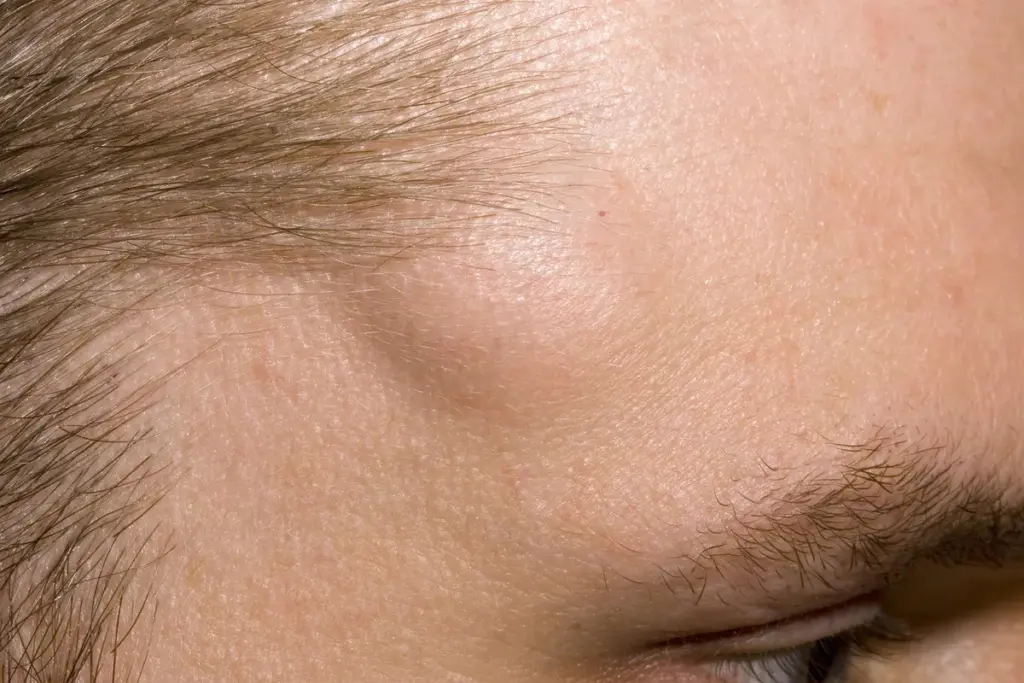
When you find a hard lump in my head during the day, it can be scary. But, most of these lumps are not serious. They are usually harmless cysts or minor injuries.
At Liv Hospital, we use advanced diagnostic tools to figure out what these lumps are. While a cancerous lump is a worry, it’s not common. Our doctors are both skilled and caring, helping patients from around the world.
It’s key to know about symptoms like headaches or trouble balancing. If you have a knot that won’t go away, get it checked. Our team is here to give you top-notch care and support for your health.
Key Takeaways
- Most hard lumps are benign conditions like cysts or harmless skin growths.
- Cancerous cases are rare but require precise medical evaluation for clarity.
- Brain tumors vary in size and impact based on their specific location.
- Common symptoms include persistent nausea, headaches, and balance problems.
- Liv Hospital offers multidisciplinary expertise for accurate and rapid diagnosis.
- International patients receive personalized treatment plans and dedicated support services.
Common Benign Causes of a Knot on Head
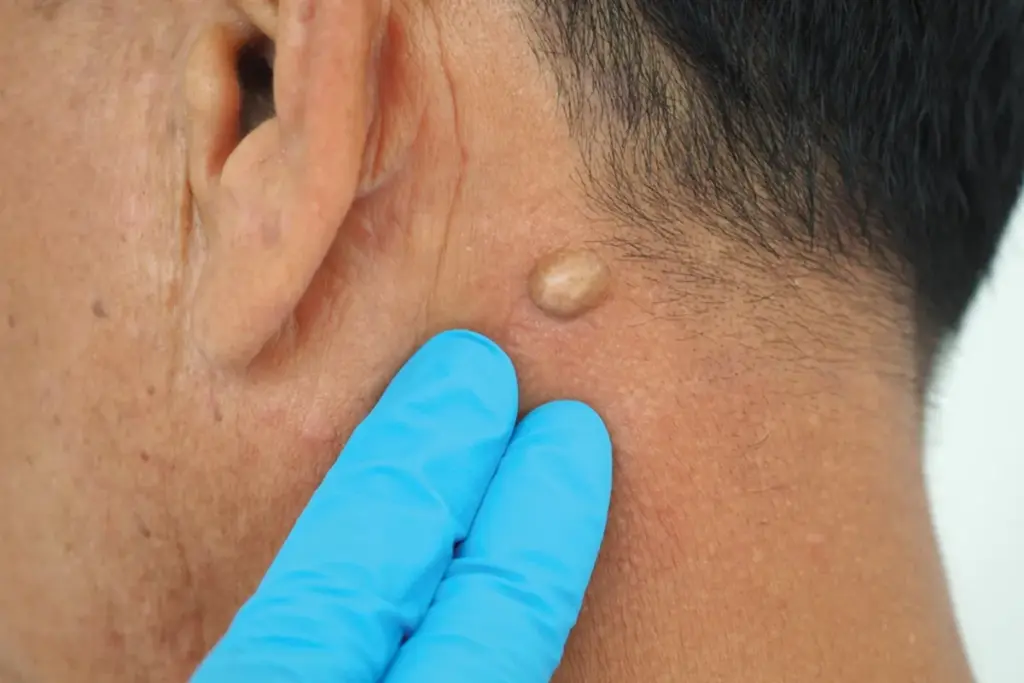
Seeing a hard lump on your head can worry you. But, most of the time, it’s due to harmless conditions. We know finding a new lump can be scary. So, we’ll look at the usual reasons for a knot on the head to help you feel better.
Sebaceous Cysts: A Common Cause
Sebaceous cysts are non-cancerous sacs under the skin filled with a cheesy material. They can pop up anywhere, including the scalp, and are usually harmless. But, they can get inflamed or infected, causing pain.
Trauma-Induced Bumps and Hematomas
A lump on the head can also come from injury. This can cause blood to gather under the skin, making a hematoma, or swelling. These bumps can hurt and may take time to go away on their own.
Lipomas: Soft, Movable Fatty Lumps
Lipomas are soft, fatty tumors under the skin. They are usually movable and don’t hurt. While they can show up on the head, they’re more common elsewhere on the body.
Pilar Cysts on the Scalp
Pilar cysts, also known as trichilemmal cysts, are benign cysts on the scalp. They’re like sebaceous cysts but different. Pilar cysts are firm and can be removed surgically if needed.
| Condition | Description | Typical Characteristics |
| Sebaceous Cysts | Non-cancerous sacs filled with cheesy material | Can become inflamed or infected |
| Trauma-Induced Bumps/Hematomas | Result from injury, causing blood accumulation or swelling | Painful, resolves over time |
| Lipomas | Soft, fatty tumors under the skin | Movable, painless |
| Pilar Cysts | Benign cysts on the scalp | Firm, can be surgically removed |
We want to teach our patients about these common causes. This way, they can understand their condition better. If you’re worried about a lump on your head, seeing a healthcare professional is key for a proper diagnosis and advice.
How to Identify If Your Hard Lump on Head Is Concerning
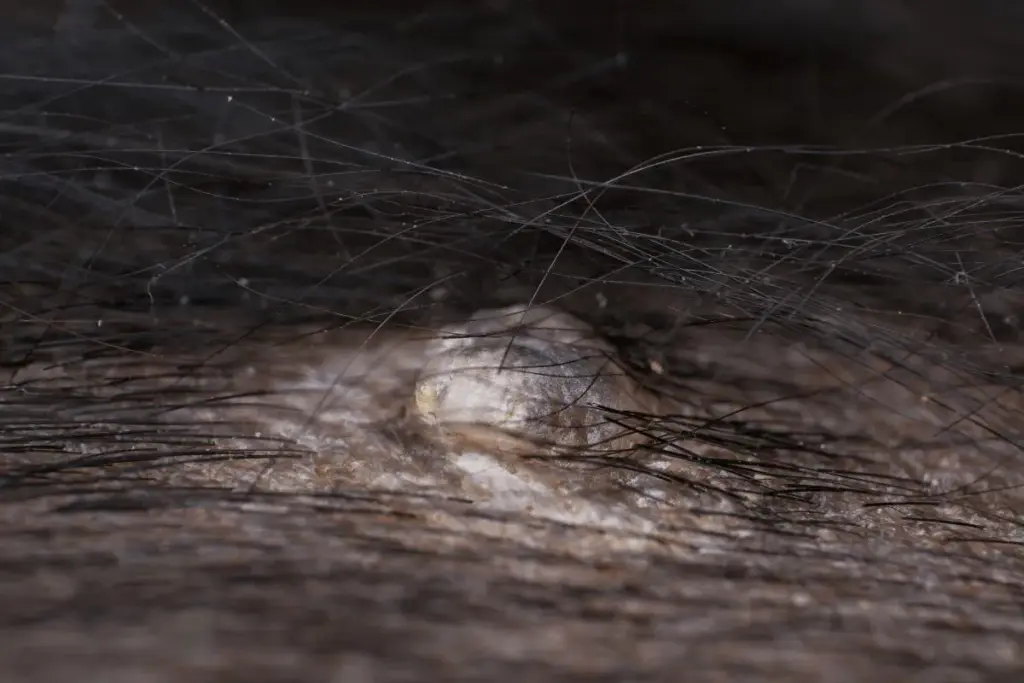
Figuring out if a hard lump on your head is serious needs careful watching. We tell our patients to pay close attention to the lump’s details.
Texture Differences: Hard Immovable Lump vs. Squishy Lump on Head
A hard, stuck lump on your scalp might be a worry. But a soft or squishy lump might not be as serious. The lump’s feel can tell you a lot about what’s causing it.
Key characteristics to observe:
- Hardness or softness of the lump
- Mobility or fixity of the lump
- Presence of pain or tenderness
Pain Patterns: Hard Lump on Head That Hurts vs. Painless Lumps
Pain clues can help figure out a hard lump’s cause. A hard lump on head that hurts might mean inflammation or irritation. But a lump without pain could point to something else.
| Pain Pattern | Possible Causes |
| Painful lump | Inflammation, irritation, or infection |
| Painless lump | Cysts, lipomas, or other benign growths |
Lumps That Come and Go vs. Persistent Growths
How long a lump stays around is key. Lumps that change might be short-term issues. But a lump that keeps coming back needs a closer look.
Location Matters: Lump on Left Side of Head, Top, or Back
Where a hard lump is on your head can also hint at its cause. For instance, a lump in the head top or on the left side might mean different things based on other signs.
By looking at the lump’s texture, pain, how long it lasts, and where it is, you can guess if it’s serious. This helps decide if you need to see a doctor.
Recognizing Cancerous Head Lumps and When to Seek Help
A cancerous lump on the scalp can look different. It’s important to know what to look for early. We want to help our patients understand these lumps and why they need to see a doctor fast.
Characteristics of Cancerous Lumps on the Scalp
Scalp lumps can be from skin cancers like basal cell carcinoma, squamous cell carcinoma, and melanoma. These lumps can look, feel, and grow at different rates.
Here are some signs that might mean a lump is cancerous:
- Irregular shape and size
- Rapid growth or change
- Ulceration or bleeding
- Color variation
Warning Signs That Require Immediate Medical Attention
Knowing when to see a doctor is key. Look out for pain, fast growth, or changes in the lump.
If you see any of these, get medical help right away:
- Pain or tenderness around the lump
- Rapid increase in size
- Change in color or texture
- Bleeding or discharge
Comprehensive Diagnostic Evaluation at Liv Hospital
At Liv Hospital, we check for scalp lumps with care. Our team uses the latest tech for accurate tests.
| Diagnostic Tool | Description |
| Biopsy | Examining a tissue sample for cancer cells |
| Imaging Tests | Using MRI or CT scans to assess the lump’s extent |
| Dermatological Examination | A thorough examination of the skin and scalp |
Conclusion
Discovering a lump on your head can be scary, but staying calm is key. At Liv Hospital, we tell our patients most lumps are not serious. If you have a painful or painless lump, our team is here to help.
Some lumps can be signs of bigger issues, like tumors. These can cause headaches, hearing loss, or vision problems. If you find a squishy lump or worry it might be cancer, get help fast. Our experts will work with you to find the right treatment.
We want you to take care of your health. If you notice anything strange, don’t wait. Let’s work together to make sure you get the care you need.
FAQ
Is a hard immovable lump on scalp always a sign of cancer?
No, most hard scalp lumps are benign, such as cysts or lipomas, but persistent or growing lumps should be evaluated by a doctor.
What should I do if I find a hard lump on head that hurts?
Consult a healthcare professional promptly for examination, imaging, or biopsy to determine the cause and rule out serious conditions.
Why do I have lumps on head that come and go?
Intermittent lumps may be due to inflamed hair follicles, cysts, or temporary swelling from minor injuries or infections.
Is a squishy lump on head less dangerous than a hard one?
Squishy lumps are often benign, like cysts or lipomas, but hardness alone doesn’t determine risk; all new or changing lumps should be checked.
How can I identify a cancerous lump on back of head?
Suspicious signs include rapid growth, immobility, irregular shape, ulceration, persistent pain, or associated neurological symptoms.
I have a hard tender lump on head; could it be a small cancer lump on scalp?
While tenderness may suggest infection or inflammation, any hard, persistent lump should be evaluated to rule out malignancy.
Is a painless lump in head something I can ignore?
Not always; painless lumps can still be serious, so persistent or enlarging lumps require medical assessment.
What does a hard knot on side of head usually indicate?
It could be a cyst, lipoma, inflamed lymph node, or localized trauma; a doctor can determine the exact cause.
Can a lump on left side of head be caused by stress?
Stress alone rarely causes lumps, but tension-related muscle knots or inflammation may feel like a lump; persistent lumps need professional evaluation.
References
National Center for Biotechnology Information. Evidence-Based Medical Insight. Retrieved from https://pmc.ncbi.nlm.nih.gov/articles/PMC3229327/[3



 Departments
 Related Videos
 Our Doctors
 News
News