
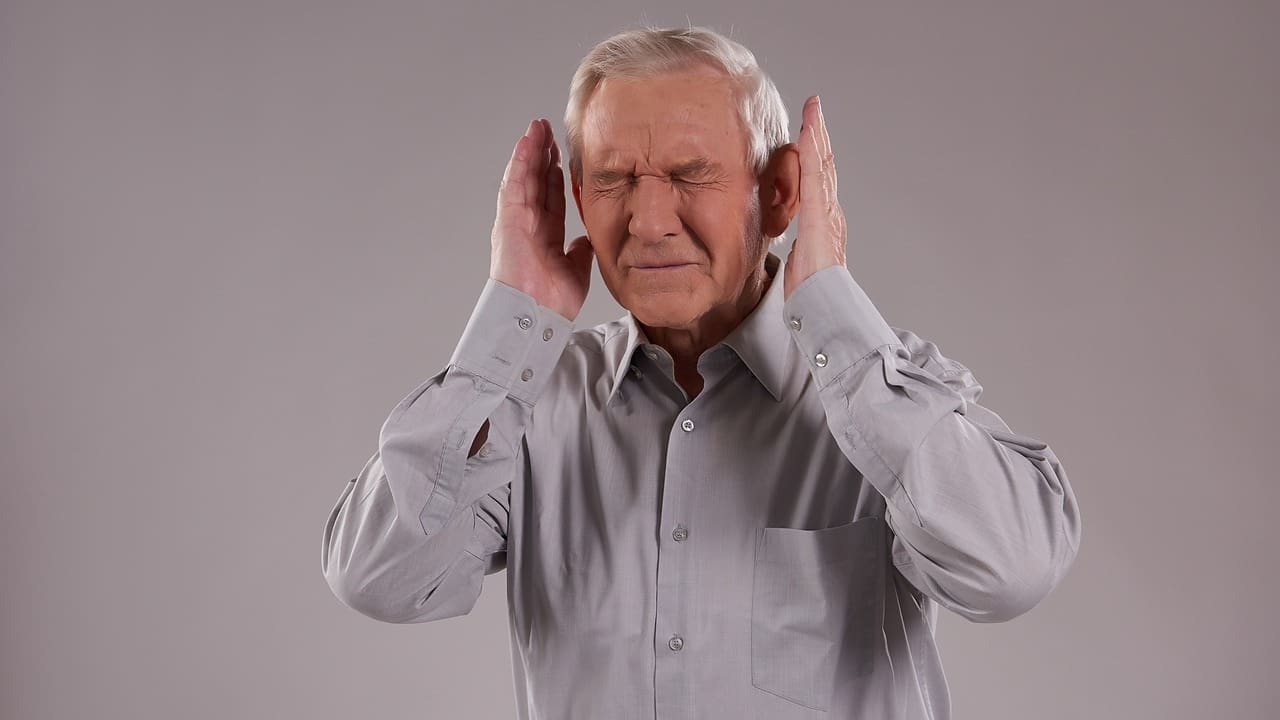
Have you noticed hearing loss, ringing in one ear, or balance changes? These signs might mean you have a vestibular schwannoma, or acoustic neuroma. It’s a noncancerous brain tumor that grows slowly.
At Liv Hospital, we know how vital early detection and treatment are. Our team uses the latest diagnostic tools and offers caring support to tackle this issue.
It’s key to understand the causes and signs of acoustic neuroma to keep your hearing and quality of life intact. We’ll dive into its link with tinnitus and vertigo, giving you a full picture of this complex condition.
Key Takeaways
- Acoustic neuroma is a benign tumor affecting the vestibulocochlear nerve.
- Symptoms include hearing loss, tinnitus, and balance issues.
- Early diagnosis is critical for effective treatment.
- A multidisciplinary approach is essential for managing acoustic neuroma.
- Liv Hospital offers advanced diagnostics and compassionate care.
Understanding Acoustic Neuroma: A Benign Tumor of the Vestibulocochlear Nerve
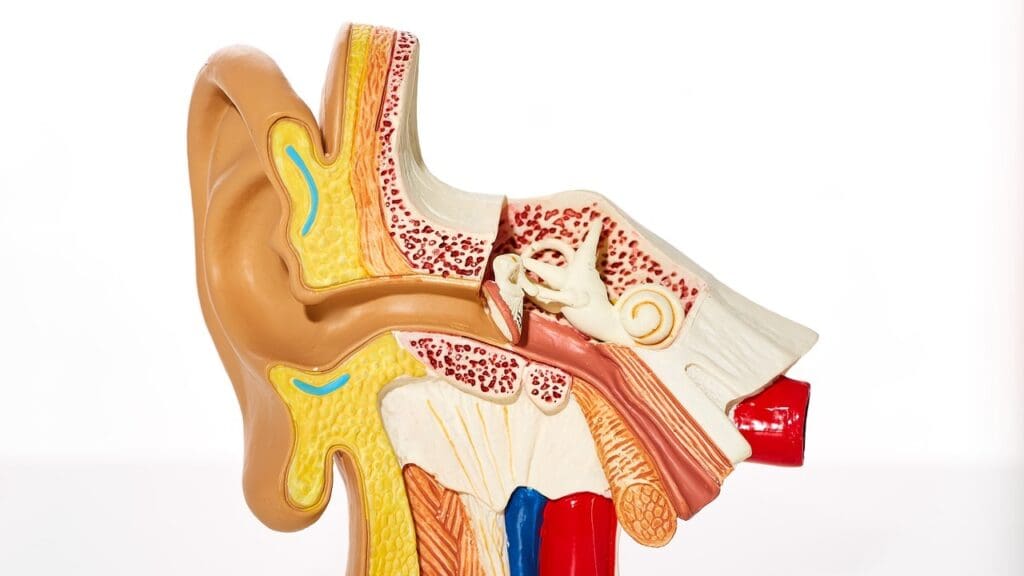
Acoustic neuroma, also known as vestibular schwannoma, is a non-cancerous growth. It affects the nerve that connects the inner ear to the brain. This growth is slow and impacts the nerve that helps us hear and balance.
Definition and Anatomy of Acoustic Neuroma
Acoustic neuroma is a benign tumor of the vestibulocochlear nerve. It comes from Schwann cells, which cover the nerve fibers. This tumor can press on the nerve, causing problems with its function.
The Vestibulocochlear Nerve and Its Functions
The vestibulocochlear nerve is key for hearing and balance. It sends sound and balance signals to the brain. If this nerve is affected, like by an acoustic neuroma, it can cause hearing loss, tinnitus, and balance issues.
Knowing who gets acoustic neuroma helps us spread awareness and catch it early. We’ll look into what causes it next.
Acoustic Neuroma Causes: What We Know About Its Development

Knowing what causes acoustic neuroma is key to catching it early and treating it well. This tumor, also called vestibular schwannoma, grows on the vestibulocochlear nerve. It can cause hearing loss, ringing in the ears, and balance problems.
Sporadic Development: The Most Common Scenario
Most acoustic neuromas just pop up without any family history. We don’t know exactly why they happen, but it might be due to genetic changes that happen as we age.
Genetic Factors: Neurofibromatosis Type 2 (NF2)
About 10% of acoustic neuromas are linked to Neurofibromatosis Type 2 (NF2). NF2 causes both ears to grow tumors and can lead to other nerve system tumors. People with NF2 are born with a gene mutation that raises their tumor risk.
NF2 is passed down in families, so those with a family history are more likely to get it. Testing for the NF2 gene can spot at-risk people early, helping them get treatment sooner.
Risk Factors and Environmental Triggers
Research is ongoing to find out why some acoustic neuromas happen. High radiation levels, possibly in childhood, and some jobs might play a role. But we need more studies to be sure.
Learning more about acoustic neuroma’s causes helps us diagnose and treat it better. This improves life for those dealing with it.
The Relationship Between Acoustic Neuroma and Tinnitus
An acoustic neuroma can cause tinnitus, a condition where you hear sounds when there’s no noise. Tinnitus is the second most common symptom of acoustic neuroma. It’s often described as ringing or buzzing in one ear. We’ll look at how acoustic neuroma leads to tinnitus, its characteristics, and how it’s different from other tinnitus types.
How Acoustic Neuroma Leads to Tinnitus
Acoustic neuroma can cause tinnitus by pressing on or damaging the vestibulocochlear nerve. This nerve carries sound signals from the inner ear to the brain. As the tumor grows, it can mess with the nerve’s function, causing abnormal sound perceptions.
Characteristics of Tinnitus Associated with Acoustic Neuroma
Tinnitus from acoustic neuroma can sound like a high-pitched ringing or buzzing. It can be very annoying or even distressing for some people. It usually affects only one ear, matching the side of the tumor.
Differentiating Tumor-Related Tinnitus from Other Types
It’s important to tell apart tinnitus from acoustic neuroma from other types. Tumor-related tinnitus often comes with hearing loss and balance problems. A detailed check-up, including hearing tests and MRI scans, is needed to find the cause of tinnitus. Knowing the unique signs of tinnitus linked to acoustic neuroma helps doctors spot who needs more tests.
Vertigo and Balance Issues: The Vestibular Connection
It’s key to know how acoustic neuroma and vestibular problems are linked. This knowledge helps in managing symptoms better. Acoustic neuroma, a non-cancerous tumor, affects the nerve that controls balance and hearing.
Mechanisms of Vertigo in Acoustic Neuroma Patients
Vertigo in acoustic neuroma patients comes from the tumor pressing on the vestibular nerve. This nerve issue sends wrong signals to the brain. It makes people feel like they’re spinning or off balance.
Compensatory Mechanisms and Why Balance Issues May Be Delayed
The body tries to hide the effects of vestibular problems at first. It does this by using other senses to balance. But, as the tumor grows, these tricks don’t work anymore. Then, balance problems start to show up.
Impact on Daily Activities and Quality of Life
Vertigo and balance issues really affect daily life. Even simple things like walking can be hard. Driving or working becomes risky. Patients might also feel neck pain from trying to balance.
Understanding the link between vestibular issues and vertigo helps doctors. They can then create better treatment plans. These plans help not just the tumor but also the patient’s quality of life.
Primary Symptoms and Clinical Presentation of Acoustic Neuroma
Knowing the main symptoms of Acoustic Neuroma is key for early treatment. This benign tumor affects the vestibulocochlear nerve. It brings symptoms that can really change a person’s life.
Unilateral Hearing Loss: The Most Common First Sign
About 80–90% of patients first notice hearing loss on one side. This loss gets worse over time. It’s a sensorineural issue, making it hard to hear on that side. Spotting this hearing loss early is very important because it might mean Acoustic Neuroma.
Acoustic Neuroma Audiogram Patterns
Acoustic Neuroma shows up on audiograms in certain ways. You might see high-frequency hearing loss and trouble understanding speech. An audiogram shows how well you can hear. For Acoustic Neuroma, it helps figure out the extent of hearing loss.
Facial Numbness and Weakness
As the tumor grows, it can press on nerves. This causes facial numbness or weakness. Many patients experience this and find it very distressing.
Headaches and Pressure Sensations
Some people get headaches or feel pressure around their ear. These symptoms come from the tumor’s growth and its effect on nearby areas.
The signs of Acoustic Neuroma can differ from person to person. But knowing these main symptoms helps in getting diagnosed and treated quickly. The main symptoms are:
- Unilateral hearing loss
- Specific audiogram patterns
- Facial numbness or weakness
- Headaches or pressure sensations
Diagnosing Acoustic Neuroma: From Suspicion to Confirmation
Diagnosing acoustic neuroma needs a detailed approach. It involves clinical checks and advanced imaging. We help patients through each step to confirm the tumor’s presence.
Initial Evaluation and Hearing Tests
The first step is a detailed medical history and physical check. We look at symptoms like hearing loss, tinnitus, and balance problems. Audiological tests, like pure-tone audiometry, are key to spotting hearing loss linked to acoustic neuroma.
These tests show how much hearing is lost. They help us decide what to do next.
Imaging Studies: MRI and CT Scans
MRI is the top choice for diagnosis, showing the tumor and nearby areas clearly. It’s vital for planning treatment. Sometimes, CT scans are used when MRI isn’t possible.
Differential Diagnosis: Conditions That Mimic Acoustic Neuroma
We also look at other conditions that might seem like acoustic neuroma. This includes Meniere’s disease and vestibular migraine. It’s important to rule out these conditions to make sure we have the right diagnosis.
We use clinical checks, hearing tests, and imaging to tell acoustic neuroma apart from other issues.
When Symptoms Come and Go: Diagnostic Challenges
Symptoms of acoustic neuroma can change or come and go. This makes diagnosis tricky. Patients with changing symptoms might need more tests and follow-ups to confirm the diagnosis.
By using a clear diagnostic process and the latest tools, we can accurately find acoustic neuroma. Then, we create a treatment plan that fits the patient’s needs.
Treatment Approaches for Vestibular Schwannoma
Treating vestibular schwannoma depends on several factors. These include the tumor’s size, growth rate, the patient’s health, and symptoms.
Observation: When Watchful Waiting Is Appropriate
For small tumors with no big symptoms, watchful waiting is sometimes used. This means regular MRI scans to check the tumor’s growth. It’s often chosen for older patients or those with small tumors and mild symptoms.
Surgical Options and Considerations
Surgery is an option for many, mainly for larger tumors or when symptoms are severe. There are different surgical methods, each with its own benefits and challenges.
Translabyrinthine Approach
This method removes the tumor through the inner ear. It’s best for those with little to no hearing in the affected ear.
Retrosigmoid Approach
This approach lets surgeons access the tumor without harming the inner ear. It might help keep hearing.
Middle Fossa Approach
This method accesses the tumor through the middle cranial fossa. It’s suitable for smaller tumors and those with good hearing.
Radiation Therapy and Stereotactic Radiosurgery
Radiation therapy or stereotactic radiosurgery might be suggested for some. These treatments aim to stop the tumor’s growth with precise radiation, protecting nearby tissues.
Managing Symptoms While Treating the Tumor
Managing vestibular schwannoma means treating the tumor and its symptoms. Symptoms like tinnitus, vertigo, and hearing loss need attention. Symptom management is key to keeping the patient’s quality of life during and after treatment.
Dealing with vestibular schwannoma is tough. Our team is dedicated to giving full care and support during treatment.
Bilateral Acoustic Neuromas and Neurofibromatosis Type 2
Neurofibromatosis Type 2 (NF2) is a genetic disorder that raises the risk of getting bilateral acoustic neuromas. This condition causes tumors on the vestibulocochlear nerve. It can lead to hearing loss, tinnitus, and balance problems.
Genetic Testing and Counseling
Genetic testing is key for those suspected of having NF2. It finds mutations in the NF2 gene, which causes the condition. Genetic counseling is also vital. It gives patients and their families info on NF2 risks and what it means.
Special Considerations for NF2 Patients
NF2 patients need special care because of their complex condition. Treating bilateral acoustic neuromas carefully helps keep hearing and brain function. Other NF2 tumors, like meningiomas and ependymomas, make treatment planning harder.
Latest Advances in NF2 Treatment
New treatments for NF2 are showing promise. Targeted therapies and radiosurgery are being looked at. Ongoing research into NF2’s molecular causes offers hope for better treatments soon.
Hereditary Aspects: What Families Should Know
NF2 is passed down in families, so those with a history should know the risks. Genetic screening can spot at-risk family members early. Counseling on NF2’s impact on future generations is also important.
It’s vital to understand NF2’s genetic and clinical sides for managing bilateral acoustic neuromas well. Keeping up with new treatments and genetic tests helps patients and families make smart care choices.
Living with Acoustic Neuroma: Long-term Management and Rehabilitation
Acoustic neuroma affects more than just the initial diagnosis. It requires a complete management plan. We must tackle the tumor and its effects on daily life.
Hearing Rehabilitation Options
Hearing rehabilitation is key for managing acoustic neuroma. Many patients face hearing loss, affecting their daily interactions and communication.
Hearing Aids and Assistive Devices
Hearing aids and assistive devices greatly improve life for those with acoustic neuroma. They amplify sounds, cut down background noise, and enhance communication.
Cochlear Implants and Auditory Brainstem Implants
For severe hearing loss, cochlear implants or auditory brainstem implants might be needed. These advanced devices offer significant benefits.
Vestibular Rehabilitation for Balance Issues
Vestibular rehabilitation therapy (VRT) is vital for balance problems linked to acoustic neuroma. VRT helps patients regain balance and reduce dizziness.
As –Dr. once said,
“Vestibular rehabilitation is not just about exercises; it’s about regaining control over one’s life.”
Psychological Impact and Support Resources
Acoustic neuroma can deeply affect mental health, causing anxiety, depression, and stress. It’s important to have access to counseling and support groups.
- Counseling services
- Support groups
- Online resources
Follow-up Care and Monitoring
Regular check-ups are critical for tracking the tumor’s growth and managing treatment effects. This care ensures the best outcomes for patients.
By focusing on long-term management and rehabilitation, people with acoustic neuroma can enhance their quality of life. They can also learn to cope with the challenges this condition brings.
Conclusion: Navigating an Acoustic Neuroma Diagnosis
Understanding acoustic neuroma is key for patients. We’ve looked into its causes, symptoms, and treatment options. This helps patients make informed choices.
Acoustic neuroma is a benign tumor affecting the nerve for hearing and balance. It’s linked to tinnitus and vertigo. This is important for those dealing with these symptoms.
Knowing the symptoms early can lead to better treatment. A thorough diagnosis is essential. This includes imaging and hearing tests.
Treatment options vary from watching the tumor to surgery or radiation. Our aim is to help patients manage their condition. This improves their quality of life.
What is an acoustic neuroma, and how is it related to tinnitus and vertigo?
An acoustic neuroma is a non-cancerous tumor on the vestibulocochlear nerve. This nerve handles hearing and balance. As it grows, it can cause tinnitus and vertigo by affecting the nerve.
Is acoustic neuroma the same as vestibular schwannoma?
Yes, both terms describe the same condition. It’s a benign tumor on the vestibulocochlear nerve.
What are the primary symptoms of acoustic neuroma?
Main symptoms include hearing loss on one side, tinnitus, and vertigo. Facial numbness and headaches can also happen.
How is acoustic neuroma diagnosed?
Doctors use hearing tests and imaging like MRI or CT scans. They also do a thorough check to rule out other conditions.
Are acoustic neuromas hereditary?
Most are not, but some cases link to Neurofibromatosis Type 2 (NF2). Genetic tests can spot those at risk.
What treatment options are available for acoustic neuroma?
Options include watching it, surgery, or radiation therapy. The choice depends on the tumor’s size and the patient’s health.
Can acoustic neuroma cause bilateral symptoms?
Yes, in NF2 cases, tumors can grow on both sides. This leads to symptoms on both sides and needs special care.
How can I manage tinnitus and vertigo caused by acoustic neuroma?
Treatments include vestibular rehab for balance and hearing aids for loss. Therapies and support help with tinnitus. Psychological help is also key.
What is the prognosis for someone diagnosed with acoustic neuroma?
It depends on the tumor and treatment. Regular check-ups are vital for managing the condition and catching any issues early.
Are there any new developments in treating acoustic neuroma?
Yes, research and new tech are improving treatments, even for NF2 patients. Keeping up with the latest news can help manage the condition.