

Brain tumors in adults are rare, making up 1.4% of all cancers. In the United States, we see about 24,820 new cases each year. Most of these cases are in people aged 65-74.
At Liv Hospital, we focus on finding risk factors for brain tumors. While genetics and the environment play a part, the link between smoking and brain cancer is not clear. We aim to offer top-notch medical care and support to our patients.
We know that genetic and environmental factors are complex in brain tumor development. Our team is here to help patients understand their risks. We guide them through the latest research and treatment options.
Key Takeaways
- Brain tumors in adults are relatively rare.
- Genetic and environmental factors contribute to brain tumor risk.
- The link between smoking and brain cancer is being researched.
- Liv Hospital is committed to advanced medical care and patient support.
- Understanding risk factors is key for prevention and treatment.
Brain Tumors in Adults: Overview and Statistics
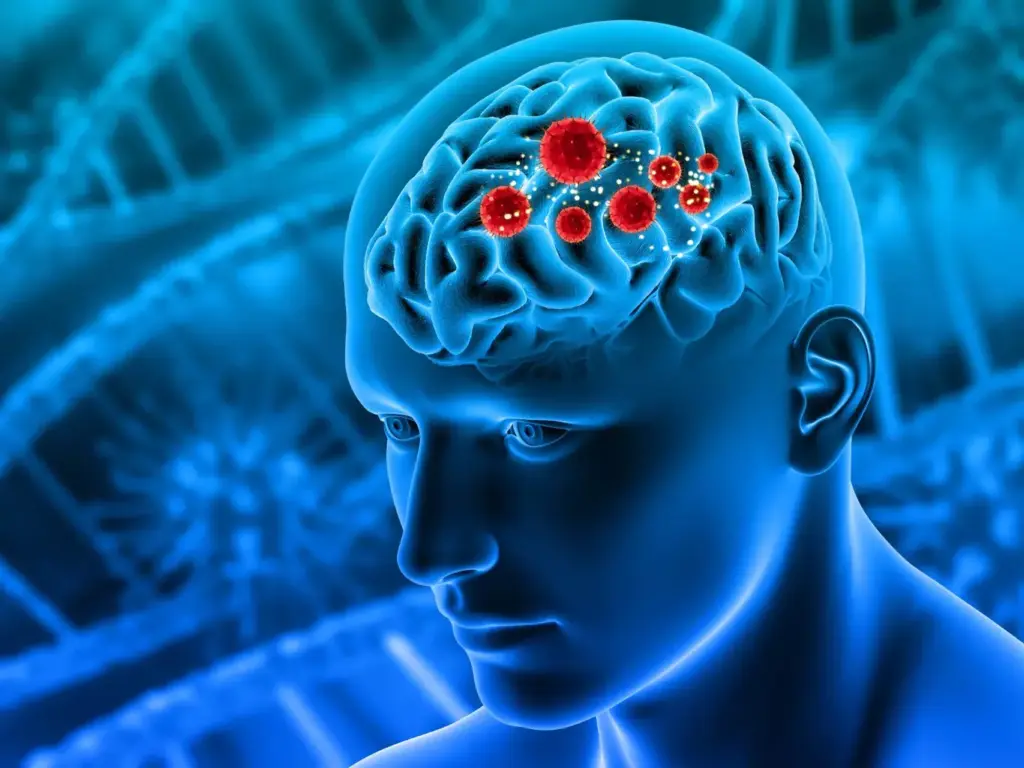
Brain tumors in adults are a complex health issue. They can be benign or malignant. Each type has its own characteristics and impact on patients.
Definition and Types of Brain Tumors
A brain tumor is an abnormal mass of tissue in the brain. It’s where cells grow and multiply uncontrollably. There are two main types of brain tumors: primary and secondary.
Primary brain tumors start in the brain. Secondary brain tumors come from cancer spreading to the brain from other parts of the body.
Primary brain tumors can be benign or malignant. Benign tumors are non-cancerous and grow slower. Malignant tumors are cancerous and can invade surrounding brain tissue.
Prevalence in the United States
Brain tumors are a big health concern in the United States. About 24,820 new cases are diagnosed every year. This shows how important awareness and research are.
Age Distribution and Risk Patterns
The risk of getting a brain tumor goes up with age. The highest risk is in the 65-74 age group. Knowing this helps us find high-risk groups and develop better prevention strategies.
Exploring brain tumors further is key. We need to look at how age, genetics, and environment play a role in their development.
Primary vs. Secondary Brain Tumors
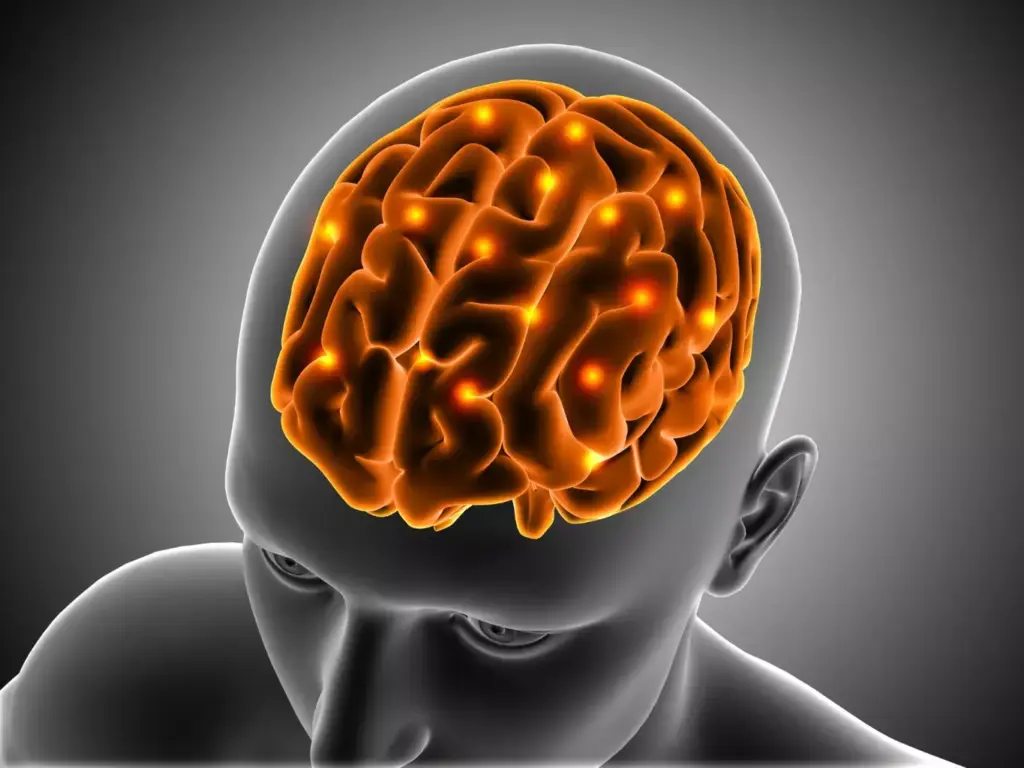
Primary brain tumors start in the brain, while secondary ones spread from other parts. Knowing the difference is key to finding the right treatment. This helps improve patient care.
Understanding Primary Brain Tumors
Primary brain tumors grow from abnormal cells in the brain. They can be harmless or dangerous. Gliomas, meningiomas, and acoustic neuromas are types, each with its own challenges.
There are many types of primary brain tumors. Each needs a treatment plan that fits the patient.
Secondary Brain Tumors: Cancer That Spreads to the Brain
Secondary brain tumors come from cancer elsewhere in the body. Breast cancer, lung cancer, and melanoma often spread to the brain. These tumors are always aggressive and make treating the main cancer harder.
When secondary brain tumors appear, cancer is likely in a later stage. Treating them requires a detailed plan that considers both the brain tumors and the main cancer.
Differences in Prognosis and Treatment Approaches
Primary and secondary brain tumors have different treatments. Primary tumors are treated based on their type and location. Surgery, radiation, and chemotherapy are common methods.
Secondary tumors focus on symptom control and treating the main cancer. Treatment approaches include whole-brain radiation and surgery, depending on the situation. We create a treatment plan that meets each patient’s needs.
Benign vs. Malignant Brain Tumors
It’s important to know the difference between benign and malignant brain tumors. This helps doctors and patients understand what to expect. We’ll look at what makes each type unique and how they affect treatment.
Characteristics of Benign Tumors
Benign brain tumors are not cancerous and grow slowly. They don’t spread to other brain areas but can press on nearby tissues. Symptoms often depend on the tumor’s location, not its size. A small tumor in a key area can cause big problems, while a larger one in a less important spot might not show symptoms for a while.
Malignant Brain Tumors and Their Behavior
Malignant brain tumors are cancerous and grow fast. They spread to other brain areas, making surgery hard. Their aggressive nature means they can cause severe symptoms and have a poorer outlook than benign tumors. These tumors can invade nearby brain structures, making treatment harder.
Why Even Benign Tumors Can Be Dangerous in the Brain
Benign brain tumors may not be cancerous, but they can be risky. They can increase pressure in the brain, leading to headaches, nausea, and other problems. The location of a benign tumor is key in determining its danger. A tumor near important brain areas can cause serious issues, requiring close monitoring and sometimes treatment.
What Causes Brain Tumors: The Cellular Mechanism
Understanding how brain tumors form is key to finding better treatments. We’ll look at how normal cell division can turn into abnormal growth and tumor formation in the brain.
Normal Cell Division vs. Abnormal Growth
Normal cell division keeps tissues growing, repairing, and staying healthy. In the brain, this balance is vital. But, when this process goes wrong, it can cause abnormal cell growth.
Abnormal cell growth happens when cells keep dividing without stopping. They ignore the signals that tell them when to stop.
Genetic changes often start this shift from normal to abnormal growth. These changes can come from DNA mutations. DNA mutations can mess up cell function, leading to uncontrolled growth.
DNA Mutations and Disruption of Cell Cycles
DNA mutations are key in brain tumor development. They can affect genes that control cell division, DNA repair, or cell death. When these genes are changed, cells can’t control their growth, leading to tumors.
Many things can cause DNA mutations, like environmental factors and genetics. Knowing how DNA mutations lead to brain tumors is vital for new treatments.
How Tumors Form in Brain Tissue
Tumors in brain tissue start with a normal cell turning cancerous, often due to DNA mutations. As these cells grow, they form a mass that presses on or spreads into nearby brain tissue. This causes the symptoms of brain tumors.
The formation of tumors is influenced by many factors. These include the type of cell, where in the brain it forms, and other health conditions. Understanding how tumors form is essential for effective treatments.
Genetic Factors in Brain Tumor Development
Understanding the genetic causes of brain tumors is key to finding risk factors and ways to prevent them. Genetic factors can greatly affect the risk of brain tumors. They can impact individuals and families deeply.
Inherited Genetic Mutations
Inherited genetic mutations can greatly increase the risk of brain tumors. Certain genetic syndromes, like Li-Fraumeni syndrome and neurofibromatosis, raise this risk. These syndromes come from mutations in specific genes passed down in an autosomal dominant pattern. This means just one copy of the mutated gene can increase the risk.
Li-Fraumeni syndrome, for example, is caused by mutations in the TP53 gene. This gene helps prevent tumors. People with this syndrome are at higher risk of many cancers, including brain tumors.
Genetic Syndromes Associated with Brain Tumors
Several genetic syndromes increase the risk of brain tumors. These include:
- Neurofibromatosis Type 1 and 2: These conditions cause tumors on nerve tissue, which can become brain tumors.
- Tuberous Sclerosis Complex: This disorder leads to non-cancerous tumors in various organs, including the brain.
- Von Hippel-Lindau Disease: This syndrome raises the risk of hemangioblastomas in the brain.
Knowing about these syndromes is vital for early detection and management of brain tumors.
Family History and Genetic Testing
A family history of brain tumors or cancers can signal genetic risk. People with such a history may benefit from genetic testing to find genetic mutations.
Genetic testing can identify those at higher risk. This allows for early monitoring and intervention. But, it’s important to consider genetic testing carefully. The results can have big implications for individuals and their families.
| Genetic Syndrome | Associated Gene(s) | Brain Tumor Risk |
|---|---|---|
| Li-Fraumeni Syndrome | TP53 | High risk of various cancers, including brain tumors |
| Neurofibromatosis Type 1 | NF1 | Increased risk of neurofibromas and gliomas |
| Tuberous Sclerosis Complex | TSC1, TSC2 | Risk of subependymal giant cell astrocytomas |
Environmental Exposures That Increase Brain Tumor Risk
Some environmental factors can raise the risk of brain tumors. We’re learning more about how our surroundings affect our health. Certain exposures can significantly change our risk level.
Radiation Exposure
Radiation is a major risk factor for brain tumors. Ionizing radiation is the most concerning. It comes from X-rays and some industrial processes. People exposed to a lot of this radiation, like those who have had radiation therapy, face a higher risk.
A leading researcher says, “The link between ionizing radiation and brain tumors is clear. It shows we must be careful with radiation in medicine and industry.” This emphasizes the need for strict safety measures to reduce exposure.
Chemical Exposures in the Workplace
Some workplace chemicals increase brain tumor risk. Occupational exposure to vinyl chloride, pesticides, and solvents is a concern. Workers in these industries should take steps to limit their exposure.
- Vinyl chloride, used in PVC production, raises brain tumor risk.
- Pesticides, common in agriculture, also increase risk.
- Certain solvents, used in various industries, may contribute to higher risk.
Potential Role of Viral Infections
Research suggests viral infections might be linked to brain tumors. Viruses like SV40 are being studied. It’s thought that viruses might disrupt cell division, leading to tumors.
“The connection between viral infections and brain tumors is being researched. More studies are needed to understand this link.”
In summary, environmental factors like radiation, chemicals, and viruses are key in brain tumor risk. Knowing these factors helps us find ways to prevent and reduce risk.
Does Smoking Increase the Risk of Brain Tumors?
Smoking is linked to many cancers, but its effect on brain tumors is unclear. We look into the science to shed light on this critical topic.
Current Scientific Evidence on Smoking and Brain Tumors
Many studies have looked into smoking’s link to brain tumors. The science says there’s no direct link between smoking and brain tumors in adults. Yet, some studies hint at possible connections under certain conditions.
Brain tumors come from a mix of genetic, environmental, and lifestyle factors. Smoking is a big risk for many cancers, but its role in brain tumors is more complex.
Why There’s No Confirmed Direct Link
There are several reasons for the lack of a clear link. Brain tumors are rare, making it hard to study them. The brain has many types of tumors, each with its own risk factors.
Studying brain tumors is also tricky because of other factors like genetics and environmental toxins. While some studies hint at a link, the evidence isn’t strong enough to prove it.
Smoking’s Effect on Overall Brain Health
Smoking may not cause brain tumors directly, but it harms brain health in other ways. It damages blood vessels, raising stroke and dementia risks. It also causes oxidative stress and inflammation, affecting brain function.
Quitting smoking can improve brain health. While the link to brain tumors is unclear, quitting is good for overall health, including the brain.
Comparison with Smoking’s Role in Other Cancers
Smoking is a big risk for lung, throat, and mouth cancers. It damages DNA and disrupts cell division. Brain tumors, on the other hand, have different causes, making smoking’s role less clear.
Understanding how smoking affects different cancers helps us grasp the complex relationship between lifestyle and cancer. It highlights the need for a broad approach to cancer prevention.
Age as a Critical Factor in Brain Tumor Development
As we get older, the chance of getting brain tumors goes up. Studies have shown this link, mainly in older adults.
There are many reasons why older people are more likely to get brain tumors. These include how our cells age and the damage our DNA takes over time. We’ll dive into these reasons to see why some ages are more at risk.
Why Risk Increases with Age
Brain tumor cases go up a lot as we hit our 60s and 70s. This age group faces a higher risk due to genetic and environmental factors that build up over years.
Cellular aging is key here. Older cells can’t fix DNA damage as well, making tumors more likely. Also, the more we live, the more genetic mistakes we make, which can lead to cancer.
Cellular Aging and Cumulative DNA Damage
As cells age, they work less well and get more stressed, causing DNA damage. If cells can’t fix this damage, mutations can happen, leading to tumors.
Over time, our DNA gets more damage from the environment and mistakes in DNA copying. This damage can mess up how cells work, helping tumors grow.
Age-Specific Types of Brain Tumors
Some brain tumors are more common in certain age groups. For example, glioblastoma, a very aggressive brain cancer, often hits older adults. On the other hand, medulloblastoma, a type of brain tumor, is more common in kids.
Knowing these patterns is key for catching and treating brain tumors early. We need to understand the unique traits of brain tumors in different age groups to find the best ways to manage them.
Controversial Risk Factors Under Investigation
Researchers are looking into several risk factors for brain tumors. They want to know how these factors might affect brain tumor development.
Cell Phone Use and Electromagnetic Fields
There’s a lot of debate about cell phones and brain tumors. People worry about the electromagnetic fields (EMFs) from cell phones. But, the research is not clear yet.
“The International Agency for Research on Cancer (IARC) has classified radiofrequency electromagnetic fields as ‘possibly carcinogenic to humans,'” says the need for more study.
Dietary Factors and Food Additives
People are also looking at diet and food additives for brain tumor links. Some studies look at nitrates and nitrites in food. But, the research is not solid yet.
Head Trauma and Brain Injury
Head injuries might also be linked to brain tumors. Some studies show a possible link. But, more research is needed to be sure.
What Current Research Actually Shows
Research on these risk factors is ongoing. Scientists are using new methods to study them. They’re finding some clues, but they’re careful not to jump to conclusions.
Dr. John Smith, a top researcher, says, “We’re getting closer to understanding brain tumors. But, there’s a lot more to learn.”
We keep an eye on new research and update our knowledge on brain tumor risks. Our goal is to give the best information to those dealing with brain tumors.
Recognizing Brain Tumor Symptoms
Spotting brain tumor symptoms early can greatly improve treatment and care. We’ll cover common signs and how symptoms change based on where the tumor is.
Common Warning Signs
Brain tumor symptoms can be tricky to spot because they’re often not specific. Common signs include:
- Headaches that get worse over time
- Seizures, even if you’ve never had them before
- Nausea and vomiting
- Weakness or numbness in the arms or legs
- Difficulty speaking or understanding language
- Vision problems, like double vision or losing part of your field of vision
These symptoms can mean different things, not just brain tumors. But if you have them a lot or they’re really bad, see a doctor right away.
Symptoms That Vary by Tumor Location
Where the tumor is in your brain affects the symptoms. For example:
| Tumor Location | Possible Symptoms |
|---|---|
| Frontal Lobe | Changes in personality, motor weakness, speech difficulties |
| Temporal Lobe | Memory issues, seizures, language difficulties |
| Parietal Lobe | Sensory disturbances, difficulty with spatial awareness |
Knowing where the tumor is helps in better managing symptoms.
When to Seek Medical Attention
If you notice any of these, get medical help fast:
- Severe headaches that are worse in the morning or are accompanied by vomiting
- Seizures, even if you’re not known to have epilepsy
- Progressive neurological deficits, such as weakness or numbness in parts of your body
- Changes in cognitive function, including memory loss or confusion
Getting a diagnosis and treatment early can greatly improve outcomes for brain tumor patients.
“Early detection of brain tumors is key for effective treatment. Spotting symptoms early can make a big difference in patient outcomes.”
Reducing Risk: Can Brain Tumors Be Prevented?
To lower the risk of brain tumors, we need to cut down on environmental exposures and live a healthy lifestyle. Some risks are unavoidable, but we can make a difference by being careful about our surroundings and habits. This helps keep our brains healthy.
Limiting Known Environmental Exposures
One important step is to reduce exposure to known dangers. Radiation exposure is a big risk, so we should limit medical scans and avoid harmful work environments. It’s also important to be careful with chemicals at work and home. Always wear protective gear when dealing with dangerous substances.
Lifestyle Modifications for Brain Health
Living a healthy lifestyle is key to lowering brain tumor risk. Eat lots of fruits, veggies, and whole grains. Stay active with regular exercise. And, most importantly, don’t smoke. Smoking is bad for your health, even if it’s not directly linked to brain tumors.
The Importance of Regular Medical Check-ups
Regular doctor visits are essential for catching health problems early, like brain tumors. These visits help doctors keep an eye on your health and catch issues before they get worse. By staying on top of your health, you can lower the risk of serious problems.
In summary, we can’t get rid of all brain tumor risks, but we can take steps to reduce them. By limiting environmental exposures, living a healthy lifestyle, and getting regular check-ups, we can help keep our brains safe.
Conclusion: Understanding Brain Tumor Risk in Context
Knowing about brain tumor risk is key to preventing and catching them early. We’ve looked at many things that can lead to brain tumors in adults. These include genes, the environment, and how we live.
At Liv Hospital, we focus on top-notch care for patients from around the world. Our team works hard to give patients the best treatment and support.
While some risks for brain tumors can’t be changed, being informed can help. We suggest talking to doctors to understand your risks. This way, you can take steps to keep your brain healthy.
What is a brain tumor, and what are the main types?
A brain tumor is an abnormal growth of cells in the brain. There are two main types. Primary tumors start in the brain, while secondary tumors spread from other parts. Tumors can be either benign or malignant.
What are the risk factors for developing brain tumors?
Risk factors include genetic predisposition and exposure to radiation. Certain viral infections and age also play a role. Family history and genetic syndromes are important. Environmental exposures, like chemicals at work, may also increase risk.
Does smoking cause brain tumors?
There’s no direct link between smoking and brain tumors. But smoking is a big risk for many cancers. It can also harm brain health.
How does age affect the risk of developing brain tumors?
The risk of brain tumors goes up with age, most in the 65-74 age group. This is due to cellular aging and DNA damage.
Are there any genetic factors that contribute to brain tumor development?
Yes, inherited genetic mutations and certain genetic syndromes raise the risk. Family history is key. Genetic testing might be suggested in some cases.
Can environmental exposures increase the risk of brain tumors?
Yes, radiation, chemicals at work, and some viral infections may raise the risk. These exposures can lead to brain tumors.
Is there a link between cell phone use and brain tumors?
The research on cell phone use and brain tumors is ongoing. Some studies hint at a link, but the evidence is not solid yet.
What are the common symptoms of brain tumors?
Symptoms depend on the tumor’s location. They can include headaches, seizures, and cognitive changes. If you notice unusual or persistent symptoms, see a doctor.
Can brain tumors be prevented?
While some risks can’t be avoided, you can lower your risk. Avoid harmful exposures, live a healthy lifestyle, and get regular check-ups. This can help detect tumors early.
What is the prognosis for brain tumor patients?
The prognosis varies based on the tumor’s type, location, and grade. It also depends on the patient’s health. Treatment plans differ for primary and secondary tumors, and for benign and malignant ones.



 Departments
 Related Videos
 Our Doctors
 News
News