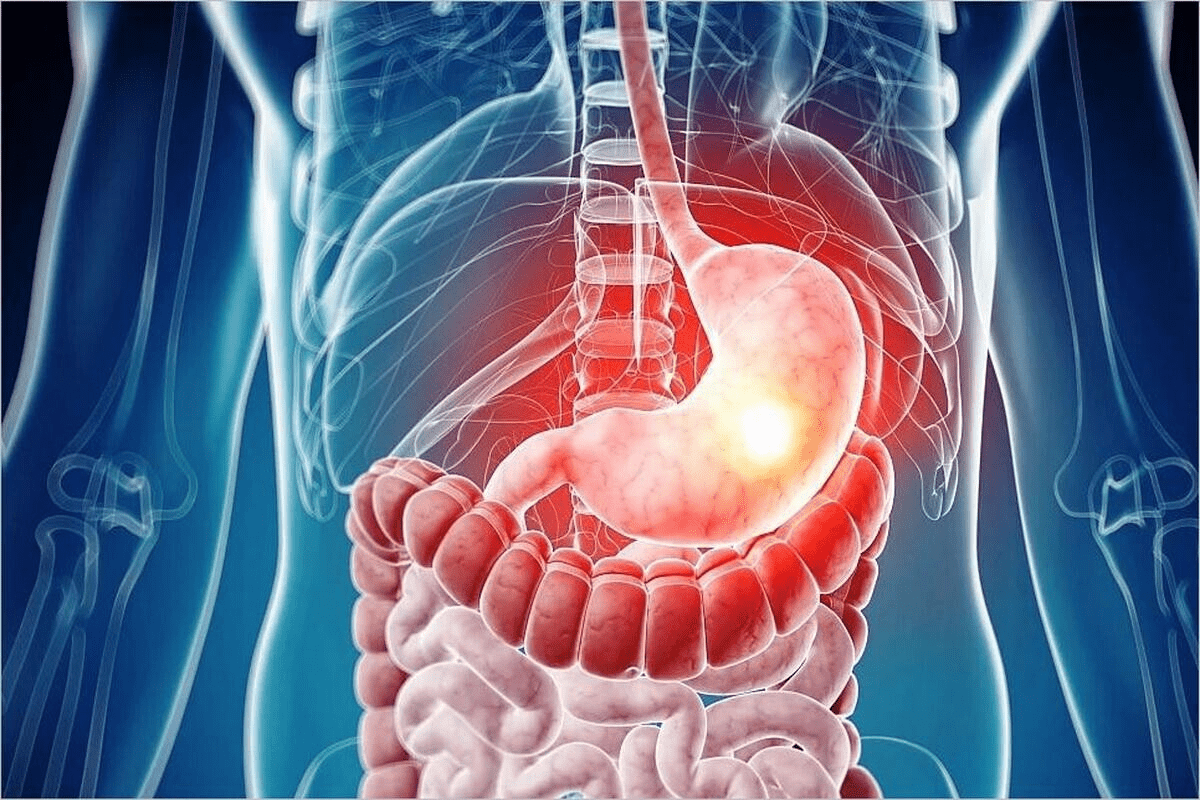
Constipation is a common problem. It means having fewer than three bowel movements a week. You might also have hard, dry stools and feel like you’re straining to go.
Wondering “what causes constipation?” This ultimate guide explores 7 alarming reasons, from diet to medical issues, and the best, proven fixes.
It affects millions of people around the world. This can make daily life uncomfortable and affect your overall well-being.
If you’ve had persistent abdominal pain, hard stools, or irregular bowel movements for three weeks or more, it’s important to know why. Understanding the causes and where the pain is can help find the right treatment.
At Liv Hospital, our team focuses on you. We use international expertise and care with compassion. We aim to help with constipation and the discomfort it brings.
Key Takeaways
- Constipation is a common condition that affects millions worldwide.
- It is characterized by fewer than three bowel movements per week, often accompanied by hard, dry stools, and straining during defecation.
- Understanding the underlying causes and recognizing where pain occurs can help guide you toward effective treatment.
- Liv Hospital’s patient-centered medical team combines international expertise with compassionate care.
- Effective treatment can significantly improve daily life and well-being.
Understanding Constipation: Definition and Prevalence

To understand constipation, we need to know what it is, how common it is, and who it affects. It’s a complex issue that shows up differently in everyone. This makes its definition quite broad.
Constipation is when it’s hard to go to the bathroom or you don’t go as often as you should. What’s normal can vary a lot. But, if you have fewer than three bowel movements a week, you might be constipated.
How Common is Constipation Worldwide?
Constipation is a big health problem worldwide. It affects about 2 to 27 percent of people globally. The wide range is because of many factors, like diet, lifestyle, and how constipation is defined.
It’s also the fourth most common reason people see doctors for gut problems. This shows how important it is to know about it and find ways to manage it.
Demographics: Who Suffers Most?
Constipation hits different groups in different ways. Women are more likely to get it, three times more than men. Hormones, body changes, and lifestyle might explain this difference.
Older people are also more likely to have constipation. Diet, how active you are, and health problems also play a big role in who gets it.
The Physiology of Normal Bowel Movements

The process of bowel movements is quite interesting. It involves many parts of our digestive system. Knowing how it works helps us see why constipation happens.
How the Digestive System Works
The digestive system breaks down food into nutrients. It starts in the mouth, where food is chewed and mixed with saliva. This saliva has enzymes to start breaking down carbs.
When we swallow, food goes down the esophagus into the stomach. Here, acids and enzymes break it down more. Then, it goes to the small intestine for most of our nutrient absorption.
The small intestine has villi, which increase the surface area for nutrient absorption. The leftover waste goes to the large intestine, or colon. Here, water is absorbed, and the stool is formed.
The colon is key in making stool. It balances water and electrolytes, preparing waste for elimination. The colon’s muscles contract and move stool towards the rectum through peristalsis. “A healthy bowel movement is typically characterized by soft, easy-to-pass stools,” say experts.
What Constitutes a Healthy Bowel Movement
A healthy bowel movement has soft, easy-to-pass stools. How often you go can vary a lot. Diet, hydration, and activity level affect this.
Eating a lot of fiber helps with regular bowel movements. It adds bulk to stool, making it easier to pass. Constipation makes stool hard and dry. It happens when the colon absorbs too much water or stool moves too slowly.
Knowing what a healthy bowel movement looks like helps us notice when it’s not right. If we’re not sure, it’s good to talk to a doctor.
What Causes Constipation?
Constipation is a complex issue with many causes. Diet, hydration, and physical activity are key factors. Knowing these helps in finding ways to prevent and treat it.
Dietary Factors and Fiber Intake
Diet greatly affects constipation. A low-fiber diet is a common culprit. Fiber makes stool bulkier and helps with regular bowel movements. Foods high in fiber include fruits, veggies, and whole grains.
Here are some tips to avoid constipation:
- Eat more foods high in fiber
- Stay away from processed and fatty foods
- Have a balanced diet with a variety of foods
Dehydration and Fluid Balance
Dehydration is another big factor in constipation. Without enough fluids, stool becomes hard and dry, making it hard to pass.
To keep fluids balanced:
- Drink 8-10 glasses of water a day
- Drink more water in hot weather or when active
- Limit drinks like caffeine and alcohol
Lack of Physical Activity
A sedentary lifestyle can also lead to constipation. Exercise helps stimulate bowel movements and improves digestion.
Here’s how to stay active:
- Do regular exercise like walking or jogging
- Include strength training for better health
- Avoid sitting for too long
By tackling these issues, people can lower their risk of constipation. This helps keep their bowels healthy.
Medication-Induced Constipation
Many patients face constipation due to their medications. Some drugs can really slow down bowel movements. We’ll look at common culprits and how to handle these side effects.
Common Offenders
Several medications can lead to constipation. These include:
- Opioid pain relievers: Drugs like morphine and codeine slow down bowel movements.
- Certain antidepressants: Some antidepressants, like tricyclic antidepressants, can affect bowel habits.
- Medications for high blood pressure: Some antihypertensive drugs, like calcium channel blockers, can cause constipation.
- Anticonvulsants: Medications for seizures can also lead to constipation.
These drugs can either slow down digestion or pull more water from the colon. This makes stools harder and harder to pass.
Managing Side Effects
To tackle constipation from medications, try these tips:
- Increase fluid intake: Drinking lots of water can soften stools.
- Modify diet: Eating a diet rich in fiber can help with regular bowel movements.
- Exercise regularly: Being active can help stimulate bowel function.
- Consult healthcare provider: If constipation doesn’t go away, talk to your doctor about other options.
Knowing which medications can cause constipation and using these strategies can help. This way, we can lessen the constipation effects of certain drugs and keep our bowels healthy.
Psychological Factors: Stress and Constipation
Stress can really mess with our digestive system, often causing constipation. The link between stress and constipation is quite complex. It involves how our gut and brain talk to each other.
The Gut-Brain Connection
The gut and brain are connected through the gut-brain axis. This network lets them communicate with each other. It affects our digestion and overall health.
The gut-brain axis is key in controlling bowel movements and handling stress. Stress can upset this balance. This can lead to constipation among other issues.
How Stress Affects Bowel Function
Stress can slow down or speed up bowel movements. It can cause constipation or diarrhea. The gut is very sensitive to stress, showing it in bowel habits.
Stress Response | Effect on Bowel Function |
Increased cortisol levels | Slows down bowel movements |
Activation of the sympathetic nervous system | Reduces blood flow to the digestive tract |
Release of stress hormones | Affects gut motility and secretion |
It’s important to understand how stress affects our bowels. Recognizing stress signs and managing them can help keep bowel movements regular.
Using relaxation methods like deep breathing, meditation, or yoga can help with constipation. Also, eating well and staying active supports good digestion.
Medical Conditions Associated with Constipation
Constipation is linked to many medical issues, from gut problems to brain diseases. Knowing about these conditions helps in finding and treating constipation.
Gastrointestinal Disorders
Gut problems are a big reason for constipation. Issues like Irritable Bowel Syndrome (IBS) and diverticulosis can mess with bowel habits. IBS, for example, causes stomach pain, bloating, and changes in bowel movements.
Other gut issues, like obstructive lesions or strictures in the colon, can block stool. This leads to constipation. Here’s a table with some of these conditions:
Condition | Description | Effect on Bowel Movement |
Irritable Bowel Syndrome (IBS) | A disorder affecting the large intestine, causing a variety of symptoms including abdominal pain and changes in bowel movements. | Can cause constipation, diarrhea, or alternating between the two. |
Diverticulosis | A condition characterized by the formation of diverticula, small pouches in the wall of the colon. | Can lead to constipation due to altered bowel habits or complications like stricture formation. |
Colonic Strictures | Narrowing of the colon lumen, which can be due to inflammation, scar tissue, or tumors. | Physically impedes the passage of stool, causing constipation. |
Neurological Conditions
Brain diseases can also cause constipation. Conditions like Parkinson’s disease and multiple sclerosis can mess with bowel nerves. This can slow down bowel movements or make it hard to coordinate defecation.
Spinal cord injuries can also affect bowel function, leading to constipation. The impact depends on the injury’s level and severity.
Endocrine and Metabolic Disorders
Endocrine and metabolic disorders can also cause constipation. Hypothyroidism, for example, can slow down bowel movements. This is because the thyroid gland doesn’t make enough hormone.
Diabetes can also cause constipation, mainly due to nerve damage in the gut. Gastroparesis, where the stomach takes too long to empty, can also happen in diabetes. This makes bowel habits even harder.
It’s important to understand these conditions and their effects on bowel habits. Treating the underlying condition can help manage constipation.
Causes of Sudden and Frequent Constipation
Constipation can start suddenly and often. It’s caused by lifestyle changes and health issues. Knowing what causes it helps in managing it better.
Lifestyle Changes That Trigger Constipation
Changes in our lifestyle can affect how we go to the bathroom. For example, travel or changes in daily routine can mess with our body’s natural rhythm, causing constipation. Not moving enough can also slow down bowel movements, leading to constipation. Eating less fiber or more processed foods can also impact our bowel movements.
A study on lifestyle and constipation points out the importance of routine:
“Changes in lifestyle, such as travel or alterations in daily routine, are known to affect bowel habits, often leading to constipation.”
This shows how keeping a regular lifestyle can help avoid constipation.
Chronic Conditions Leading to Recurrent Constipation
Some long-term health issues can cause constipation to come back. For instance, gastrointestinal disorders like irritable bowel syndrome (IBS) can lead to constipation. Neurological conditions like Parkinson’s disease and multiple sclerosis can also affect bowel movements. Endocrine and metabolic disorders, including diabetes and hypothyroidism, can also cause constipation.
It’s important to manage these conditions well to avoid constipation. A medical expert notes,
“Effective management of chronic conditions is key to preventing recurrent constipation.”
This highlights the need for medical care to handle both the condition and its bowel symptoms.
Understanding why we get sudden and frequent constipation is the first step to managing it. By knowing how lifestyle changes and chronic conditions play a role, we can take steps to prevent and treat constipation.
Where Does It Hurt When You’re Constipated?
Knowing where constipation pain happens is key to feeling better. Constipation is common and can cause pain in different parts of the body. It’s important to understand this to manage and ease the discomfort.
Lower Abdominal Pain and Discomfort
The lower abdomen is where most people feel pain from constipation. This pain comes from stool building up in the intestines. It makes the abdominal muscles strain.
Characteristics of lower abdominal pain:
- Cramping or sharp pains
- Bloating and discomfort
- Sensation of incomplete evacuation
Back Pain Related to Constipation
Constipation can also cause back pain, mainly in the lower back. This happens when stool builds up and presses on nerves in the lower back.
Factors contributing to back pain:
- Straining during bowel movements
- Pressure on the lower back nerves
- Posture changes due to discomfort
Other Areas of Pain and Discomfort
While the lower abdomen and back are common, some people may feel pain in other areas too.
Area of Pain | Possible Causes |
Rectal area | Straining during bowel movements, rectal spasms |
Pelvic region | Pressure from constipation, pelvic floor dysfunction |
Knowing where constipation pain occurs helps find the right relief. This can be through lifestyle changes, medical treatments, or both.
The Formation of Hard and Dry Stools
Hard and dry stools form through a complex process in the colon. The colon absorbs too much water, causing constipation. We’ll look into how this happens and what factors play a role.
How the Colon Absorbs Water
The colon is key in absorbing water from waste. This helps keep stool consistency right. But, too much absorption makes stools hard and dry, causing discomfort and constipation.
Medical Expert, a gastroenterologist, says, “The colon’s water balance is vital for healthy bowel movements. Disruptions can cause constipation.” This balance is affected by diet, hydration, and colon health.
Slow Transit Constipation
Slow transit constipation slows down stool movement in the colon. This results in hard and dry stools because more water is absorbed. Causes include low-fiber diet, lack of exercise, and some neurological issues.
“Constipation is not just a matter of bowel habits; it’s often a reflection of our overall lifestyle and dietary choices.” –
Medical Expert, Gastroenterologist
Can Too Much Water Cause Constipation?
Dehydration can cause constipation, even though it seems odd. The colon absorbs more water from stool to keep the body functioning, leading to hard stools. But, too much water intake isn’t directly linked to constipation. It’s about finding the right balance.
In summary, hard and dry stools mainly come from the colon’s water absorption. Diet, hydration, and stool transit speed all play a part. Eating right, staying hydrated, and exercising can help avoid constipation.
When to Seek Medical Help for Constipation
Knowing when constipation needs medical help is key. Many cases can be managed with lifestyle changes. But, some need medical help to prevent complications or find the cause.
Warning Signs and Red Flags
Some symptoms with constipation mean you should see a doctor right away. These include:
- Severe abdominal pain
- Bleeding from the rectum
- Significant weight loss
- Vomiting
- Blood in the stool
If you see these signs, get medical help fast. Early treatment can greatly improve your chances of feeling better if constipation is a sign of something serious.
Diagnostic Approaches
When you see a doctor for constipation, they’ll start with a detailed medical history and physical check. They might also order tests to find the cause. These can include:
- Colonoscopy
- Sigmoidoscopy
- Imaging tests (e.g., X-rays, CT scans)
- Anorectal function tests
These tests help find any underlying issues causing your constipation. This way, treatment can be more focused.
Treatment Options for Chronic Constipation
Treatment for constipation depends on its cause. For lifestyle-related constipation, changes like eating more fiber, drinking more water, and being more active can help. If constipation is a symptom of another condition, treating that condition is key.
For chronic constipation, there are many treatment options. These include:
- Laxatives or stool softeners
- Prescription medications to help bowel movements
- Behavioral therapies, like biofeedback
It’s important to work with your doctor to find the best treatment for you.
Conclusion: Prevention Strategies for Healthy Bowel Function
Keeping our bowels healthy is key to feeling good. We’ve looked at why constipation happens, like what we eat, not drinking enough, not moving enough, and some health issues. Knowing why it happens helps us stop it from happening too often.
To help our bowels work right, we suggest a few steps. Eating foods high in fiber, like fruits and veggies, helps. Drinking enough water makes stool softer and easier to go. Also, moving around a lot helps our bowels, and not ignoring the need to go can prevent constipation.
By following these tips every day, we can lower our chance of getting constipated. A balanced life, with good food and exercise, is important for our bowels. This way, we can fight off constipation and stay healthy.
FAQ:
Can constipation cause stomach ache?
Yes, constipation can cause stomach ache. This pain is usually felt in the lower abdomen. It’s due to the buildup of stool and gas.
What are the main causes of constipation?
Main causes include diet, dehydration, and lack of exercise. Certain meds and health issues also play a role.
How long is too long to be constipated?
More than three weeks is too long. You might need medical help to avoid complications.
Where does it hurt when you’re constipated?
Pain is often in the lower abdomen and back. Sometimes, other areas hurt due to bowel strain.
Can too much water cause constipation?
Not drinking enough water is more common. But, too much water or certain conditions can also affect bowel movements.
What causes constipation and hard stools?
Low fiber diet, dehydration, and slow digestion are common causes. These factors make stools hard and constipation worse.
Is constipation painful?
Yes, constipation can be painful. The pain comes from straining to pass stools, causing discomfort in the abdomen and back.
What are the common areas of pain when constipated?
Pain is usually in the lower abdomen and back. Some people may also feel pain in other areas.
On what factors does constipation depend?
is not a valid Q, so:
What are the most common causes of frequent constipation?
Frequent constipation often comes from a low-fiber diet, not enough water, or a sedentary lifestyle. Underlying health issues can also cause it.
When you are constipated, where does it hurt?
Pain is usually in the lower abdomen. Some people also feel back pain or discomfort in other areas.
Can constipation make the stool hard?
Yes, constipation makes stools hard. This happens because the colon absorbs too much water, making it hard to pass.
Causes of sudden constipation?
is not a valid Q, so:
What causes sudden constipation?
Sudden constipation can be caused by diet changes, travel, certain meds, or health issues that affect bowel movements.
References:
National Center for Biotechnology Information. Constipation: Frequency, Stool Characteristics, and Global Impact. Retrieved from https://pubmed.ncbi.nlm.nih.gov/21519223/