

Diabetic foot ulcers are a big problem for people with diabetes. They can affect up to one-third of those with the disease. Understanding the root causes is key to early intervention and prevention. The main causes are peripheral neuropathy, peripheral arterial disease, and minor trauma.
At Liv Hospital, we combine top medical skills with new healthcare methods. We help patients spot warning signs early and prevent ulcers from getting worse. Our goal is to give complete care and support to those with diabetes.
By focusing on prevention and management, we can lower the risk of diabetic foot ulcers. This improves health outcomes for everyone.
Key Takeaways
- Diabetic foot ulcers are a common complication of diabetes, affecting up to one-third of people with diabetes.
- Peripheral neuropathy, peripheral arterial disease, and minor trauma are the primary causes of diabetic foot ulcers.
- Early intervention and prevention are key in managing diabetic foot ulcers.
- Liv Hospital offers complete care and support for individuals with diabetes.
- Understanding the root causes of diabetic foot ulcers is vital for effective prevention and management.
Understanding Diabetic Foot Ulcers: Statistics and Risk
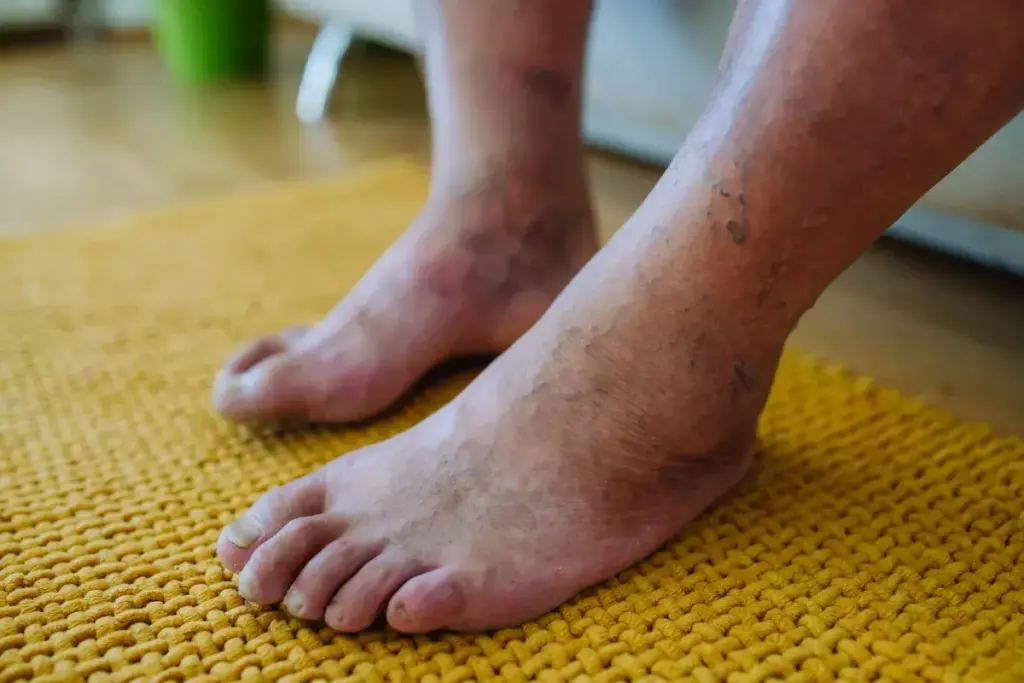
It’s key to know the stats and risks of diabetic foot ulcers. These ulcers are a big problem for people with diabetes. They really affect their life quality and health.
The Prevalence of Diabetic Foot Ulcers
Diabetic foot ulcers are very common in people with diabetes. Research shows that the lifetime risk of getting these ulcers is between 19-34%. This high number shows we need to be aware and take steps to prevent them.
- The lifetime risk of developing diabetic foot ulcers is 19-34%.
- These ulcers affect a lot of people with diabetes, making foot care very important.
The Risk of Recurrence
The chance of getting another ulcer is very high. After having one, the ulcer comes back 42% of the time in one year and 65% in five years. This shows we must keep watching and caring for our feet.
- The recurrence rate after one year is 42%.
- The recurrence rate after five years is 65%.
These numbers show how important it is to manage diabetic foot ulcers well. We need to treat the first ulcer and also prevent more from happening. This is done through good care and teaching patients.
What Causes Diabetic Foot Ulcers

Diabetic foot ulcers come from many factors. They are a big problem for people with diabetes. These ulcers happen because of nerve, blood, and environment issues.
Peripheral Neuropathy: A Key Factor
Peripheral neuropathy is a main reason for diabetic foot ulcers. It makes it hard to feel pain or discomfort in the feet. This means small injuries can turn into ulcers without being noticed.
Peripheral Arterial Disease: Compromised Blood Flow
Peripheral arterial disease (PAD) is also a big factor. It narrows blood vessels, cutting off blood to the feet. This makes it hard for wounds to heal, leading to ulcers.
Minor Trauma: The Spark That Ignites Ulceration
Even small injuries, like cuts or pressure from tight shoes, can start ulcers. For people with neuropathy and PAD, these injuries can cause big problems. This is because they can’t feel pain and heal slowly.
Contributing Risk Factors
Many things can increase the chance of getting diabetic foot ulcers. These include nerve loss, foot shape problems, and not controlling blood sugar well. Knowing these risks helps prevent ulcers.
| Risk Factor | Description | Impact |
| Peripheral Sensory Loss | Loss of sensation due to neuropathy | Increased risk of unnoticed injuries |
| Foot Deformities | Abnormalities in foot shape | Pressure points leading to ulcers |
| Poor Glycemic Control | High blood sugar levels | Impaired healing and increased infection risk |
How to Prevent Diabetic Foot Ulcers
We can lower the risk of diabetic foot ulcers by following simple habits. It’s key to keep your feet healthy if you have diabetes.
Daily Foot Examinations
Checking your feet daily is a must. This helps spot problems early. Look for redness, swelling, cuts, or blisters. Use a mirror to see the soles of your feet and check between your toes.
- Check for any cuts, cracks, or blisters.
- Look for signs of redness or swelling.
- Monitor for any changes in skin temperature.
Choosing Appropriate Footwear and Socks
Right footwear and socks are important. Pick shoes that fit well and don’t cause pressure. Avoid shoes with seams or irritants.
Key considerations for footwear:
- Opt for shoes made from breathable materials.
- Ensure shoes are not too tight or too loose.
- Consider using diabetic-friendly shoes designed to reduce pressure points.
Maintaining Optimal Blood Glucose Levels
Keeping blood sugar levels in check is key. High sugar can harm nerves and slow healing. Work with your doctor to manage your blood sugar.
Scheduling Regular Professional Foot Assessments
Regular foot checks are essential. A healthcare professional can spot issues early and guide you on foot care. Make sure to get regular check-ups.
By using these tips, people with diabetes can lower their risk of foot ulcers. This helps keep their feet healthy.
Conclusion
Diabetic foot ulcers are a big problem for people with diabetes. But, knowing why they happen and how to stop them can help. We talked about the main reasons for these ulcers, like nerve damage and poor blood flow.
To avoid these ulcers, it’s key to check your feet every day. Wear the right shoes and socks. Keep your blood sugar in check. Also, see a foot doctor regularly. This way, you can lower your risk of getting foot ulcers.
Knowing how to prevent diabetic ulcers is important. It helps keep your feet healthy and safe. If you have diabetes, it’s important to take care of your feet. This will help you stay healthy overall.
FAQ
What are diabetic foot ulcers?
Diabetic foot ulcers are open sores or wounds on the feet caused by nerve damage and poor circulation. They heal slowly and can lead to infection or serious complications if untreated.
What causes diabetic foot ulcers?
They are caused by a combination of neuropathy, poor circulation, high blood sugar, and pressure or injury to the feet. Minor cuts or blisters can develop into ulcers if not properly cared for.
How common are diabetic foot ulcers?
Approximately 15–25% of people with diabetes develop foot ulcers during their lifetime. They are a leading cause of hospitalization and lower limb amputation in diabetic patients.
Can diabetic foot ulcers be prevented?
Yes, prevention includes daily foot inspections, proper hygiene, wearing well-fitted shoes, controlling blood sugar, and treating minor injuries promptly.
What is the risk of recurrence for diabetic foot ulcers?
Even after healing, the risk of recurrence is high—up to 40% within one year. Continuous care, protective footwear, and monitoring are essential to reduce recurrence.
How does peripheral neuropathy contribute to diabetic foot ulcers?
Neuropathy reduces sensation in the feet, so injuries, pressure points, or burns may go unnoticed. This delays treatment and increases the risk of ulcer formation.
What role does peripheral arterial disease play in diabetic foot ulcers?
Peripheral arterial disease reduces blood flow to the feet, slowing healing and increasing the risk of infection. Poor circulation also raises the likelihood of severe complications.
How can I maintain optimal blood glucose levels to prevent diabetic foot ulcers?
Follow a balanced diet, take prescribed medications or insulin, exercise regularly, and monitor blood sugar levels daily. Consistent glucose control protects nerves and blood vessels.
Why are regular professional foot assessments important?
Healthcare professionals can detect early signs of ulcers, deformities, or infections. Early intervention prevents complications and reduces the risk of amputation.
References
Diabetic foot ulceration is a devastating complication of diabetes that is associated with infection, amputation, and death. https://pmc.ncbi.nlm.nih.gov/articles/PMC9791567/