
Hereditary liver conditions affect millions worldwide, often silently. If your family has a history of liver problems, understanding whether your condition is genetic could be lifesaving.
We explore the genetic disorders that cause hereditary liver conditions. These are inherited from parents and can affect family members across generations. Genetics plays a key role in many liver diseases. It can either directly cause the condition or increase susceptibility.
Understanding the genetic basis of these diseases is vital for early diagnosis and effective management. Advanced genetic testing now makes it possible to identify inherited conditions before permanent damage occurs.
Key Takeaways
- Hereditary liver conditions are caused by genetic mutations.
- These conditions can be passed from parents to children.
- Genetic testing can identify inherited liver conditions early.
- Early detection is key for effective management.
- Family history plays a significant role in determining risk.
Understanding the Genetic Basis of Liver Disorders

Genetic liver disorders come from changes in genes that help the liver work right. Finding these changes is important for treating these conditions. We’ll look at how genetics play a role in liver diseases and the ways they affect the liver.
What Makes Liver Diseases Hereditary
Liver diseases can run in families because of changes in genes that control liver work and how it breaks down substances. Common hereditary liver conditions include Wilson disease, hereditary hemochromatosis, alpha-1 antitrypsin deficiency, and Alagille syndrome. These problems happen because of defects in enzymes or proteins that mess up how the liver works.
How Genetic Mutations Affect Liver Function
Genetic changes can really mess with the liver’s job by messing with the proteins it uses for breaking down stuff and getting rid of toxins. For instance, Wilson disease is caused by changes in the ATP7B gene, which stops the liver from getting rid of copper. This leads to too much copper in the body. Hereditary hemochromatosis is caused by changes in the HFE gene, making the liver take in too much iron. Knowing about these genetic changes helps us figure out and treat these conditions better.
Common Types of Hereditary Liver Disease
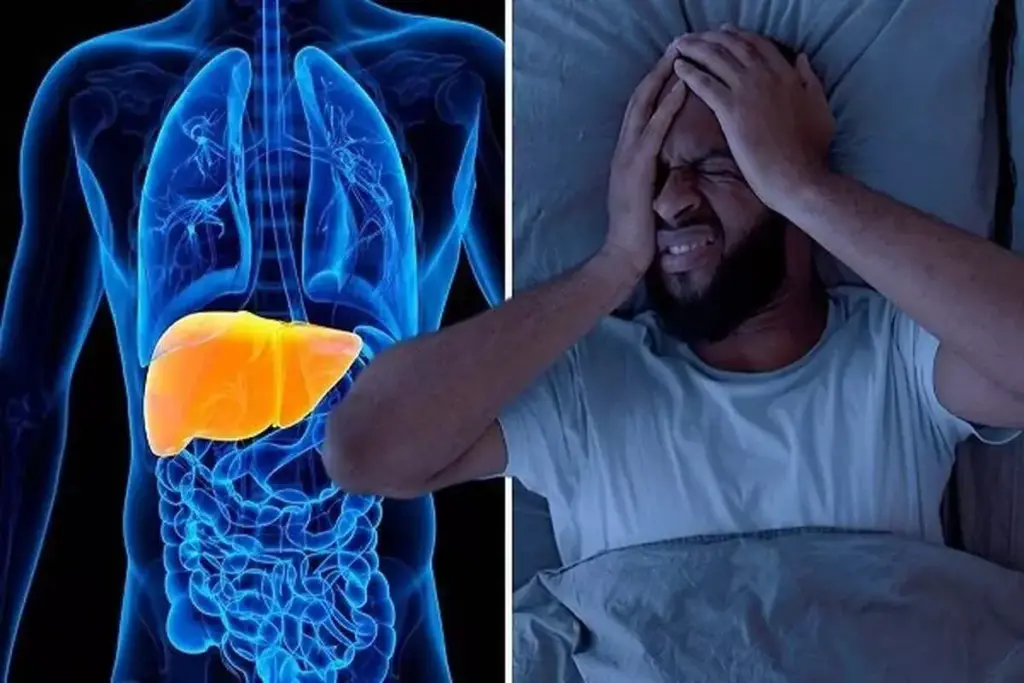
Hereditary liver diseases are a group of conditions caused by genetics. They can affect liver function and overall health. Early diagnosis and treatment are key. We’ll look at four common types: Wilson disease, hereditary hemochromatosis, alpha-1 antitrypsin deficiency, and Alagille syndrome.
Wilson Disease: Copper Accumulation
Wilson disease is a genetic disorder that causes too much copper in the liver and brain. It’s caused by a problem with theATP7Bgene. Without treatment, it can lead to liver failure and brain damage. For more info, check out trusted medical sites.
Hereditary Hemochromatosis: Iron Overload
Hereditary hemochromatosis causes too much iron in the body. It affects the liver, heart, and pancreas. It’s linked to theHFEgene. Without proper care, it can damage organs and raise cancer risk. Early treatment can help a lot. For more, seethis article.
Alpha-1 Antitrypsin Deficiency
Alpha-1 antitrypsin deficiency affects the lungs and liver. It’s caused by a problem with theSERPINA1gene. People with this condition are more likely to get lung disease and liver damage. To manage it, avoid smoking and check liver health.
Alagille Syndrome
Alagille syndrome is a rare genetic disorder. It affects the liver, heart, and kidneys. It’s caused by a lack of bile ducts in the liver. Early treatment is key to avoiding serious problems.
In summary, these four diseases need different treatments. Knowing their genetic and clinical features is important for care. Early detection and treatment can greatly improve patient outcomes.
Conclusion: Diagnosis, Management, and Living with Genetic Liver Conditions
Knowing the genetic causes of liver diseases is key for early detection and treatment. Genetic tests can spot risks before symptoms show up, leading to early action. This way, we can tailor care and support to help patients better.
Liver diseases like cirrhosis can run in families. Research shows some genetic mutations cause liver cirrhosis. For example, a study in PLOS ONE found a link between telomere disorders and liver problems. You can read the study here.
Making lifestyle changes and using treatments based on genetic tests can greatly help. Keeping up with regular check-ups and treatment plans is vital. This approach can slow down disease progress and enhance life quality for those with liver issues.
Understanding liver diseases and their genetic links helps us diagnose and manage them better. This knowledge lets us offer full care and support to those with genetic liver conditions. It improves their overall health and well-being.
FAQ
What is hereditary liver disease?
Hereditary liver disease is caused by genetic disorders. These disorders affect the liver. They come from mutations in genes that control liver function and metabolism.
Is liver disease hereditary?
Yes, some liver diseases are passed down through families. This includes Wilson disease and hereditary hemochromatosis. They are caused by genetic mutations.
What are the common types of hereditary liver diseases?
Common types include Wilson disease and hereditary hemochromatosis. There’s also alpha-1 antitrypsin deficiency and Alagille syndrome. Each has its own characteristics and treatment options.
How is Wilson disease caused?
Wilson disease is caused by a mutation in the ATP7B gene. This mutation affects how the body gets rid of copper. It leads to copper building up in the liver.
What is hereditary hemochromatosis?
Hereditary hemochromatosis is a genetic disorder. It’s caused by mutations in the HFE gene. This leads to too much iron being absorbed and stored in the liver.
Can genetic testing help diagnose hereditary liver diseases?
Yes, genetic testing is key in diagnosing these diseases. It helps identify people at risk. This allows for early treatment and care tailored to each person.
How are genetic liver conditions managed?
Management is a team effort. It includes early diagnosis and treatment. Lifestyle changes and regular check-ups are also important. This approach helps improve patient outcomes.
Is cirrhosis of the liver hereditary?
Cirrhosis is often caused by environmental factors. But, some genetic factors can increase the risk. This suggests a possible hereditary link.
What is alpha-1 antitrypsin deficiency?
Alpha-1 antitrypsin deficiency is a genetic disorder. It affects both the liver and lungs. It’s caused by mutations in the SERPINA1 gene, leading to low levels of a protein.
What is Alagille syndrome?
Alagille syndrome is a rare genetic disorder. It affects multiple organs, including the liver, heart, and kidneys. It’s caused by mutations in the JAG1 or NOTCH2 genes.
Are liver conditions genetic?
Some liver conditions have a genetic basis. They result from inherited mutations that affect liver function. Others may be caused by environmental or lifestyle factors.
References
Government Health Resource. Evidence-Based Medical Guidance. Retrieved from https://health.ucdavis.edu/conditions/genetic-liver-diseases[3