Lesions on the brain, also referred to as intracerebral lesions, are areas of abnormal or damaged brain tissue. They are found using imaging techniques like MRI or CT scans. At Liv Hospital, we know how worried and unsure people can feel when they find out about these lesions.
These lesions can mean different things, like infections or autoimmune diseases. Cerebral small vessel disease (SVD) is one condition linked to brain lesions. It affects the small arteries and veins in the brain.
It’s important to know what causes and symptoms of brain lesions are. This helps doctors diagnose and treat them quickly. At Liv Hospital, we focus on our patients, giving them the best care and support during their treatment.
Key Takeaways
- Brain lesions are areas of damaged brain tissue identified through imaging techniques.
- They can be associated with various medical conditions, including infections and autoimmune diseases.
- Cerebral small vessel disease is a condition that affects the small arteries and veins in the brain.
- Timely diagnosis and treatment are key to managing brain lesions well.
- Liv Hospital offers a patient-centered approach to care for patients with brain lesions.
Understanding Brain Lesions: Definition and Overview
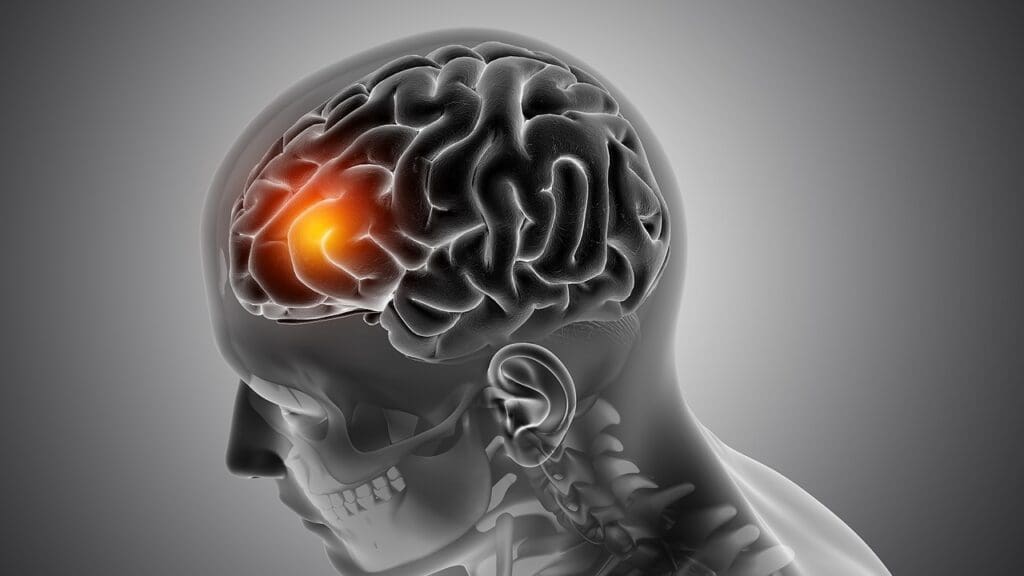
Brain lesions are damaged areas in the brain. They can come from many things like trauma, infections, or diseases. Knowing about these lesions helps doctors diagnose and treat brain problems.
What Are Intracerebral Lesions?
Intracerebral lesions are problems inside the brain tissue. They can happen due to vascular issues, infections, or trauma. There are two main types of cerebral small vessel disease (SVD): sporadic and hereditary.
Types and Classifications of Brain Lesions
Brain lesions can be grouped by their causes and features. Here are some common ones:
- Ischemic lesions from reduced blood flow
- Hemorrhagic lesions from bleeding
- Inflammatory lesions from conditions like multiple sclerosis
- Neoplastic lesions from tumors
How Brain Lesions Differ from Other Brain Abnormalities
Brain lesions are unique because they are focal damage or disease. Unlike widespread conditions, lesions are usually in one spot. This makes it easier to diagnose specific issues.
How Brain Lesions Are Detected and Diagnosed
Doctors use MRI, CT scans, and neurological tests to find brain lesions. The choice of test depends on the type of lesion and the patient’s health.
Imaging Techniques: MRI and CT Scans
MRI and CT scans are key for spotting brain lesions. MRI is great for soft tissue issues, showing brain details clearly. CT scans are faster and used in emergencies, like finding bleeding or breaks.
Doctors say MRI is top for finding lesions in the brain. It’s very good at spotting problems in the central nervous system.
This skill is key for treating conditions early.
Advanced Diagnostic Methods
New tests like Optical Coherence Tomography Angiography (OCTA) are also used. OCTA shows the tiny blood vessels in the retina without hurting the patient. It helps doctors understand brain issues.
The Role of Neurological Examination
A detailed neurological check is vital for diagnosing brain lesions. It looks at thinking, movement, and senses. This helps doctors find where the lesion is and how it affects the brain.
Using scans and neurological tests together helps doctors find and treat brain lesions well.
What Do Lesions on the Brain Indicate? Key Clinical Significance
Brain lesions can show many things, from small, harmless spots to big, serious problems. The term ‘brain lesion’ covers a wide range. Knowing what these lesions mean is key for the right diagnosis and treatment.
General Indications of Brain Lesions
Lesions on the brain can come from many sources. These include traumatic injuries, infections, vascular disorders, and neoplastic conditions. Finding a lesion often means there’s a problem that needs doctor’s care. For example, cerebral small vessel disease (SVD) can lead to stroke and dementia, showing how important it is to spot and treat these lesions.
When Brain Lesions Are Concerning vs. Incidental
Not every brain lesion is a problem. Some are found by accident during tests for other reasons. But, if a lesion is causing symptoms or looks unusual on scans, it’s a big deal. The size, location, and look of the lesion on scans help doctors figure out if it’s serious.
Predictive Value in Disease Progression
The type and size of brain lesions can tell doctors about future health risks. For example, in multiple sclerosis, how many and where lesions are can predict future problems. In vascular diseases, how big the lesions are can show the risk of stroke or brain decline. Knowing about these lesions helps doctors take better care of patients and maybe slow down disease progress.
Doctors can make better choices for patient care by understanding brain lesions. This ranges from watching small, harmless spots to treating serious conditions aggressively.
Common Causes of Brain Lesions
It’s important to know why brain lesions happen. They can come from many things like trauma, infections, and diseases. Also, vascular disorders, tumors, and inflammation play a role.
Traumatic Brain Injury
Traumatic brain injury (TBI) is a big reason for brain lesions. It happens when something outside the body hurts the brain. This can cause different kinds of lesions.
Infections and Inflammatory Processes
Infections like encephalitis and brain abscesses can lead to lesions. Autoimmune diseases can also cause lesions by attacking the brain.
Vascular Disorders
Stroke and cerebral vasculitis are common causes too. These problems affect blood flow to the brain. This can cause lesions because of lack of blood or too much blood.
Neoplastic Conditions (Tumors)
Both good and bad tumors can cause brain lesions. Tumors grow and can cause swelling in the brain.
Degenerative Diseases
Diseases like Alzheimer’s can also cause brain lesions. These diseases make the brain lose neurons and lead to memory loss.
In summary, brain lesions have many causes. Knowing what they are is key to treating them right.
Symptoms Associated with Brain Lesions
Knowing the symptoms of brain lesions is key for quick diagnosis and treatment. These symptoms vary based on the lesion’s location, size, and cause.
How Location Affects Symptoms
The spot of a brain lesion greatly influences the symptoms. For example, lesions in motor control areas can cause weakness or paralysis. Lesions in cognitive areas might lead to memory loss or confusion.
Common Neurological Symptoms
Neurological symptoms of brain lesions include headaches, seizures, and numbness or tingling in different body parts. These happen because the lesion affects the brain tissue around it.
Cognitive and Behavioral Changes
Brain lesions can also cause cognitive and behavioral changes. People might lose memory, struggle to focus, or see changes in their personality. These changes can be hard for the person and their family.
When Symptoms Require Immediate Medical Attention
Seek medical help right away if you have severe headache, sudden confusion, or trouble speaking. These signs might mean a serious issue that needs quick treatment.
Multiple Sclerosis: A Primary Cause of Brain Lesions
Multiple sclerosis is a major cause of brain lesions. It’s a chronic autoimmune disease. It damages the protective covering of nerve fibers in the central nervous system (CNS).
How MS Creates Demyelinating Lesions
In MS, the immune system attacks the myelin sheath. This leads to demyelinating lesions. These lesions disrupt nerve signal transmission, causing many symptoms. For more on brain lesions, check out MS Trust.
Distinctive Features of MS Lesions
MS lesions are found in the brain and spinal cord’s white matter. They vary in size and number. Their locations often match specific neurological problems. These lesions are a key sign of MS.
Treatment Approaches for MS Lesions
MS treatment aims to reduce relapses and slow disease progression. It also manages symptoms. Disease-modifying therapies (DMTs) are key. They try to stop new lesions and slow disease activity.
Understanding MS and its effects on the brain is vital. It helps in creating better treatments. By tackling the causes of demyelinating lesions, doctors can improve life for those with MS.
Stroke and Vascular Lesions in the Brain
It’s key to know how stroke and vascular lesions affect the brain. These issues cause brain damage in millions globally. We’ll look at the types of vascular lesions, their causes, and how they impact health.
Ischemic vs. Hemorrhagic Lesions
Stroke can lead to ischemic or hemorrhagic lesions. Ischemic lesions happen when brain areas don’t get enough blood, usually because of a blockage. On the other hand, hemorrhagic lesions are caused by bleeding in or around the brain. Knowing the difference helps doctors choose the right treatment.
Transient Ischemic Attacks and Lesions
A Transient Ischemic Attack (TIA), or “mini-stroke,” can also cause lesions. TIAs are short-lived and don’t last, but they warn of a possible stroke. We must take them seriously to avoid a full stroke.
Long-term Implications of Vascular Lesions
Vascular lesions can have lasting effects, like cognitive decline and motor issues. Studies link higher PCSK9 levels with artery stenosis, showing the need to manage vascular health.
Understanding vascular lesions helps us manage and treat patients better. This improves their outcomes and quality of life.
Brain Tumors and Associated Lesions
Brain tumors often cause lesions, which are damaged brain areas. These lesions can greatly affect a patient’s health and treatment choices.
Benign vs. Malignant Lesions
Brain tumors can be either benign or malignant. Benign tumors are non-cancerous and grow slowly. On the other hand, malignant tumors are cancerous and grow fast, possibly spreading to other brain areas. Knowing the tumor type is key for the right treatment.
Primary vs. Metastatic Brain Tumors
Primary brain tumors start in the brain, while metastatic brain tumors come from other body parts. Primary tumors can be benign or malignant, and treatment varies based on their type and location. Metastatic tumors usually mean the cancer is more advanced.
Treatment Options for Tumor-Related Lesions
Treatment for brain tumor lesions depends on the tumor’s type, size, and location. Options include surgery, radiation, and chemotherapy. Sometimes, a mix of these treatments is used. We’ll look into these treatments and how they affect patient outcomes.
Infectious and Inflammatory Brain Lesions
Infectious and inflammatory processes can harm the brain, causing various lesions. These can come from infections, autoimmune responses, and other inflammatory conditions.
Encephalitis and Brain Abscesses
Encephalitis is inflammation of the brain, often from viral infections. Brain abscesses are pus collections in the brain, usually from bacteria. Both can be serious and need quick medical help.
Autoimmune Encephalitis
Autoimmune encephalitis happens when the immune system attacks the brain. It can cause seizures, confusion, and memory loss.
Rare Infectious Causes of Brain Lesions
Parasites and fungi can also cause brain lesions. Parasitic infections, like cerebral toxoplasmosis, are dangerous for those with weak immune systems.
Parasitic Infections
Parasitic infections, like cerebral toxoplasmosis, can cause serious brain damage if not treated.
Fungal Infections
Fungal infections, like cryptococcal meningitis, can also cause brain lesions. This is more common in people with weak immune systems.
It’s important to understand the causes and signs of infectious and inflammatory brain lesions. This helps in diagnosing and treating them effectively. We need to consider many possible causes when treating these conditions.
Treatment and Management of Brain Lesions
Brain lesions can come from injury, infection, or disease. They need specific treatments to fix the problem and ease symptoms. Doctors use many methods, including medicine, surgery, and rehab.
Medical Management Approaches
Doctors often start with medicine to treat brain lesions. They use drugs to lessen symptoms and slow the disease. For example, they might give corticosteroids for swelling, antiepileptic drugs for seizures, or other medicines based on the cause.
In cases of multiple sclerosis, they use special treatments to cut down on relapses.
Surgical Interventions
Surgery is sometimes needed to deal with the lesion directly. This might mean taking out tumors or fixing blood vessel problems. Doctors decide on surgery based on the lesion’s size, location, and how it affects the patient.
New surgical techniques have made treatments better for many people.
Rehabilitation Strategies
Rehab is key for patients to get better from brain lesions. It includes physical therapy for moving better, speech therapy for talking, and cognitive therapy for memory and thinking. A custom rehab plan can really help improve a patient’s life.
Emerging Therapies and Research
There’s always new research on brain lesions, with new treatments on the horizon. This includes better treatments for autoimmune diseases and targeted cancer therapies. For the latest on treatments, check out WebMD’s brain lesion page.
Handling brain lesions well means looking at the cause, the patient’s health, and the newest treatments. By using medicine, surgery, and rehab together, doctors can help patients with brain lesions a lot.
Conclusion: Prognosis and Living with Brain Lesions
Understanding brain lesions and their causes is key for effective management and treatment. Brain lesions can come from many sources, like head injuries, infections, blood vessel problems, tumors, and degenerative diseases.
Age and high blood pressure are big factors in how brain lesions progress after mid-life. This shows why managing these risks is so important. To live with brain lesions, a full approach is needed. This includes medical care, lifestyle changes, and rehab.
The outlook for people with brain lesions varies a lot. It depends on the cause, where the lesion is, and how severe it is. Personalized care and regular check-ups are vital for the best results. Knowing what diseases cause brain lesions and how to manage them helps patients and caregivers a lot.
Managing brain lesions well needs a team effort. This team uses the latest research and treatments to improve life quality and outcomes for those affected.
What are brain lesions?
Brain lesions are abnormal areas in the brain. They can be caused by injury, infection, or disease. We find them using MRI and CT scans.
What causes lesions on the brain?
Brain lesions can come from injury, infections, or diseases. We’ll look into these causes to understand their effects.
How are brain lesions detected and diagnosed?
We use MRI and CT scans to find brain lesions. We also do neurological exams and advanced tests.
What do lesions on the brain indicate?
Brain lesions can show many conditions, from simple to serious. We check each lesion’s meaning for the person.
Are all brain lesions a cause for concern?
Not all brain lesions are serious. We look at the lesion and the person’s health to decide if it’s a worry.
Can multiple sclerosis cause brain lesions?
Yes, MS is a main cause of brain lesions. These lesions can affect thinking and movement. We talk about MS lesions and treatments.
How do vascular disorders cause brain lesions?
Disorders like stroke can lead to brain lesions. We talk about the lasting effects and why quick medical help is key.
What are the symptoms of brain lesions?
Symptoms vary based on the lesion’s location and type. We cover common symptoms and when to seek help fast.
Can brain tumors cause lesions?
Yes, tumors can cause lesions. We explain the difference between benign and malignant tumors and treatment options.
How are brain lesions treated?
Treatment depends on the cause. It might include medicine, surgery, rehab, or new therapies. We create a plan for each person.
What is the prognosis for individuals with brain lesions?
The outlook varies based on the lesion’s cause, location, and severity. We offer insights to help in managing brain lesions.
References
- WebMD (Brain Lesions: Causes, Symptoms, Treatments) : https://www.webmd.com/brain/brain-lesions-causes-symptoms-treatments
- Healthgrades (Brain Lesions) : https://resources.healthgrades.com/right-care/brain-and-nerves/brain-lesions
- Main Line Health (Brain Lesion) : https://www.mainlinehealth.org/conditions-and-treatments/conditions/brain-lesion
- Hancock Health (Brain Lesions – Mayo Health Library) : https://www.hancockhealth.org/mayo-health-library/brain-lesions
- MedicineNet (Brain Lesions) : https://www.medicinenet.com/brain_lesions_lesions_on_the_brain/article.htm



 Departments
 Related Videos
 Our Doctors
 News
News