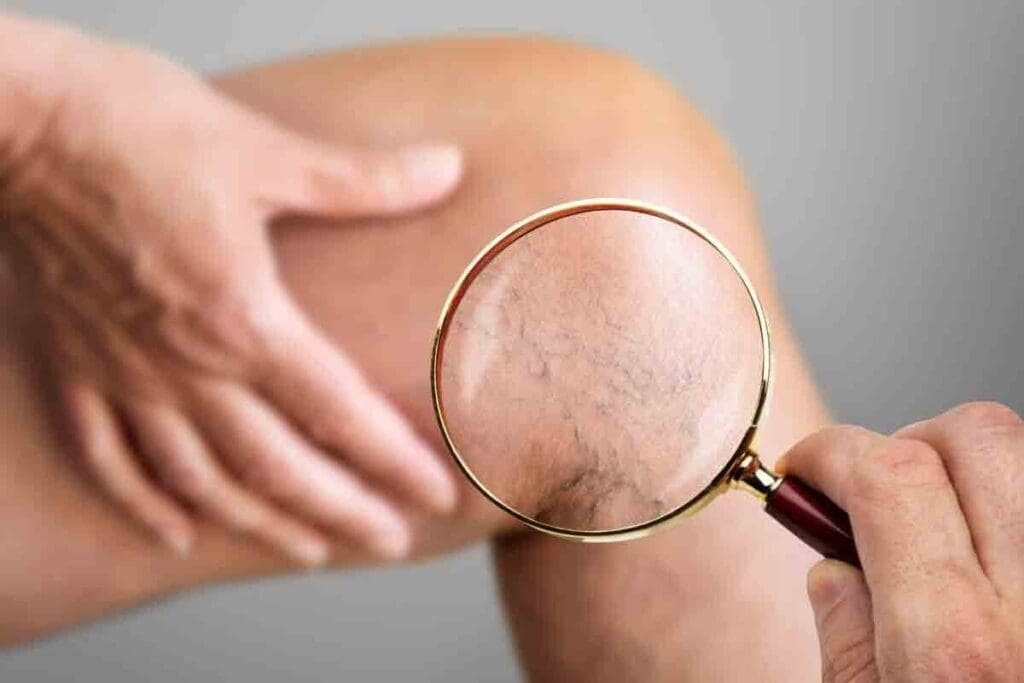
At LivHospital, we understand how worried you can be about a blood clot in your leg, medically known as deep vein thrombosis (DVT). You may ask, what does a blood clot feel like? Symptoms can range from mild to severe and typically include throbbing or cramping pain often starting in the calf or thigh, swelling, warmth, and redness in the affected area. The leg may also feel tender, and the skin might appear discolored, ranging from red to purplish or bluish hues depending on your skin tone. Some people also experience swollen, hard veins that are sore to the touch. Recognizing these signs early and seeking prompt medical advice is crucial because DVT can lead to serious complications if left untreated.
Some people might not notice any symptoms at all. This is why knowing the risks and signs is so important. Even though you can’t feel a blood clot move, knowing the symptoms can help get you the right treatment fast.
Key Takeaways
- Deep vein thrombosis (DVT) can cause throbbing or cramping pain in the leg.
- Symptoms may include swelling, redness, and warmth at the affected site.
- Some individuals may not experience any noticeable symptoms.
- There is no scientific evidence that individuals can feel a blood clot move.
- Timely diagnosis and treatment are key for good care.
Understanding Deep Vein Thrombosis (DVT)
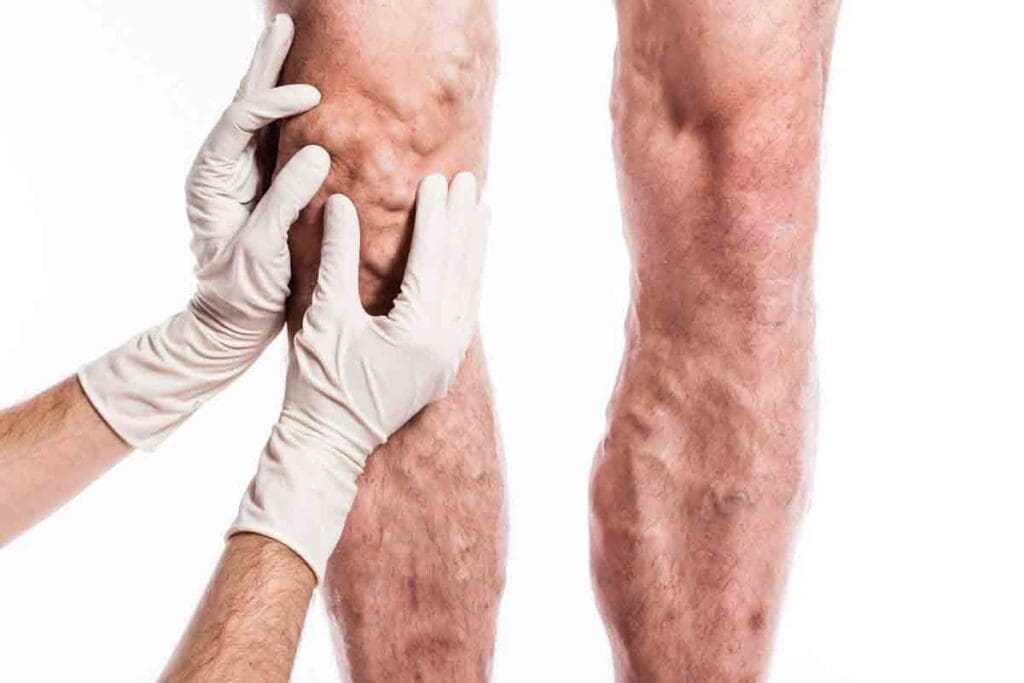
A blood clot in the deep veins is called Deep Vein Thrombosis (DVT). It’s a serious health issue that needs quick action. DVT happens when a blood clot forms in the deep veins, usually in the legs.
Definition and Medical Explanation
Deep Vein Thrombosis is when a blood clot forms in the deep veins, often in the legs. This clot can block blood flow, causing pain and swelling. It can also lead to serious problems if it breaks loose and goes to the lungs, causing a pulmonary embolism.
The deep venous system is a network of veins deep in the muscles of the legs. These veins are different from the superficial veins near the skin. The deep veins are more likely to clot because of their location and other factors.
Common Causes and Risk Factors
Several factors can increase the risk of getting DVT. These include:
- Immobility: Long periods of not moving, like on flights or in bed, can cause blood clots.
- Injury or Trauma: Damage to veins from injury or surgery can lead to clotting.
- Genetic Predisposition: People with a family history of DVT are more at risk.
- Certain Medical Conditions: Conditions like cancer, heart disease, and obesity can raise the risk of DVT.
- Hormonal Changes: Pregnancy and hormone therapy can affect blood clotting.
Typical Locations in the Leg
DVT often happens in the lower legs, mainly in:
- Calf veins: Clots often form here because of smaller size and lower blood flow.
- Popliteal vein: Behind the knee, this vein is another common spot for DVT.
- Femoral and iliac veins: Clots can also form in the larger veins of the thigh and pelvis.
Knowing where DVT usually happens and the risk factors is key for early detection and treatment. If you think you have DVT, getting medical help right away is vital.
What Does a Blood Clot Feel Like: Common Symptoms
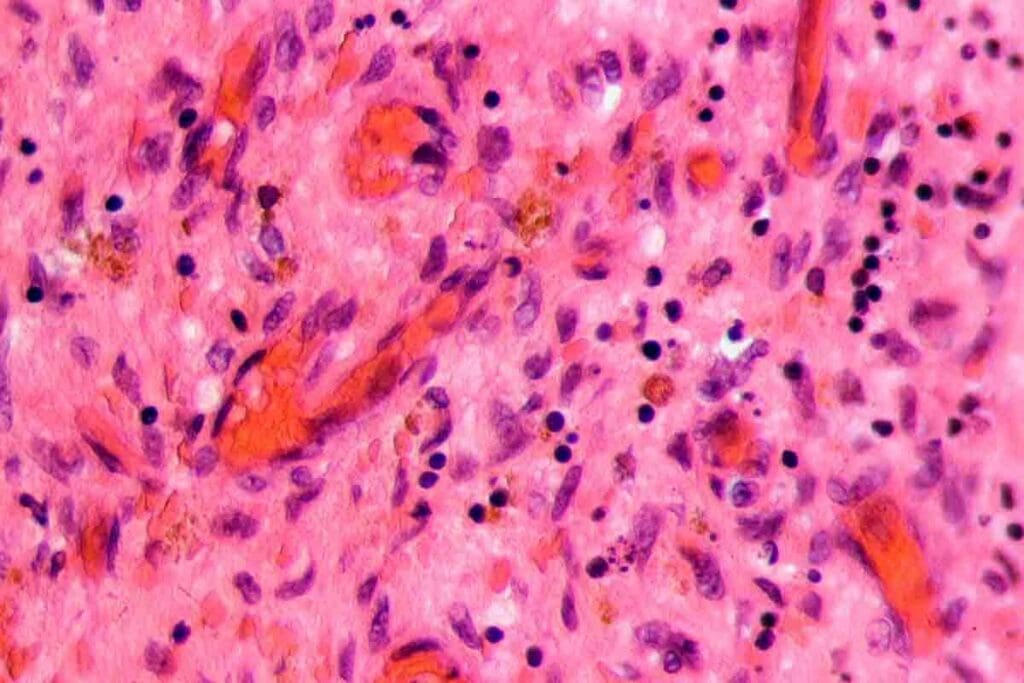
A blood clot in the leg can cause different symptoms. These signs can be mild or severe and may come on quickly or slowly.
Throbbing and Cramping Pain Sensations
Throbbing or cramping pain is a common sign of a blood clot in the leg. This pain can feel deep or sharp and gets worse when you move. The pain can be so bad it makes it hard to move.
Swelling, Redness, and Warmth
Swelling, redness, and warmth in the leg are also signs of DVT. Swelling can happen fast and feel heavy. The skin might turn red or purple because of inflammation.
Sensation of Tightness or Pulled Muscle
Some people feel their leg is tight or like a pulled muscle. This can feel uncomfortable and might seem like a muscle strain. But, if it lasts or comes with other symptoms, you should see a doctor.
| Symptom | Description |
| Throbbing or Cramping Pain | Persistent pain that worsens with movement |
| Swelling | Sudden swelling that may cause heaviness |
| Redness and Warmth | Inflammation causing redness and warmth to the touch |
| Sensation of Tightness | Feeling of tightness or a pulled muscle |
Spotting these symptoms early can help a lot. If you notice any of these signs, seeing a doctor right away is important.
The Spectrum of Blood Clot Pain
Pain from a blood clot in the leg can differ a lot from person to person. Some might feel only a little discomfort. Others might have pain so bad it stops them from doing everyday things.
Mild to Severe Pain Variations
The pain from deep vein thrombosis (DVT) can be mild or very bad. The pain’s strength depends on the clot’s size and where it is in the leg. Some might feel a dull ache, while others might have sharp pains.
- Mild pain that feels like a slight strain or pulled muscle
- Moderate pain that gets worse with movement or pressure
- Severe pain that is constant and very hard to handle
Pain That Worsens When Standing or Walking
DVT pain often gets worse when you stand or walk. This happens because these actions put more pressure on the veins in your legs, making the pain worse. Resting or elevating the leg can help make the pain better.
Factors That Influence Pain Intensity
Many things can change how much pain a blood clot causes. Big clots or ones closer to the body’s center usually hurt more. How well you can handle pain and your overall health also play a part.
- Size of the clot: Larger clots hurt more
- Location of the clot: Clots in more proximal veins can cause more significant pain
- Individual pain tolerance: People have different thresholds for pain perception
Visual and Physical Changes in the Affected Leg
A blood clot in the leg can lead to noticeable changes. These signs are important for spotting Deep Vein Thrombosis (DVT). They should not be ignored.
Discoloration Patterns
Discoloration is a common sign of DVT. The skin may turn red, purple, or blue. This happens because the clot blocks blood flow. Sometimes, the skin might look pale or have a bluish color.
Measuring and Monitoring Swelling
Swelling is another symptom of DVT. To check for swelling, measure the leg’s circumference. Do this at the same spot on both legs, like the calf or thigh. A big difference in size could mean DVT.
| Measurement Location | Affected Leg | Unaffected Leg |
| Calf Circumference | 38 cm | 35 cm |
| Thigh Circumference | 50 cm | 48 cm |
Temperature Differences Between Legs
People with DVT might notice their legs are warmer or cooler. This is because the clot causes inflammation.
“The affected leg may feel warm to the touch, which is a result of the body’s inflammatory response to the clot.” – Vascular Surgeon
It’s key to know these signs for early DVT detection and treatment. If you see these symptoms, get medical help right away.
Silent Blood Clots: When Symptoms Are Minimal or Absent
Silent blood clots, or asymptomatic deep vein thrombosis (DVT), can happen without any symptoms. This makes them a hidden danger to our health. We will look into silent blood clots, their numbers, why they often go unnoticed, and who is most at risk.
Statistics on Asymptomatic DVT Cases
About half of people with DVT don’t show any symptoms. A study in the Journal of Thrombosis and Haemostasis showed that nearly 50% of DVT patients were asymptomatic. This shows how vital awareness and prevention are, mainly for those at high risk.
Why Some Blood Clots Don’t Cause Pain
There are many reasons why some blood clots don’t hurt. The size and where the clot is, how healthy the person is, and if there’s another way for blood to flow are key. For example, a small clot that doesn’t block blood flow much might not hurt. Knowing these things helps us spot who might be at risk for silent blood clots.
High-Risk Groups for Silent Blood Clots
Some groups face a higher risk of silent blood clots. These include people who can’t move much, like those who are bedridden or paralyzed. Also, those with health issues like cancer or heart disease are at risk. Post-surgery patients and those who’ve had DVT or pulmonary embolism before are also at high risk. Knowing these risk factors is key to catching and preventing silent blood clots early.
We need to be aware of the dangers of silent blood clots and take steps to prevent them. This means knowing the risk factors and symptoms, even if they’re not always obvious. By understanding and tackling these risks, we can lower the number of silent blood clots and their serious effects.
Can You Feel a Blood Clot Move in Your Leg?
Many people wonder if they can feel a blood clot move in their leg. This question comes up often, mainly because of the serious risks of Deep Vein Thrombosis (DVT). We’ll look into the science and what patients say to clear up any confusion.
Scientific Evidence on Clot Movement Sensation
There’s no proof that people can feel a blood clot move in their leg. Studies on DVT show that feeling a clot move is not a symptom. The body reacts to clots with inflammation and clotting, but these don’t usually feel like movement.
Doctors use imaging like ultrasound to check for clots. These tests show where and how big a clot is. But they don’t show that patients can feel clots moving.
Changes in Symptoms That May Be Mistaken for Movement
Even though we can’t feel clots move, symptoms can change in ways that might seem like movement. For example, pain or swelling can change because of the clot’s size or the body’s reaction to it.
These changes can happen suddenly, making people think the clot is moving. But they’re more likely due to the clot getting bigger or smaller and the body’s inflammation.
Patient Experiences and Perceptions
People’s experiences with blood clots are different. Some might feel “pulsing” or “throbbing,” thinking it’s the clot moving. But these feelings are usually from inflammation or nerve issues, not the clot itself.
We’ve seen patients worried about feeling their clot move. It’s important to talk clearly and educate them about DVT. By explaining their symptoms, we can help reduce their worry and help them manage their condition better.
Distinguishing Blood Clots from Other Leg Conditions
Leg pain can be tricky to figure out. It’s hard to tell if it’s a blood clot or something else. Knowing the difference is key to getting the right treatment.
Muscle Strains vs. Blood Clots
Muscle strains and blood clots can both hurt and swell your leg. But they’re not the same. Muscle strains happen after you’ve been active or hurt yourself. The pain is usually in one spot.
Blood clots, on the other hand, can hurt all over and swell without any reason. They don’t always come from being active.
Key differences:
- Muscle strains usually have a clear history of injury or overuse.
- Blood clots can occur without any obvious trauma.
- Muscle strain pain often improves with rest, while blood clot pain can persist.
Cellulitis and Other Inflammatory Conditions
Cellulitis is a skin infection that can look like a blood clot. It makes your skin red, swollen, and painful. But it also makes you feel warm, tender, and might even give you a fever. Unlike blood clots, it gets better with antibiotics.
Important distinctions:
- Cellulitis often has visible skin changes, such as redness and swelling.
- The presence of fever can indicate an infectious process like cellulitis.
- Cellulitis pain is usually more superficial compared to the deeper pain associated with blood clots.
Peripheral Artery Disease Comparison
PAD is when your arteries narrow, cutting off blood to your legs. It makes your legs hurt when you walk and feels better when you rest. PAD pain is linked to how active you are and doesn’t usually swell.
| Condition | Pain Characteristics | Associated Symptoms |
| Blood Clot | Diffuse, persistent pain | Swelling, warmth |
| Muscle Strain | Localized, improves with rest | History of injury or overuse |
| Cellulitis | Superficial, tender | Redness, fever |
| PAD | Claudication, related to activity | Reduced pulses, coolness |
Getting the right diagnosis is key to treating your leg pain. Knowing the differences helps doctors give you the best care.
When to Seek Medical Attention for Suspected Blood Clots
Knowing the warning signs of a blood clot is key. Getting medical help fast can save lives. We’ll talk about the signs that mean you need to see a doctor right away. We’ll also cover the serious risks of deep vein thrombosis (DVT).
Warning Signs That Require Immediate Care
Some symptoms are a big warning sign for DVT. If you notice any of these, get help right away:
- Sudden shortness of breath
- Chest pain or discomfort that gets worse with deep breathing
- Coughing up blood
- Rapid heart rate
- Dizziness or fainting
These signs might mean you have a pulmonary embolism. This is a serious condition that needs quick treatment.
Pulmonary Embolism: A Life-Threatening Complication
Pulmonary embolism happens when a blood clot travels to the lungs. It blocks blood flow and is very dangerous. If you think you might have DVT, getting medical help is very important.
| Symptoms | Description | Urgency Level |
| Sudden shortness of breath | Difficulty breathing without an obvious cause | High |
| Chest pain | Pain or discomfort that may radiate to the arm, back, or jaw | High |
| Coughing up blood | Presence of blood in coughed-up material | High |
What to Tell Your Healthcare Provider
When you see a doctor for DVT, tell them everything. Share:
- The length and how bad your symptoms are
- What makes your symptoms better or worse
- Your health history, including past DVT or other conditions
- Any medicines you’re taking
Telling your doctor all you can helps them figure out what’s wrong. They can then create a good plan to help you.
Diagnostic Procedures for Blood Clots in the Leg
Healthcare providers use several tests to find blood clots in the leg. These tests help figure out the best treatment.
Physical Examination Process
A physical exam is the first step to find DVT. We look at the patient’s history and check for swelling, redness, and warmth in the leg. We also check for tenderness and pain when we touch the leg.
Ultrasound and Other Imaging Tests
Ultrasound is key for finding DVT. It uses sound waves to show images of veins. If ultrasound doesn’t show anything, tests like venography or MRI might be used.
D-dimer Blood Test and Other Laboratory Work
The D-dimer blood test checks for a substance made when a clot breaks down. It helps rule out DVT. Other tests check the patient’s overall health and look for other reasons for symptoms.
| Diagnostic Test | Purpose | Key Findings |
| Physical Examination | Assess for signs of DVT | Swelling, redness, warmth |
| Ultrasound | Visualize veins for clots | Presence of clot, vein obstruction |
| D-dimer Blood Test | Measure clot dissolution product | Elevated D-dimer levels |
Choosing the right test is key for accurate diagnosis and treatment planning. Each test gives important info that helps understand the patient’s condition fully.
Treatment Options for Leg Blood Clots
Managing DVT needs a detailed plan. This plan includes medicine, therapy, and lifestyle changes. The aim is to stop the clot from growing, lower the chance of complications, and ease symptoms.
Anticoagulant Medications
Anticoagulant drugs are key in treating DVT. They stop new clots from forming and prevent existing ones from growing. These drugs help lower the risk of pulmonary embolism and other serious issues. Common ones are heparin, warfarin, and newer drugs like rivaroxaban and apixaban. The right drug depends on the patient’s health, kidney function, and other factors.
Key benefits of anticoagulant medications:
- Effective in preventing clot progression
- Reduce the risk of pulmonary embolism
- Available in various formulations (e.g., oral, injectable)
Thrombolytic Therapy for Severe Cases
For severe DVT, like big clots or bad symptoms, thrombolytic therapy might be used. This treatment breaks down the clot with special drugs. It’s mainly for severe cases because of the risk of bleeding. We weigh the risks and benefits before starting this treatment.
The decision to use thrombolytic therapy is based on individual patient factors, including the severity of symptoms and the risk of bleeding.
Compression Stockings and Physical Therapy
Medicine isn’t the only thing that helps with DVT. Compression stockings and physical therapy are also important. Stockings help reduce swelling and improve blood flow. Physical therapy, like exercises, can ease symptoms and prevent long-term problems like post-thrombotic syndrome.
We suggest wearing compression stockings as told and doing regular physical activity. This helps in recovery and lowers the risk of future clots.
Post-Thrombotic Syndrome: Long-term Effects of DVT
After DVT, some people face post-thrombotic syndrome. This condition makes life harder for many. It’s a long-term issue that comes from deep vein thrombosis, causing symptoms that affect daily life.
Chronic Symptoms and Management
People with post-thrombotic syndrome often feel pain, swelling, and heaviness in their legs. These symptoms can last a long time and get worse if not treated. To manage, using compression stockings, exercising regularly, and elevating the leg are key.
Compression therapy is vital for PTS. Wearing compression stockings helps reduce swelling and pain. The level of compression depends on how severe the symptoms are and what the patient can handle.
Psychological Impact of Recurring Symptoms
The ongoing symptoms of post-thrombotic syndrome can really affect a person’s mind. Feeling frustrated, anxious, and depressed is common. Healthcare providers must help with these emotional challenges.
Supportive care, like counseling, is important. It helps patients deal with the emotional side of PTS. Recognizing the mental impact allows for better care.
Strategies for Improving Quality of Life
Improving life for those with post-thrombotic syndrome requires a few steps. Managing symptoms and the emotional side is key. Making lifestyle changes also helps a lot.
- Regular physical activity tailored to the patient’s condition
- Maintaining a healthy weight to reduce pressure on the legs
- Avoiding prolonged periods of standing or sitting
By following these steps and working with healthcare, patients can live better. They can manage their symptoms and improve their life quality.
Conclusion
Knowing the signs and effects of Deep Vein Thrombosis (DVT) is key to managing it well. We’ve looked into DVT’s causes, symptoms, how it’s diagnosed, and treatment choices.
It’s vital to get medical help fast if DVT symptoms don’t go away or get worse. Spotting signs like throbbing pain, swelling, and redness can help a lot in treatment.
We’ve talked about DVT’s long-term effects, like post-thrombotic syndrome, and how to live better with it. Raising awareness about DVT can help lower risks and improve health results.
In short, knowing about DVT is important for doctors and patients alike. We aim to give people the info they need to get medical help quickly. This can lead to better health outcomes.
FAQ
What does a blood clot in the calf feel like?
A blood clot in the calf can cause throbbing or cramping pain. It also leads to swelling, redness, and warmth. Some people might feel a tightness or a pulled muscle.
Can you feel a blood clot move in your leg?
No scientific evidence supports feeling a blood clot move in the leg. Changes in symptoms might seem like clot movement. But, this is not a reliable sign.
What do leg blood clots feel like?
A leg blood clot can cause pain, swelling, redness, and warmth. The pain’s intensity can vary, from mild to severe. It may get worse when standing or walking.
What does a blood clot in the leg feel like?
A blood clot in the leg can cause discomfort, pain, or swelling. The pain can be throbbing or cramping. Some people might feel a tightness or a pulled muscle.
Do blood clots in your leg hurt?
Blood clots in the leg can cause pain, from mild to severe. The pain may worsen when standing or walking. Swelling, redness, and warmth in the affected area are also common.
How painful are blood clots in the leg?
The pain from blood clots in the leg can vary. It depends on the clot’s size and location. This affects how intense the pain is.
What does a leg clot feel like?
A leg clot can cause pain, swelling, redness, and warmth. The pain can be throbbing or cramping. Some people might feel a tightness or a pulled muscle.
What do blood clots feel like in your legs?
Blood clots in the legs can cause pain, swelling, redness, and warmth. The pain’s intensity can vary, from mild to severe. It may worsen when standing or walking.
Can you feel a clot moving in your leg?
No scientific evidence supports feeling a clot move in the leg. Changes in symptoms might seem like clot movement. But, this is not a reliable sign.
What does a clot in the leg feel like?
A clot in the leg can cause discomfort, pain, or swelling. The pain can be throbbing or cramping. Some people might feel a tightness or a pulled muscle.
Reference
- National Center for Biotechnology Information (NCBI). (2023). Deep Venous Thrombosis.
Symptoms range from none to severe swelling, pain, erythema, tenderness, and warmth in the affected leg. Diagnosis requires physical exam and imaging like ultrasound. Severe cases involve venous gangrene.\https://www.ncbi.nlm.nih.gov/books/NBK507708/