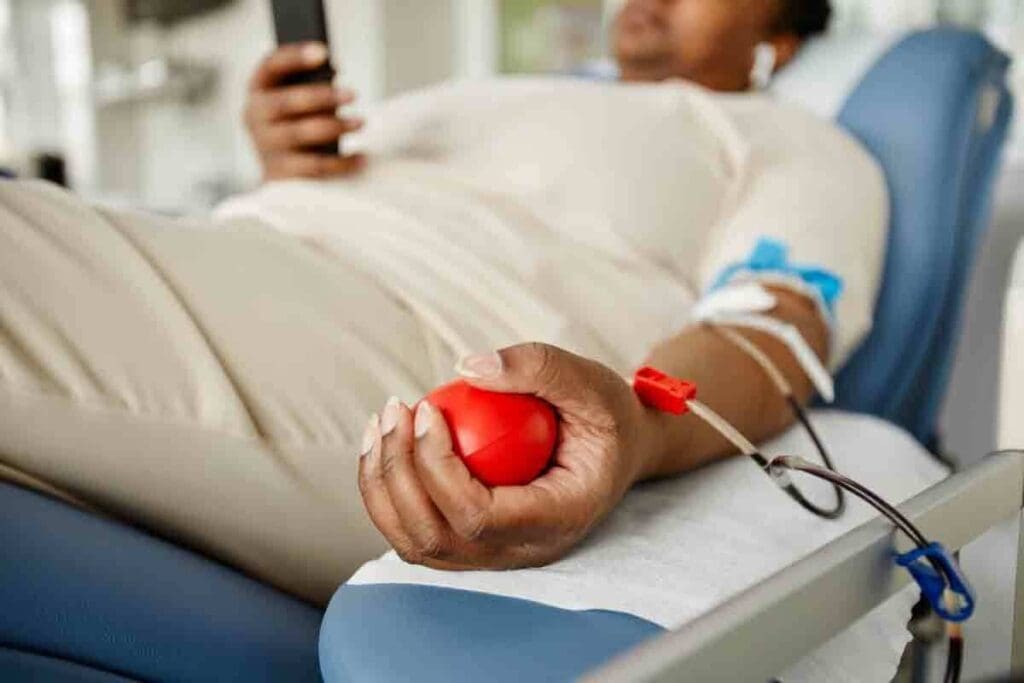
A blood clot in the arm is a serious issue that needs quick medical help. Spotting the signs and symptoms early is key for the right treatment. Doctors often explain what does a blood clot in the arm look like, including changes such as swelling, skin discoloration, and warmth.
Symptoms might show up slowly and can include pain, tenderness, or cramping that’s not from an injury. Sometimes, a blood clot can cause skin discoloration with dilated veins. For more details on blood clot symptoms and treatment,
Key Takeaways
- Recognize the 7 key signs and symptoms of a blood clot in the arm.
- Understand the importance of early detection and medical attention.
- Identify common symptoms such as swelling, pain, and skin discoloration.
- Be aware that symptoms may gradually appear.
- Know when to seek medical help for a suspected blood clot.
Understanding Blood Clots in the Arm
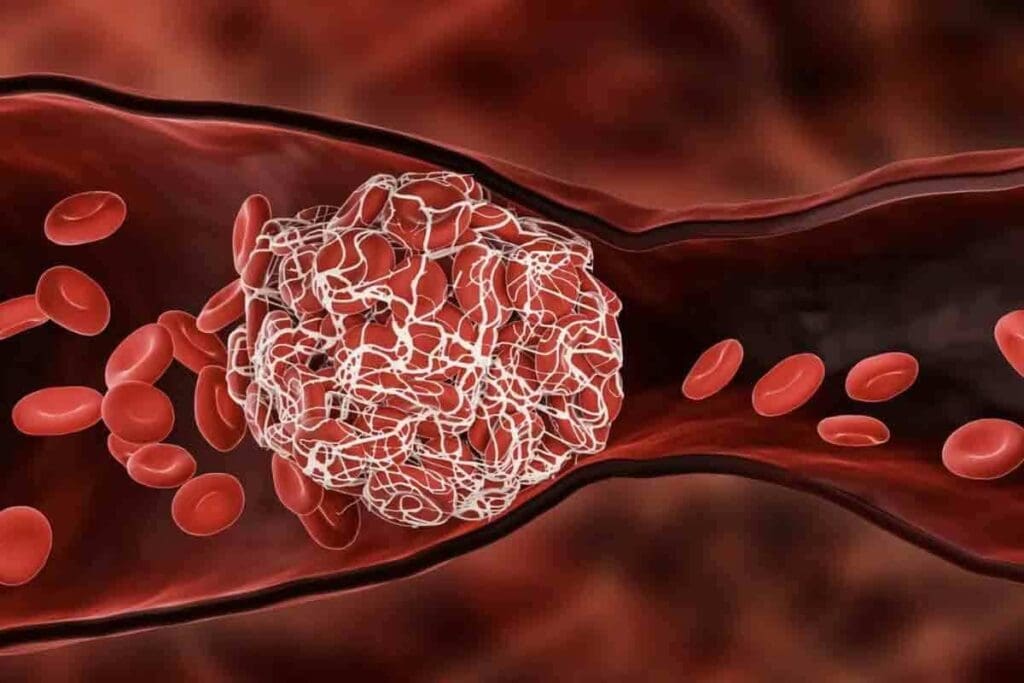
It’s important to know what causes blood clots in the arm. This knowledge helps in preventing and treating them. Blood clots in the arm are serious and need quick attention.
What Causes Blood Clots in the Arm?
Blood clots in the arm can happen for many reasons. Primary Upper Extremity Deep Vein Thrombosis (UEDVT) is rare and often linked to hard work.
Secondary DVT is more common. It’s often caused by medical devices like intravenous catheters in the arm.
Types of Blood Clots That Affect the Arm
There are two main types of blood clots in the arm. Deep Vein Thrombosis (DVT) and Superficial Thrombophlebitis are the main ones.
- DVT is when a clot forms in the deep veins. It’s dangerous because it can break loose and go to the lungs.
- Superficial thrombophlebitis is when a clot forms in the surface veins. It causes pain and swelling.
Risk Factors for Developing Arm Blood Clots
There are several things that can make you more likely to get blood clots in the arm. These include:
| Risk Factor | Description |
| Medical Devices | Use of intravenous catheters or other devices |
| Strenuous Activity | Doing hard or repetitive arm work |
| Genetic Predisposition | Having a family history of blood clots or clotting disorders |
Knowing these risk factors helps in catching and treating blood clots in the arm early.
What Does a Blood Clot in the Arm Look Like? Visual Indicators
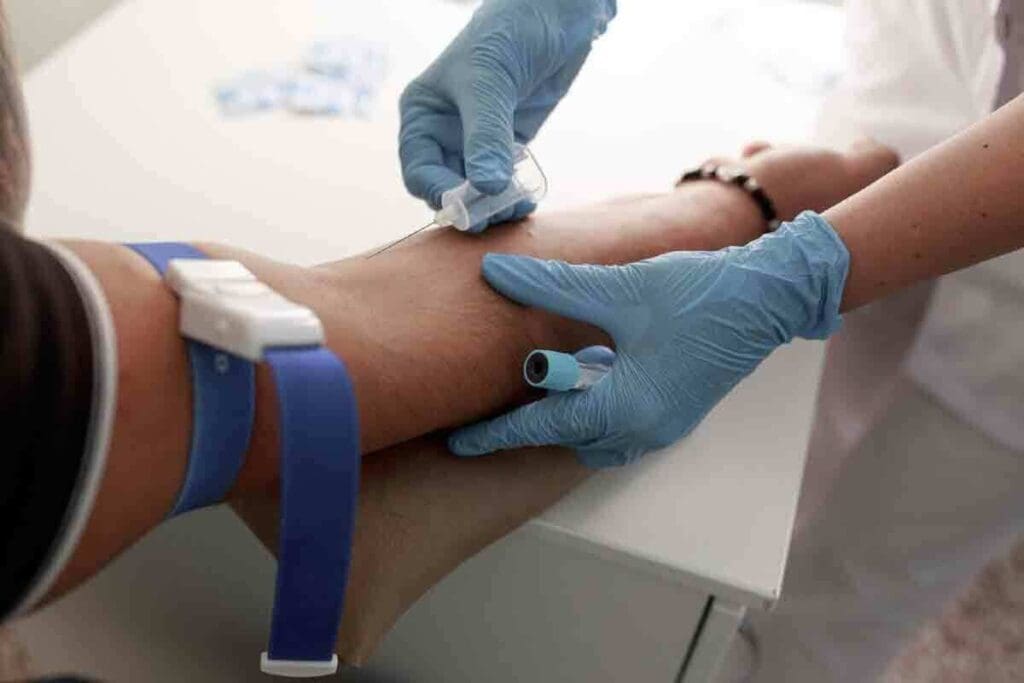
It’s important to know the visual signs of a blood clot in the arm. This knowledge helps in early detection and treatment. A blood clot can show itself in different ways, so it’s key to recognize these signs.
Swelling and Inflammation
Swelling is a common sign of a blood clot in the arm. This swelling happens because of inflammation from the clot. It can make the affected arm look bigger than the other.
Skin Discoloration Patterns
Skin discoloration is another clear sign. The skin might turn red, blue, or purple because of the clot. This can happen around the clot or all over the arm.
Changes in Vein Appearance
A blood clot can also change how veins look. The vein might get swollen, tender, and more visible. Sometimes, it can even feel hard or like a cord under the skin.
Comparing Normal vs. Clot-Affected Arms
Comparing the two arms can help spot signs of a blood clot. Look for differences in size, skin color, and vein appearance.
| Visual Indicator | Normal Arm | Clot-Affected Arm |
| Swelling | No swelling | Visible swelling |
| Skin Discoloration | Normal skin color | Red, blue, or purple discoloration |
| Vein Appearance | Veins not swollen or tender | Veins swollen, tender, or hard |
Physical Sensations: What a Blood Clot Feels Like
Knowing how a blood clot in the arm feels is key to getting help fast. Blood clots can cause symptoms that might seem like other, less serious issues. Spotting these signs early is important for quick treatment.
Pain and Tenderness
Pain or tenderness in the arm is a big sign of a blood clot. This pain can feel like a dull ache or a sharp stab. It’s important to remember that the pain from a blood clot can stay the same or get worse when you move your arm.
According to medical sources, this pain can be so bad it makes it hard to move.
Warmth in the Affected Area
Warmth or a feeling of heat in the arm is another common symptom. This happens because the clot causes inflammation. The skin might feel warm to the touch, and sometimes it gets red or changes color.
It’s important to tell the difference between this warmth and other causes like infections or injuries.
Cramping and Throbbing Sensations
Some people might feel cramping or throbbing in their arm because of a blood clot. These feelings are like muscle cramps but are because of the clot. The throbbing might beat with your heart, making it even more uncomfortable.
If you’re feeling these symptoms, it’s important to see a doctor right away.
In short, knowing the signs of a blood clot in the arm, like pain, warmth, cramping, and throbbing, can help you get medical help quickly. If you’re experiencing any of these symptoms, don’t hesitate to talk to a healthcare professional for the right diagnosis and treatment.
The 7 Key Signs and Symptoms of a Blood Clot in the Arm
Knowing the signs of a blood clot in the arm is key for treatment and avoiding serious issues. A blood clot in the arm can show up in different ways. Spotting these signs early can help you get medical help fast.
1. Noticeable Swelling
Noticeable swelling is a main sign of a blood clot in the arm. This swelling happens because the clot blocks blood flow. It leads to fluid building up in the area.
2. Skin Discoloration (Red or Bluish)
Skin discoloration is another big symptom. It shows up as redness or a bluish color. This is because the clot affects blood flow. The color change is more noticeable when you compare the affected arm to the other.
3. Unusual Warmth
The area with the blood clot might feel warmer than the rest. This unusual warmth comes from inflammation caused by the clot.
4. Pain or Tenderness
Pain or tenderness in the arm is common. It can feel like a dull ache or sharp pain. Moving or putting pressure on the area can make it worse.
The last three signs and symptoms are:
- Cramping or throbbing sensations
- Visible veins or changes in vein appearance
- A feeling of heaviness or tightness in the arm
| Sign/Symptom | Description |
| Noticeable Swelling | Swelling due to obstructed blood flow |
| Skin Discoloration | Redness or bluish tint due to poor circulation |
| Unusual Warmth | Warmth or increased temperature in the affected area |
| Pain or Tenderness | Dull ache or sharp pain, potentially worsened by movement |
| Cramping or Throbbing | Cramping or throbbing sensations due to the clot |
| Visible Veins | Changes in vein appearance or visibility |
| Heaviness or Tightness | Feeling of heaviness or tightness in the arm |
Knowing these 7 signs can help you spot a blood clot in the arm. It’s important to seek medical help right away.
How to Tell If You Have a Blood Clot: Self-Assessment Guide
Spotting a blood clot in your arm can be tough. Yet, there are clear signs to watch for. A self-assessment guide can help figure out if you need to see a doctor.
Comparing Blood Clot Symptoms to Other Conditions
Blood clot symptoms can look like other issues, making it hard to tell what’s wrong. For example, a pulled muscle or strain might cause pain and swelling. But so can a blood clot. It’s key to tell these apart to get the right treatment. A blood clot usually shows up with swelling, pain, warmth, and color changes in the affected limb.
Doctors say a blood clot in the arm is serious and needs quick treatment. Knowing the signs early is very important. This shows how vital it is to notice changes in your body.
When Symptoms Warrant Immediate Medical Attention
Some symptoms mean you should get medical help fast. If you notice any of these, act quickly:
- Severe pain or swelling in the arm
- Discoloration or redness
- Warmth or tenderness in the affected area
- Shortness of breath or chest pain, which could indicate a pulmonary embolism
If you’re not sure about your symptoms, it’s safer to see a doctor.
Self-Examination Techniques
To check for a blood clot, compare both arms. Look for differences in:
- Swelling: Is one arm more swollen than the other?
- Skin color: Are there any unusual red or blue discolorations?
- Temperature: Is one arm warmer to the touch than the other?
Feel the arm gently for tenderness or pain. Be careful not to press too hard, as this could dislodge a clot.
“The key to managing blood clots is awareness and prompt action. If you’re experiencing symptoms, don’t hesitate to seek medical help.”
By using this self-assessment guide, you can better understand your symptoms. This helps decide if you should see a doctor. Remember, when dealing with blood clots, it’s always better to be safe than sorry.
Blood Clots in Different Parts of the Arm
Blood clots can happen in different parts of the arm. Each spot has its own set of symptoms and risks. Where a blood clot forms in the arm can change how it feels and the dangers it poses.
Upper Arm Blood Clot Symptoms
Blood clots in the upper arm can cause swelling, pain, and tenderness. These clots usually form in the deep veins of the arm. This is called deep vein thrombosis (DVT).
- Swelling in the upper arm or shoulder area
- Pain or tenderness that worsens with movement
- Warmth or redness in the affected area
Lower Arm and Wrist Blood Clots
Blood clots can also happen in the lower arm and wrist, though less often. Symptoms include:
- Pain or aching in the forearm or wrist
- Visible swelling or discoloration
- Cramping sensations, specially during movement
Clots in the lower arm might be linked to superficial thrombophlebitis. This is inflammation of the superficial veins.
Deep Vein Thrombosis vs. Superficial Clots
It’s important to tell deep vein thrombosis apart from superficial clots. Their treatments and risks are quite different.
| Characteristics | Deep Vein Thrombosis (DVT) | Superficial Clots |
| Location | Deep veins, often in the upper arm | Superficial veins, closer to the skin surface |
| Symptoms | Swelling, pain, warmth, and tenderness | Localized pain, redness, and swelling along the vein |
| Risk of Complications | Higher risk of pulmonary embolism | Generally lower risk, but can spread to deep veins |
Knowing the difference is key to getting the right medical care. It helps prevent serious problems.
Diagnosing Blood Clots: What to Expect at the Doctor
Diagnosing a blood clot involves several key steps. Your doctor will take these steps to find the best treatment. Knowing these steps can make you feel more ready for your visit.
Common Diagnostic Tests
Your doctor may order one or more tests to diagnose a blood clot. These tests include:
- Ultrasound Imaging: This test uses sound waves to see inside your body. It helps find clots in your veins.
- Venography: A detailed test where dye is injected into your veins. It shows clots on an X-ray.
- D-dimer Test: A blood test that checks for D-dimer, a protein from dissolving blood clots.
Questions Your Doctor May Ask
Your doctor will ask you questions to understand your symptoms and history. Be ready to talk about:
- When you first noticed your symptoms
- Any recent surgeries, injuries, or times you were immobile
- Your family history of blood clots or related conditions
- Any medications you are taking now
Differential Diagnosis Considerations
Your doctor must also think about other conditions that might seem like a blood clot. These could be muscle strain or cysts. A detailed check and tests help rule out these other possibilities. This ensures an accurate diagnosis.
Understanding the diagnostic process for blood clots helps you prepare for your doctor’s visit. You’ll know what steps will be taken to diagnose and treat your condition effectively.
Treatment Options for Blood Clots in the Arm
Getting the right treatment for blood clots in the arm is key to avoiding serious problems. The treatment plan depends on the clot’s size, location, and the patient’s health.
Medication Approaches
Medicine is usually the first step in treating blood clots in the arm. Anticoagulants are often given to stop the clot from getting bigger and to prevent new ones. These drugs make the blood thinner, which helps prevent clots.
Thrombolytics are used for more serious cases. They break down the clot. But, because of possible side effects, they’re only used for those with severe symptoms or at high risk of complications.
| Medication Type | Purpose | Examples |
| Anticoagulants | Prevent clot growth and new clot formation | Warfarin, Rivaroxaban |
| Thrombolytics | Dissolve existing clots | Alteplase, Reteplase |
Surgical Interventions
Surgery might be needed to remove the clot or fix damaged blood vessels. Thrombectomy is a surgery where the clot is removed. It’s usually for those with severe symptoms or who don’t respond to medicine.
Home Care During Recovery
At home, there are ways to manage symptoms and aid in healing. Elevating the arm can lessen swelling, and wearing compression stockings can improve blood flow. It’s also good to stay active to prevent more clots.
It’s important to watch for any changes in symptoms and tell your doctor. Regular check-ups are key to making sure the clot is dissolving and adjusting treatment if needed.
Complications and Risks of Untreated Arm Blood Clots
Untreated blood clots in the arm can cause serious problems. It’s key to know these risks to see why quick medical help is vital.
Pulmonary Embolism Risk
One big risk is pulmonary embolism. This happens when a clot piece goes to the lungs and blocks blood flow. Experts say it’s a medical emergency that needs fast action.
“The mortality rate for pulmonary embolism can be significantly reduced with prompt treatment,” notes a study published in a leading medical journal.
A pulmonary embolism can cause sudden shortness of breath, chest pain, and coughing up blood. These symptoms can be serious. Getting medical help right away is critical.
| Symptoms | Description |
| Sudden Shortness of Breath | Difficulty breathing that occurs suddenly |
| Chest Pain | Pain or discomfort in the chest area |
| Coughing Up Blood | Coughing or spitting up blood or bloody mucus |
Long-term Vascular Damage
Untreated blood clots can also cause long-term damage. This damage can lead to chronic swelling, pain, and limited mobility in the affected arm. It can really affect your quality of life if not treated.
Long-term vascular damage can manifest in several ways:
- Chronic swelling due to impaired blood flow
- Persistent pain in the arm
- Reduced mobility and flexibility
Post-Thrombotic Syndrome
Post-thrombotic syndrome (PTS) is another issue from untreated blood clots. PTS happens when the clot damages veins, causing chronic symptoms like pain, swelling, and skin discoloration.
Getting the right treatment can lower the risk of PTS. But, if not treated, it can get worse, leading to more severe symptoms.
Understanding the risks and complications of untreated arm blood clots shows why seeking medical help is so important if symptoms don’t get better or get worse.
Prevention Strategies for Arm Blood Clots
Preventing arm blood clots is possible with lifestyle changes, exercise, and medical care for those at risk. Knowing the risk factors and taking preventive steps can lower the chance of getting arm blood clots.
Lifestyle Modifications
Changing your lifestyle can help prevent arm blood clots. Maintaining a healthy weight is key, as extra weight can put pressure on veins. Quitting smoking is also important, as smoking harms blood vessel linings and raises clotting risk.
Staying hydrated by drinking water and avoiding long sitting periods are also important. Taking breaks to stretch and move around helps blood flow and lowers clot risk.
Exercise and Movement Recommendations
Regular exercise and movement are vital for preventing arm blood clots. Physical activities like walking, swimming, or cycling boost blood flow and lower clot risk. Adding simple exercises like arm circles and wrist extensions to your daily routine helps keep blood flowing.
For those with jobs that involve sitting or standing for long, regular stretching is key. Simple stretches like shoulder rolls and arm raises can be done often to keep blood flowing.
Medical Prevention for High-Risk Individuals
For those at high risk of arm blood clots, medical prevention is needed. Anticoagulant medications may be given to prevent clots, for those with DVT history or other risk factors.
Compression stockings might also be suggested to improve blood flow and reduce swelling. It’s critical for high-risk individuals to consult with their healthcare provider to find the best prevention plan for them.
Conclusion: Recognizing and Responding to Arm Blood Clots
It’s important to know the signs of a blood clot in the arm. This knowledge helps get medical help fast and avoid serious problems. By spotting visual signs, feeling physical changes, and knowing key symptoms, you can act quickly.
If you think you have a blood clot in your arm, get medical help right away. Tests and checks can find out if you have a clot and how bad it is. Doctors can then treat you with medicine or advice on how to live healthier.
Knowing what increases your risk of blood clots can help you stay safe. By learning to spot symptoms and acting fast, you can keep your blood vessels healthy. This is good for your overall health too.
FAQ
What are the common signs of a blood clot in the arm?
Signs include swelling, skin discoloration, and unusual warmth. You might also feel pain or tenderness. Changes in vein appearance are another sign.
Can a blood clot cause pain in the arm?
Yes, it can. The pain can be mild or severe.
How can I tell if I have a blood clot in my arm?
Check for swelling, skin discoloration, and warmth. Compare your symptoms to others. If unsure, seek medical help.
What does a blood clot in the upper arm feel like?
It can cause pain, tenderness, swelling, and warmth. You might also feel cramping and throbbing.
Are blood clots in the arm painful?
Yes, they can be. The pain might be constant or only when moving the arm.
What are the risk factors for developing a blood clot in the arm?
Certain medical conditions and recent surgery are risks. Prolonged immobilization and genetic predispositions also increase risk.
How is a blood clot in the arm diagnosed?
Diagnosis involves a physical exam, medical history, and tests like ultrasound or venography.
What are the treatment options for a blood clot in the arm?
Treatment includes medication, surgery, and home care. It depends on the clot’s severity and location.
Can a blood clot in the arm cause long-term damage?
Yes, untreated clots can cause vascular damage and increase the risk of pulmonary embolism.
How can I prevent blood clots in my arm?
Prevent by making lifestyle changes, exercising, and using medical prevention for high-risk individuals.
What are the symptoms of a blood clot in the lower arm or wrist?
Symptoms include swelling, pain, tenderness, and skin discoloration. These are similar to upper arm symptoms.
What’s the difference between deep vein thrombosis and superficial clots?
Deep vein thrombosis is a clot in deep veins. Superficial clots are in veins closer to the skin. They have different risks and treatments
References
- StatPearls Authors. (2023). Superficial thrombophlebitis. In StatPearls. Retrieved from https://www.ncbi.nlm.nih.gov/books/NBK556017/



 Departments
 Related Videos
 Our Doctors
 Testimonials