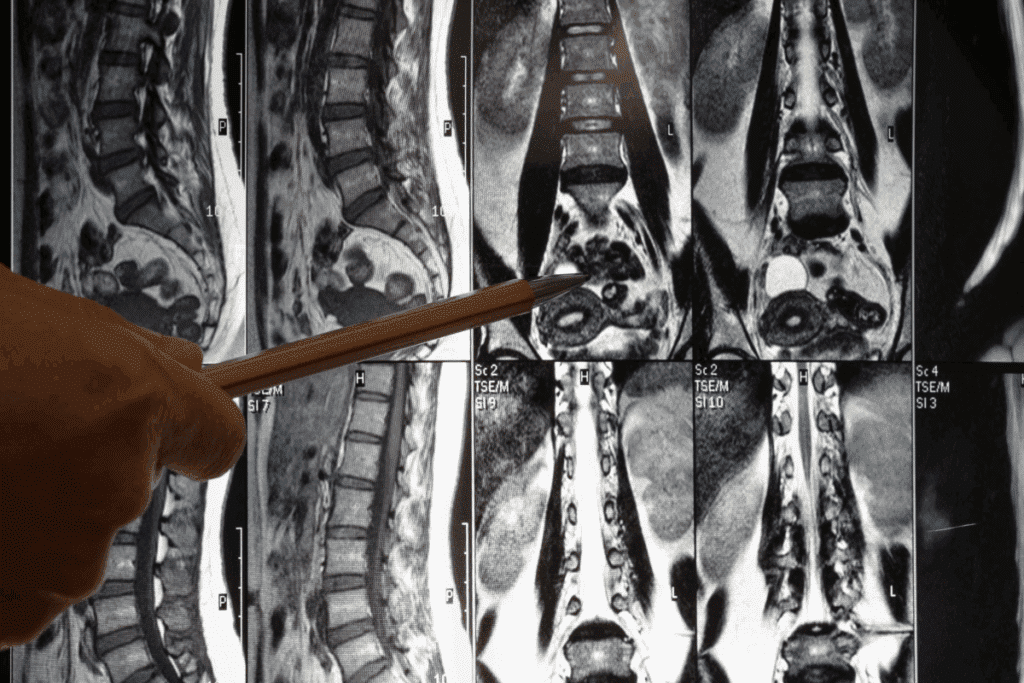

When your doctor suggests an abdominal CT scan for stomach pain or other symptoms, you might be curious about what it shows. Abdominal CT scans give a detailed look at your internal organs, blood vessels, and more. This helps doctors spot infections, inflammation, cancer, injuries, and other issues.
These scans take pictures from different angles. This way, doctors can understand your health better. It leads to more precise diagnoses and better treatment plans.
Learn the key information: what does a ct scan of the abdomen show. Understand its use in diagnosing tumors, infections, and internal bleeding clearly.
Key Takeaways
- Abdominal CT scans provide detailed 3D images of internal organs and structures.
- This diagnostic tool helps identify various medical conditions, such as infections and cancer.
- Multiple images from different angles enable doctors to gain a deeper understanding of the condition.
- Abdominal computed tomography leads to more accurate diagnoses and effective treatment plans.
- CT scans for the abdomen are a key tool in medical practice.
Understanding Abdominal CT Scans
Abdominal CT scans use advanced X-ray tech to show internal organs clearly. This tool is key in medicine, helping doctors see the belly area in detail.
Definition and Basic Principles
A CT scan of the abdomen is a test that uses X-rays and a computer. It shows the bones, muscles, fat, soft tissues, organs, and blood vessels. The tech behind it is X-rays to get cross-sectional images of the body part being checked.
Key components of a CT scanner include:
- X-ray tube: Produces X-rays
- Detectors: Capture X-rays after they pass through the body
- Computer system: Reconstructs images from the data captured by detectors
Evolution of CT Technology
CT tech has grown a lot from its start. The first CT scanners were in the 1970s and could only see the brain. Now, we have faster and more advanced scanners.
Key advancements in CT technology include:
| Generation | Characteristics | Impact |
|---|---|---|
| First Generation | Single X-ray beam, single detector | Slow scan times, limited image quality |
| Fourth Generation | Multiple detectors, fan-beam geometry | Faster scan times, improved image quality |
| Spiral/Helical CT | Continuous scanning, improved coverage | Reduced scan times, improved patient throughput |
Today’s CT scanners, like those for ct abdomen w wo contrast and cat scan stomach, give clear images fast. These updates make CT scans a top choice for diagnosing belly issues, like ct scan for stomach pain.
How Abdominal CT Scans Work
Understanding abdominal CT scans is key to their value. They help us see inside the abdomen in detail. This is vital for spotting many health issues.
X-ray Technology in CT Scanning
CT scans use X-rays to see the abdomen. Unlike regular X-rays, CT scans take pictures from many angles. This makes detailed cross-section images possible.
X-ray technology is central to CT scans. As the machine moves, it sends X-rays through the body. These rays help create detailed images.
Computer Processing and Image Creation
The CT scanner’s data is processed by computers. These computers turn the data into detailed images. We can see these images or make 3D models from them.
Computers are key in making images better. They help us focus on specific parts. This is helpful for complex diagnoses or surgery planning.
Difference Between CT and Traditional X-rays
CT scans and X-rays differ in what they show. X-rays give flat images, while CT scans show detailed, 3D views. This makes CT scans better for seeing inside the body.
For stomach problems, CT scans are very useful. They can spot issues X-rays miss, like internal injuries or infections. So, when looking for the best scan for stomach issues, a CT scan is often the top choice.
Sometimes, a ct scan chest and abdomen is done. This checks both areas at once. It’s great for understanding diseases that affect both areas.
What Does a CT Scan of the Abdomen Show?
A CT scan of the abdomen is a powerful tool for doctors. It shows the organs, blood vessels, and bones in the belly area. This advanced imaging gives a detailed view of the belly, helping doctors find and treat many health issues.
Comprehensive View of Abdominal Structures
A CT scan of the abdomen gives a detailed cross-sectional view of the belly. It looks at the liver, spleen, pancreas, kidneys, and more. It can spot problems like tumors, cysts, or swelling in these organs.
Doctors use abdominal computerized tomography to check the size, shape, and position of belly organs. This is key for finding conditions that other tests might miss.
Detail Level and Resolution
CT scans of the abdomen show more detail than regular X-rays. They use X-rays and computer tech to make clear images. This means a high-resolution image of the belly’s tiny details.
When a CT abdomen with contrast is used, the details get even clearer. The contrast material lights up specific parts of the belly, making it easier to see problems.
Three-Dimensional Reconstruction Capabilities
Modern CT scans can make three-dimensional (3D) reconstructions of the belly. They do this by combining many cross-sectional images into one 3D picture.
The 3D reconstructions of a cat scan of abdomen help doctors see complex structures and how they relate. This is very helpful for planning surgeries and understanding how far a disease has spread.
Organs and Structures Visible on Abdominal CT
The abdominal CT scan is a powerful tool for doctors. It lets us see many organs and structures inside the belly. This helps find different problems in these areas.
Solid Organs
On an abdominal CT scan, we can see solid organs like the liver, pancreas, and spleen. These organs are key for our body’s functions. They help us spot issues like tumors, cysts, or swelling.
Liver: We can check the liver for any problems like tumors or fatty buildup.
Pancreas: The scan looks for signs of pancreatitis, tumors, or other issues in the pancreas.
Urinary System
The urinary system, like the kidneys and ureters, is also seen on the scan. This helps find problems like kidney stones, tumors, or blockages.
Kidneys: We check the kidneys for size, shape, and any issues.
Gastrointestinal Tract
The scan can also show parts of the gastrointestinal tract, like the stomach, small intestine, and colon. While not as clear as some other tests, it can spot big problems.
Stomach: It can find thickening or growths in the stomach wall.
Intestines: It can spot blockages, inflammation, or tumors in the intestines.
Blood Vessels and Lymph Nodes
Blood vessels and lymph nodes are also seen on the scan. This helps check for vascular issues and swollen lymph nodes.
| Structure | Visible Conditions |
|---|---|
| Liver | Tumors, cysts, fatty infiltration |
| Pancreas | Pancreatitis, tumors |
| Kidneys | Kidney stones, tumors, obstruction |
| Gastrointestinal Tract | Wall thickening, masses, obstruction |
| Blood Vessels | Aneurysms, thrombosis |
| Lymph Nodes | Enlargement, lymphadenopathy |
By looking at these organs and structures, doctors can find many health issues. This makes the abdominal CT scan a key tool in treating patients.
Types of Abdominal CT Scans
Different types of abdominal CT scans are used for different reasons. They range from basic scans to more detailed ones like CT angiography. The choice depends on what needs to be checked or monitored.
Standard CT Scans
Standard CT scans look at the abdominal organs for problems. They can spot tumors, cysts, and infections. These scans are often the first step in finding out what’s wrong.
CT Abdomen With and Without Contrast
CT scans can be done with or without contrast material. Contrast, or “dye,” makes certain areas stand out. It can be given by mouth or through an IV.
Using contrast makes it easier to see certain things. For example, a CT scan with contrast can tell different tumors apart. It also makes blood vessels clearer.
| Scan Type | Use of Contrast | Diagnostic Benefits |
|---|---|---|
| Standard CT | No contrast | General assessment of abdominal organs |
| CT with Contrast | Oral or IV contrast | Enhanced visibility of structures and abnormalities |
CT Angiography for Vascular Imaging
CT angiography focuses on blood vessels. It uses contrast to show blood vessels in detail. This is great for finding problems like aneurysms or stenosis.
CT angiography gives a close look at blood vessels. It helps check on conditions that might affect the abdominal organs. It’s also useful for planning surgeries or other treatments.
As we’ve seen, the type of abdominal CT scan used can change a lot. Knowing about the different scans and their uses is key for good diagnosis and treatment plans.
“The use of CT scans, specially with contrast, has changed diagnostic imaging a lot. It gives us deep insights into abdominal problems.”
— Expert in Radiology
Medical Conditions Detected by Abdominal CT Scans
Abdominal CT scans are key for finding many health problems. They give us a clear view of the abdominal area. This helps us spot different issues affecting this region.
Tumors and Cancers
These scans are great for finding abdominal tumors and cancers. They show us the size, where, and how big the tumors are. This info is vital for figuring out the cancer stage and treatment plans.
For example, a CT scan can spot kidney tumors or liver cancer. It gives us detailed pictures of these organs.
- Identify tumor size and location
- Determine the extent of tumor spread
- Guide biopsy procedures for cancer diagnosis
Infections and Inflammatory Conditions
CT scans are also good for finding infections and inflammatory conditions in the abdomen. They help us see abscesses, appendicitis, and other diseases. For instance, a CT scan can spot diverticulitis by showing inflamed parts of the colon.
Trauma and Internal Injuries
When there’s abdominal trauma, CT scans are essential. They help us see how bad the injuries are. For example, they can quickly find spleen injuries or liver lacerations in trauma patients.
- Detect internal bleeding and organ damage
- Assess the severity of injuries
- Guide emergency surgical interventions
Vascular Abnormalities
Abdominal CT scans can also find vascular abnormalities. This includes aneurysms, thrombosis, and other blood vessel issues. They help us see the blood vessels and spot any problems that need attention. For example, a CT scan can spot an abdominal aortic aneurysm by showing its size and location.
In conclusion, abdominal CT scans are very useful. They can find many health problems, from tumors and infections to trauma and blood vessel issues. These scans give us detailed images of the abdominal area. This helps us diagnose and manage health issues well.
The Abdominal CT Scan Procedure
We guide you through the steps involved in an abdominal CT scan procedure, ensuring that you are well-prepared for what to expect.
Preparation Before the Scan
Before your abdominal CT scan, there are steps to take. It’s essential to follow these instructions carefully to get clear images.
- Remove any jewelry or metal objects that could interfere with the scan.
- Wear loose, comfortable clothing, though you may be provided with a gown to wear.
- You may be asked to fast for a few hours before the scan, depending on the specific requirements of your procedure.
- Inform your doctor about any medical conditions, allergies, or previous reactions to contrast materials.
What Happens During the Scan
During the scan, you’ll lie on a table that slides into the CT machine. The process is relatively quick and painless, taking only a few minutes.
- You will be positioned on the table, which will then move into the CT scanner.
- The scanner will rotate around you, taking X-ray images from multiple angles.
- You may be asked to hold your breath for short periods to ensure clear images.
- If contrast material is used, it will be administered through an IV line.
Post-Scan Procedures
After the scan, you can usually resume your normal activities immediately. There are typically no significant side effects from the scan itself, though some people may experience mild reactions to the contrast material.
- You may be advised to drink plenty of fluids to help flush out the contrast material.
- Your doctor will discuss the results of your scan with you, either immediately or at a follow-up appointment.
- In some cases, additional testing or follow-up scans may be recommended based on the findings.
Understanding the abdominal CT scan procedure can make you feel more comfortable and prepared for your appointment. If you have any concerns or questions, don’t hesitate to ask your healthcare provider.
Contrast Agents in Abdominal CT Imaging
Contrast agents make abdominal CT scans more accurate. They highlight specific areas of interest. These substances are used to make structures or fluids in the body stand out in medical images.
Types of Contrast Materials
There are different ways to use contrast materials in CT scans. The most common types include:
- Oral contrast agents: These are swallowed and help outline the intestines and other abdominal structures.
- Intravenous (IV) contrast agents: Injected into a vein, these agents highlight blood vessels, organs, and other structures, making them more visible on CT images.
- Rectal contrast agents: Used in some cases to provide a clearer view of the rectum and surrounding areas.
Benefits of Using Contrast
Using contrast agents in abdominal CT scans has many benefits. These include:
| Benefit | Description |
|---|---|
| Enhanced Visibility | Contrast agents improve the visibility of blood vessels, organs, and other structures, making it easier to detect abnormalities. |
| Improved Diagnostic Accuracy | By highlighting specific areas, contrast agents help in making more accurate diagnoses, which is critical for effective treatment planning. |
| Better Differentiation | Contrast agents aid in differentiating between various tissues and structures, reducing the likelihood of misinterpretation. |
Potential Risks and Side Effects
While contrast agents are generally safe, there are risks and side effects to be aware of. These include:
- Allergic reactions: Some individuals may be allergic to contrast agents, which can cause reactions ranging from mild to severe.
- Kidney problems: In rare cases, contrast agents can cause kidney damage, particular in individuals with pre-existing kidney issues.
- Other side effects: These may include nausea, vomiting, and diarrhea, though such effects are rare.
It’s important for patients to talk to their healthcare provider about any concerns or medical conditions before a CT scan with contrast. This helps in minimizing risks and ensuring the safe use of contrast agents.
CT Scans for Specific Abdominal Concerns
CT scans are a key tool for many abdominal issues. They give us detailed views of the inside of the abdomen. This helps us understand health problems better.
CT Scan for Stomach Pain
Stomach pain can be a mystery. But a CT scan can uncover the cause. It shows us the organs inside and can spot problems like inflammation, infection, or obstruction.
Using contrast agents makes some parts clearer. This helps doctors make a more precise diagnosis.
CT Scan of Abdomen and Chest
A scan of both the abdomen and chest is very helpful. It’s great for finding diseases that spread to both areas. This scan can show how far conditions like cancer or infection have spread.
CAT Scan for Intestinal Issues
For problems in the intestines, a CAT scan is essential. It can spot issues like bowel obstruction, inflammatory bowel disease, or tumors.
| Abdominal Concern | CT Scan Application |
|---|---|
| Stomach Pain | Identify inflammation, infection, or obstruction |
| Abdomen and Chest Conditions | Assess extent of diseases like cancer or infection |
| Intestinal Issues | Diagnose bowel obstruction, inflammatory bowel disease, or tumors |
CT scans are tailored for different abdominal issues. They help us find the right diagnosis and treatment. Whether it’s stomach pain, issues in the abdomen and chest, or problems with the intestines, CT scans are vital in today’s medicine.
Comparing CT Scans to Other Abdominal Imaging Methods
There are many ways to check the abdomen for problems. We’ll look at how CT scans compare to other common methods.
CT vs. Ultrasound
Ultrasound uses sound waves to see the inside of the abdomen. It’s safe for pregnant women and kids because it doesn’t use harmful radiation. But, it can be hard to use well, depending on the person doing it.
CT scans, on the other hand, give clearer pictures and are easier to use. They’re great for finding things like appendix problems, tumors, and injuries. Even though they use radiation, they’re often the best choice for many patients.
CT vs. MRI
MRI uses a magnetic field and radio waves to make detailed pictures. It’s good for seeing soft tissues and blood vessels without needing special dyes. But, MRI scans take longer and cost more than CT scans.
CT scans are quicker and more common than MRI. They’re better for finding things like kidney stones and bone problems. The choice between CT and MRI depends on what the doctor needs to know and the patient’s situation.
CT vs. X-ray and Fluoroscopy
X-ray and fluoroscopy use radiation to see inside the abdomen. X-ray is fast and simple for first checks. Fluoroscopy shows live images, which is helpful for some procedures.
CT scans give a better look at the abdomen, including bones and soft tissues. They’re better at finding many types of problems than X-ray and fluoroscopy. But, they use more radiation and cost more.
When Each Imaging Method Is Preferred
The right imaging method depends on the situation and the patient. For example, ultrasound is often used first in pregnant women. CT scans are good for emergency cases. MRI is best for detailed soft tissue views, and X-ray for quick checks.
Knowing the good and bad of each method helps doctors choose the best test for each patient. This ensures patients get the right care for their needs.
Benefits and Limitations of Abdominal CT Scans
Understanding the benefits and limitations of abdominal CT scans is key for good diagnosis and treatment plans. We’ll look at the good and bad sides of this imaging method. It’s important to see its role in today’s medicine.
Diagnostic Advantages
Abdominal CT scans have many benefits. They give detailed images of abdominal structures. This helps find conditions like tumors, infections, and blood vessel problems. Their speed and clear images make them great for emergencies.
CT scans are also good for minimally invasive procedures. For example, they help guide biopsies. This means less need for big surgeries.
“CT scans have revolutionized the field of diagnostic medicine by giving us amazing insights into the human body.”
— Medical Expert, Radiologist
Limitations and Challenges
But, there are downsides to abdominal CT scans. A big concern is radiation exposure. While the benefits are often worth it, we must think carefully about using CT scans. This is true, even more so for kids or when other imaging options exist.
Another issue is the chance of false positives or negatives. This can lead to wrong diagnoses or extra tests. Reading CT scans well needs skilled radiologists. Even then, there can be differences in how they’re seen.
Radiation Exposure Considerations
Radiation from CT scans is a big worry. The dose has been made lower over time. But, it’s something doctors must think about against the scan’s benefits. Low-dose CT protocols are being used more to cut down on radiation, mainly for screening and follow-ups.
| Radiation Exposure Factors | Description | Mitigation Strategies |
|---|---|---|
| Patient Size | Larger patients may need higher doses | Adjust protocols based on patient size |
| Scan Parameters | Settings like kVp and mAs affect dose | Optimize scan parameters for minimal dose |
| Contrast Use | Contrast agents can improve image quality | Use contrast wisely to avoid extra exposure |
Cost and Accessibility Factors
The cost and availability of CT scans vary a lot. In some places, they’re easy to get and not too expensive. But, in others, they might be too pricey or hard to find.
When deciding on a CT scan, we must think about these costs. Alternative imaging methods like ultrasound or MRI might be better in some cases. This depends on the situation and the patient.
Conclusion
Abdominal CT scans are key in diagnosing and managing many health issues. They give a detailed look at the abdomen, spotting tumors, infections, and blood vessel problems. This makes them very important.
These scans have changed medicine a lot. They are safe and very accurate. Doctors use them to plan the best treatment and help patients get better.
In short, abdominal CT scans are vital for doctors. Knowing their strengths and weaknesses helps everyone get the best care possible.
FAQ
What does a CT scan of the abdomen show?
A CT scan of the abdomen shows the inside of your belly. It looks at organs, blood vessels, and bones. This helps doctors find and treat many health problems.
How does a CT scan work?
A CT scan uses X-rays and computers to make detailed pictures. These pictures show what’s inside your body better than regular X-rays.
What is the difference between a CT scan with and without contrast?
A CT scan without contrast shows the inside of your body without highlighting anything. A CT scan with contrast uses a special dye. This dye makes blood vessels, organs, and other parts stand out, helping doctors see more clearly.
What are the benefits of using contrast in a CT scan?
Using contrast in a CT scan helps doctors see specific areas better. This is useful for finding things like blood vessels or tumors, which helps in diagnosing certain health issues.
Can I eat before a CT scan?
It depends on what your doctor tells you. Sometimes, you need to fast or follow other special instructions before a CT scan.
What is CT angiography?
CT angiography is a special kind of CT scan. It uses contrast to show blood vessels and help diagnose vascular problems.
How is a CT scan used to diagnose stomach pain?
A CT scan can find the cause of stomach pain. It shows detailed pictures of your abdominal organs and structures.
What is the best scan for stomach problems?
The best scan for stomach problems depends on the issue. A CT scan is often used to diagnose many abdominal conditions.
Can a CT scan detect intestinal issues?
Yes, a CT scan can find problems like blockages, inflammation, or tumors in the intestines.
How does a CT scan compare to an MRI or ultrasound?
CT scans are often chosen for trauma or vascular issues. But MRI or ultrasound might be better for soft tissue injuries or gallbladder disease.
What are the limitations of a CT scan?
CT scans have some downsides. They use radiation, can cause allergic reactions to contrast, and are expensive. But they are very useful for diagnosis.
Is a CT scan of the abdomen and chest a common procedure?
Yes, scanning the abdomen and chest is common. It helps find many conditions, like cancers, infections, and vascular problems.
What are the risks associated with CT scans?
CT scans carry risks like radiation exposure and allergic reactions to contrast. But the benefits usually outweigh these risks.
References:
Government Health Resource. Abdominal CT Scan: Visualizing Organs and Identifying Abnormalities. Retrieved from https://www.aafp.org/pubs/afp/issues/2015/0401/p452.html[6