

Feeling suddenly very tired, foggy in the mind, and physically uncomfortable can be tough. If you have Hashimoto’s thyroiditis, these feelings might mean you’re having a flare-up. This is when your immune system attacks your thyroid gland more than usual.
A Hashimoto’s flare-up feels like your body is fighting against you. It brings a lot of discomfort that can mess up your day. You might feel cold all the time, have muscle pain, and feel really slow, even when you’re taking your medicine.
Knowing what a Hashimoto flare-up feels like helps you spot it early. This way, you can get help and feel better sooner. We’ll look into why these flare-ups happen, what symptoms they bring, and how to manage them.
Key Takeaways
- Hashimoto’s flare-ups represent periods of intensified autoimmune activity.
- Symptoms include fatigue, brain fog, cold sensitivity, and muscle aches.
- Understanding flare-ups is key to managing them well.
- Spotting flare-ups early can help you feel better faster.
- There are ways to ease the symptoms of flare-ups.
Understanding Hashimoto’s Thyroiditis
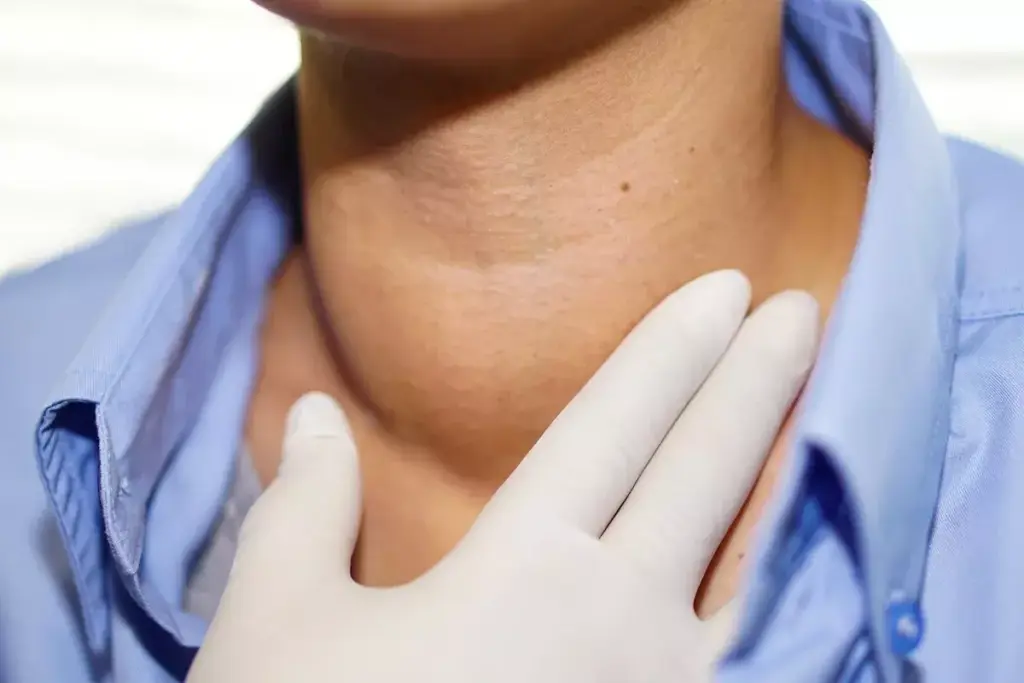
Hashimoto’s thyroiditis is an autoimmune disorder that leads to hypothyroidism. It happens when the immune system attacks the thyroid gland. This causes inflammation and often results in hypothyroidism.
This condition is caused by the body’s immune system attacking the thyroid gland. It produces antibodies against the gland. This leads to inflammation and damage, making it hard for the gland to make thyroid hormones.
Causes of Hashimoto’s Disease
The exact cause of Hashimoto’s thyroiditis is not fully understood. But several factors can contribute to its development:
- Genetic predisposition: People with a family history of thyroid disease or other autoimmune conditions are more likely to get Hashimoto’s.
- Environmental triggers: Exposure to radiation, certain chemicals, and too much iodine can trigger Hashimoto’s in some people.
- Immunological factors: The immune system attacking the thyroid gland is central to Hashimoto’s.
Research shows that Hashimoto’s thyroiditis is caused by a mix of genetic, environmental, and immunological factors.
Prevalence and Risk Factors
Hashimoto’s thyroiditis affects about 5 in 100 people in the United States. It’s more common in women, happening 7 to 10 times more often than in men.
The risk factors for developing Hashimoto’s thyroiditis include:
- Gender: Women are at higher risk.
- Family history: Having a family history of thyroid or autoimmune diseases increases the risk.
- Age: It can happen at any age but is most common in middle-aged women.
Knowing these risk factors can help in early detection and management of Hashimoto’s thyroiditis.
What Happens During a Hashimoto Flare Up
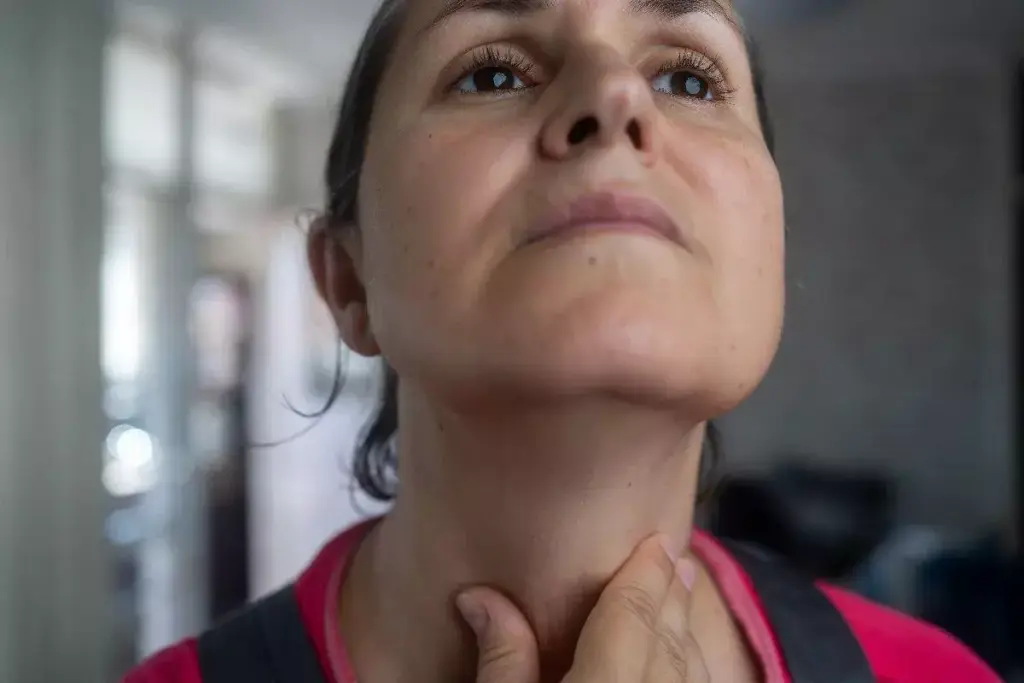
It’s important to know what happens during a Hashimoto flare-up. This knowledge helps in managing the condition better. During a flare-up, the body goes through changes that affect the thyroid gland’s function.
Onset and Duration of Flares
A Hashimoto flare-up can start suddenly or slowly. It might be triggered by stress, hormonal changes, or certain medicines. The length of these flares can vary, lasting from weeks to months. It’s key to watch symptoms closely during this time to manage the condition well.
Thyroid Antibody Activity
High levels of thyroid antibodies are a sign of Hashimoto’s thyroiditis. Thyroid peroxidase antibody (TPOAb) and thyroglobulin antibody (TgAb) are the main antibodies to watch. High levels show the body is attacking the thyroid gland.
Destructive Thyrotoxicosis Process
Some people experience destructive thyrotoxicosis during a flare-up. This is when thyroid hormones are released into the blood because of thyroid tissue damage. This leads to temporary high levels of thyroid hormones and then low levels as the gland’s stores are used up.
Knowing about these processes helps both patients and doctors manage Hashimoto flare-ups better. It helps reduce the flare-up’s impact on a person’s life.
Common Symptoms of Hashimoto Flare Ups
Hashimoto’s thyroiditis flare-ups can cause a lot of pain. People often feel tired, cold, and have muscle aches. They might also feel neck pain from inflammation.
Physical Manifestations
Physical symptoms are a big part of Hashimoto flare-ups. You might feel fatigue, cold intolerance, and muscle aches. Some people get neck discomfort or pain from the inflammation.
A study found that the inflammation can make the neck tender and painful. https://www.baptisthealth.com/blog/family-health/what-are-the-symptoms-of-hashimoto-s-thyroiditis-flare-ups.
Cognitive and Emotional Changes
Cognitive and emotional changes are common too. People often struggle with brain fog, making it hard to focus or remember things. Mood swings, like depression and anxiety, can also happen.
One patient said, “During a flare-up, I feel like I’m in a fog, and it’s hard to get out of bed.”
Hypothyroid vs. Hyperthyroid Symptoms
Hashimoto flare-ups can show either hypothyroid or hyperthyroid symptoms. Hypothyroid symptoms are weight gain, dry skin, and constipation. Hyperthyroid symptoms are weight loss, rapid heartbeat, and nervousness.
It’s important to know these differences for the right treatment.
In conclusion, Hashimoto flare-ups have many symptoms that can really affect your life. Knowing these symptoms is the first step to managing and treating them.
Coping with Hashimoto Flare Ups
Coping with Hashimoto flare-ups needs a mix of lifestyle changes and medical care. To manage Hashimoto’s well, focus on your diet, stress, and health.
Start by eating foods that fight inflammation and watch your iodine intake. You might also need supplements. Lowering stress with yoga, meditation, or journaling can also help.
Medical help might mean changing your thyroid meds or finding what’s causing the flare-up. Working with your doctor and using these strategies can help you manage Hashimoto’s better.
Being proactive in dealing with Hashimoto’s can make flare-ups less common and less severe. This leads to better health and happiness.
FAQ
What is a Hashimoto flare-up?
A Hashimoto flare-up is when symptoms of Hashimoto’s thyroiditis get worse. This happens because of more thyroid antibodies or other triggers.
What does a Hashimoto flare-up feel like?
People with Hashimoto flare-ups might feel very tired, have muscle aches, and feel foggy in the head. They might also experience mood swings and other physical and emotional changes.
What causes Hashimoto’s flare-ups?
Many things can trigger Hashimoto’s flare-ups. Stress, changes in diet, hormonal shifts, and other factors can affect the thyroid.
How long do Hashimoto flare-ups last?
Hashimoto flare-ups can last from a few days to months. It depends on the cause and how the person’s body reacts.
What are the symptoms of a thyroid flare-up?
Symptoms of a thyroid flare-up can be confusing. They might include feeling tired and gaining weight, or feeling anxious and having a fast heartbeat. This is because the thyroid is being damaged.
How can I manage Hashimoto’s flare-ups?
To manage Hashimoto’s flare-ups, try changing your diet, managing stress, and talking to your doctor. They might adjust your medication or suggest supplements to help.
Can Hashimoto’s flare-ups be prevented?
While you can’t always stop Hashimoto’s flare-ups, living a healthy lifestyle and managing stress can help. Sticking to your treatment plan also plays a big role.
What is the role of thyroid antibody activity in Hashimoto’s flare-ups?
Thyroid antibodies are key in Hashimoto’s flare-ups. They cause inflammation and damage to the thyroid gland, making symptoms worse.
How does destructive thyrotoxicosis occur during a Hashimoto flare-up?
Destructive thyrotoxicosis happens when the thyroid gland gets damaged. This releases stored thyroid hormones into the blood. It causes temporary hyperthyroidism, followed by hypothyroidism.
References
https://www.healthline.com/health/symptoms-of-hashimotos-flare-up