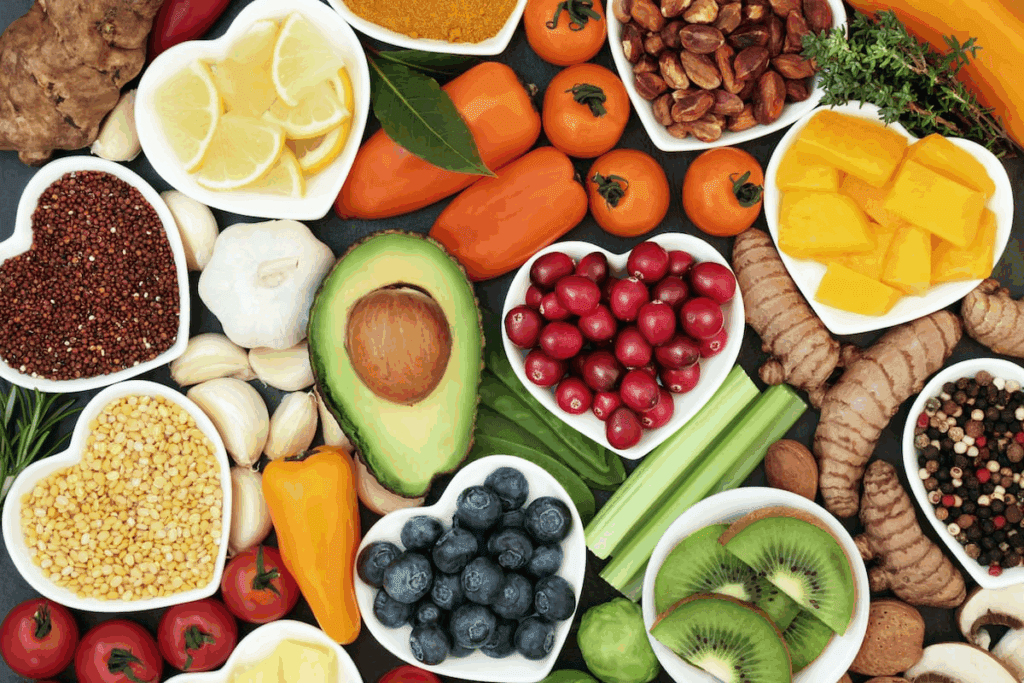
At Liv Hospital, we know that good nutrition is key to staying healthy. A healthy balanced diet is vital for your overall health. It helps prevent malnutrition and diseases. Wondering what does a healthy balanced diet consist of? Our simple guide covers the 7 best, essential foods you need every day.
Eating foods rich in nutrients from all food groups is important. This means lean proteins, whole grains, healthy fats, fruits, and colorful vegetables. Adding diverse plant-based foods and lean proteins to your diet supports your health.
We offer personalized dietary advice as part of our healthcare. Learning about the foods that make up a healthy diet can change your nutrition. It’s the first step to healthy eating.
Key Takeaways
- Eat a variety of nutrient-dense foods from all major food groups.
- Incorporate lean proteins, whole grains, and healthy fats into your diet.
- Fruits and vegetables of many colors are essential for a balanced diet.
- Diverse plant-based options and lean proteins support overall health.
- Personalized dietary guidance is key to achieving optimal wellness.
The Foundations of Nutritional Health

Nutritional health is key to feeling good and staying healthy. A balanced diet gives our bodies what they need to work right. Eating well helps avoid malnutrition and many diseases.
Current American Dietary Patterns
The typical American diet often doesn’t follow the best guidelines. It’s full of processed foods, added sugars, and unhealthy fats. Knowing this helps us make better food choices.
- High intake of processed and packaged foods
- Low consumption of fruits and vegetables
- Excessive intake of added sugars and unhealthy fats
How Diet Affects Long-term Health Outcomes
Eating right supports long-term health. It lowers the risk of heart disease, diabetes, and some cancers. The Dietary Guidelines for Americans 2020-2025 suggest eating a variety of foods. No single food can provide all the nutrients you need, so a balanced diet is key.
- Eating a variety of foods to ensure nutrient intake
- Limiting foods high in added sugars, saturated fats, and sodium
- Staying hydrated with adequate water intake
The Connection Between Diet and Disease Prevention
Diet is vital for preventing diseases. A balanced diet can lower the risk of chronic conditions. For example, a diet rich in fiber helps control blood sugar and aids digestion. Knowing how diet prevents disease helps us choose healthier options.
Key dietary components for disease prevention include:
- Adequate intake of fruits and vegetables
- Whole grains and complex carbohydrates
- Lean proteins and healthy fats
What Does a Healthy Balanced Diet Consist Of

A healthy diet includes many foods that give us the nutrients we need. It’s important to know what foods are part of a balanced diet. This helps us make good choices about what we eat every day.
Essential Macronutrients and Micronutrients
A balanced diet has both macronutrients and micronutrients. Macronutrients like carbs, proteins, and fats give us energy. They also help our bodies grow and repair.
Micronutrients, like vitamins and minerals, are needed in smaller amounts. But they’re very important for our body’s functions. They help our metabolism and keep our immune system strong.
USDA Dietary Guidelines for Americans
The USDA Dietary Guidelines help us eat healthy. They tell us what foods to eat and how much. They suggest eating less of foods high in sugar, salt, and fats. Instead, they recommend more fiber and nutrient-rich foods.
The Concept of Nutrient Density
Nutrient density is how much good a food has compared to its calories. Foods like fruits, veggies, whole grains, lean proteins, and healthy fats are very beneficial. They offer great health benefits when we eat them as part of a balanced diet.
Nutrient Type | Examples | Health Benefits |
Macronutrients | Carbohydrates, Proteins, Fats | Energy, Growth, Tissue Maintenance |
Micronutrients | Vitamins, Minerals | Metabolic Regulation, Immune Support |
In conclusion, a healthy diet has many foods that give us the nutrients we need. By following the USDA Guidelines and choosing nutrient-dense foods, we can make healthy choices. These choices support our health and well-being.
Essential Food #1: Colorful Vegetables and Leafy Greens
Eating a rainbow of vegetables every day is a simple way to get many nutrients. Colorful veggies and leafy greens are packed with nutrients. They offer many health benefits when part of a balanced diet.
Phytonutrient Benefits and Antioxidant Properties
Phytonutrients in colorful veggies offer health benefits like reducing inflammation. They also protect against chronic diseases. The antioxidants in these veggies fight free radicals, which may lower cancer and heart disease risks.
Key Phytonutrients and Their Benefits:
- Carotenoids (in orange and yellow veggies) support eye health.
- Anthocyanins (in purple veggies) improve heart health.
- Isothiocyanates (in cruciferous veggies) may fight cancer.
Recommended Daily Servings and Portion Sizes
The USDA says adults should eat 2-3 cups of veggies daily. Focus on dark green, red, and orange ones. A serving size varies, like 1 cup raw or 1/2 cup cooked leafy greens.
Vegetable Type | Recommended Daily Serving | Examples |
Dark Green | 1.5-2 cups | Spinach, kale, broccoli |
Red & Orange | 1-1.5 cups | Carrots, tomatoes, bell peppers |
Other Vegetables | 1-2 cups | Cauliflower, cucumbers, corn |
“A diet rich in colorful vegetables can help protect against chronic diseases and support overall health.”
American Heart Association
Preparation Methods That Preserve Nutrients
How you prepare veggies affects their nutritional value. Steaming or sautéing is better than boiling. It helps keep more nutrients.
Tips for Preserving Nutrients:
- Use minimal water when cooking.
- Cook veggies until they’re tender but crisp.
- Avoid overcooking to keep vitamins and minerals.
By adding colorful veggies and leafy greens to your diet, you boost your nutrition. Preparing them right helps keep nutrients in. This supports your health for the long term.
Essential Food #2: Fresh and Seasonal Fruits
Fresh and seasonal fruits are key to a healthy living balanced diet. They are packed with vitamins, minerals, and antioxidants. They are sweet, nutritious, and easy to add to your meals and snacks.
Vitamin Content and Blood Sugar Management
Fresh fruits are full of vitamins A and C, potassium, and fiber. These are important for healthy blood sugar levels and overall health. The fiber in fruits slows down sugar absorption, preventing blood sugar spikes.
Some fruits, like berries and citrus fruits, are high in vitamin C. This vitamin has antioxidant properties and boosts the immune system. Apples and pears are also good for digestion and feeling full.
Whole Fruits vs. Fruit Juices
Whole fruits are better than fruit juices for a healthy diet. They have more fiber and less sugar. Fruit juices, though tasty, can have a lot of sugar and no fiber.
- Whole fruits help you feel full and manage weight.
- Fruit juices can quickly raise blood sugar levels.
- Whole fruits have more antioxidants and nutrients.
Incorporating Fruits Into Daily Meals and Snacks
Adding fresh fruits to your diet is easy and tasty. Here are some tips:
- Add sliced fruits like bananas, apples, or berries to your breakfast cereal or oatmeal.
- Use fruits as a topping for yogurt or salads.
- Blend fruits into smoothies for a quick and nutritious snack.
- Keep a bowl of fresh fruits on the counter as a convenient snack option.
By adding a variety of fresh fruits to your diet, you boost your nutrition. Enjoying fruits in their whole form and trying different ways to prepare them keeps your diet interesting. This way, you get the most nutritional benefits.
Essential Food #3: Whole Grains and Complex Carbohydrates
Whole grains and complex carbs are key for a balanced diet and good health. They are packed with fiber, vitamins, and minerals. These nutrients offer many health benefits.
Fiber Types and Their Health Benefits
Fiber is a big part of whole grains and complex carbs. There are two kinds: soluble and insoluble. Soluble fiber lowers cholesterol and helps control blood sugar. Insoluble fiber keeps your digestive system healthy and prevents constipation.
Eating enough fiber is very beneficial. It can lower the risk of heart disease, diabetes, and some cancers. It also helps you feel full and can aid in weight control.
Key Benefits of Fiber:
- Lowers cholesterol levels
- Regulates blood sugar levels
- Promotes digestive health
- Supports weight management
- Reduces the risk of chronic diseases
Identifying True Whole Grain Products
Not all “whole grain” products are the same. To find true whole grains, follow these tips:
- Check the ingredient list for whole grains as the first ingredient.
- Look for the “Whole Grain Stamp” or a similar certification.
- Be wary of products with added sugars, refined flours, or artificial ingredients.
Gluten-Free Whole Grain Options
If you can’t eat gluten, don’t worry. There are many gluten-free whole grains. These include:
- Quinoa
- Brown rice
- Gluten-free oats
- Buckwheat
- Amaranth
Adding these gluten-free whole grains to your diet can be very beneficial. They offer nutritional value and support your health.
Essential Food #4: Lean Proteins and Quality Protein Sources
Lean proteins are key to a balanced diet. They help repair and grow muscles, keeping us healthy. Eating a mix of lean proteins every day boosts our nutrition.
Complete vs. Incomplete Proteins
Proteins are either complete or incomplete, based on their amino acids. Complete proteins have all nine essential amino acids our bodies can’t make. These are in animal products like fish, poultry, and dairy. Incomplete proteins are in plants and lack some amino acids.
But, you can get complete proteins from plants by mixing foods. For example, eating legumes with grains or nuts with seeds gives you all the amino acids you need.
Fish, Poultry, and Plant-Based Protein Options
There are many lean protein sources for different diets:
- Fish: Salmon, tuna, and cod are high in protein and omega-3s.
- Poultry: Chicken and turkey breast are low in fat and high in protein.
- Plant-Based: Legumes, tofu, tempeh, and seitan are great for protein.
Protein Requirements Across Different Life Stages
Protein needs change with age and activity level. For example:
- Infants and kids need protein for growth.
- Adults need it to keep muscles strong.
- Active people or athletes might need more for muscle repair.
As we get older, our protein needs might increase. Older adults might need more to keep muscles and strength up.
Knowing your protein needs and eating a variety of lean proteins is good for your health.
Essential Food #5: Healthy Fats and Omega-Rich Foods
Healthy fats and omega-rich foods are key to a balanced diet. They support our body’s functions and help us stay healthy. These fats give us energy and help our bodies absorb vitamins.
Monounsaturated and Polyunsaturated Fat Sources
Monounsaturated fats are in foods like avocados, nuts, and olive oil. They help lower bad cholesterol. Polyunsaturated fats, like omega-3 and omega-6, are in fatty fish, flaxseeds, and walnuts. These fats are good for our brains and help our bodies grow.
Some top sources of healthy fats are:
- Avocados
- Nuts and seeds (almonds, walnuts, chia seeds)
- Olive oil
- Fatty fish (salmon, sardines, mackerel)
The Role of Omega-3s in Brain and Heart Health
Omega-3 fatty acids, like EPA and DHA, are good for our hearts. They reduce inflammation and help lower blood pressure. They also support brain health and may help with depression and anxiety.
“The benefits of omega-3 fatty acids for heart health are well-documented, making them an essential component of a healthy diet.”
Food Source | Omega-3 Content (approximate) |
Salmon (3 oz serving) | 1.8 grams |
Sardines (3 oz serving) | 1.3 grams |
Wal друг (1 oz serving) | 2.5 grams (ALA) |
Balancing Fat Types in Your Daily Diet
A balanced diet needs different fats. It’s good to eat healthy fats but also limit bad fats. Bad fats can harm our hearts.
To balance fats in your diet:
- Choose healthy fats like avocados, nuts, and olive oil.
- Eat fatty fish twice a week.
- Stay away from processed and fried foods.
Knowing the value of healthy fats and omega-rich foods helps us make better food choices. This supports our health and well-being.
Essential Food #6: Legumes, Nuts and Seeds
Legumes, nuts, and seeds are key to a healthy diet. They offer important nutrients and health perks. These foods are full of protein, fiber, and healthy fats, making them great for a balanced diet.
Nutritional Profiles and Health Benefits
Legumes are a top source of plant-based protein, iron, and fiber. They help lower cholesterol and improve heart health. Nuts and seeds, rich in healthy fats and antioxidants, fight inflammation and boost health.
Legumes, nuts, and seeds are full of vitamins, minerals, and antioxidants. They’ve been linked to lower risks of heart disease, diabetes, and some cancers.
Budget-Friendly Protein Alternatives
Legumes are cheaper than meat and animal-based proteins. They’re flexible and fit in many dishes, like soups, stews, salads, and main courses. Examples include lentils, chickpeas, and black beans.
Nuts and seeds are also affordable when bought in bulk. They’re great as toppings for salads, yogurt, or oatmeal, or as a snack alone.
Storage Tips and Preparation Methods
Proper storage keeps legumes, nuts, and seeds nutritious. Store legumes in a cool, dry spot. Keep nuts and seeds in airtight containers in the fridge or freezer to stay fresh.
Legumes can be boiled, steamed, or sautéed. Roast or toast nuts and seeds to boost their taste. Soaking and cooking legumes shortens cooking time and unlocks their nutrients.
Essential Food #7: Low-Fat Dairy and Calcium-Rich Alternatives
Low-fat dairy and calcium-rich alternatives are key for a healthy eating balance and proper balanced diet. They are important for bone health and offer extra nutritional benefits for overall well-being.
Bone Health and Additional Nutritional Benefits
Calcium is vital for strong bones. Low-fat dairy is full of calcium, making it great for bone health. It also has protein, vitamins D and B12, and other important nutrients.
Low-fat dairy does more than just support bones. Its protein helps with muscle repair, and vitamins D and B12 boost the immune system and energy.
Comparing Dairy and Plant-Based Milk Options
Plant-based diets are becoming more popular, leading to more non-dairy milk choices. These options are good for those who can’t have dairy or prefer it. But, it’s important to look at their nutritional content.
- Dairy milk is naturally rich in calcium, protein, and vitamins.
- Plant-based milks can be fortified with calcium and vitamins but often lack protein unless fortified.
- The nutritional content of plant-based milks varies widely depending on the source (e.g., almond, soy, oat milk).
When picking between dairy and plant-based milk, think about what you need and like. For those who need dairy-free, choose fortified plant-based milks to get the nutrients you need.
Yogurt, Cheese, and Fermented Dairy Products
Yogurt, cheese, and other fermented dairy products have special nutritional benefits. Yogurt has probiotics for gut health, and cheese is packed with calcium and protein.
- Choose plain, unflavored yogurt to avoid added sugars.
- Opt for natural cheeses instead of processed ones.
- Try different fermented dairy products to find ones you like.
Adding a variety of low-fat dairy and calcium-rich foods to your diet can boost your nutrition and support a proper balanced diet. Knowing the benefits and options helps you make choices that fit your dietary needs and preferences.
Foods to Limit for a Truly Balanced Diet
A balanced diet is more than just eating healthy foods. It also means cutting down on unhealthy ones. Foods high in added sugars, sodium, and unhealthy fats can harm our health. It’s important to know how to limit these in our diet.
Understanding Added Sugars and Their Impact
Added sugars are a big problem in today’s diet. They’re in many processed foods and drinks, adding lots of calories without nutrients. The American Heart Association says women should have no more than 25 grams (6 teaspoons) of added sugars daily. Men should limit it to 36 grams (9 teaspoons) daily.
Reducing added sugars is easier than you think. Just read food labels, pick products with less sugar, and choose natural sweeteners like fruits.
“The key to a healthy diet is not just about cutting out the bad stuff, but also about making informed choices that nourish your body.”
Sodium Content in Processed Foods
Many processed foods are high in sodium. This can cause high blood pressure and heart disease if we eat too much. The Dietary Guidelines for Americans suggest keeping sodium intake under 2,300 milligrams daily.
- Choose low-sodium options when available.
- Use herbs and spices to flavor food instead of salt.
- Be cautious with condiments and sauces, as they can be high in sodium.
Identifying and Reducing Unhealthy Fats
Not all fats are good for us. Some, like saturated and trans fats, can harm our hearts. It’s key to know which fats are bad and cut down on them.
Tips for reducing unhealthy fats include:
- Opting for lean protein sources and trimming visible fat from meats.
- Choosing baked or grilled foods instead of fried options.
- Reading labels to avoid products with trans fats.
By paying attention to what we eat and making smart choices, we can greatly improve our health. Cutting down on foods high in added sugars, sodium, and unhealthy fats is a big step towards a balanced diet.
Practical Tips for Daily Balanced Eating
Eating a balanced diet every day is a skill you can learn. It might seem hard, but with the right tips, it’s easier. We’ll show you how to make healthy eating a part of your daily routine.
Meal Prepping for Nutritional Success
Meal prepping is a great way to stay on track with your recommended diet. It helps you avoid unhealthy choices when you’re in a rush.
- Plan your meals around seasonal produce to ensure freshness and variety.
- Cook in bulk to save time during the week.
- Portion your meals to maintain appropriate serving sizes.
Spending a few hours on the weekend on meal prep can make your week healthier. You’ll have a week’s worth of balanced meals ready to go.
Balanced Eating on a Budget
Many think eating well is expensive, but it doesn’t have to be. With some planning, you can eat healthily without breaking the bank.
Budget Tip | Description | Benefit |
Buy in Season | Purchase fruits and vegetables that are in season. | Cost-effective and fresher produce. |
Plan Around Sales | Check weekly grocery sales and plan meals according to them. | Reduces grocery bills. |
Cook at Home | Prepare meals at home instead of dining out. | Healthier and more cost-effective. |
Dining Out While Maintaining Dietary Balance
Dining out doesn’t have to ruin your healthy eating habits. Here are some tips to help you stay on track while eating out.
When eating out, pick restaurants with healthy options. Don’t be afraid to ask for special requests, like dressing on the side or grilled instead of fried.
By following these tips, you can keep your diet balanced even when dining out. It’s all about making smart choices that support your health goals.
Conclusion: Building Your Personalized Healthy Eating Plan
Creating a personalized healthy eating plan is essential for lasting nutritional success. It should fit your needs, lifestyle, and likes. We’ve talked about the 7 key foods for a balanced diet: colorful veggies, fresh fruits, whole grains, lean proteins, healthy fats, legumes, and low-fat dairy.
Knowing what a healthy diet includes is vital for making smart choices. Adding these foods to your daily meals helps you get the nutrients you need. This supports a balanced diet for healthy living. It’s not just about avoiding bad foods, but also about eating a variety of good ones.
We urge you to start making your own healthy eating plan. First, figure out what you need and like. This way, you can make a diet that works for you, helping you stay healthy for the long term.
FAQ
What are the essential foods for a healthy balanced diet?
A healthy diet includes veggies, fruits, whole grains, and lean proteins. Legumes, nuts, and low-fat dairy are also key. These foods give you the nutrients you need for good health.
How does diet affect long-term health outcomes?
Diet is very important for your health. Eating well can prevent diseases and keep you healthy. Bad eating habits can lead to chronic illnesses.
What is the importance of nutrient density in a healthy diet?
Nutrient density means how much good stuff a food has per calorie. Choosing foods high in nutrients is key to a healthy diet.
How many servings of vegetables and fruits should I eat daily?
It’s good to eat a variety of veggies and fruits every day. Aim for colorful veggies and fresh fruits as part of your diet.
What are the benefits of whole grains and complex carbohydrates?
Whole grains and complex carbs are full of fiber. Fiber is good for your digestion and blood sugar levels.
How can I identify true whole grain products?
Look for “100% whole grain” or “100% whole wheat” on labels. Make sure whole grains are the first ingredient listed.
What are the different types of healthy fats, and what are their sources?
Healthy fats include monounsaturated and polyunsaturated fats. You can find them in nuts, seeds, avocados, and olive oil. Omega-3s, a type of polyunsaturated fat, are in fatty fish, flaxseeds, and chia seeds.
How can I maintain a balanced diet while dining out?
Choose restaurants with healthy options. Control your portions and avoid foods high in added sugars, sodium, and unhealthy fats.
What are some budget-friendly protein alternatives?
Beans and lentils are affordable protein sources. They’re packed with nutrients and can be used in many dishes.
How can I reduce added sugars and unhealthy fats in my diet?
Read labels to avoid added sugars and unhealthy fats. Opt for whole foods over processed ones. Limit sugary drinks and foods with saturated and trans fats.
What are the benefits of meal prepping for nutritional success?
Meal prepping helps you eat well by planning and preparing healthy meals ahead. It saves time and keeps you away from unhealthy foods.
How can I balance my diet with dairy and plant-based milk options?
Consider your needs when choosing between dairy and plant-based milks. Pick options low in added sugars and saturated fats, like low-fat dairy or unsweetened plant-based milks.
References
National Center for Biotechnology Information. Essential Foods for a Healthy, Balanced Diet. Retrieved from https://www.ncbi.nlm.nih.gov/pmc/articles/PMC7071223/