Having A negative blood type means your blood has A antigens but no Rh factor. This is true for about 6.3% of the U.S. population, says the Stanford School of Medicine Blood Center.
Knowing your blood type is key to finding the right donors and staying healthy. It affects every blood transfusion and your overall health.
Key Takeaways
- A negative blood type has A antigens but lacks the Rh factor.
- Approximately 6.3% of the U.S. population has A negative blood type.
- Understanding donor compatibility is key to transfusions.
- A negative blood type has specific health implications.
- Liv Hospital offers a trusted, patient-focused way to understand these facts.
The Fundamentals of Blood Typing
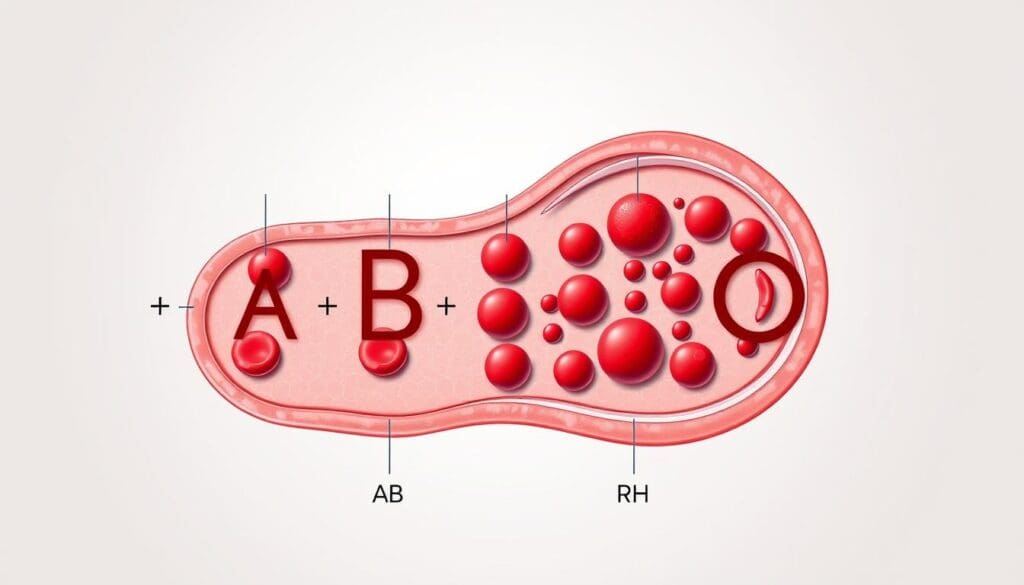
Blood typing is about finding out if certain antigens are on red blood cells. This is key for matching donors and recipients in blood transfusions.
Blood typing uses the ABO and Rh systems. Knowing these systems helps us understand why blood types like A negative are important in medicine.
The ABO Blood Group System
The ABO system sorts blood into four types: A, B, AB, and O. These types are based on specific antigens on red blood cells. Antigens can cause an immune reaction, which is why they’re so important in blood transfusions.
People with Type A blood have A antigens. Those with Type B have B antigens. Type AB has both, and Type O has none. This system is vital because mixing incompatible blood can cause serious reactions.
The Role of Antigens and Antibodies in Blood Classification
Antigens and antibodies are key in blood typing. Antigens are on red blood cells, and antibodies are proteins that recognize them. The presence of certain antibodies shows which antigens are missing from red blood cells.
For example, Type A blood has anti-B antibodies because it lacks B antigens. Type B blood has anti-A antibodies. This is why matching blood types is so important for transfusions. A negative blood can only be received from A negative or O negative donors.
The American Red Cross calls a blood type rare if it’s found in less than 1 in 1,000 people. A negative blood type is considered rare, but knowing its compatibility is vital for managing blood supplies and ensuring safe transfusions.
Understanding A Negative Blood Type
The A negative blood type is special because it doesn’t have the Rh antigen. This makes it important in blood transfusions. People with this blood type have unique red blood cells compared to others.
Definition and Characteristics of A Rhesus Negative Blood
A negative blood has A antigens on its red blood cells but no RhD antigen. This makes it safe for some people but not others, like those with Rh-positive blood.
Key characteristics of A negative blood include:
- Presence of A antigens
- Absence of RhD antigen
- Compatibility with A negative and AB negative blood types
Distinguishing Between A Positive and A Negative (A Minus) Blood
The main difference between A positive and A negative blood is the RhD antigen. A positive blood test has it, while A negative does not. This is key to avoiding bad reactions during transfusions.
“The Rh blood type system is one of the most important blood types in transfusion medicine, and its discovery has significantly reduced the risk of hemolytic reactions.”
Prevalence and Distribution of A Neg Blood Type
About 6.3% of people in the U.S. have A negative blood. It’s not very common. The amount of A negative blood varies by population and ethnicity.
| Population | Prevalence of A Negative Blood |
| U.S. Population | 6.3% |
| European Population | Varied, generally higher in certain regions |
| African Population | Less common compared to European populations |
Type A negative blood is very important for Rh-negative patients. It’s vital to have enough A negative blood, mainly in emergencies.
The Rhesus Factor in Blood Typing
In the 1940s, the Rhesus factor changed transfusion medicine. It added a new test for blood compatibility. This protein on red blood cells decides if someone’s blood is Rh positive or negative.
What Makes Blood “Resus Negative” or “Positive”
The Rh factor decides if blood is Rh positive or negative. If you have the Rh protein, you’re Rh positive. Without it, you’re Rh negative. This is key for blood transfusions and pregnancies, as wrong matches can cause serious problems.
Rh positivity is more common, with about 85% of people being Rh positive. The Rh factor comes from your parents. Its presence or absence is very important in medical situations.
Historical Discovery and Medical Significance of the Rh Factor
The Rh factor was found in Rhesus macaques. This discovery helped understand hemolytic disease of the newborn. It also led to RhoGAM, a preventive measure.
The Rh factor is vital for transfusions and pregnancy care. Negative blood types, like A negative, are rare but very useful in emergencies. Knowing about the Rh factor helps doctors manage blood and pregnancy safely.
Blood Donation and Transfusion Compatibility for A-Negative Blood Group
People with A negative blood type must know about blood transfusion compatibility. This is to ensure they get safe medical care. The American Red Cross stresses the need for compatible blood transfusions to avoid bad reactions.
Compatible Donor Options for A Negative Recipient
Those with A negative blood type can get blood from A-negative or O-negative donors. It’s key because getting blood from the wrong donor can cause serious health issues.
Medical rules say A negative person should only get blood from A negative or O-negative donor. This lowers the chance of a bad reaction.
Who Can Receive Blood from A Negative Donor
Negative blood donors can give to those with A-negative or A-positive blood types. This is because A negative blood doesn’t have the Rh antigen. It’s safe with A positive blood, which does have the Rh antigen, in emergencies.
“The universal donor type is O negative, but A negative donors also play a critical role in supplying blood to those in need.” This shows how vital negative donors are for a wide and strong blood supply.
Universal Plasma Donation Capabilities of Negative Blood Types
People with A negative blood type, along with others, can donate plasma to anyonee. This is because plasma donations don’t follow the same rules as red blood cell donations.
“Plasma from A negative donors is very valuable because it can be given to patients of any ABO blood type.”
This ability to donate universal plasma makeA-negativeve donors very important. They are key for patients needing plasma transfusions. This highlights the importance of blood donation from those with this blood type.
Medical Importance of Type A Negative Blood
Type A negative blood is very important in medicine. It’s key to saving lives in emergencies. Its special qualities make it very useful in hospitals.
Rarity and Value in Emergency Medical Situations
Type A negative blood is rare, found in about 6-7% of people in the U.S. Its rarity and ability to match with A and AB blood types make it very valuable. It’s a lifesaver when there’s no time to check a patient’s blood type.
Blood Banking and Storage Considerations
Blood banks struggle to keep enough Type A negative blood because it’s hard to find. Proper storage and handling are key tokeepingt good for transfusions. They need to keep it at the right temperature and check it often for any damage.
Managing Type A negative blood is a big job. It needs careful planning and teamwork from healthcare providers and blood banks.
Blood Type Matching for Organ Transplantation
In organ transplants, matching the donor and recipient’s blood types is essential. Type A negative blood is great for A or AB blood type recipients. This matching reduces the risk of problems and boosts transplant success chances.
Teams work hard to match organs with recipients. They consider blood type and other important factors.
Pregnancy Considerations for Women with A Negative Blood Type
Women with A negative blood type should know about pregnancy risks. They face complications due to Rhesus incompatibility with their fetus.
Rhesus Incompatibility During Pregnancy
Rhesus incompatibility happens when a mother with Rhesus-negative blood has a fetus with Rhesus-positive blood. This can make the mother’s immune system attack the fetus’s red blood cells.
Key risks include:
- The mother’s immune system is reacting to the fetus’s blood
- Antibodies attacking the fetus’s red blood cells
- Higher risk of Hemolytic Disease of the Newborn (HDN)
Hemolytic Disease of the Newborn: Risks and Prevention
Hemolytic Disease of the Newborn (HDN) happens when blood types don’t match. It can cause severe anemia and heart failure in the newborn.
Preventive measures include:
- Monitoring the mother’s antibody levels
- Administering RhoGAM to prevent sensitization
- Watching the fetus for signs of distress or anemia
RhoGAM and Other Preventive Treatments
RhoGAM is a medication for Rhesus-negative pregnant women. It prevents their immune system from reacting to Rhesus positive blood cells. It’s given around the 28th week and within 72 hours after delivery if the baby is Rhesus positive.
RhoGAM’s benefits include:
- Preventing sensitization to Rhesus-positive blood
- Lower risk of Hemolytic Disease of the Newborn
- Protection in future pregnancies
Regular prenatal care and monitoring are key for managing risks with A negative blood type. Understanding these risks and taking preventive steps can help women have a healthy pregnancy and reduce complications for their newborn.
Genetic Inheritance of A Neg Blood Group
Understanding how blood types are passed down can help us predict our children’s blood types. The genes that control blood types come from our parents.
How Blood Types Are Inherited from Parents
The ABO and Rh blood types are controlled by different genes. The ABO blood group has three alleles: A, B, and O. The Rh blood type is controlled by another gene, with the RhD antigen being key.
An A-negative blood type has the A antigen but no RhD antigen. To have A negative blood type, you need to get the A allele from one parent and the negative Rh allele from both. Or, you need to have the Rh gene in a recessive form.
Probability of Passing A Negative Blood Type to Children
The chance of passing A negative blood type to kids depends on the parents’ genes. A child needs to get the A and negative Rh alleles to have A-negative blood. We can predict this using a Punnett square.
| Parent 1 Genotype | Parent 2 Genotype | Possible Offspring Genotypes | Probability of A Negative Blood |
| AO Rh+/- | AO Rh+/- | AA, AO, OO with Rh+/+ or Rh+/- or Rh-/- | 25% |
| AA Rh- | AO Rh- | AA, AO with Rh- | 100% chance of Rh-, 50% chance of A |
For more detailed information on blood type genetics, visit Medicover Genetics. They offer insights into blood type compatibility and inheritance.
Health Associations and Current Research on Negative Blood Types
Recent studies have looked into how negative blood types might affect disease risk. This research is uncovering new insights into the complex relationship between blood type and health. It could lead to big changes in how doctors treat patients.
Disease Susceptibility and Resistance Patterns
Research has found possible links between blood types, like A negative, and disease risk. For example, some studies show that certain blood types might face higher risks for heart disease or infections.
Key findings include:
- Increased risk of infections in people with specific blood types.
- Some blood types might protect against heart conditions.
- Different immune responses could affect disease outcomes.
Recent Scientific Findings and Ongoing Studies
Scientists are working to understand how blood type affects health. Recent discoveries show that blood type can influence the immune system. This could play a big role in how diseases develop.
Current studies are investigating:
- The link between blood type and COVID-19 risk.
- How blood type might affect cancer risk.
- The impact of blood type on the gut microbiome and health.
As we learn more about blood type and health, new treatments and tests might be developed. These could be tailored to meet the needs of people with different blood types.
Conclusion: Living with A Negative Blood Type
Knowing about A negative blood type is key for those who have it. It can affect their health and how they get medical care. People with A negative blood type need to understand what their blood type means for their health.
It’s important to know about compatible donor options and health risks. By knowing their blood type, people can take steps to manage their health. They can also make better choices about their medical care.
A negative blood type has unique traits compared to other blood types. Knowing these differences is vital. It helps ensure they get the right blood transfusions and stay healthy.
Understanding the health risks of A negative blood type is important. People can work with their doctors to avoid risks. This way, they can get the best care possible.
FAQ
What does A negative blood type mean?
A negative blood type means the blood has the A antigen but not the RhD antigen. This makes it “negative.”
How is A negative blood type different from A positive?
A negative blood lacks the RhD antigen, unlike A positive blood. A positive blood has the RhD antigen.
Can individuals with A negative blood type receive blood from A positive donors?
Usually, A negative blood type should get blood from A negative donors. But in emergencies, they might get A positive blood test. This is not the best choice.
Who can receive blood from A-negative donors?
Blood from A-negative donors can go to A-negative or AB-negative types. These types don’t have antibodies against the A antigen and lack the RhD antigen.
What are the risks associated with Rhesus incompatibility during pregnancy?
Rhesus incompatibility happens when an Rh-negative mother has an Rh-positive fetus. This can cause her immune system to attack the fetus’s red blood cells. This might lead to hemolytic disease of the newborn.
How is Rhesus incompatibility managed during pregnancy?
To handle Rhesus incompatibility, Rh-negative pregnant women get RhoGAM. This is given at certain times during pregnancy and after delivery if the baby is Rh-positive. It helps prevent antibodies against Rh-positive blood.
Can A negative blood type be inherited from parents?
Yes, A negative blood type comes from parents. It’s based on genes for ABO and Rh blood types. Each parent gives one gene, which determines the blood type.
Are there any specific health associations or risks linked to having A negative blood type?
Research looks into health links with blood types, like disease risk. But more studies are needed. We don’t fully know the risks or benefits of A negative blood type yet.
Why is A negative blood test considered valuable in medical emergencies?
A negative blood test is valuable in emergencies. It can be given to A-negative or AB-negative patients quickly. Its rarity and flexibility make it very useful.
What is the prevalence of A negative blood type among different populations?
A negative blood type’s prevalence varies by population. It’s less common than the A positive or O positive types. But the exact rate varies across ethnic and geographic groups.
References
- Medical News Today. (2025, February 25). Rarest blood type: Chart and compatibility. https://www.medicalnewstoday.com/articles/326279



 Departments
 Related Videos
 Our Doctors
 News
News