Every year, millions of people worldwide face neurological issues that need quick help. Knowing the red flags for neurosurgery is key for fast and effective treatment.
Understanding neurosurgical care can be tough. Symptoms like severe headaches, numbness, or trouble speaking might mean you need to see a neurosurgeon fast. Knowing these warning signs can really help your health.
We want to help you understand the important signs for neurosurgery. This way, you can make better choices about your health care.
Exactly what does a neurosurgeon do for patients? Discover the scary red flags that require amazing elite intervention for brain health.
Key Takeaways
- Recognizing red flags for neurosurgery is key for quick medical help.
- Certain neurological symptoms need urgent attention from a neurosurgeon.
- Knowing the warning signs can greatly improve patient outcomes.
- Understanding when to seek neurosurgical care is vital for good treatment.
- Empowering patients with knowledge about neurosurgery red flags improves healthcare decisions.
The Crucial Role of Neurosurgeons in Modern Medicine
Neurosurgeons play a key role in modern medicine. They perform complex surgeries that can greatly improve or save lives. These medical specialists focus on the brain, spine, and nervous system. Their work is vital for treating serious conditions affecting millions globally.
What Does a Neurosurgeon Do
Neurosurgeons diagnose and treat many conditions of the nervous system. They do surgeries to relieve brain pressure, repair blood vessels, and remove tumors. They also work with other doctors to create treatment plans for neurological disorders.
Some of the main tasks for neurosurgeons include:
- Conducting detailed neurological examinations to diagnose conditions
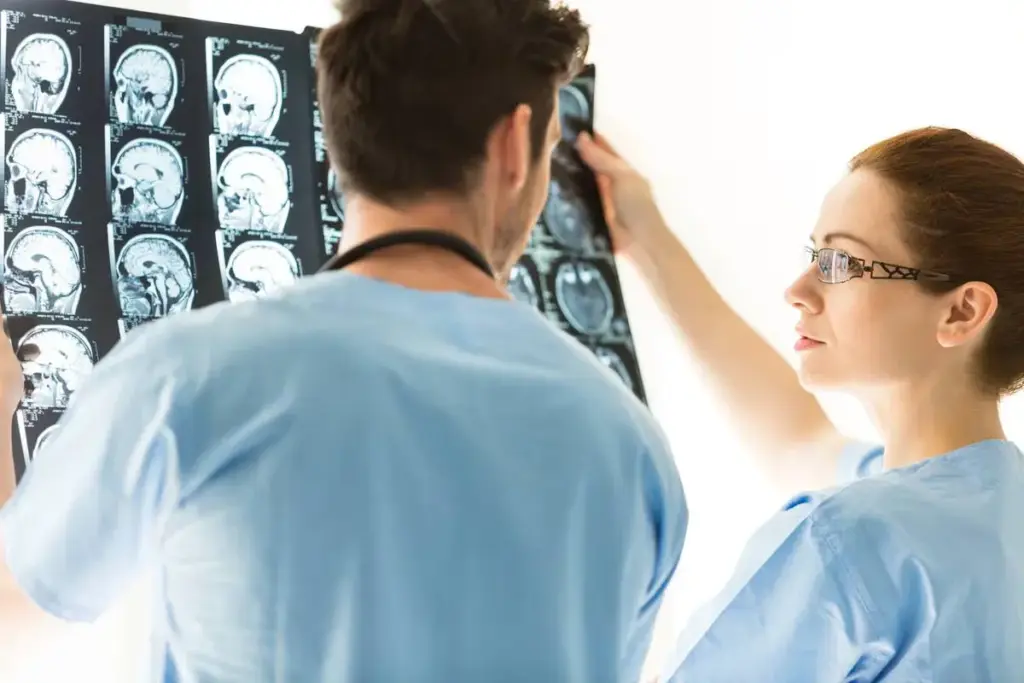
- Interpreting diagnostic tests such as MRI and CT scans
- Performing surgical procedures to treat neurological conditions
- Providing post-operative care and follow-up treatment
Areas of Specialization in Neurosurgery
Neurosurgery covers many specializations. Some neurosurgeons focus on specific areas like:
|
Specialization |
Description |
|---|---|
|
Pediatric Neurosurgery |
Surgical treatment of neurological disorders in children |
|
Spine Surgery |
Surgical procedures to treat conditions affecting the spine |
|
Cerebrovascular Neurosurgery |
Treatment of conditions affecting the blood vessels of the brain |
These specializations need extra training and skills. This allows neurosurgeons to offer specialized care to their patients.
Neurologist vs. Neurosurgeon: Understanding the Distinction
Neurologists and neurosurgeons have different roles in treating the nervous system. They work together but have different areas of focus. Their approaches and expertise vary greatly.
Educational Pathways and Training Requirements
Both neurologists and neurosurgeons have tough educational paths. Neurologists finish medical school and then do a three to four year neurology residency. They learn how to manage neurological issues without surgery.
Neurosurgeons also go through medical school but then have a longer surgical training. Their neurosurgery residency lasts six to seven years. This training prepares them for brain, spine, and nervous system surgeries.
Does a Neurologist Do Surgery?
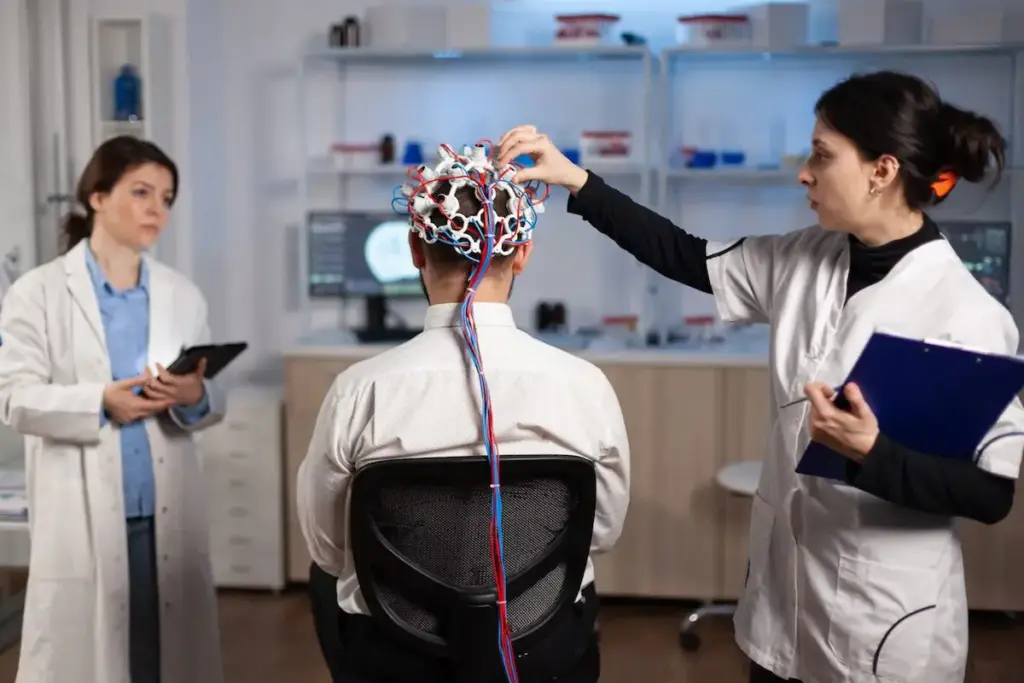
No, neurologists don’t do surgery. They focus on diagnosing and treating neurological problems without surgery. They use tools like MRI and EEG to find out what’s wrong and plan treatment.
Neurologists work with neurosurgeons and others to give full care. If surgery is needed, they send patients to a neurosurgeon. The neurosurgeon then decides if surgery is right and performs it.
It’s important for patients to know the difference between neurologists and neurosurgeons. This helps them get the right treatment for their brain or nervous system problems.
Severe Headache Red Flags That Require Neurosurgical Evaluation
Headaches that come on suddenly or are very severe might mean you need to see a neurosurgeon right away. While headaches are common, some signs can point to a serious problem. This problem needs quick medical help.
It’s important to know when a headache is a warning sign for neurosurgery. Look out for these red flags:
- Sudden onset of severe headache
- Headaches accompanied by neurological deficits
- Headaches with changes in consciousness or confusion
Thunderclap Headaches and Brain Aneurysms
A thunderclap headache is very intense and happens fast. It’s often linked to a brain aneurysm, a serious condition. If you have a thunderclap headache, get medical help fast. Quick action can save lives.
Brain aneurysm symptoms include:
- Severe headache
- Nausea and vomiting
- Confusion or altered consciousness
Headaches with Neurological Deficits
Headaches with weakness, numbness, or trouble speaking are serious. These symptoms need quick neurosurgery to find and fix the problem.
Some neurological deficits in headaches are:
- Weakness or paralysis of limbs
- Numbness or tingling sensations
- Difficulty with speech or vision
In short, knowing the signs of a severe headache is key to getting the right care. If you have a sudden, severe, or complicated headache, get medical help right away.
Spine-Related Symptoms That Warrant Immediate Attention
Spine health is very important. Some symptoms mean you need to see a doctor right away. The spine helps us move and stay healthy. Certain symptoms show you might have a serious problem.
Progressive Weakness or Numbness in Extremities
Feeling weak or numb in your arms or legs is serious. It could mean your spinal cord or nerves are hurt. Problems like herniated discs or tumors can cause this.
If you start feeling weak or numb, get help fast. Pain or trouble moving your limbs is a big warning sign.
Cauda Equina Syndrome and Spinal Emergencies
Cauda Equina Syndrome (CES) is a big emergency. It happens when nerves in your lower back get squished. This can lead to very bad problems if not fixed quickly.
Symptoms of CES include very bad back pain, numbness in your legs, and trouble with your bladder or bowel. You need to see a neurosurgeon right away. Other serious spine problems, like fractures or infections, also need quick care.
It’s key to know these symptoms to get help fast. If you’re feeling any of these, see a doctor or neurosurgeon right away. Quick action can help a lot and prevent lasting harm.
Brain-Related Red Flags for Neurosurgical Consultation
Certain brain-related red flags need quick attention from a neurosurgeon to avoid lasting harm. The brain is very complex and sensitive. Any unusual changes or problems can be a warning sign. We will look at two key red flags: seizures and cognitive changes.
Seizures and Their Neurosurgical Implications
Seizures are sudden electrical activity in the brain. They can change how a person feels, moves, or thinks. Some seizures might mean there’s a serious neurosurgical issue.
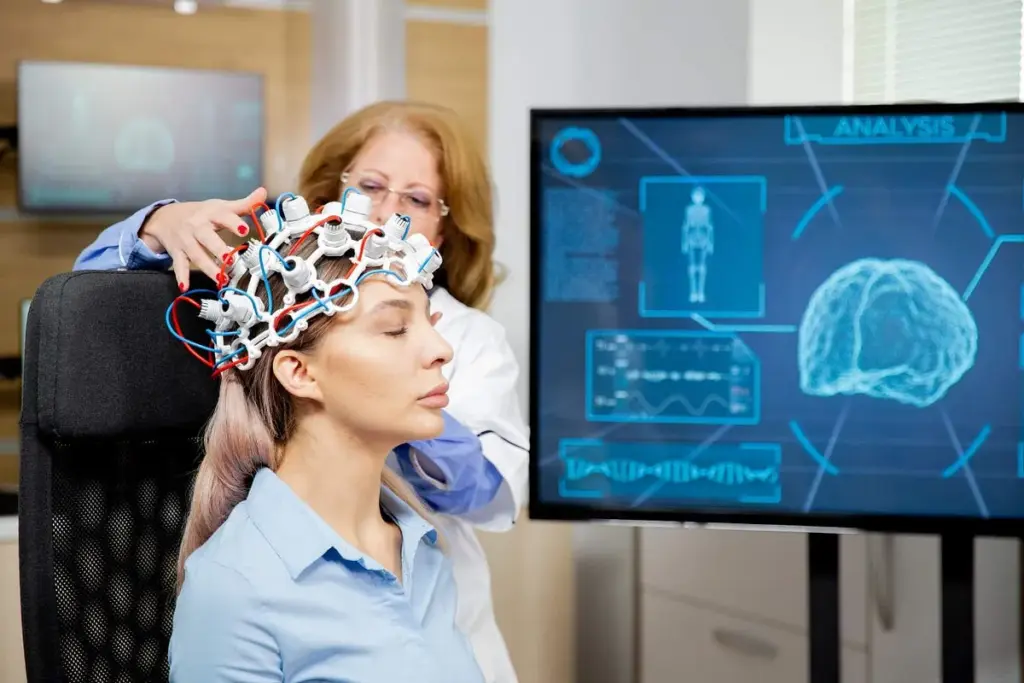
For example, seizures from a brain tumor, aneurysm, or AVM might need surgery. We use tests like EEG, MRI, or CT scans to find out why someone has seizures. If it’s something structural, seeing a neurosurgeon is important to figure out how to treat it.
Cognitive Changes and Memory Deterioration
Cognitive changes or memory loss can point to serious neurological problems. Some issues, like NPH, brain tumors, or subdural hematomas, can cause these symptoms.
We check for these problems with tests, scans, and cognitive tests. If we find a neurosurgical issue, acting fast can help improve symptoms and life quality.
|
Brain-Related Red Flag |
Possible Causes |
Neurosurgical Implications |
|---|---|---|
|
Seizures |
Brain tumor, aneurysm, AVM |
Surgical intervention to remove or repair the underlying cause |
|
Cognitive Changes |
NPH, brain tumor, subdural hematoma |
Surgical intervention to alleviate pressure or remove the underlying cause |
Why Would I Be Referred to a Neurosurgeon After MRI?
An MRI scan is a key tool for doctors. If you’re sent to a neurosurgeon after one, it’s because of specific findings. Your doctor will look at the MRI results to see if you need a neurosurgeon’s help.
Common MRI Findings That Necessitate Neurosurgical Evaluation
There are several MRI findings that might lead to a neurosurgeon visit. These include:
- Brain or spinal tumors: These are abnormal growths, which can be benign or cancerous.
- Herniated discs: When discs bulge or rupture, they can press on nerves.
- Spinal stenosis: This is when the spinal canal narrows, putting pressure on the spinal cord.
- Aneurysms or arteriovenous malformations (AVMs): These are abnormal blood vessels in the brain that could rupture and bleed.
|
Condition |
Typical MRI Findings |
Potential Neurosurgical Intervention |
|---|---|---|
|
Brain Tumor |
Mass lesion with or without enhancement |
Surgical resection or biopsy |
|
Herniated Disc |
Disc bulge or extrusion compressing nerves |
Discectomy or microdiscectomy |
|
Spinal Stenosis |
Narrowing of the spinal canal |
Laminectomy or spinal fusion |
The Referral Process and What to Expect
Being referred to a neurosurgeon can be scary. But knowing what to expect can help. Usually, your doctor will send you to a neurosurgeon if they think you need their help.
At your visit, the neurosurgeon will look at your MRI, talk about your symptoms and health history, and explain your options. They might suggest surgery, other treatments, or more tests.
It’s important to ask questions during your visit. This way, you’ll understand your diagnosis, treatment choices, and what to expect during recovery. Being informed helps you make the best decisions for your health.
What Does a Neurosurgeon Do During Consultation and Treatment?
At your first visit, a neurosurgeon will do a detailed check-up. This is key to figuring out the right treatment for you. They aim to understand your condition fully and create a plan just for you.
The Initial Consultation Process
The first meeting is a big step towards getting better. We start by asking about your health history. This includes your symptoms, past treatments, and any health issues you have.
Then, a physical check-up is done. This focuses on your nervous system to find any problems. This detailed look helps us see how serious your condition is and how it affects your life.
At times, we might need more tests like MRI or CT scans. These tests give us a clearer picture of what’s going on inside your body. This helps us create a treatment plan that works best for you.
Developing a Personalized Treatment Plan
After getting all the info, we will talk about your treatment options with you. We’ll explain your diagnosis and the treatments available. Our aim is to give you the information you need to make choices about your care.
Your treatment plan might include different approaches, like non-surgical or surgical options. We will work with you to make sure your plan fits your life and preferences.
Common Neurosurgical Procedures and Their Indications
Neurosurgical procedures treat many brain and spine issues. They are key for managing serious neurological conditions.
Brain Surgery Types and When They’re Necessary
Brain surgery includes many types, each for different reasons.
Some common types include:
- Craniotomy: This involves temporarily removing a part of the skull to access the brain. It’s often needed for brain tumors, aneurysms, and traumatic brain injuries.
- Stereotactic Surgery: Uses a three-dimensional coordinate system to locate small targets inside the brain. It’s used for procedures like biopsy and tumor treatment.
- Endoscopic Surgery: This is a minimally invasive technique using an endoscope to visualize and operate on areas within the brain.
Doctors choose the right brain surgery type based on the patient’s condition and the disorder’s nature. They also consider the benefits and risks of each procedure.
Spine Surgery Approaches and Their Applications
Spine surgery treats many spinal conditions, like degenerative diseases, deformities, and traumatic injuries.
|
Surgical Approach |
Indications |
Applications |
|---|---|---|
|
Discectomy |
Herniated discs causing nerve compression |
Relieves pain and neurological symptoms |
|
Spinal Fusion |
Instability due to degenerative disease or trauma |
Stabilizes the spine, reduces pain |
|
Laminectomy |
Spinal stenosis causing nerve compression |
Decompresses nerves, improves mobility |
Spine surgery approaches depend on the condition, its severity, and the patient’s health. Knowing about these procedures helps in making informed decisions about neurosurgical care.
Conservative Management vs. Surgical Intervention
The choice between conservative management and surgery depends on many factors. These include how severe the condition is and the patient’s health. Neurosurgeons must carefully consider the benefits and risks of each option when treating neurological conditions.
When Can a Neurosurgeon Recommend Non-Surgical Treatment
For mild to moderate neurological conditions, non-surgical treatment is often suggested. This can include medication, physical therapy, and changes in lifestyle. For example, people with certain back pain or mild neurological issues might find relief without surgery.
When Surgery Becomes the Necessary Option
Surgery is needed when non-surgical treatments don’t work or when the condition is severe. For instance, those with large brain tumors, severe spinal injuries, or certain blood vessel problems may need surgery.
|
Condition |
Conservative Management |
Surgical Intervention |
|---|---|---|
|
Mild Back Pain |
Physical therapy, pain management |
Not typically required |
|
Severe Spinal Injury |
Initial stabilization |
Surgical decompression or stabilization |
|
Brain Tumor |
Monitoring, medication |
Surgical resection or debulking |
“The decision to operate is never taken lightly and involves careful consideration of the patient’s overall condition and the benefits of surgery.”
Understanding the factors that guide the choice between non-surgical and surgical treatments helps patients grasp the complexity of neurosurgical decisions.
How Long Does It Take to Be a Neurosurgeon?
Becoming a neurosurgeon is a long and challenging journey. It requires a lot of hard work and dedication. We will look at the different steps and the obstacles you might face.
The Educational Journey and Training Requirements
First, you need a bachelor’s degree in a science field like biology or chemistry. Then, you go to medical school for four years to get an M.D. or D.O. degree. After that, you start a seven-year residency in neurosurgery.
This residency gives you hands-on experience in treating brain and nervous system problems. Some might choose to do a fellowship for one to two years to specialize further.
How Hard Is It to Become a Neurosurgeon?
It’s very hard to become a neurosurgeon. You need a lot of dedication, perseverance, and intellectual capability. The long education and the high stakes of neurosurgery are tough.
Neurosurgeons must understand complex brain conditions and have the skills for detailed surgeries. Despite the challenges, many find it very rewarding. They get to change patients’ lives for the better.
Advanced Technology in Modern Neurosurgery
Modern neurosurgery uses the latest technology to better patient care and surgery results. It has made big strides, changing how doctors diagnose and treat tough conditions.
Minimally Invasive Techniques and Their Benefits
Minimally invasive surgery has changed neurosurgery a lot. It means less big cuts, less damage to tissues, and quicker healing. Surgeons use endoscopes and microscopes to work through small openings.
This approach leads to less pain after surgery, lower infection risk, and shorter hospital stays. Patients can get back to their lives faster. This is great for people with busy lives.
Robotic Surgery and Computer-Assisted Navigation
Robotic surgery and computer-assisted navigation are leading the way in neurosurgery. Robotic systems give surgeons more control and precision. This makes it possible to do complex surgeries more accurately.
Computer-assisted navigation uses advanced imaging to guide surgeons. It helps them target the exact spot in the brain or spine they need to work on. This is very useful for delicate surgeries where being precise is key.
|
Technology |
Description |
Benefits |
|---|---|---|
|
Minimally Invasive Techniques |
Surgical methods that limit the size of incisions |
Less pain, reduced infection risk, quicker recovery |
|
Robotic Surgery |
Use of robotic systems for enhanced precision |
Greater accuracy, complex procedures feasible |
|
Computer-Assisted Navigation |
Advanced imaging for surgical guidance |
Precise targeting, improved outcomes |
Pediatric Neurosurgical Red Flags
As a parent or caregiver, knowing the warning signs for neurosurgical evaluation is vital. These signs can be subtle but serious. We will discuss the key red flags that need immediate attention. This ensures children get the care they need quickly.
Developmental Warning Signs in Children
Children grow at different rates. Yet, some signs can point to neurosurgical issues. Here are some important warning signs:
- Delayed or Lost Developmental Milestones: If a child misses certain milestones or loses skills, it could mean a neurosurgical problem.
- Abnormal Head Size or Shape: An unusually large or small head, or an uneven head shape, might indicate hydrocephalus or craniosynostosis.
- Weakness or Paralysis: Weakness or paralysis in any body part is a sign of possible neurological issues that might need surgery.
Congenital Conditions Requiring Neurosurgical Intervention
Some conditions present at birth need neurosurgery. These include:
- Spina Bifida: A condition where the spine and spinal cord don’t form right, often needing surgery.
- Craniosynostosis: When the skull bones fuse too early, causing pressure and needing surgery.
- Hydrocephalus: Fluid buildup in the brain, treated with a shunt to drain it.
Early detection and treatment are key. They help manage these conditions well and improve children’s lives.
Risks and Complications of Neurosurgical Procedures
It’s important to know the risks and complications of neurosurgical procedures. Neurosurgery is often needed for serious conditions. But, it’s a complex field with big risks.
Like any surgery, neurosurgical procedures have risks. These can be small problems or serious issues. Potential surgical risks include infections, bleeding, and bad reactions to anesthesia. Neurosurgery also has specific risks like neurological damage, stroke, and seizures.
Understanding Potential Surgical Risks
The complexity of neurosurgery means we must understand the risks. These risks can be lessened with good planning, skilled teams, and care after surgery. Knowing the possible complications helps patients make better choices about their treatment.
- Infection: As with any surgery, there’s a risk of infection with neurosurgical procedures.
- Bleeding: Bleeding during or after surgery is a risk that needs to be managed.
- Neurological damage: The delicate nature of neurosurgery means there’s a risk of damage to surrounding neurological structures.
Long-term Considerations and Outcomes
Long-term considerations are key when looking at neurosurgical procedures. The results of neurosurgery can vary a lot. Things that affect long-term results include the condition being treated, the patient’s health, and the surgery method.
It’s vital for patients to talk about their risks and possible outcomes with their neurosurgeon. This way, patients can make informed decisions about their care. They can also prepare for what might happen.
Recovery and Rehabilitation Following Neurosurgery
Getting better after neurosurgery needs a good plan. This plan should fit each patient’s needs. It’s all about recovery and getting back to normal.
Typical Recovery Timelines for Different Procedures
How long it takes to recover changes with each surgery. For example, small surgeries might mean a quicker recovery. Knowing when you’ll get better helps everyone prepare. Recovery times can be a few weeks or even months.
Rehabilitation Strategies and Their Importance
Rehab is key to getting better. It helps patients regain lost skills and live better lives. Rehab might include physical, occupational, and speech therapy. Each plan is made just for the patient.
Sticking to the rehab plan is vital for a good recovery. Our team supports patients and their families every step of the way.
Conclusion: Making Informed Decisions About Neurosurgical Care
Neurosurgical care is complex and needs careful thought and informed choices. It’s important to understand the role of neurosurgeons and know when to seek their help. Also, knowing the different treatment options is key to making good decisions in healthcare.
At our institution, we aim to provide top-notch healthcare to international patients. Our team of neurosurgeons and healthcare experts work together to give personalized care. This ensures patients get the best care and recover well.
We urge patients to be active in their healthcare. Ask questions, get second opinions if needed, and learn about your treatment options. This way, you can make smart choices about your neurosurgical care. It leads to better health and a better life.
FAQ
What is a neurosurgeon?
A neurosurgeon is a doctor who deals with the brain, spine, and nervous system. They use surgery to treat these conditions.
How long does it take to be a neurosurgeon?
It takes at least 15 years of education and training after high school. This includes four years of college, four years of medical school, and seven years of residency.
When to see a neurologist?
See a neurologist for symptoms like headaches, dizziness, numbness, or seizures. They specialize in nervous system disorders.
Why would I be referred to a neurosurgeon after MRI?
An MRI might show a condition needing surgery. This could be a herniated disc, spinal stenosis, or a brain tumor. A neurosurgeon will evaluate and treat it.
What can a neurosurgeon do?
Neurosurgeons treat many conditions of the brain, spine, and nervous system. They perform surgeries to relieve nerve pressure, remove tumors, or fix blood vessel problems.
Do neurologists do surgery?
No, neurologists don’t do surgery. They treat neurological conditions with non-surgical methods. They might refer patients to neurosurgeons for surgery.
Is a neurologist the same as a neurosurgeon?
No, they are not the same. Both treat neurological conditions, but neurologists use non-surgical treatments. Neurosurgeons perform surgeries.
How hard is it to become a neurosurgeon?
It’s very hard to become a neurosurgeon. It requires a strong academic background, dedication, and perseverance through many years of education and training.
What are the common neurosurgical procedures?
Common procedures include brain surgery for tumors or aneurysms. Spine surgery is also common for conditions like herniated discs or spinal stenosis.
What is the difference between conservative management and surgical intervention?
Conservative management uses non-surgical treatments like medication or physical therapy. Surgical intervention involves operations. The choice depends on the condition’s nature and severity.
What are the risks and complications of neurosurgical procedures?
Neurosurgical procedures have risks like infection, bleeding, or reactions to anesthesia. Discussing these risks and benefits with a neurosurgeon is important.
What is the recovery process like after neurosurgery?
Recovery after neurosurgery varies. It usually includes rest, rehabilitation, and follow-up care. This ensures the best outcome.
Reference:
National Center for Biotechnology Information. Evidence-Based Medical Insight. Retrieved from https://pmc.ncbi.nlm.nih.gov/articles/PMC4080478/