

Having a tumor in the head can change your life. It often brings unsettling symptoms. One common symptom is a headache, but it’s not just any headache.
Brain tumor symptoms can feel like dull, throbbing, or pressure-like pains. These headaches usually get worse in the morning or when you strain yourself.
These headaches don’t get better with usual pain meds. They can also come with other scary symptoms like nausea, vomiting, vision changes, or problems with your nerves. At Liv Hospital, we take every symptom seriously. We want to give our patients peace of mind and the best care possible.
Key Takeaways
- Headaches caused by brain tumors can feel dull, throbbing, or like pressure.
- These headaches are often worse in the morning or when straining.
- Symptoms may not respond to usual pain medications.
- Other symptoms can include nausea, vomiting, and vision changes.
- Neurological deficits can also occur alongside headaches.
Understanding Brain Tumors: Types and Prevalence
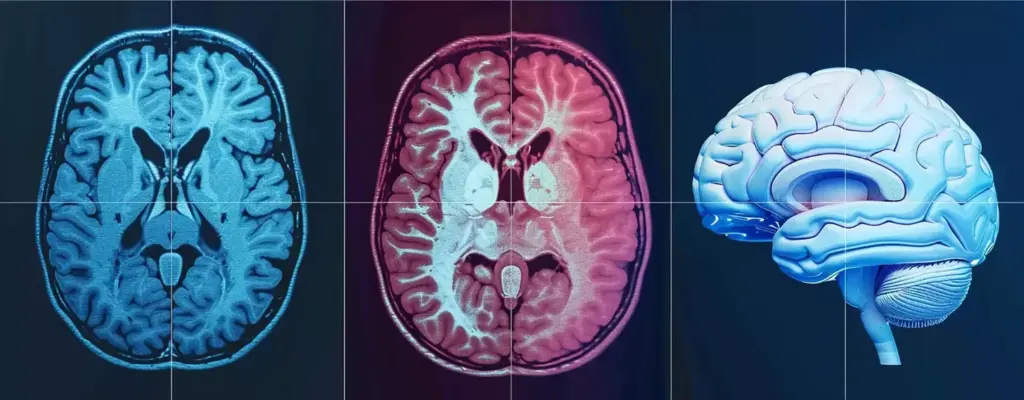
Brain tumors come in different types, including primary and secondary, benign and malignant. Each type presents unique challenges for diagnosis and treatment.
Primary vs. Secondary Brain Tumors
Primary brain tumors start in the brain itself. They can come from different cell types, like glial cells or neurons. Secondary brain tumors, or metastatic tumors, spread to the brain from other cancers.
Metastatic brain tumors are more common. They often come from lung, breast, or skin cancers.
Knowing if a tumor is primary or secondary helps doctors choose the right treatment. It also helps predict how the tumor will behave.
Benign vs. Malignant Brain Tumors
Brain tumors are also classified as benign or malignant. Benign brain tumors grow slowly and don’t spread. But, they can cause problems because of where they are and how big they get.
Malignant brain tumors grow fast and spread. They are more aggressive and harder to treat.
Glioblastoma is a common type of malignant brain tumor. It grows quickly and is hard to treat.
Common Locations of Brain Tumors
Brain tumors can happen in different parts of the brain. Where they are affects their symptoms. Common places include the cerebral hemispheres, cerebellum, and brainstem.
Tumors in some areas, like the brainstem, are hard to treat. This is because they are close to important brain parts.
The location of a tumor affects symptoms and treatment options. It also impacts how well the tumor can be treated.
What Does a Tumor in Head Feel Like: The General Experience
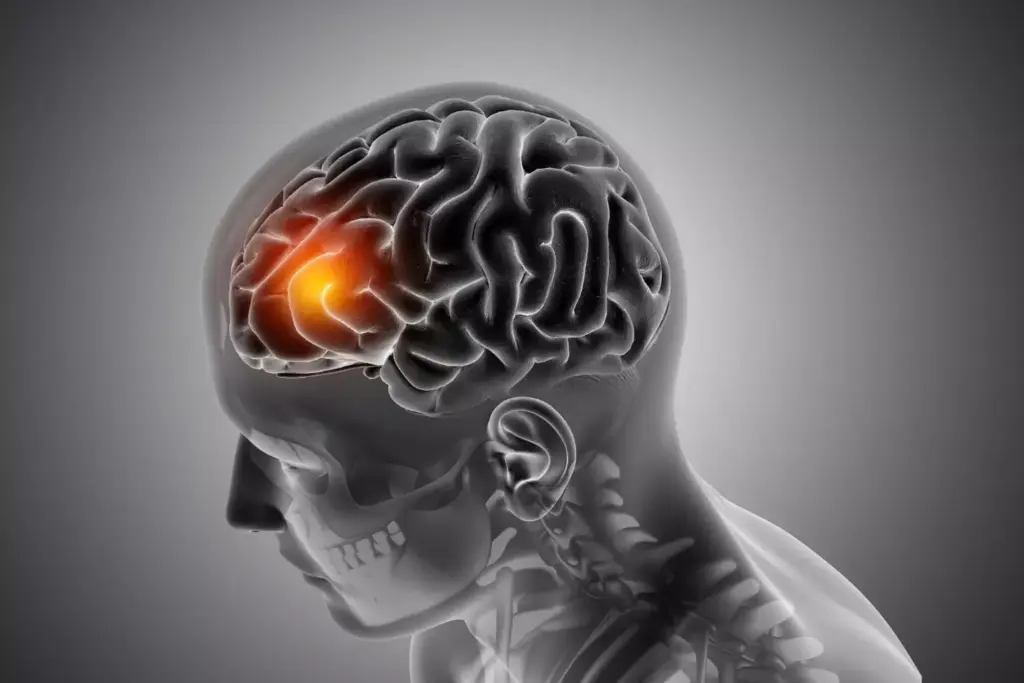
Brain tumors can cause many different physical feelings. These feelings change based on where the tumor is and how big it is. They can also change as the tumor grows or as it responds to treatment.
Physical Sensations Associated with Brain Tumors
People with brain tumors might feel headaches, nausea, vomiting, and weakness or numbness in their body. These feelings can tell us a lot about the tumor. They can help us understand if it’s there and what it’s like.
Headaches from brain tumors can be very bad and get worse over time. They often hurt more in the morning. They might also make you feel sick or want to throw up.
How Tumor Location Affects Symptoms
The place where a brain tumor is located affects its symptoms. Tumors in some areas might make you weak in one limb or make it hard to speak. Tumors in other places might cause headaches or feeling sick all over.
For example, tumors in the frontal lobe can change how you act or think. Tumors in the cerebellum can make it hard to balance or move well.
| Tumor Location | Common Symptoms |
|---|---|
| Frontal Lobe | Personality changes, cognitive difficulties |
| Cerebellum | Balance issues, coordination problems |
| Temporal Lobe | Seizures, memory issues |
The Progressive Nature of Tumor Sensations
The symptoms of brain tumors often get worse over time if not treated. This can happen as the tumor grows or puts more pressure on the skull.
It’s important to understand how symptoms can get worse. This helps doctors and patients make good choices about treatment. It also helps them see if the treatment is working.
As tumors grow, symptoms can get much worse. This shows why finding and treating tumors early is so important.
Brain Tumor Headaches: A Distinctive Pattern
Headaches from brain tumors are different from usual headaches. Knowing these differences is key to spotting serious issues early.
How Brain Tumor Headaches Differ from Regular Headaches
Brain tumor headaches are unique. They don’t go away and get worse over time. They feel like a dull, pressure-like pain, unlike migraines or tension headaches.
Doctors say these headaches don’t get better with common pain meds. “These headaches don’t usually respond well to over-the-counter pain medications,” a neurologist explains. This is a big sign to see a doctor.
Morning Headaches and Positional Changes
These headaches often get worse in the morning. This is because lying down increases pressure in the brain, making the headache worse.
Changing positions can also make the pain worse. Bending, coughing, or straining can increase pressure and make the headache more severe.
| Characteristics | Brain Tumor Headaches | Regular Headaches |
|---|---|---|
| Pain Type | Dull, pressure-like | Throbbing or sharp |
| Response to Medication | Resistant to OTC pain meds | Often relieved by OTC pain meds |
| Timing | Worse in the morning | Varies |
| Effect of Positional Changes | Worsens with bending or straining | May or may not be affected |
Resistance to Over-the-Counter Pain Medications
Brain tumor headaches don’t get better with common pain meds. Unlike usual headaches, they keep hurting even with treatment.
“The fact that a headache doesn’t respond to usual treatments is a red flag that needs to be investigated further,” says a medical expert. This resistance to conventional pain relief is a key differentiator that healthcare providers look for when diagnosing the cause of a headache.
Knowing how brain tumor headaches act can help people watch for symptoms. If you have headaches that don’t go away or are very bad, see a doctor.
Neurological Symptoms Beyond Headaches
Brain tumors can cause many symptoms beyond just headaches. These symptoms can change a person’s life a lot. They depend on where the tumor is, how big it is, and how fast it grows.
Vision Changes and Eye Pressure
Vision problems are common with brain tumors. People might see things blurry, have double vision, or miss out on what’s on the sides. “The tumor’s pressure on the optic nerve or brain can cause these vision issues,” says Dr. John Smith, a top neurosurgeon.
Eye pressure or swelling can also happen. This is because the tumor affects the tissues around it.
Balance and Coordination Issues
Balance and coordination problems can also happen. Dr. Jane Doe, a neurologist, explains, “Tumors in the cerebellum or its connections can make walking, staying balanced, or doing fine motor tasks hard.” These issues can really impact a person’s daily life and independence.
Speech and Cognitive Difficulties
Speech and thinking problems are common too. Tumors near language areas can cause trouble speaking clearly or understanding language. Cognitive issues, like memory loss or trouble focusing, can also happen. A patient shared, “I couldn’t remember simple things, like the day or what I had to do.”
It’s key for patients and doctors to know about these symptoms. Spotting how brain tumors can show up helps get help sooner. This can lead to better results for patients.
Can Brain Tumor Symptoms Come and Go?
Brain tumor symptoms can be unpredictable. This makes patients wonder if their symptoms will come and go. The reasons for this unpredictability include the tumor itself and how the body reacts to it.
The Intermittent Nature of Certain Symptoms
Some brain tumor symptoms can change, depending on the tumor’s type and where it is. For example, headaches or seizures might get worse or better. This can happen because the tumor grows or changes, or because the body tries to adapt.
Key factors influencing symptom intermittency include:
- Tumor growth rate and location
- Changes in intracranial pressure
- The body’s compensatory mechanisms
- Effectiveness of ongoing treatment
Why Symptoms May Fluctuate
Symptoms can change for many reasons. This includes changes in the tumor’s size or swelling around it. Treatment, like medication or surgery, can also make symptoms vary.
Even if symptoms seem to come and go, it doesn’t always mean the tumor is getting worse.
When Intermittent Symptoms Warrant Medical Attention
If symptoms get worse, change, or new ones appear, see a doctor. Even if symptoms seem to get better, any big change needs a doctor’s check-up.
Red flags that necessitate immediate medical evaluation include:
- Sudden worsening of symptoms
- New neurological deficits
- Changes in mental status or consciousness
Understanding brain tumor symptoms and their unpredictability helps patients and caregivers. It ensures they get the right medical care on time.
Gender Differences: Brain Tumor Symptoms in Females vs. Males
Studies show that brain tumor symptoms can differ between men and women. This could change how we diagnose and treat these conditions.
Distinct Symptom Patterns in Women
Women might show different symptoms than men. For example, they are more likely to have headaches and seizures.
Why this happens is not fully understood. Hormones might play a role. More research is needed.
Hormonal Influences on Symptom Presentation
Hormonal changes in women, like during menstruation or menopause, can affect symptoms. These changes need to be considered when diagnosing.
Estrogen levels might also influence tumor growth and symptoms. Knowing this can help us treat brain tumors better.
Diagnostic Challenges Based on Gender
These differences can make diagnosis harder. We must be aware of them to avoid mistakes.
Here’s a comparison of symptoms in men and women:
| Symptom | Frequency in Females | Frequency in Males |
|---|---|---|
| Headaches | 60% | 40% |
| Seizures | 55% | 45% |
| Vision Changes | 50% | 50% |
Understanding these differences can help us improve diagnosis and care for our patients.
Can You Physically Feel a Brain Tumor on Your Head?
Many people worry about feeling a brain tumor on their head. But, the skull’s protective nature makes it hard to detect tumors directly. The skull shields the brain, making tumors inside not easily felt.
The Skull’s Protective Role
The skull protects the brain from harm. This is vital for brain health. But, it also means tumors inside the brain are hard to feel. The skull’s density and the tumor’s deep location make it tough to feel a tumor through the skull.
External Signs That May Be Noticeable
Even though tumors can’t be felt directly, some signs might show up. These include:
- Swelling or bulging in the skull, if the tumor erodes the bone.
- Changes in the head’s shape, though this is rare.
- Skin changes or lesions if the tumor affects the outer layers of the skull or skin.
These signs are not common. They usually happen with specific tumors or in advanced cases.
When to Be Concerned About Physical Changes
Be alert to any unusual changes in your body, including your head. If you notice:
- Unexplained swelling or deformity.
- New or worsening headaches.
- Other neurological symptoms like vision changes, balance issues, or speech problems.
You should see a healthcare professional for an evaluation. These symptoms don’t always mean a brain tumor. But, they need medical attention to find out why.
Early detection and diagnosis are key for treating brain tumors. If you’re worried about physical changes or symptoms, get medical advice. It’s important.
“How I Knew I Had a Brain Tumor”: Early Warning Signs
Brain tumor symptoms can be hard to spot at first. Many people didn’t realize their symptoms were serious. We’ll look at the early signs that led to medical checks, helping you know what to watch for.
Subtle Initial Symptoms Often Overlooked
The first signs of a brain tumor can be vague. People might feel mild headaches, dizziness, or slight changes in vision. These can seem like minor issues, leading to delays in getting medical help.
For example, a headache that doesn’t go away with usual treatments might seem like stress. But if it keeps coming back or gets worse, it could mean something serious, like a brain tumor.
The “Something’s Not Right” Feeling
Many people with brain tumors felt something was off, even if they couldn’t explain it. This intuitive sense is a key sign to check further.
It’s common to feel worried about symptoms that don’t clearly point to a brain tumor. Listening to your gut and getting checked out is key for early detection.
Critical Signs That Prompted Medical Intervention
While early symptoms are subtle, some signs are clear calls for medical help. These include seizures, significant changes in cognitive function, or pronounced weakness. When these happen, it’s time to see a doctor.
Knowing these signs can help you and your family know when to get medical help. Sharing our stories can spread the word about brain tumor signs and the need for quick medical action.
Brain Tumor Survivor Stories: First Symptoms and Diagnosis
Brain tumor survivor stories share important insights. They talk about the first symptoms, the diagnostic process, and the emotional impact of getting diagnosed. These personal stories give a unique look at the challenges faced by those with brain tumors.
Personal Accounts of Initial Symptoms
Many survivors say they first noticed small symptoms that were often ignored or thought to be something else. For example, Sarah, 35, had headaches and vision problems. “I thought it was just stress or eyestrain,” she said. These symptoms got worse, leading her to see a doctor.
John, 42, had trouble with balance and coordination. His first symptom was a sudden loss of balance while walking. “It felt like I was walking on uneven ground, even on flat surfaces,” he said. Such symptoms can be scary and make people go to the doctor.
The Diagnostic Journey
The journey to get a diagnosis can be complex and different for everyone. It often includes tests like MRI and CT scans, neurological exams, and sometimes a biopsy. For Emily, 28, this journey was tough.
“I went through many tests over weeks before getting a clear diagnosis. It was a rollercoaster of emotions, from hope to despair.”
Knowing what to expect during diagnosis is important. It’s key to talk to a healthcare provider about any symptoms or worries to figure out the next steps.
Emotional Impact of Diagnosis
Getting a brain tumor diagnosis can deeply affect someone emotionally. Survivors often feel shocked, scared, and unsure about the future. Michael, 50, felt “numbness and disbelief.” Support from loved ones, friends, and doctors was key for him.
The emotional journey doesn’t stop with diagnosis. Connecting with other survivors and support groups can offer emotional support and help them through their journey.
When to Seek Medical Attention for Potential Brain Tumor Symptoms
Knowing when to see a doctor for brain tumor symptoms is key. It helps get the right treatment fast. It can be hard to know when to go, with symptoms that are not clear or come and go.
Red Flag Symptoms That Need Immediate Care
Some symptoms need you to see a doctor right away. These red flag symptoms include:
- Severe headaches that get worse or come with other brain symptoms
- Sudden vision changes, double vision, or vision loss
- Trouble speaking or understanding what others say
- Weakness or numbness in arms or legs
- Seizures, if you’re an adult and have never had one before
Discussing Symptoms with Your Doctor
Tell your doctor all about your symptoms. Keeping a symptom journal helps. It tracks when and how bad symptoms are, and what makes them better or worse. This helps your doctor understand and decide on your care.
| Symptom | Description | Factors to Note |
|---|---|---|
| Headaches | How often, how bad, where | When they happen, what triggers them, what helps |
| Vision Changes | What kind (blurry, double, lost) | How long, how often, any other symptoms |
| Speech Difficulties | What kind (slurred, hard to understand) | What triggers them, how long, how they affect daily life |
What to Expect During Initial Evaluation
Your doctor will do a detailed check of your brain and nervous system. They’ll test your reflexes, muscle strength, feeling, and balance. They might also do scans like MRI or CT to find out what’s causing your symptoms.
This might seem scary, but knowing what to expect helps. Your healthcare team is there to support you every step of the way.
Diagnostic Process: From Symptoms to Confirmation
When symptoms hint at a brain tumor, a detailed diagnostic process starts. This process is key to finding the right treatment. It includes several steps, from the first check to the final diagnosis.
Initial Screening and Neurological Examination
The journey to diagnose begins with a first check. A healthcare provider looks at the patient’s health and brain function. They take a detailed medical history and do a neurological exam to find any brain or body issues.
This exam tests:
- Coordination and balance
- Reflexes
- Muscle strength
- Sensory perception
- Cognitive function, including memory and language skills
Imaging Tests: MRI, CT Scans, and Beyond
Imaging tests are vital for finding brain tumors. MRI and CT scans are the most used. MRI shows soft tissues well, while CT scans are quick and used in emergencies.
Other tests include:
- Positron Emission Tomography (PET) scans to check tumor activity
- Functional MRI (fMRI) to see brain function
- Magnetic Resonance Spectroscopy (MRS) to study tumor chemistry
For example, an optic neuritis diagnosis might use MRI to check the optic nerve and rule out other issues.
Biopsy and Definitive Diagnosis
Even with imaging, a biopsy is often needed for a clear diagnosis. It involves removing a tumor sample for lab tests. These tests show the tumor type and how aggressive it is.
The biopsy results are key for:
- Confirming the tumor’s presence
- Finding out if it’s benign or malignant
- Knowing the tumor’s grade, which shows how aggressive it is
This info helps create a treatment plan that fits the patient’s needs.
Conclusion: Understanding and Responding to Brain Tumor Symptoms
Knowing the symptoms of brain tumors is key to getting the right treatment fast. We’ve looked at symptoms like headaches, changes in how you feel, and physical feelings. Acting quickly on these signs can really help patients.
It’s important for both patients and doctors to know about brain tumors. Spotting the signs early can lead to better treatment. At Liv Hospital, we offer top care for patients from around the world, including those with brain tumors.
Patients can help their own care by watching for symptoms and getting help when needed. We urge everyone to stay alert to their health. If you notice anything odd or keeps happening, talk to a doctor. Quick action can greatly improve treatment for brain tumors.
FAQ
What does a brain tumor headache feel like?
Brain tumor headaches are often dull, throbbing, or feel like pressure. They get worse in the morning or when you strain. They don’t usually respond to pain meds and can come with nausea, vomiting, vision changes, or other neurological issues.
Can brain tumor symptoms come and go?
Yes, brain tumor symptoms can change. They might get worse and then better. This can happen because the tumor grows or shrinks, or because of treatment.
How do I know if I have a brain tumor?
Symptoms of brain tumors vary based on the tumor’s location and size. Common signs include headaches, nausea, vomiting, vision changes, balance problems, and speech or cognitive issues. If you notice any of these, you should see a doctor.
Can you feel a brain tumor on your head?
You can’t usually feel a brain tumor on your head because of the skull. But, swelling or changes in the head’s shape might be noticeable in some cases.
Are brain tumor symptoms different in females and males?
While symptoms are similar, women might have unique signs due to hormones. This can make diagnosis harder. It’s important to consider these differences when diagnosing patients.
What are the first symptoms of a brain tumor?
Early symptoms can be subtle and often missed. But, common signs include headaches, nausea, vomiting, and neurological issues.
How are brain tumors diagnosed?
Diagnosis starts with a screening and neurological exam. Then, imaging tests like MRI and CT scans are used. A biopsy is usually needed to confirm the diagnosis.
What should I expect during the initial evaluation for a brain tumor?
Your doctor will do a neurological exam and might order imaging tests. It’s key to tell your doctor about your symptoms clearly for a thorough check-up.
Can brain tumor headaches be mistaken for regular headaches?
Yes, brain tumor headaches can be mistaken for regular headaches. But, they often have specific traits, like being worse in the morning and not responding to common pain meds.
What are the red flag symptoms that require immediate medical attention?
Red flag symptoms include severe headaches, neurological deficits, vision or speech changes, and worsening symptoms. If you have any of these, you should get medical help right away.
FAQ
What does a brain tumor headache feel like?
Brain tumor headaches are often dull, throbbing, or feel like pressure. They get worse in the morning or when you strain. They don’t usually respond to pain meds and can come with nausea, vomiting, vision changes, or other neurological issues.
Can brain tumor symptoms come and go?
Yes, brain tumor symptoms can change. They might get worse and then better. This can happen because the tumor grows or shrinks, or because of treatment.
How do I know if I have a brain tumor?
Symptoms of brain tumors vary based on the tumor’s location and size. Common signs include headaches, nausea, vomiting, vision changes, balance problems, and speech or cognitive issues. If you notice any of these, you should see a doctor.
Can you feel a brain tumor on your head?
You can’t usually feel a brain tumor on your head because of the skull. But, swelling or changes in the head’s shape might be noticeable in some cases.
Are brain tumor symptoms different in females and males?
While symptoms are similar, women might have unique signs due to hormones. This can make diagnosis harder. It’s important to consider these differences when diagnosing patients.
What are the first symptoms of a brain tumor?
Early symptoms can be subtle and often missed. But, common signs include headaches, nausea, vomiting, and neurological issues.
How are brain tumors diagnosed?
Diagnosis starts with a screening and neurological exam. Then, imaging tests like MRI and CT scans are used. A biopsy is usually needed to confirm the diagnosis.
What should I expect during the initial evaluation for a brain tumor?
Your doctor will do a neurological exam and might order imaging tests. It’s key to tell your doctor about your symptoms clearly for a thorough check-up.
Can brain tumor headaches be mistaken for regular headaches?
Yes, brain tumor headaches can be mistaken for regular headaches. But, they often have specific traits, like being worse in the morning and not responding to common pain meds.
What are the red flag symptoms that require immediate medical attention?
Red flag symptoms include severe headaches, neurological deficits, vision or speech changes, and worsening symptoms. If you have any of these, you should get medical help right away.