
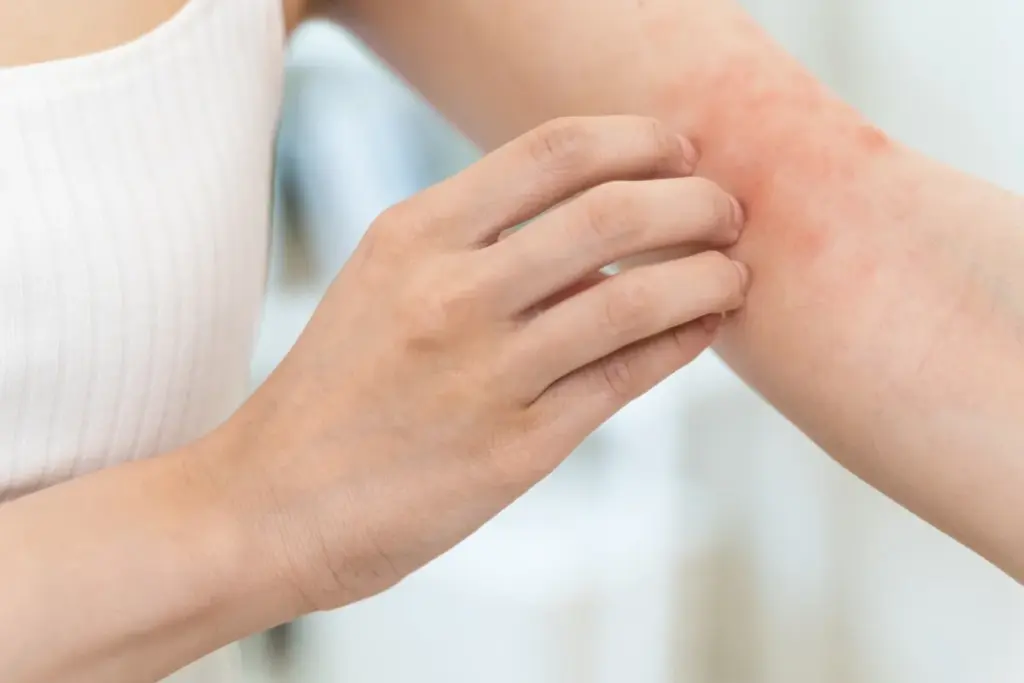
Seeing a sudden change on your body can be confusing. At Liv Hospital, we think knowing these signs is key to getting better. We teach you what an allergic reaction looks like early on.
It’s important to know these symptoms for good medical care. Our team uses new ways to diagnose to make you feel secure. We help our international guests at every step of their health journey.
We share medical knowledge to help you make smart choices about your health. Our caring approach means you get top-notch care in a friendly setting. We focus on comprehensive education to help you handle these signs well.
Key Takeaways
- Identifying visual patterns helps in choosing the right medical treatment.
- Early recognition is essential for preventing further physical discomfort.
- Symptoms can range from small red spots to raised, itchy welts.
- Environmental triggers often lead to unexpected and sudden dermatological reactions.
- Liv Hospital combines advanced medical expertise with empathetic patient care.
- Professional guidance ensures an accurate diagnosis of complex health issues.
Understanding What Allergic Reaction Rashes Look Like
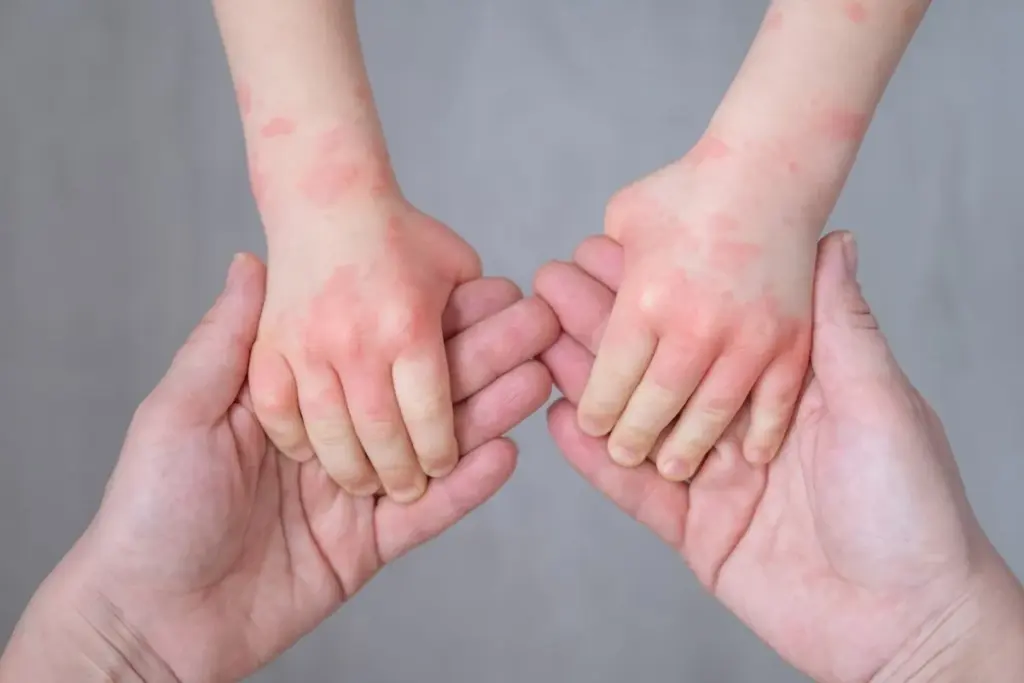
Allergic rashes come in many forms. It’s important for doctors and patients to know about them. We’ll look at what these rashes look like and the different types of reactions.
Visual Characteristics of Allergic Rashes
Allergic rashes can look different. They often show up as red, itchy, or blistering skin reactions. Doctors say, “The look of an allergic rash can tell us a lot about its cause and how to treat it.”
Medical Expert Opinion
.
Some common signs include:
- Redness and inflammation
- Itching or burning sensations
- Blisters or hives
- Dry, scaly skin
Types of Allergic Skin Reactions
There are many types of allergic skin reactions. Each has its own look. These include:
- Eczema, which is dry, itchy, and inflamed skin
- Contact dermatitis, caused by certain allergens or irritants
- Hives, which are itchy, raised welts on the skin
Knowing these differences helps doctors diagnose and treat correctly. For example, food allergic reaction rash pictures can show patterns of food allergies.
How to Distinguish Allergic Rashes from Other Skin Conditions
To tell allergic rashes from other skin issues, you need to know their looks and symptoms. Pictures of hay fever rash and ragweed rash can help spot environmental allergens.
Important things to look at include:
- The rash’s location and spread
- Other symptoms like itching or fever
- Recent contact with possible allergens or irritants
By looking at these details, doctors can accurately diagnose and treat.
Pollen Allergy Skin Rash Pictures and Environmental Allergens
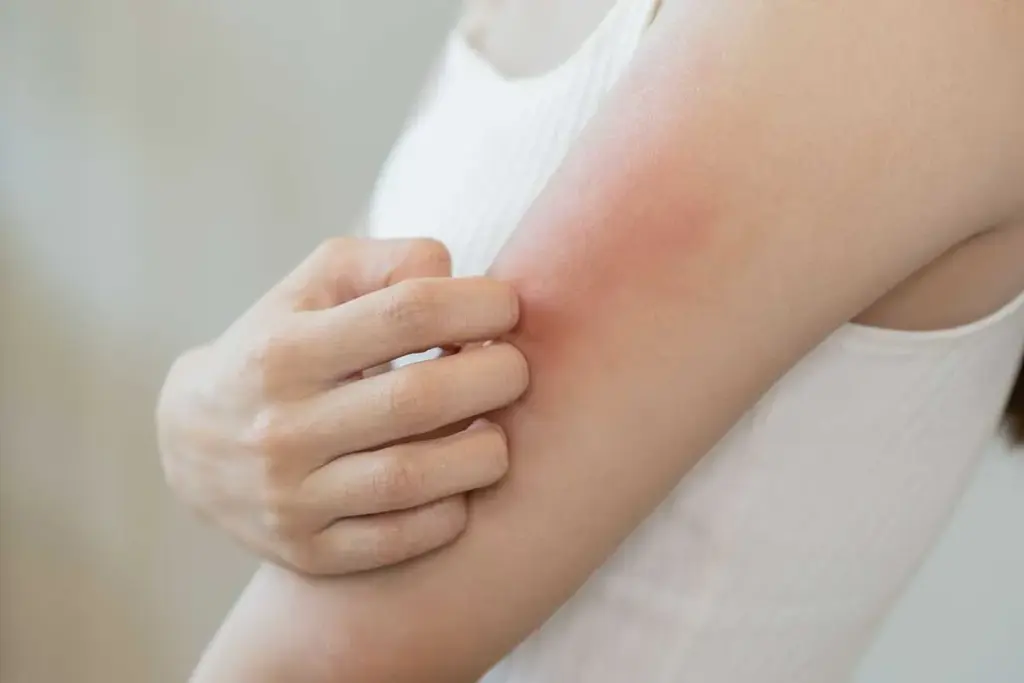
Environmental allergens like pollen from trees, grass, and ragweed often cause allergic skin reactions. These reactions can include rashes associated with hay fever. It’s important to know how these allergens affect the skin and what they look like.
Hay Fever Rash Pictures: Appearance and Location
Hay fever, or allergic rhinitis, can cause skin reactions in addition to respiratory symptoms. Hay fever rash pictures show that these rashes can appear anywhere on the body. They are more common in areas exposed to pollen, like the face, neck, and hands.
The look of a hay fever rash can vary. It might be itchy, red, and patchy. Sometimes, it can look like eczema or dermatitis. Knowing what these rashes look like and where they usually appear can help in managing them.
Ragweed Rash Pictures and Seasonal Allergies
Ragweed is a big allergen that affects many people, mainly in late summer and early fall. Ragweed rash pictures show the skin reactions it can cause, from mild irritation to severe rashes.
Seasonal allergies to ragweed can make skin conditions worse. It’s important to recognize the symptoms and take steps to prevent them. Knowing how ragweed affects the skin can help manage allergies better.
Tree and Grass Pollen Reactions on Skin
Tree and grass pollen are common environmental allergens that can cause skin reactions. These reactions can be similar to those caused by ragweed, with symptoms like itchiness, redness, and rashes.
Tree pollen is more common in spring, while grass pollen causes issues in late spring and early summer. Knowing which pollen is causing the reaction can help tailor treatment and prevention.
Can Allergies Cause a Rash: Environmental Triggers Explained
Allergies can cause a rash, and pollen is a common culprit. Understanding these triggers and how they affect the skin is key. This knowledge helps individuals minimize exposure and manage symptoms.
Effective management includes avoiding known allergens, using the right skincare products, and getting medical advice when needed. By doing these things, individuals can reduce the occurrence and severity of allergic skin reactions.
Food Allergic Reaction Rash Pictures: Visual Identification Guide
Food allergies can show up in many ways on the skin. Knowing how to spot these signs is key to figuring out what’s causing them. We’ll look at the typical signs of rashes from different foods. This guide will help you understand and spot possible food allergies.
Common Food Allergy Rash Patterns
Food allergy rashes can look like hives (urticaria), eczema (atopic dermatitis), or contact dermatitis. These happen when your body reacts to a food allergen. It releases chemicals that make your skin react.
Signs include redness, itching, swelling, and blisters. How these look and how bad they are can vary. It depends on the person and the allergen.
Vegetable and Grain Allergen Rashes
Some veggies and grains can cause allergic reactions. For example, garlic allergy might lead to red, itchy patches. An allergy to corn can cause hives or eczema.
| Allergen | Common Rash Characteristics |
| Garlic | Red, itchy patches |
| Corn | Hives, eczema |
| Wheat | Eczema, dermatitis |
Fruit and Citrus Allergy Skin Reactions
Fruits and citrus can also cause allergic reactions. For example, a citrus allergy might lead to mild irritation or severe dermatitis. The rash might look like red, blistering patches, mainly where the skin touches the fruit.
Sweet and Indulgent Food Allergens
Some people react to sweet or indulgent foods like chocolate or honey. These reactions can be hives, itching, or swelling. Sometimes, it’s not the food itself but something in it that causes the reaction.
| Food | Common Symptoms |
| Chocolate | Hives, itching |
| Honey | Swelling, dermatitis |
| Wine | Hives, flushing |
Conclusion: Recognizing Rashes and Seeking Expert Care
It’s important to know the signs of an allergic rash to manage it well. We’ve looked at different types of rashes caused by pollen, food, and more. Understanding these rashes and when to see a doctor is key.
Allergic rashes can look different based on the cause. For example, a soy allergy rash has its own pattern. Knowing what causes a rash is essential for the right treatment.
At Liv Hospital, we offer help and education for those with allergic skin issues. Our team makes sure patients get the right diagnosis and treatment. This helps them manage their allergies better.
Getting expert care helps people understand their allergies better. They can learn how to avoid allergens and prevent severe reactions. We aim to provide top-notch healthcare and support for patients from around the world.
FAQ
What does an allergic reaction rash look like in its early stages?
Early allergic rashes often appear as small, red, raised bumps or patches that may itch or feel warm. They can spread quickly or stay localized depending on the trigger.
Can allergies cause a rash even if I have no respiratory symptoms?
Yes, skin reactions like hives or eczema flares can occur without any nasal congestion, sneezing, or wheezing. Some people only experience cutaneous symptoms.
How can I identify a reaction to seasonal triggers like ragweed?
Seasonal allergy rashes may appear as itchy, red patches or hives after outdoor exposure. They often coincide with pollen-heavy seasons and may flare on exposed skin.
What should I look for if I suspect a grain or vegetable allergy?
Look for localized redness, swelling, or small hives around the mouth, hands, or arms after eating the suspected food. Digestive symptoms may accompany the skin reaction.
Are there specific visual markers for fruit or citrus allergies?
Reactions often cause redness, swelling, or small bumps around the lips, mouth, or face. Sometimes a rash spreads to hands or other areas after handling the fruit.
Can sweets like chocolate or honey cause visible skin reactions?
Yes, some people develop hives, redness, or eczema flares after consuming certain sweets. Reactions vary depending on ingredients and individual sensitivities.
How does a wine allergy manifest on the skin compared to food poisoning?
Wine allergies may trigger hives, flushing, or redness soon after consumption, while food poisoning usually causes gastrointestinal symptoms with minimal skin involvement.
Where can I find visual guides for pollen-related skin issues?
Reliable medical websites, dermatology textbooks, and allergy clinic resources provide images showing hives, rashes, and other cutaneous reactions to pollen.
References
National Center for Biotechnology Information. Evidence-Based Medical Insight. Retrieved from https://pubmed.ncbi.nlm.nih.gov/29372540/)



 Departments
 Related Videos
 Our Doctors
 News
News