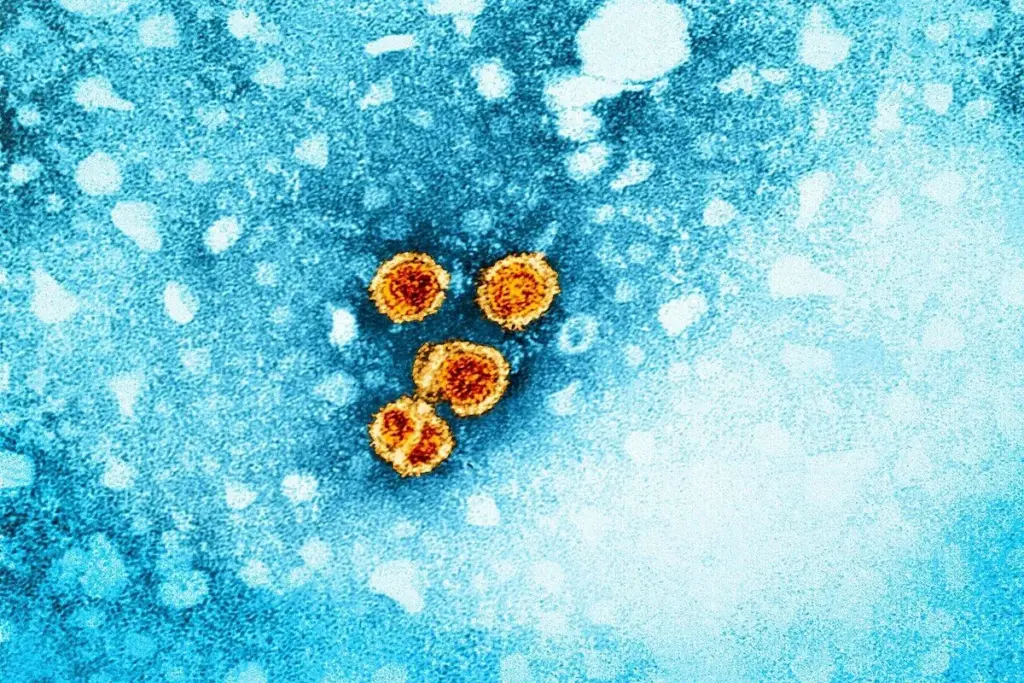
Knowing your hepatitis B surface antibody (HBsAb) test results is key. It shows if you’re safe from hepatitis B virus. A reactive HBsAb result means your body has made good antibodies. This could be from a vaccine or getting over the virus.
At Liv Hospital, we make sure you understand your test results. Our doctors are here to help you know your immune status. They guide you on how to stay healthy.
A reactive result is good news. It means you’re safe from hepatitis B and can’t spread it. This is great for those who’ve been vaccinated or have already had the virus.
Key Takeaways
- A reactive HBsAb test result indicates immunity to hepatitis B.
- You are protected against hepatitis B if your test result is reactive.
- A reactive result means you cannot transmit the virus to others.
- Understanding your HBsAb test results is key for knowing your immune status.
- Liv Hospital’s medical professionals are dedicated to providing clear and accurate interpretation of your test results.
Understanding Hepatitis B Surface Antibody
Hepatitis B surface antibody, or HBsAb, is a protein our immune system makes when we get the hepatitis B vaccine or get infected. It’s key in fighting off the hepatitis B virus (HBV).
HBsAb production happens when we’re exposed to the hepatitis B surface antigen (HBsAg). This is part of the virus. Our immune system makes HBsAb to fight the virus when we get infected or vaccinated.
What is HBsAb and How It’s Produced
HBsAb shows we’re immune to hepatitis B. When we get the hepatitis B vaccine, our body makes HBsAb. This is called active immunization. If we get better from hepatitis B, we keep making HBsAb, giving us long-term protection.
For more info on hepatitis B blood tests, like HBsAb, check out this fact sheet.
The Difference Between HBsAb, HBsAg, and HBcAb
It’s important to know the difference between HBsAb, HBsAg, and hepatitis B core antibody (HBcAb). Each has a unique role in diagnosing and managing hepatitis B.
| Marker | Description | Implication |
| HBsAb | Hepatitis B surface antibody | Shows we’re immune to hepatitis B, from vaccine or past infection |
| HBsAg | Hepatitis B surface antigen | Means we have an active hepatitis B infection |
| HBcAb | Hepatitis B core antibody | Shows we’ve been exposed to HBV, past or present; IgM and IgG types |
Knowing the differences between these markers is key for correct diagnosis and treatment. HBsAb means we’re immune, but HBsAg shows we’re infected. HBcAb means we’ve been exposed to HBV at some time.
Interpreting Hepatitis B Surface Ab Low Results
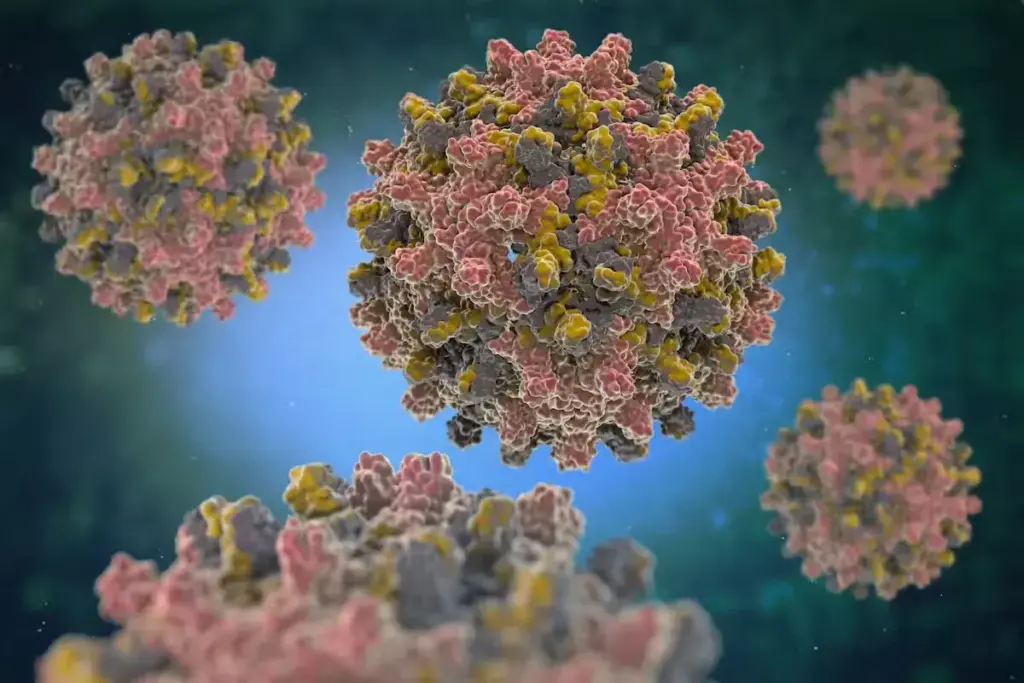
Understanding your Hepatitis B Surface Antibody (HBsAb) test results is key to knowing if you’re protected against hepatitis B. Your test results might show if you’re reactive or non-reactive. They might also include specific numbers.
What a Reactive Result Means
A reactive HBsAb test result means you’re safe from hepatitis B. This safety comes from either a vaccine or a past infection. It’s a good sign that your body has the antibodies needed to fight the virus.
What a Non-Reactive Result Indicates
A non-reactive result, on the other hand, means you’re not safe from hepatitis B. This could be because you’ve never been vaccinated or haven’t built enough antibodies. It shows you might be at risk of getting hepatitis B.
Numerical Values and Their Clinical Significance
Some tests also give you a number. This number shows how much antibody is in your blood. A higher number means you’re more protected. For example, a level over 10 mIU/mL is usually safe. But, the exact safe number can change based on the lab and test.
Remember, your immunity can fade over time, even if you were vaccinated long ago. If your immunity has dropped, even a past reactive result might not protect you now.
Your doctor will look at your test results and your health history. If your results show low or no immunity, they might suggest a vaccine or booster shot. This is to help protect you from hepatitis B.
Sources of HBsAb Immunity and Long-Term Health
There are two main ways to get HBsAb immunity: through vaccination or recovering from hepatitis B infection. Knowing these sources is key to understanding long-term health and if booster shots are needed.
Immunity Through Vaccination
The hepatitis B vaccine is safe and works well for all ages. Most healthy adults get strong immunity after the first series. It helps the body make HBsAb, fighting off the hepatitis B virus.
Vaccination is the best way to get immunity, mainly for those at high risk like healthcare workers. The Centers for Disease Control and Prevention (CDC) suggest a hepatitis B vaccine series for all infants at birth and for those at risk.
Immunity Through Recovery from Infection
Getting hepatitis B naturally also leads to HBsAb and immunity. But, it comes with big risks like liver inflammation and chronic infection. People who get better from acute hepatitis B usually stay immune for a long time.
Even though natural infection can give immunity, it’s not the best choice because of the health dangers. Vaccination is safer and better for getting HBsAb immunity.
Duration of Immunity and Booster Recommendations
How long HBsAb immunity lasts depends on how you got it. Vaccinated people stay immune for at least 30 years. Those who got better from infection usually stay immune for a long time.
| Characteristic | Immunity Through Vaccination | Immunity Through Recovery |
| Duration of Immunity | At least 30 years | Long-term, potentially lifelong |
| Method of Achieving Immunity | Vaccine administration | Natural infection and recovery |
| Associated Risks | Minimal, related to vaccine side effects | Significant, including liver inflammation and chronic hepatitis B |
Most people who got the full hepatitis B vaccine series don’t need booster shots. But, some like those with weakened immune systems might need them to keep their antibodies up.
Conclusion: Protecting Your Health Through Proper Testing
Knowing your hepatitis B surface antibody (HBsAb) status is key. It shows if you’re protected against hepatitis B. If your HBsAb is reactive, you’re safe. But if it’s not, you might need a vaccine or more tests.
Testing and understanding HBsAb results are important. They help stop hepatitis B. The Centers for Disease Control and Prevention say a reactive HBsAb means you’re safe. This is true if you’ve been vaccinated or had hepatitis B before.
To keep safe, know your HBsAb status and make smart choices. If your HBsAb is low, you might need a booster shot. By focusing on testing and staying informed, you can protect yourself from hepatitis B.
FAQ
What does a reactive hepatitis B surface antibody (HBsAb) test result mean?
A reactive HBsAb test result means you have immunity to hepatitis B. This immunity comes from vaccination or past infection.
How is HBsAb produced in the body?
HBsAb is made by the immune system. It’s made in response to the hepatitis B virus. This happens after vaccination or during recovery from an infection.
What is the difference between HBsAb, HBsAg, and HBcAb?
HBsAb shows you have immunity. HBsAg shows you’re currently infected. HBcAb shows past or current infection. These tests help understand your hepatitis B status.
What does a low HBsAb result mean?
A low HBsAb result might mean your immunity is fading. You might need a booster shot to keep protected against hepatitis B.
Can hepatitis B turn into cancer?
Yes, chronic hepatitis B infection can lead to liver cancer. It’s why testing and managing it properly is so important.
How effective is the hepatitis B vaccine in providing immunity?
The hepatitis B vaccine works very well to give immunity. It’s recommended for those at risk of infection.
How long does immunity from hepatitis B vaccination last?
Immunity from the hepatitis B vaccine can last for many years. Sometimes, booster shots are needed to keep the protection going.
Can I get infected with hepatitis B even if I’ve been vaccinated?
While the vaccine is very effective, there’s a small chance of getting infected. It’s why testing and follow-up are key.
What are the risks associated with natural hepatitis B infection?
Natural hepatitis B infection can lead to chronic infection, liver damage, and liver cancer. Vaccination and proper management are vital to avoid these risks.
References:
Hepatitis B. In StatPearls (Internet). StatPearls Publishing. https://www.ncbi.nlm.nih.gov/books/NBK555945