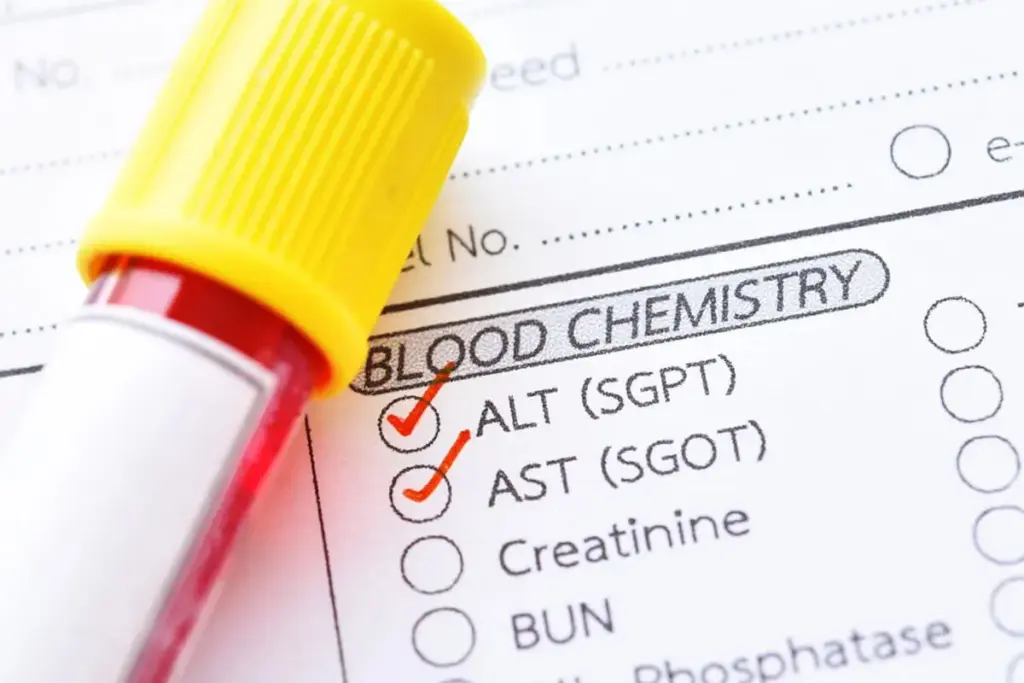
Getting abnormal blood test results can worry you. If your test shows high SGPT ALT levels, it might mean your liver is damaged or diseased. At Liv Hospital, we use the latest methods to check your liver’s health.
Knowing about your liver health is key. An ALT blood test checks your blood for ALT to see how your liver is doing. We’ll look into what high SGPT ALT means, why it happens, and how to handle it.
Key Takeaways
- High SGPT ALT levels may indicate liver damage or disease.
- ALT blood tests are used to assess liver health.
- Comprehensive liver function assessment involves more than just blood tests.
- Liv Hospital provides up-to-date medical protocols for liver assessment.
- Understanding your liver health is important for making informed choices.
Understanding SGPT/ALT in Liver Function

SGPT/ALT is an enzyme mainly found in the liver. Its levels in the blood tell us a lot about liver health. When liver cells get damaged, ALT is released into the blood, causing levels to rise. Knowing how ALT works in the liver is key to understanding blood test results.
What is SGPT/ALT and Its Role in the Body
ALT, or alanine aminotransferase, is vital for the liver. It helps the liver break down proteins and turn food into energy. ALT is mostly in liver cells but also in some kidney, heart, and muscle cells. When these cells get hurt, ALT gets into the blood, showing liver damage.
We look at ALT levels to check liver health because high levels mean liver cell damage. This damage can happen for many reasons, like hepatitis, fatty liver disease, or cirrhosis. By checking ALT levels, doctors can see how the liver is doing and if more tests or treatment are needed.
Normal ALT Ranges in Blood Tests
Normal ALT ranges are usually between 7 to 56 units per liter. But, these numbers can change based on the lab doing the test. It’s important to know that what’s normal for one lab might not be for another.
Doctors look at ALT results with other liver tests and the patient’s overall health. A little bit higher ALT might not mean a big problem. But, very high levels could show a serious liver issue.
Talking to your doctor about your ALT results is very important. This way, you can understand what it means for your health. You’ll know how to take care of your liver better.
High SGPT ALT Levels in Blood: Causes and Significance

ALT, or alanine transaminase, is mainly found in the liver. High levels can mean liver damage or other health problems. At Liv Hospital, we focus on finding the cause of high ALT levels to treat it right.
Liver-Related Conditions
Liver issues are a big worry when ALT levels go up. These can be hepatitis, fatty liver disease, or cirrhosis. Hepatitis is liver inflammation from viruses, alcohol, or other causes.
Fatty liver disease happens when fat builds up in liver cells, leading to damage. Cirrhosis is scarring from long-term liver damage.
A study in the Journal of Clinical Gastroenterology says high ALT levels often mean liver disease. They suggest checking for liver problems when ALT is high.
| Liver Condition | Description | Potential Causes |
| Hepatitis | Inflammation of the liver | Viruses, alcohol, autoimmune disorders |
| Fatty Liver Disease | Buildup of fat in liver cells | Obesity, diabetes, high cholesterol |
| Cirrhosis | Scarring of the liver | Long-term liver damage, alcohol abuse, hepatitis |
Non-Liver Causes of Elevated ALT
High ALT levels can also come from non-liver sources. Muscle damage or heart disease can cause this. Muscle issues from exercise or disorders can release ALT into the blood.
Heart disease, which reduces blood flow to the liver, can also raise ALT levels.
Medications and Substances That Affect ALT Levels
Some medicines and substances can change ALT levels. This includes statins, antibiotics, and NSAIDs. Drinking alcohol is also a big factor in high ALT levels.
Telling your doctor about any medicines or substances you use is key to understanding your ALT test results.
“Understanding the impact of medications and lifestyle factors on ALT levels is critical for accurate diagnosis and treatment planning.”
At Liv Hospital, we do detailed tests to find out why ALT levels are high. We then create a treatment plan just for you. Our team works with you to meet your health needs and offer the best care.
Interpreting and Responding to Elevated ALT Results
High ALT levels in your bloodwork can be worrying. But it’s a key step to tackle liver problems. At Liv Hospital, we help our patients understand their test results and what to do next.
What Different ALT Elevations May Indicate
ALT elevations can point to various liver issues. Mild elevations might show early liver disease or non-alcoholic fatty liver disease (NAFLD). Higher levels could mean acute hepatitis or serious liver problems.
The level of ALT elevation is key to finding the cause. For example:
- Mild ALT elevation (1-2 times normal): May show early liver disease or NAFLD.
- Moderate ALT elevation (2-5 times normal): Could mean chronic hepatitis or advanced liver disease.
- Severe ALT elevation (more than 5 times normal): Often points to acute hepatitis, drug-induced liver injury, or serious conditions.
ALT in Comprehensive Metabolic Panel
ALT is part of a routine blood test called a CMP. A CMP checks liver health and other metabolic functions. It’s important to understand ALT results in the context of a CMP for a full health picture.
In a CMP, ALT results are looked at with other liver enzymes like AST and ALP. This helps doctors spot liver problems early.
Follow-up Tests and Diagnostic Procedures
If your ALT levels are high, more tests and procedures might be needed. These could include:
- More blood tests to check liver enzymes or functions.
- Imaging tests like ultrasound or CT scans to see the liver.
- Liver biopsy in some cases to directly check liver damage.
When to Consult a Healthcare Provider
Talking to a healthcare provider is key to understand your test results and plan next steps. At Liv Hospital, we support our patients in managing their liver health.
“Understanding your ALT results is the first step towards maintaining a healthy liver. Our team is here to guide you through every step of the process.”
If you’re worried about your ALT levels or have questions, contact a healthcare professional. Early action can greatly improve liver health.
Conclusion
Knowing what high SGPT ALT means in your blood test is key to good liver health. High ALT levels might show liver damage or disease. Finding out why is important for treatment.
We teach our patients about their liver health. We stress the need to see a doctor when necessary.
A blood test for ALT is part of a big health check. It helps check liver function and spot problems early. If you worry about your ALT levels or liver health, talk to doctors who know a lot.
At Liv Hospital, we aim to give our patients the best care. We help them understand high SGPT ALT and how to keep their liver healthy. This includes regular health checks and a healthy lifestyle.
FAQ
What is ALT, and what does it measure in the blood?
ALT, or alanine aminotransferase, is an enzyme that helps the liver turn food into energy. It’s mainly found in liver cells. When these cells get damaged, ALT gets released into the blood, causing levels to rise.
What are normal ALT ranges in blood tests?
Normal ALT levels are between 7 to 56 units per liter. But, this can slightly vary based on the lab doing the test.
What does high SGPT ALT mean in a blood test?
High SGPT ALT levels in your blood test might show liver damage or disease. It can happen due to liver issues, other health problems, or some medicines or substances.
What are the causes of elevated ALT levels?
High ALT levels can be from liver problems like hepatitis, fatty liver disease, or cirrhosis. They can also come from muscle damage, heart disease, or certain medicines and substances.
How is the underlying cause of high ALT levels diagnosed?
At Liv Hospital, we do a detailed check to find out why your ALT levels are high. Then, we create a treatment plan just for you.
What does it mean if ALT is included in a metabolic panel?
ALT is often in a metabolic panel to check liver health. If your ALT is high, more tests and checks might be needed to find the cause.
When should I consult a healthcare provider about my ALT levels?
You should talk to a healthcare provider about your ALT levels and test results. They can help you understand what they mean and how to handle them. If you’re worried about your liver health, our experts are here to help.
What is the significance of identifying the underlying cause of high ALT levels?
Finding out why your ALT levels are high is key to treating it right. It helps keep your liver healthy and working well.
How can I manage my liver health effectively?
At Liv Hospital, we’re here to support you in taking care of your liver. We encourage you to talk to our healthcare team to make a plan that’s right for you.
References:
National Center for Biotechnology Information. Evidence-Based Medical Guidance. Retrieved from https://pubmed.ncbi.nlm.nih.gov/27995970/