Orthopedics is a medical field that deals with the musculoskeletal system. This system includes muscles, bones, joints, ligaments, and tendons. These parts are key for movement and daily life.
At Liv Hospital, we know how vital orthopedic care is for health. Our team of experts is here to give top-notch healthcare. We make sure our patients get the best care for their orthopedic needs.
Key Takeaways
- Orthopedics is a medical specialty focused on musculoskeletal health.
- It involves diagnosis, treatment, prevention, and rehabilitation of musculoskeletal disorders.
- Liv Hospital offers comprehensive orthopedic care with a patient-centered approach.
- Our team of orthopedic specialists is committed to delivering high-quality treatment.
- Orthopedic care is essential for maintaining mobility and overall well-being.
The Origin and Etymology of Orthopedics
The word “orthopedic” comes from Greek roots that are key to its meaning today. Knowing where “orthopedic” comes from helps us see how it has changed over time.
Greek Roots: “To Straighten Children”
The term “orthopedic” comes from “orthos,” meaning straight, and “paideia,” meaning the care of children. At first, orthopedics was about fixing skeletal problems in kids. This history is important for understanding what definition orthopedic means and how it’s used in medicine.
Evolution of the Term Throughout Medical History
As medicine grew, orthopedics moved beyond just kids. It now treats many musculoskeletal issues in adults. Today, orthopedics covers a wide range of skeletal and related problems. This shows how the orthopedics meaning has grown to include more treatments.
Historical Milestones in Orthopedic Medicine
Big steps in orthopedic medicine include new surgery methods and prosthetic joints. These changes have made treatments better for many musculoskeletal problems. By knowing what is orthopedics meaning today, we see how complex and wide-ranging orthopedic care is.
Orthopedic surgery has grown into a detailed field. It deals with everything from sports injuries to joint diseases. The field keeps getting better with new research and technology, helping patients live better lives.
What Does Orthopedic Mean? A Comprehensive Definition
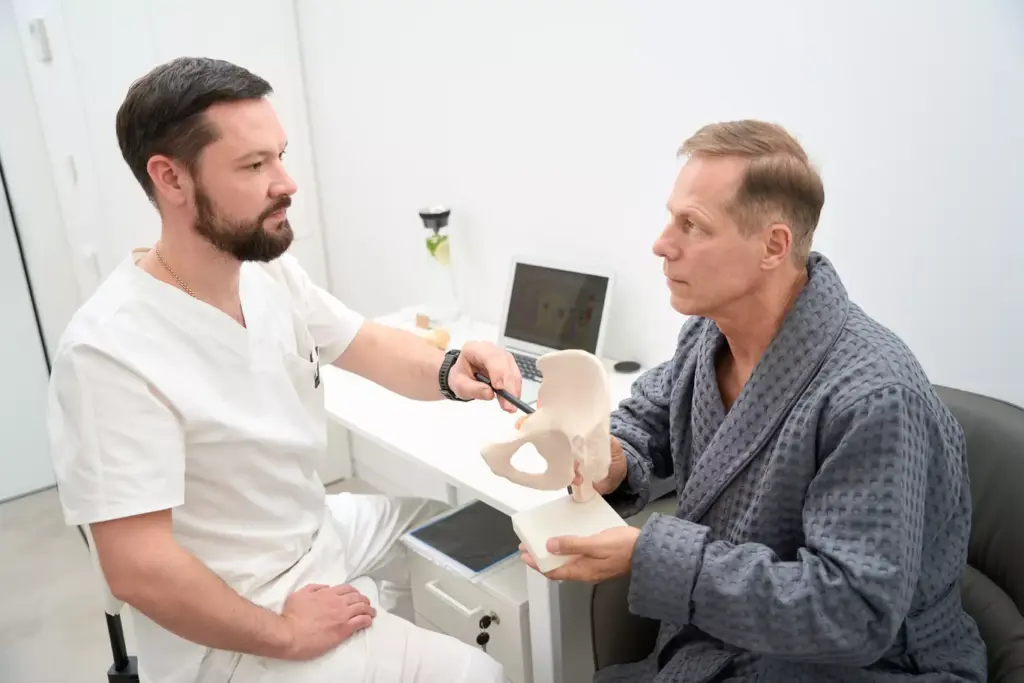
Orthopedic is more than just a word. It’s a detailed way to treat many bone and muscle problems. Orthopedics is a part of medicine that focuses on fixing and preventing issues with the body’s musculoskeletal system.
The musculoskeletal system includes bones, joints, muscles, and soft tissues. These parts are key for moving and doing everyday tasks. So, orthopedics covers a lot, from broken bones and arthritis to sports injuries and birth defects.
Modern Medical Definition
Today, orthopedics uses both surgery and non-surgery methods to treat musculoskeletal problems. Orthopedists, or orthopedic surgeons, use medicines, physical therapy, and surgery to help patients. They aim to fix issues with the musculoskeletal system.
Key aspects of orthopedic care include:
- Diagnosing musculoskeletal conditions
- Planning treatments, which can be non-surgical or surgical
- Rehabilitation to help patients move better
Orthopedics vs. Orthopaedics: Spelling Variations
Many people get confused about the spelling of “orthopedics” and “orthopaedics.” Both words mean the same thing, but it depends on where you are. In the UK, people use “orthopaedics,” while in the US, it’s “orthopedics.”
Meaning of Orthopedic in English Medical Terminology
In English, “orthopedic” means anything related to treating musculoskeletal problems. This includes treatments for kids and adults, and even for cancer in the bones.
| Term | Definition |
|---|---|
| Orthopedics | Branch of medicine dealing with musculoskeletal disorders |
| Orthopedist | A medical specialist trained in orthopedics |
| Musculoskeletal | Relating to muscles and the skeleton |
Knowing what “orthopedic” means helps patients understand their treatment options. It helps them find the right care for their musculoskeletal issues.
The Scope of Orthopedic Medicine
Orthopedic medicine covers a wide range of conditions. It deals with the musculoskeletal system, including bones, joints, muscles, and soft tissues. This field helps diagnose, treat, and prevent disorders and injuries.
Anatomical Systems Covered
Orthopedics treats many musculoskeletal issues. We focus on bones, joints, muscles, and soft tissues. Here are some examples:
- Bones and Joints: Fractures, osteoporosis, and arthritis.
- Muscles and Tendons: Strains, tendonitis, and muscle tears.
- Ligaments: Sprains and ligament tears.
Understanding different types of oncology helps us see how orthopedics tackles health issues. For more, check out articles on different types of oncology.
Common Conditions Treated
Orthopedists handle many musculoskeletal problems. Here are some examples:
- Joint pain from arthritis
- Bone fractures and osteoporosis
- Soft tissue injuries, such as strains and sprains
- Sports injuries, including tendonitis and ligament tears
- Congenital disorders affecting the musculoskeletal system
We offer a wide range of care. This includes physical therapy, medication, and surgery when needed. Our aim is to improve function, reduce pain, and enhance life quality for our patients.
Orthopedic Specialists and Their Training
Orthopedic specialists get a lot of education and training. They learn to handle musculoskeletal conditions. Their journey is tough, needing both book smarts and hands-on skills.
Education and Certification Requirements
To be an orthopedic surgeon, one must first get a college degree. Then, they go to medical school and do 5 years of orthopedic residency. This training helps them treat many musculoskeletal problems.
Getting certified involves passing a tough exam by the American Board of Orthopaedic Surgery (ABOS). To keep their certification, they must keep learning and follow professional rules.
Types of Orthopedic Practitioners
There are different kinds of orthopedic doctors:
- Orthopedic surgeons: They do surgery for musculoskeletal issues.
- Orthopedic physicians: They treat without surgery, using other methods.
- Orthopedic specialists in sports medicine: They deal with sports injuries.
The Multidisciplinary Orthopedic Team
Orthopedic care often involves a team of experts. This team includes:
- Orthopedic surgeons and physicians
- Physical therapists and rehabilitation specialists
- Nurses and nurse practitioners
- Pain management specialists
This team works together to give patients the best care. They help from the start to the end of treatment. This teamwork leads to better patient outcomes and a better life for those with musculoskeletal issues.
Looking into orthopedics, we see how important specialists are. Their training and skills are key to top-notch care.
Orthopedic Specialties and Subspecialties
Exploring the definition of orthopaedic shows that specialists often focus on specific areas. This helps them tackle complex musculoskeletal issues more effectively.
Orthopedic medicine covers a wide range. Specialists focus on different parts of the musculoskeletal system. This focus leads to better treatment for patients with unique conditions.
Major Areas of Specialization
Orthopedic specialists can specialize in many areas. Here are some examples:
- Sports Medicine: Deals with injuries from sports and exercise.
- Orthopedic Oncology: Handles musculoskeletal tumors.
- Hand and Upper Extremity: Focuses on the hand, wrist, and arm.
- Foot and Ankle: Specializes in foot and ankle disorders and injuries.
- Pediatric Orthopedics: Deals with musculoskeletal issues in children.
- Spine Surgery: Treats spine-related conditions.
- Trauma Surgery: Handles musculoskeletal injuries from trauma.
- Joint Replacement Surgery: Replaces damaged joints with artificial ones.
These specializations help orthopedic practitioners offer targeted care. This improves patient results.
Emerging Subspecialties in Orthopedics
Orthopedics is always changing, with new subspecialties popping up. Some of these include:
- Regenerative Orthopedics: Uses regenerative medicine for musculoskeletal issues.
- Orthopedic Rheumatology: Focuses on musculoskeletal aspects of rheumatic diseases.
- Minimally Invasive Orthopedic Surgery: Uses advanced techniques for less recovery time and less surgical impact.
These new subspecialties show how orthopedic medicine keeps up with new tech and treatments.
Knowing about orthopedic specialties and subspecialties helps patients. It makes it easier to find the right care for their needs.
Diagnostic Methods in Orthopedics
Diagnosing orthopedic conditions requires a mix of clinical checks and advanced technology. This approach is key to creating effective treatment plans. It helps tackle the root causes of musculoskeletal issues.
Physical Examination Techniques
A detailed physical exam is the first step in diagnosing orthopedic issues. We use different methods to check joint mobility, muscle strength, and pain levels. These steps help us pinpoint the problems and guide further tests.
Some common physical exam techniques include:
- Inspecting the affected area for signs of swelling, deformity, or bruising
- Assessing range of motion and joint stability
- Testing muscle strength and reflexes
- Palpating to identify areas of tenderness
Imaging and Laboratory Tests
Imaging studies and lab tests are essential for confirming diagnoses and ruling out other conditions. Common imaging tools in orthopedics include:
| Imaging Modality | Description | Common Uses |
|---|---|---|
| X-rays | Radiographic images showing bone structures | Fractures, bone alignment, degenerative changes |
| CT Scans | Cross-sectional images providing detailed bone anatomy | Complex fractures, spinal disorders, bone tumors |
| MRI Scans | Detailed images of soft tissues, including muscles, tendons, and ligaments | Tendon and ligament injuries, soft tissue tumors, spinal disc disorders |
Laboratory tests, like blood work and joint fluid analysis, help spot inflammatory conditions, infections, and other systemic issues. These can affect orthopedic symptoms.
Advanced Diagnostic Technologies
New medical technologies have brought sophisticated diagnostic tools. These tools help us diagnose complex orthopedic conditions better. Some examples include:
- 3D Imaging: Provides detailed three-dimensional reconstructions of bones and soft tissues
- Diagnostic Ultrasound: Allows real-time visualization of musculoskeletal structures
- Electromyography (EMG): Assesses the electrical activity of muscles to diagnose neuromuscular disorders
By using these diagnostic methods together, we can accurately diagnose orthopedic conditions. This allows us to create targeted treatment plans. It ensures the best outcomes for those seeking orthopedic care.
Surgical Approaches in Orthopedic Treatment
Orthopedic treatment often includes surgery, which has changed a lot over time. We, as orthopedic specialists, keep learning and improving to help our patients the best we can. There are many surgical methods, from old-fashioned open surgeries to new, advanced ones like robotic-assisted procedures.
Traditional Open Surgeries
For a long time, open surgeries have been key in orthopedic care. These surgeries need a big cut to reach the problem area. Even though they’re more invasive, better techniques and care after surgery have made them more effective. Examples include putting in new joints and fixing broken bones.
Minimally Invasive Procedures
Minimally invasive surgeries are becoming more popular. They cause less damage, hurt less, and help patients recover faster. With tools like arthroscopy, doctors can do operations through tiny cuts. This method is great for checking and fixing joint problems.
Robotic and Computer-Assisted Surgeries
Robotic and computer-assisted surgeries have changed orthopedic surgery a lot. These technologies help with precision, better alignment, and better results in complex surgeries like joint replacements. They allow for detailed planning before surgery, which can lead to fewer problems and happier patients.
Post-Surgical Recovery and Rehabilitation
Recovering and rehabbing after surgery are very important in orthopedic care. A good rehab plan helps patients get strong, move well, and function well again. We work with physical therapists and other experts to make rehab plans that fit each patient’s needs, helping them get back to their daily lives.
The table below shows the main points of different surgical methods in orthopedic treatment:
| Surgical Approach | Key Characteristics | Common Applications |
|---|---|---|
| Traditional Open Surgeries | Large incision, direct access | Joint replacements, fracture repairs |
| Minimally Invasive Procedures | Small incisions, less tissue damage | Arthroscopy, joint diagnostics |
| Robotic and Computer-Assisted Surgeries | Enhanced precision, improved alignment | Complex joint replacements |
Knowing about the different surgical methods in orthopedic treatment helps patients make better choices about their care. As we keep improving, we’re dedicated to giving our patients the best care and support.
Non-Surgical Orthopedic Treatments
Non-surgical treatments are key in orthopedic care. They offer many options to manage musculoskeletal conditions. These treatments help manage pain and improve function, often used alone or with surgery.
Physical Therapy and Rehabilitation
Physical therapy is a mainstay in non-surgical orthopedic care. It includes exercises, manual therapy, and education on posture and movement. “Physical therapy can significantly reduce pain and improve mobility in patients with musculoskeletal conditions,” says a leading orthopedic specialist.
Our physical therapists create personalized treatment plans. They focus on restoring function and strength. These plans may include:
- Targeted exercises to improve flexibility and strength
- Manual therapy techniques such as massage and joint mobilization
- Modalities like heat, cold, and electrical stimulation to reduce pain and inflammation
Medications and Injections
Medications and injections are vital in non-surgical orthopedic care. Over-the-counter pain relievers and anti-inflammatory medications help manage symptoms. Corticosteroid injections may be recommended to reduce inflammation and relieve pain.
Our orthopedic specialists evaluate the need for medications and injections. They consider the severity of symptoms and the patient’s overall health. “Injections can provide significant relief for patients with chronic pain,” notes an orthopedic surgeon. “They should be used judiciously as part of a complete treatment plan.”
Alternative and Complementary Approaches
Many patients find relief through alternative and complementary therapies. These include acupuncture, chiropractic care, and massage therapy. While evidence varies, some patients report significant benefits.
We take a holistic approach to orthopedic care. We consider all treatment options to create a personalized plan. This meets the individual’s needs.
As orthopedics advances, non-surgical treatments remain essential. By combining these with surgery when needed, we offer complete care. This addresses the full range of musculoskeletal health.
When to Seek Orthopedic Care
Knowing when to see an orthopedic specialist is key to keeping your bones and muscles healthy. Orthopedic doctors treat many issues with the musculoskeletal system. This includes bones, joints, muscles, and soft tissues.
Recognizing Warning Signs
Look out for signs like constant pain, swelling, or changes in the shape of a joint or bone. Also, watch for trouble moving or a sudden inability to stand on a limb. If you notice these, it’s time to see an orthopedic doctor.
Emergency vs. Non-Emergency Conditions
Not every injury needs urgent care, but some do. A broken bone, severe pain, or an open wound near a joint or bone is an emergency. For more on what’s urgent, check out Gundersen Health.
Preparing for Your Orthopedic Appointment
Get ready for your visit by writing down your symptoms. Note when they started and what makes them better or worse. Also, bring any medical records you have, like past diagnoses and test results.
| Condition | Symptoms | Urgency Level |
|---|---|---|
| Fracture | Pain, swelling, deformity | High |
| Tendonitis | Pain, swelling | Medium |
| Osteoarthritis | Joint pain, stiffness | Low to Medium |
In summary, knowing when to get orthopedic care is vital for your health. Spotting warning signs, knowing what’s urgent, and preparing for your visit can help. This way, you get the right treatment on time.
The Global Impact of Orthopedic Conditions
Over 1.7 billion people worldwide face the challenge of musculoskeletal disorders. These conditions affect not just health but also economies and societies. Their impact is far-reaching.
Prevalence and Statistics
Musculoskeletal disorders, like osteoarthritis and back pain, are major causes of disability. They affect a large part of the global population. The rates vary by region and age.
Global health data shows the extent of this issue. The World Health Organization (WHO) highlights musculoskeletal conditions as a major cause of disability. The WHO fact sheet provides detailed data on these conditions.
| Condition | Prevalence (millions) | Global Impact |
|---|---|---|
| Osteoarthritis | 237 | Leading cause of disability |
| Rheumatoid Arthritis | 14 | Significant cause of morbidity |
| Back Pain | 568 | Most common cause of disability |
Economic and Social Burden
Orthopedic conditions have a big economic and social impact. They lead to high healthcare costs and lost productivity. They also reduce the quality of life for those affected.
“Musculoskeletal conditions are a major cause of disability and have a significant economic impact on individuals, families, and societies.”
Disparities in Access to Orthopedic Care
There are big gaps in access to orthopedic care worldwide. Location, income, and healthcare systems play a role. Many lack the care they need.
Public Health Initiatives
Many public health efforts aim to tackle orthopedic conditions. They focus on raising awareness, preventing these conditions, and improving treatment access.
Healthcare providers, policymakers, and patient groups are working together. Their goal is to lessen the impact of these conditions. Together, we can improve musculoskeletal health globally.
Conclusion: The Evolving Meaning of Orthopedics in Modern Medicine
The field of orthopedics keeps getting better, thanks to new tech and treatments. These advancements help patients get better faster. Orthopedics deals with many issues related to bones, joints, and muscles.
At Liv Hospital, we’re all about top-notch orthopedic care. Our team works hard to create treatment plans that fit each patient’s needs. We’re always learning about new ways to help our patients.
Orthopedic care is more than just treating problems. It’s about making patients’ lives better overall. We use the latest in orthopedic medicine to improve our patients’ quality of life. Our goal is to keep getting better at what we do, for our patients and the field of orthopedics.
What is the meaning of orthopedics?
Orthopedics is a medical field that deals with the musculoskeletal system. It includes diagnosing, treating, preventing, and rehabilitating disorders and injuries.
What is the definition of orthopedic?
“Orthopedic” means correcting or preventing musculoskeletal disorders, injuries, and diseases. It covers both surgical and non-surgical treatments.
What is the difference between orthopedics and orthopaedics?
“Orthopedics” and “orthopaedics” are the same thing. The difference is in spelling. “Orthopaedics” is used in British English, while “orthopedics” is used in American English.
What does orthopedic mean in English medical terminology?
In English, “orthopedic” refers to the medical field that deals with musculoskeletal disorders and injuries. It involves diagnosis, treatment, and prevention.
What kind of conditions do orthopedic specialists treat?
Orthopedic specialists treat many musculoskeletal conditions. This includes fractures, arthritis, sports injuries, and congenital disorders.
What is the scope of orthopedic medicine?
Orthopedic medicine covers diagnosing, treating, preventing, and rehabilitating musculoskeletal disorders. It involves various anatomical systems.
What is the training required to become an orthopedic specialist?
To become an orthopedic specialist, one needs extensive education and training. This includes medical school, residency programs, and certification.
What are the different types of orthopedic practitioners?
Orthopedic practitioners include orthopedic surgeons and physical medicine and rehabilitation specialists. They work together to provide care.
When should I seek orthopedic care?
Seek orthopedic care if you have persistent musculoskeletal pain or limited mobility. These signs may indicate a musculoskeletal condition.
What are the diagnostic methods used in orthopedics?
Orthopedics uses physical exams, imaging tests, and lab tests. Advanced technologies like MRI and CT scans are also used.
What are the treatment options available in orthopedics?
Orthopedics offers both surgical and non-surgical treatments. This includes physical therapy, medications, injections, and alternative approaches.
What is the global impact of orthopedic conditions?
Orthopedic conditions have a big impact worldwide. They cause economic and social burdens and highlight the need for better access to care.
How can I prepare for my orthopedic appointment?
Prepare for your orthopedic appointment by gathering medical records and listing your symptoms. Be ready to discuss your condition and treatment options.
References
- Merriam-Webster. (n.d.). Orthopedics [Definition]. In Merriam-Webster.com dictionary. Retrieved October 16, 2025, from https://www.merriam-webster.com/dictionary/orthopedics
- URMC / University of Rochester Medical Center. (n.d.). The Orthopedic Treatment Team: What is orthopedics? Retrieved October 16, 2025, from https://www.urmc.rochester.edu/encyclopedia/content?contentid=p00909&contenttypeid=85 urmc.rochester.edu