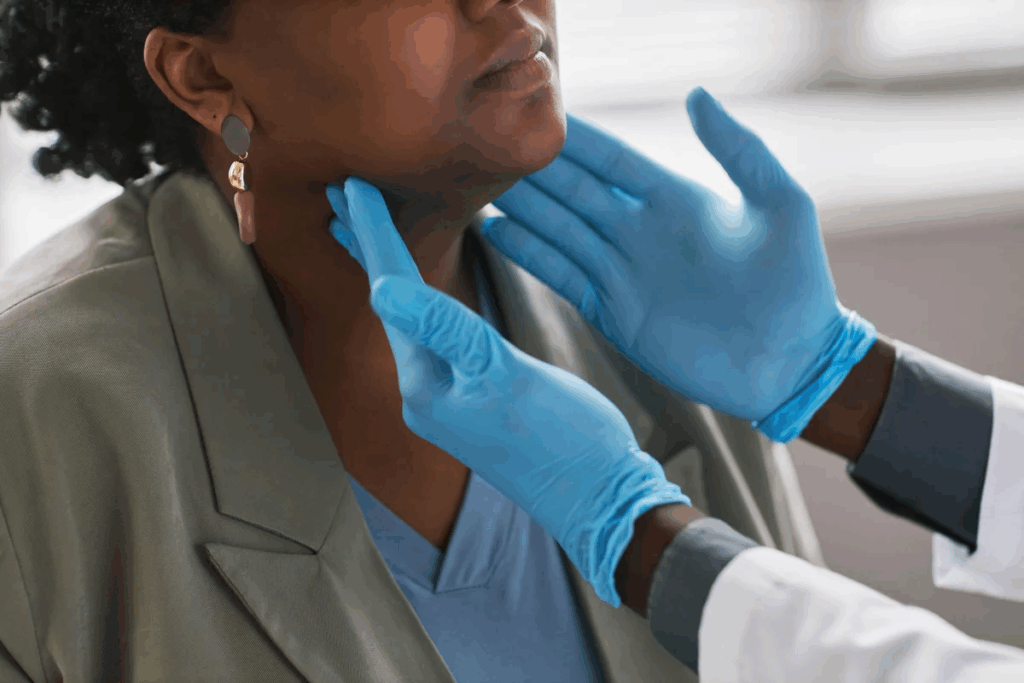
The parotid glands are the biggest of the three main salivary glands. They are key to our oral health and digestion. Found right in front of our ears, these glands make a thin, watery saliva. This saliva is full of enzymes.Wondering “what does the parotid gland do?” Learn its 5 key functions, from saliva production to digestion, in this essential guide.
The main function of the parotid gland is to make saliva. This saliva helps us chew, swallow, and start breaking down starches. It’s very important for our digestive health.
We will look into why the parotid gland is so important. We will also dive into its many roles. This will set the stage for a deeper look in the next sections.
Key Takeaways
- The parotid glands are the largest salivary glands, producing a thin, watery saliva.
- They play a vital role in oral health and digestion.
- The parotid gland’s main job is to make saliva full of enzymes.
- Saliva helps with chewing, swallowing, and breaking down starches.
- The parotid gland’s secretion is key for our digestive health.
Anatomy and Location of the Parotid Gland
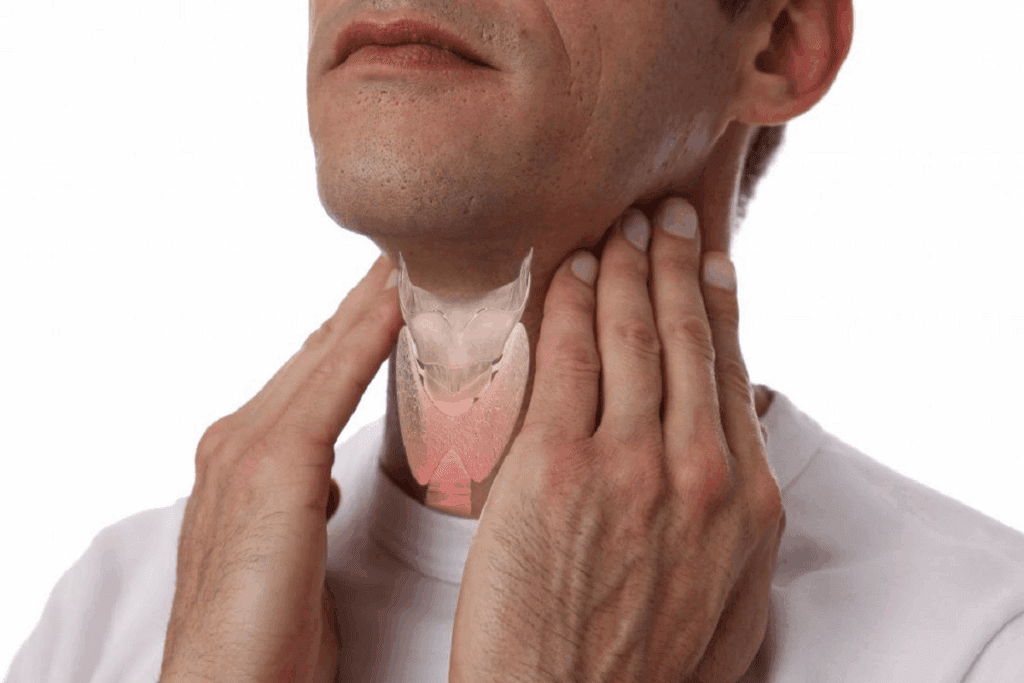
The parotid glands are located on both sides of the face, below and in front of each ear. They are key to saliva production. Knowing about their anatomy helps us understand their role in our health.
Position in the Head and Neck
The parotid gland sits in a deep area of the head and neck. It is surrounded by important landmarks. These include the zygomatic arch above, the mandible below, the masseter muscle in front, and the external ear and sternocleidomastoid muscle behind. This location is perfect for its function.
Size and Structural Composition
The parotid gland is big and has a complex structure. It’s one of the largest salivary glands, making a lot of saliva. Its many lobules and ducts work together to do its job.
Relationship to Surrounding Structures
The parotid gland is close to many important structures. The facial nerve runs through it, controlling our facial expressions. Knowing how the gland relates to these structures is key for diagnosing and treating problems.
Anatomical Feature | Description |
Location | Below and in front of each ear |
Boundaries | Zygomatic arch (superiorly), mandible (inferiorly), masseter muscle (anteriorly), external ear and sternocleidomastoid (posteriorly) |
Structure | Lobular and irregular morphology |
The Parotid Gland in the Salivary System
The parotid gland is a key part of the salivary system. It works with the submandibular and sublingual glands to make saliva. This saliva is vital for keeping our mouths healthy and helping us digest food.
Comparison to Submandibular and Sublingual Glands
The parotid gland is different from the other glands in its location and the type of saliva it makes. The submandibular glands make a mix of saliva, while the sublingual glands make mostly mucous saliva. The parotid glands, on the other hand, produce a thin, watery serous saliva.
Key differences among the major salivary glands include:
- Saliva Composition: Parotid glands produce serous saliva rich in enzymes like amylase.
- Location: Parotid glands are located on the sides of the face, in front of the ears.
- Contribution to Total Saliva: Parotid glands contribute approximately 25% of total saliva during eating.
Integration with the Entire Salivary System
The parotid gland works together with other glands to help with oral functions. During meals, it increases its saliva production. This helps to make sure the mouth is well-lubricated and digestion starts smoothly.
The parotid gland’s role in the salivary system is important for:
- Breaking down food with enzymes.
- Keeping the mouth clean by removing bacteria and debris.
- Making it easier to swallow and speak by lubricating the mouth.
What Does the Parotid Gland Do? Primary Functions
The parotid gland is key to our oral health. It secretes saliva that helps digest food and keeps our mouth healthy. Its main roles are vital for our well-being.
Key Physiological Roles
The parotid gland’s secretion has enzymes like salivary amylase. This enzyme starts breaking down starches and carbs. It’s important for turning complex foods into simpler sugars for digestion.
Its saliva also makes food easier to chew and swallow. It helps fight bacteria in the mouth. This keeps our mouth clean and healthy.
Contribution to Total Saliva Production
The parotid gland is a major salivary gland. It helps a lot with saliva production in our mouth. Saliva production is key for oral health. It helps with digestion and protects our teeth from decay.
Salivary Gland | Contribution to Total Saliva Production |
Parotid Gland | About 25% |
Submandibular Gland | Approximately 60-70% |
Sublingual Gland | Around 5% |
Importance in Overall Oral Health
The parotid gland’s secretion is vital for our oral health. The antibacterial properties of saliva lower the risk of oral infections. It also helps in remineralizing teeth, protecting them from decay and cavities.
Understanding the parotid gland’s functions shows its importance in our health. We should take care of it through good oral hygiene and regular dental visits.
Saliva Production and Composition
It’s important to know how saliva from the parotid gland helps our mouth. The parotid gland makes a lot of our saliva. This saliva is key for many body functions.
Characteristics of Parotid Saliva
The parotid gland makes a serous type of saliva full of enzymes, like salivary amylase. This enzyme breaks down starches into sugars, starting digestion in the mouth. Because of this, parotid saliva is thin and watery, helping with lubrication and digestion.
The parotid saliva is made to help with digestion and keep our mouth clean. Its high enzyme content, like salivary amylase, shows how vital it is for digestion.
Serous vs. Mucous Secretions
Salivary glands make two kinds of secretions: serous and mucous. The parotid gland mainly makes serous secretions, which are watery and full of enzymes. Mucous secretions, on the other hand, are thicker and more protective, with mucins that help lubricate and protect the mouth.
Characteristics | Serous Secretions | Mucous Secretions |
Nature | Thin and watery | Thick and viscous |
Main Components | Enzymes (e.g., salivary amylase) | Mucins |
Primary Functions | Digestion initiation, lubrication | Lubrication, protection |
Knowing the difference between serous and mucous secretions helps us see the parotid gland’s role. It produces serous saliva rich in enzymes, essential for digestion and oral health.
The Role of the Parotid Gland in Digestion
The parotid gland makes salivary amylase, which breaks down starches into simple sugars. This is key for digesting carbs, starting in the mouth.
Salivary Amylase Production
The parotid gland creates salivary amylase, an enzyme that breaks down starches. It turns them into maltose and dextrins. This enzyme is vital for starting digestion.
Salivary amylase is secreted into the mouth, where it meets food. It works best at a pH between 6.7 and 7.0, matching the mouth’s pH.
Starch Breakdown Process
The starch breakdown starts when salivary amylase meets food in the mouth. It breaks down starch molecules into maltose and oligosaccharides.
Substrate | Enzyme | Product |
Starch | Salivary Amylase | Maltose, Dextrins |
Complex Carbohydrates | Amylase | Simpler Sugars |
Changes in Secretion During Eating
When we eat, the parotid gland secretes more. Food, like starch-rich foods, makes the gland work harder.
This boost ensures enough amylase to break down starches. Saliva’s makeup also changes, with more enzymes and other components during meals.
Protective Functions of Parotid Secretions
The parotid gland’s secretions do more than help digest food. They also play a big role in keeping our mouths healthy.
Antibacterial Properties
Parotid saliva has special parts that fight off bad bacteria in our mouths. Lysozyme, an enzyme, breaks down bacterial walls. This helps prevent infections.
Other proteins and peptides in the saliva also fight off germs. Together, they make it harder for harmful bacteria to grow.
Cavity Prevention Mechanisms
The parotid gland helps prevent tooth decay. Saliva neutralizes acids from bacteria, protecting our teeth.
Saliva also has minerals like calcium and phosphate. These minerals help fix early tooth decay and keep teeth strong.
Mechanism | Description | Benefit |
Acid Neutralization | Saliva neutralizes acids produced by oral bacteria | Protects tooth enamel from acid erosion |
Remineralization | Saliva provides minerals like calcium and phosphate | Repairs early stages of tooth decay |
Antimicrobial Action | Lysozyme and other proteins reduce bacterial growth | Decreases risk of oral infections |
Oral Tissue Lubrication and Protection
Parotid saliva makes it easy for our lips, tongue, and other mouth parts to move smoothly. This is key for eating, speaking, and swallowing.
It also protects our mouth tissues from getting hurt. This reduces the chance of mouth injuries and problems.
Knowing how the parotid gland helps us stay healthy shows its importance. It’s a key player in keeping our mouths disease-free and our teeth strong.
The Parotid Duct: Structure and Function
It’s important to know about the parotid duct’s role in oral health. The parotid duct, or Stensen’s duct, helps move saliva from the parotid gland to our mouth.
Anatomy of Stensen’s Duct
The parotid duct starts on the front of the parotid gland. It goes through the masseter muscle and then the buccinator muscle. This lets saliva flow into our mouth.
The duct is about 5-6 cm long and can vary in its path. It usually runs from the ear’s tragus to the corner of our mouth.
Saliva Transport and Release Mechanism
The main job of the parotid duct is to carry saliva from the parotid gland to our mouth. This involves:
- Saliva production in the parotid gland
- Transport through the parotid duct
- Release into the oral cavity near the second upper molar
The duct’s role in saliva transport is key for our oral health. Any blockage can cause swelling, pain, and infection.
Key aspects of the parotid duct’s function include:
- Facilitating the delivery of serous saliva into the mouth
- Playing a role in the digestive process through the delivery of salivary amylase
- Contributing to the overall oral health by lubricating the oral cavity
In summary, the parotid duct is essential for saliva transport from the parotid gland to our mouth. It plays a big role in our oral health and digestion.
Regulation of Parotid Gland Function
The parotid gland’s function is controlled by both neural and hormonal mechanisms. This complex system ensures the gland works well under different conditions. It keeps saliva production at its best.
Neural Control Mechanisms
The parotid gland is mainly controlled by the autonomic nervous system. This system has parasympathetic and sympathetic branches. The parasympathetic branch, from the glossopharyngeal nerve, helps produce saliva.
The sympathetic branch, from the superior cervical ganglion, controls the gland’s blood flow and what it secretes.
We can summarize the key aspects of neural control as follows:
- Parasympathetic stimulation promotes saliva secretion.
- Sympathetic stimulation affects vascular response and secretion composition.
- The autonomic nervous system ensures adaptive regulation of the parotid gland.
Hormonal Influences
Hormones also play a big role in controlling the parotid gland. They can change how much saliva is produced and what it’s like. But their effect is not as strong as the neural control.
Some key hormonal influences include:
- Thyroid hormones, which can affect the gland’s metabolic rate.
- Steroid hormones, which may change how the gland secretes.
Response to Different Stimuli
The parotid gland reacts to many things, like food, stress, and other conditions. It mainly uses its neural control to adjust quickly. This helps it produce the right amount of saliva.
For example, seeing, smelling, or tasting food can make the parasympathetic nerves work harder. This leads to more saliva, which is important for digestion and oral health.
Common Disorders of the Parotid Gland
The parotid gland can face many issues, like inflammation and tumors. Knowing about these problems helps doctors find and treat them well.
Parotitis and Inflammatory Conditions
Parotitis is when the parotid gland gets inflamed. This can happen due to bacteria or viruses. Acute parotitis often comes from dehydration, bad oral hygiene, or less saliva.
Signs include swelling, pain, and fever. Doctors usually give antibiotics for bacterial infections. For viral cases, they focus on supportive care.
Stones and Duct Blockages
Parotid gland stones, or sialolithiasis, happen when minerals build up in the duct. This blocks saliva flow, causing pain and swelling.
To find out what’s wrong, doctors use ultrasound or CT scans. Treatment might be just drinking water and sialagogues. Or, they might need to do surgery.
Tumors and Growths
Parotid tumors can be either benign or cancerous. Benign tumors, like pleomorphic adenomas, grow slowly and are common.
Cancerous tumors are rare but grow fast. Doctors use imaging and biopsies to diagnose. Treatment varies based on the tumor’s type and how far it has spread. It can be surgery or radiation therapy.
Condition | Symptoms | Treatment |
Parotitis | Swelling, pain, fever | Antibiotics, supportive care |
Sialolithiasis | Pain, swelling, blocked saliva flow | Hydration, sialagogues, surgery |
Parotid Tumors | Swelling, pain (if malignant) | Surgery, radiation therapy |
Maintaining Parotid Gland Health
To keep your mouth healthy, it’s key to focus on your parotid gland. This gland needs the right amount of water, a balanced diet, and clean teeth to stay healthy.
Hydration and Dietary Factors
Drinking enough water is vital for your parotid gland. Water helps make saliva, which aids in digestion and keeps your mouth clean. Eating foods like fruits, veggies, and whole grains also helps your salivary glands.
Key Dietary Considerations:
- Eat a variety of foods for good nutrition
- Stay away from too much sugar to avoid mouth problems
- Eat foods that make more saliva, like citrus fruits
Oral Hygiene Practices
Keeping your mouth clean is important for your parotid gland. Brushing and flossing regularly stops infections and swelling that can harm the gland.
Effective Oral Hygiene Tips:
- Brush your teeth twice a day with fluoride toothpaste
- Floss every day to get rid of food and plaque
- Use antibacterial mouthwash to cut down bacteria
When to Seek Medical Attention
Know the signs of a parotid gland problem. Swelling, pain, or trouble opening your mouth means you should see a doctor.
Symptom | Possible Cause | Action |
Swelling or pain in the parotid gland area | Infection or blockage | Consult a doctor |
Difficulty opening the mouth | Inflammation or abscess | Seek medical attention |
Persistent dry mouth | Reduced saliva production | Discuss with a healthcare provider |
By following these tips and taking care of your parotid gland, you can avoid many mouth problems. This keeps you healthy overall.
Conclusion: The Essential Role of the Parotid Gland
The parotid gland is key to our health. It’s vital for making saliva, which helps us digest food and keeps our mouths healthy.
This gland helps us digest food by making saliva. It also keeps our mouths moist and protects us from harmful germs. Its role in making saliva is important for digestion and breaking down starches.
Understanding the parotid gland’s role helps us take care of it. We should drink plenty of water, brush our teeth regularly, and see a doctor if we have problems. This keeps our gland healthy.
More research is needed to learn about the parotid gland. This will help us prevent and treat problems with this important gland. By studying it, we can keep our salivary system working well.
FAQ
What is the primary function of the parotid gland?
The parotid gland mainly makes saliva. This saliva helps with digestion and keeps the mouth healthy.
Where is the parotid gland located?
You can find the parotid gland in the head and neck area. It’s right in front of your ears.
What is the role of the parotid gland in the salivary system?
The parotid gland is a key part of the salivary system. It works with other glands to keep the mouth healthy and aid digestion by making saliva.
What does the parotid gland secrete?
The parotid gland produces serous saliva. This saliva has salivary amylase, an enzyme that starts breaking down carbs.
How does the parotid gland contribute to oral health?
The parotid gland helps keep the mouth healthy. It makes saliva that fights bacteria, prevents cavities, and keeps the mouth moist.
What is the function of the parotid duct?
The parotid duct, or Stensen’s duct, carries saliva from the parotid gland to your mouth.
How is the parotid gland regulated?
The parotid gland is controlled by nerves and hormones. These respond to different signals.
What are common disorders affecting the parotid gland?
Parotitis, stones, blockages, and tumors are common problems with the parotid gland.
How can I maintain parotid gland health?
To keep your parotid gland healthy, drink plenty of water, brush your teeth well, and see a doctor if needed.
What are the symptoms of parotid gland disorders?
Signs of parotid gland issues include swelling, pain, and trouble making saliva.
When should I seek medical attention for parotid gland issues?
If you have ongoing symptoms like swelling, pain, or trouble making saliva, you should see a doctor.
References
National Center for Biotechnology Information. Parotid Gland Function: Saliva, Enzymes, and Digestion. Retrieved from https://www.ncbi.nlm.nih.gov/books/NBK534225/