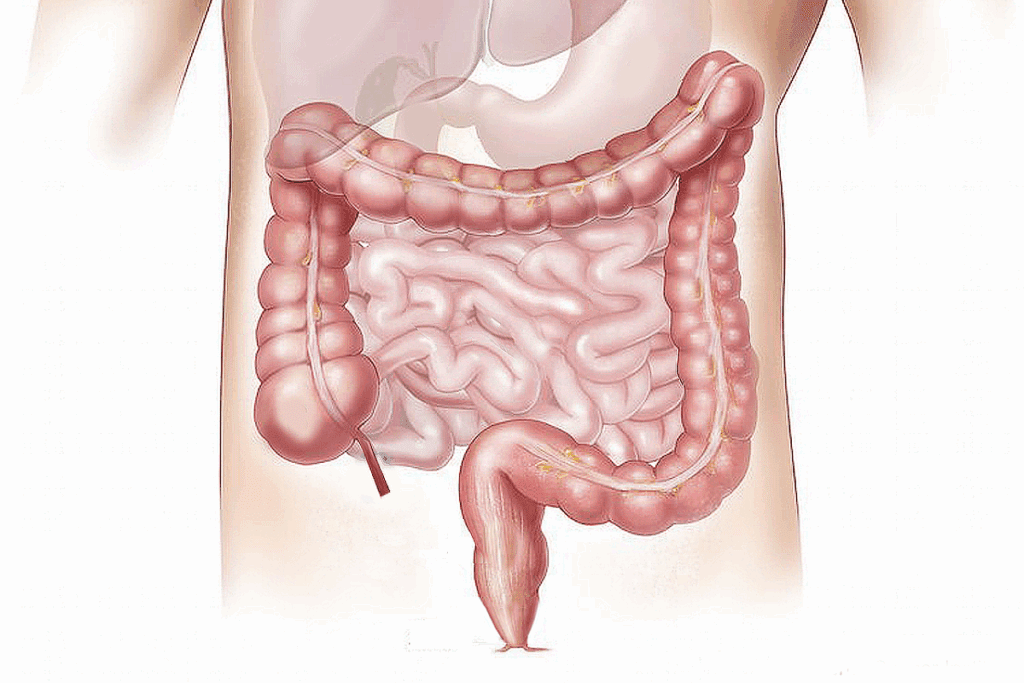
The rectum is a key part of our digestive system. It holds feces until it’s time to go. It works closely with the colon to get rid of waste.what does the rectum doWhat does inflamed colon pain feel like?
Key Takeaways
The colon is important for our digestion. It absorbs water and salts from food. Knowing how the rectum and colon work helps us stay healthy.
- The rectum functions as a temporary reservoir for feces storage.
- It plays a critical role in controlling when we go to the bathroom.
- The colon absorbs water and salts from food.
- The rectum and colon team up to remove waste.
- Understanding their roles is vital for good digestion.
The Anatomy of the Rectum: Location and Structure
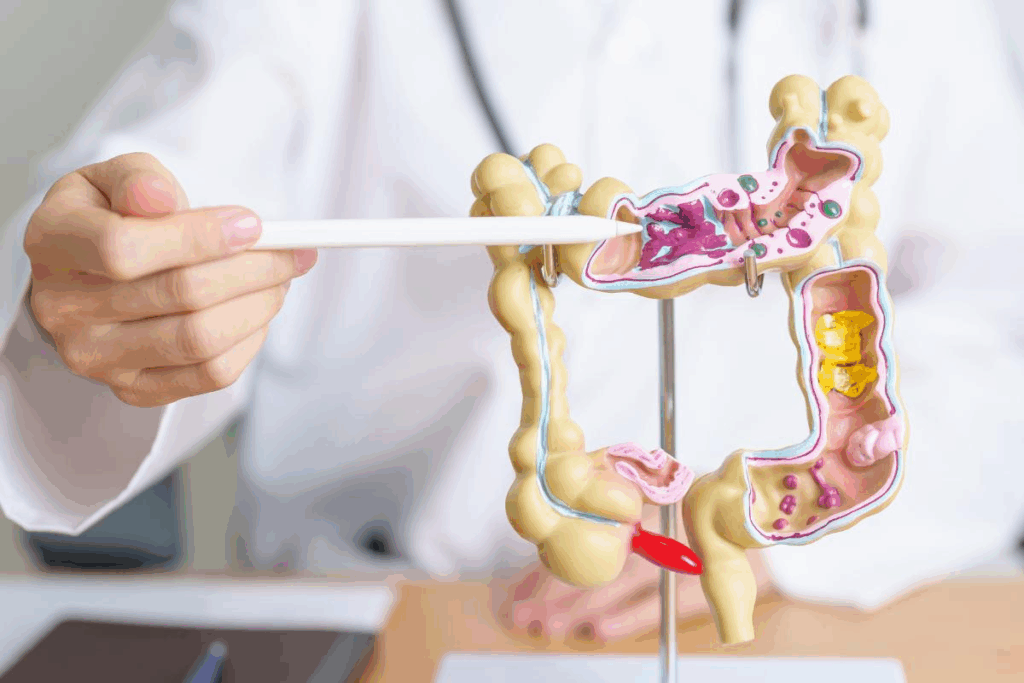
The rectum is about 12 to 15 centimeters long. It’s the last part of the large intestine. It starts at S3, right after the sigmoid colon. Knowing about the rectum’s anatomy helps us understand its role and importance.
Physical Characteristics and Dimensions
The rectum has a unique shape, being wider at the bottom. It doesn’t have the taenia coli found in the colon. Its muscle layer is smoother.
The rectum’s wall has several layers. These include the mucosa, submucosa, muscularis propria, and adventitia.
Here are the key dimensions and characteristics of the rectum:
Characteristic | Description |
Length | 12 to 15 centimeters |
Starting Point | Level of S3 |
Continuation Of | Sigmoid colon |
Anatomical Landmarks and Boundaries
The rectum is marked by several key landmarks. It begins at S3, where the sigmoid colon ends. It ends at the anorectal junction, transitioning into the anal canal.
Medical Expert, a colorectal surgeon, says, “Knowing the rectum’s boundaries is key for diagnosing and treating diseases.”
“The rectum’s position in the pelvis is unique and complex. It requires detailed anatomical knowledge for effective treatment.”
The Rectum’s Position in the Pelvis
The rectum is in the pelvis, which supports and protects it. Its location is essential for its function. It stores feces until it’s time to go.
The rectum’s anatomy and position are vital for its digestive role. Its unique features set it apart from the colon. This highlights the need for accurate anatomical knowledge in medical practice.
Understanding the Colon: A Comprehensive Overview
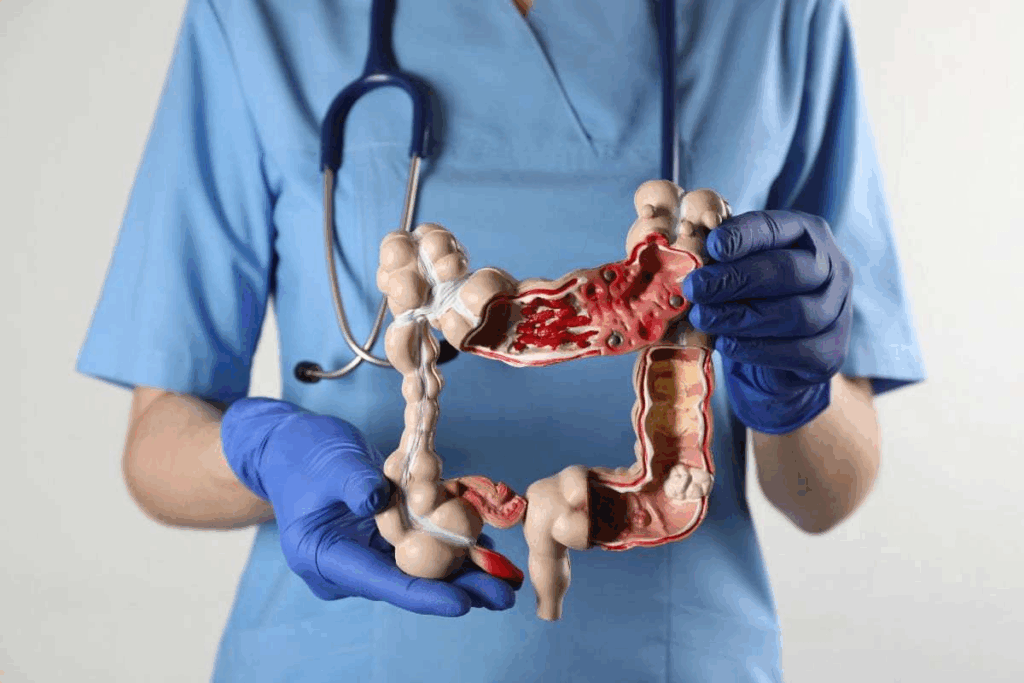
The colon is a key part of the large intestine. It helps absorb water and nutrients. It also plays a big role in our digestive system by turning waste into solid stool.
Parts of the Large Intestine
The large intestine has several important parts. These include the cecum, ascending colon, transverse colon, descending colon, sigmoid colon, and rectum. Together, they help process waste.
The ascending colon absorbs water and nutrients from the small intestine. The transverse colon moves this material across the abdomen. The descending colon and sigmoid colon then push waste towards the rectum.
Structural Features of the Colon
The colon has a tubelike shape and strong muscular walls. These features help it move waste through the digestive system. Its inner lining absorbs water and nutrients, while its muscles contract to push waste along.
The Colon’s Position in the Abdominal Cavity
The colon is located in the abdominal cavity. It starts at the cecum in the lower right abdomen. It then moves across the transverse colon and down to the sigmoid colon and rectum in the pelvis. This position helps it do its job well, with each section having a specific role.
Knowing about the colon’s anatomy and function is key to understanding its role in our health. It helps us spot any problems that might come up.
What Does the Rectum Do: Primary Functions and Importance
The rectum is the last part of the large intestine. It’s key for storing and getting rid of waste. Its role in the digestive system is vital for regular bowel movements.
Fecal Storage Mechanism
The rectum holds feces temporarily until it’s time to get rid of it. Its unique shape and muscles help keep feces in place. This is thanks to the rectal valves.
The walls of the rectum can stretch to hold different amounts of feces. This flexibility is important for storing feces until it’s time to go.
Role in Defecation Control
The rectum helps control when we go to the bathroom. The muscles and the anal sphincter work together. When the rectum is full, it sends a signal to the brain.
The rectal sensation is key for staying in control. It helps us know when to go and what’s in the rectum. This is important for proper bowel movements.
Maintaining Continence
Keeping feces in is another important job of the rectum. It works with the anal sphincter and pelvic floor muscles. This helps prevent accidents.
Sensory Functions and Rectal Filling
The rectum has special senses that help with going to the bathroom and staying in control. When it’s full, it stretches and sends a signal to the brain. This helps us know when to go.
Being able to feel what’s in the rectum is important. It helps us decide when to go or hold it in. This is key for controlling bowel movements.
In summary, the rectum is very important for our digestive system. It helps with storing waste, controlling bowel movements, and keeping us dry. Understanding its role helps us see how vital it is for our health.
The Rectum-Colon Connection: Anatomical Relationship
It’s important to know how the rectum and colon work together. The rectum links the sigmoid colon to the anal canal. This connection is key to the digestive system’s function.
The Rectosigmoid Junction
The rectum starts at S3, right after the sigmoid colon. This spot, called the rectosigmoid junction, is vital for bowel health. Here, the sigmoid colon meets the rectum, starting its journey.
Muscular Transitions Between Structures
The muscles in the rectum blend with the sigmoid colon’s. This smooth transition helps the rectum store and release waste.
Vascular and Nerve Supply Connections
The blood and nerve systems of the rectum and colon are closely tied. The rectum gets its blood from the superior rectal artery. The colon’s blood comes from the mesenteric arteries. Both are controlled by the autonomic nervous system.
Structure | Blood Supply | Nerve Supply |
Rectum | Superior rectal artery | Autonomic nervous system |
Sigmoid Colon | Inferior mesenteric artery | Autonomic nervous system |
The rectum and colon work together in digestion. Knowing how they connect helps doctors diagnose and treat problems.
Layers of the Rectum and Colon: A Microscopic View
The rectum and colon have many layers, each with its own job. These layers work together to keep the large intestine healthy and functioning well.
Mucosa and Its Function
The mucosa is the innermost layer of the rectum and colon. It’s a mucous membrane that lines the inside of the large intestine. This layer is red and shiny, with many mucus glands.
The mucosa protects the intestinal wall and helps move waste smoothly. It makes mucus to lubricate the stool, making it easier to pass.
Submucosa and Supporting Structures
Under the mucosa is the submucosa, a layer of connective tissue. It supports the mucosa and has blood vessels, lymphatic vessels, and nerves. This layer is key for supplying oxygen and nutrients to the mucosa and removing waste.
It also has lymphoid cells that help the large intestine fight off infections.
Muscularis Propria and Motility
The muscularis propria is a thick layer of smooth muscle. It helps move contents through the digestive tract. It has an inner circular layer and an outer longitudinal layer.
The muscles work together to mix and move contents towards the rectum.
Serosa and Adventitia
The outermost layer is either a serosa or an adventitia, depending on its location. The serosa covers the parts of the colon inside the abdominal cavity. The adventitia surrounds the parts outside the cavity.
These layers offer extra support and protection to the large intestine.
In conclusion, the rectum and colon have layers like the mucosa, submucosa, muscularis propria, and serosa or adventitia. Each layer is important for the large intestine’s structure and function. Keeping these layers healthy is key for good gastrointestinal health.
The Digestive Journey: From Colon to Rectum
The colon and rectum work together to help us digest food. They transform waste into something ready to leave our body. This journey is full of important steps.
Water Absorption in the Ascending Colon
The ascending colon is key in absorbing water and nutrients from waste. This makes the waste solid and easier to move. Water absorption is vital for keeping our body hydrated.
Material Transport Through the Transverse Colon
In the transverse colon, waste is mixed with mucus to help it move. The colon’s muscles push the waste along. This peristaltic movement is key for waste to keep moving.
Storage in the Descending Colon
The descending colon holds waste until it’s time to go. Its walls stretch to fit more waste. This helps us control when we go to the bathroom.
Sigmoid Colon Contractions and Rectal Filling
The sigmoid colon pushes waste into the rectum. Its S-shaped shape helps push waste along. When the rectum fills, we feel the urge to go.
In summary, the trip from colon to rectum is complex. It includes absorbing water, moving waste, storing it, and filling the rectum. Knowing these steps helps us understand our digestive system better.
Physiological Processes: How the Rectum and Colon Work Together
The rectum and colon work together in complex ways. They help store and get rid of waste. This teamwork is key for regular bowel movements and good gut health.
Coordinated Muscle Actions
The rectum and colon use muscle actions to move waste. The muscularis propria layer is important here. It has inner and outer layers that work together.
The inner layer tightens the space inside. The outer layer shortens the colon and rectum. This teamwork helps waste move smoothly.
This coordination is vital for normal bowel function. It ensures waste moves through the system properly.
Muscle Layer | Function | Role in Colon and Rectum |
Inner Circular Layer | Constricts the lumen | Regulates the movement of contents |
Outer Longitudinal Layer | Shortens the colon and rectum | Facilitates the propulsion of contents |
Neural Control Mechanisms
Neural control is key for the rectum and colon’s work. The enteric nervous system, or “little brain” of the gut, controls gut functions.
This system works with the autonomic nervous system and sensory feedback. It helps the rectum and colon work together smoothly.
Hormonal Influences on Function
Hormones like gastrin, cholecystokinin, and serotonin affect the gut. They help control gut movements and secretions.
Gastrin makes the colon contract. Cholecystokinin boosts the movement of the colon and rectum. These hormones keep the gut balanced.
Rectal Compliance and Accommodation
Rectal compliance and accommodation are vital. They help the rectum store feces until it’s time to go. The rectum expands to hold waste.
Factors like the rectal wall’s elasticity and the amount of feces affect compliance. The rectum’s ability to hold waste is important for staying continent.
In conclusion, the rectum and colon’s teamwork is complex. Muscle actions, neural control, hormones, and rectal compliance all play key roles. They help keep bowel function normal.
Developmental Aspects of the Colorectal Region
It’s important to know how the rectum and colon grow. This helps us understand their roles and any problems they might face. The growth of the colorectal area is a complex process that starts early in a baby’s development.
Embryological Development
The rectum and colon start forming from the embryological gut early in pregnancy. The hindgut turns into the lower colon, rectum, and part of the anal canal. This process involves detailed cell division and change.
Postnatal Changes
After birth, the colorectal area keeps growing. The rectum, for example, gets bigger and changes how it works as the child grows. These changes are key for developing normal bowel habits.
Age-Related Variations in Function
As we get older, how the rectum and colon work can change. Older people might find it harder to control their bowel movements because of decreased rectal compliance. Knowing these changes helps in dealing with age-related bowel issues.
Developmental Stage | Key Changes |
Embryological | Formation of rectum and colon from hindgut |
Postnatal | Maturation of colorectal region, development of bowel habits |
Age-Related | Changes in rectal compliance, possible impact on continence |
The growth of the colorectal area is complex and ongoing. Knowing about these developmental stages is key to understanding how the rectum and colon work. It also helps us see how they might face developmental and age-related problems.
Common Conditions Affecting the Rectum and Colon
The rectum and colon can face many issues, from inflammation to cancer. Knowing about these problems helps in finding the right treatment.
Inflammatory Disorders
Inflammatory bowel disease (IBD) is a long-term condition that causes inflammation in the digestive tract. It includes Crohn’s disease and ulcerative colitis, affecting the colon and rectum. Symptoms are diarrhea, abdominal pain, and weight loss.
Structural Abnormalities
Issues like diverticulosis, where small pouches form in the colon wall, can lead to problems. Hemorrhoids, swollen veins in the rectum or anus, also cause discomfort and bleeding.
Functional Disorders
Functional disorders like irritable bowel syndrome (IBS) affect how the colon moves. This causes symptoms like abdominal pain, bloating, and changes in bowel habits. Issues like constipation and fecal incontinence also affect quality of life.
Cancers of the Colorectal Region
Colorectal cancer is a big concern, often starting from polyps in the colon or rectum. Early detection through screening is key for effective treatment.
Condition | Description | Common Symptoms |
Inflammatory Bowel Disease (IBD) | Chronic inflammation of the digestive tract | Diarrhea, abdominal pain, weight loss |
Diverticulosis | Formation of small pouches in the colon wall | Abdominal pain, changes in bowel habits |
Hemorrhoids | Swollen veins in the rectum or anus | Discomfort, bleeding during bowel movements |
Irritable Bowel Syndrome (IBS) | Functional disorder affecting colon motility | Abdominal pain, bloating, changes in bowel habits |
Colorectal Cancer | Cancer arising from polyps in the colon or rectum | Bleeding, changes in bowel habits, abdominal pain |
It’s important to understand these conditions for proper diagnosis and treatment. Knowing the symptoms and risk factors helps in managing these issues effectively.
Conclusion
The rectum acts as a temporary storage for feces. It plays a key role in controlling when we go to the bathroom. It is located above the anus and holds stool until it’s time to go.
Looking into the rectum and colon shows how they work together. The colon absorbs water and salts, while the rectum holds the waste. Knowing how they work helps us understand our digestive system better.
The colon and rectum work together to keep our bowel movements healthy. They absorb water and salts, and the rectum stores and releases waste. Learning about them helps us see why keeping them healthy is important.
FAQ
What is the rectum’s role in the digestive system?
The rectum holds feces temporarily. It works with the colon to process and get rid of waste.
What are the primary functions of the rectum?
The rectum’s main jobs are storing feces and controlling when you go to the bathroom. It also helps keep you from having accidents and senses when it’s time to go.
How does the rectum relate to the colon?
The rectum is connected to the colon. Together, they help move waste through the body.
What is the rectosigmoid junction?
The rectosigmoid junction is where the colon meets the rectum. It’s a key spot in the large intestine.
What are the layers of the rectum and colon?
The rectum and colon have several layers. These include the mucosa, submucosa, muscularis propria, and serosa or adventitia. Each layer has its own role.
How do the rectum and colon work together?
The rectum and colon work as a team. They use muscles, nerves, and hormones to move waste out of the body.
What is the significance of the muscularis propria in the colon?
The muscularis propria is key in the colon. It helps move material through the large intestine.
What are some common conditions that affect the rectum and colon?
Problems like inflammation, structural issues, and cancers can affect the rectum and colon.
How does the colon absorb water and nutrients?
The colon, mainly the ascending colon, absorbs water and nutrients. This helps make stool solid.
What is the role of the sigmoid colon in rectal filling?
The sigmoid colon helps fill the rectum with feces. It plays a big part in controlling bowel movements.
Where is the colon located in the body?
The colon is in the abdominal cavity. It goes from the cecum in the lower right to the rectum in the pelvis.
What is the difference between the rectum and colon?
The rectum and colon are both part of the large intestine. The rectum stores feces, while the colon absorbs water and nutrients.
References
National Center for Biotechnology Information. Rectum and Colon: Digestive Waste Management. Retrieved from https://www.ncbi.nlm.nih.gov/books/NBK537245/