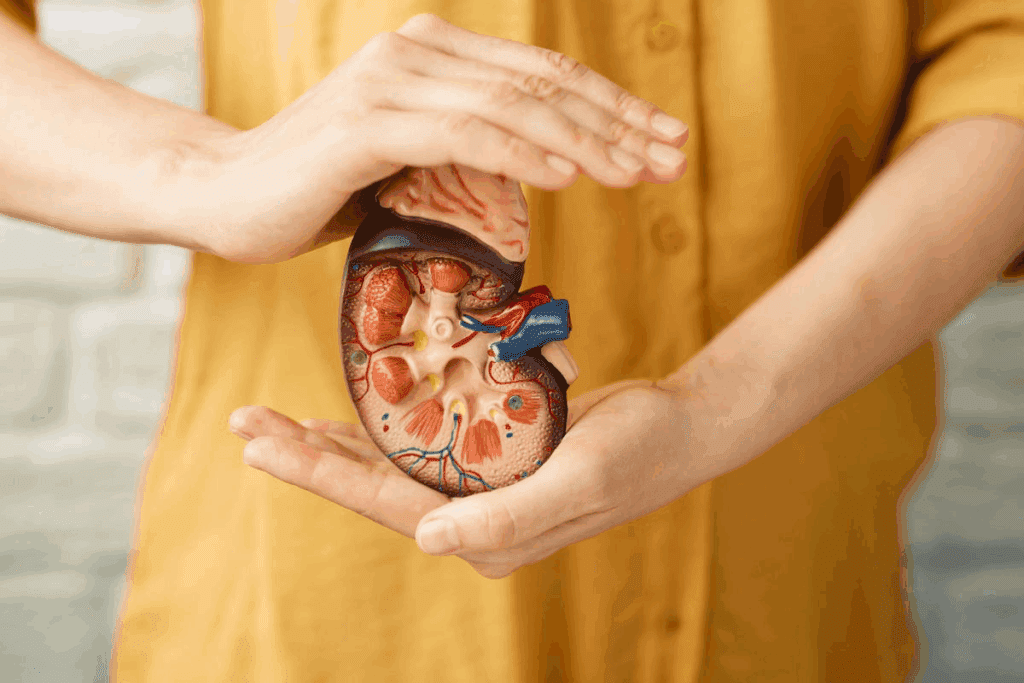
Keeping your kidney function at its best is key to staying healthy. Adding kidney-friendly superfoods to your meals is a smart move. At Liv Hospital, we know that a diet full of vitamins and minerals is important. It helps slow down kidney disease.
Studies show that eating foods low in sodium can help with chronic kidney disease (CKD). Our team helps you find the top 15 superfoods for kidneys. These foods protect and boost your kidney health.
Discover what foods benefit the kidneys. Our simple guide lists the 15 best, most powerful superfoods to improve your health fast.
Key Takeaways
- Eating a well-balanced diet is vital for kidney health.
- Adding kidney-friendly superfoods can slow down kidney disease.
- A diet low in sodium and rich in vitamins and minerals is key for kidneys.
- Liv Hospital offers personalized advice on kidney-friendly foods.
- The top 15 kidney-friendly foods can enhance kidney function and well-being.
Understanding Kidney Health and Nutrition
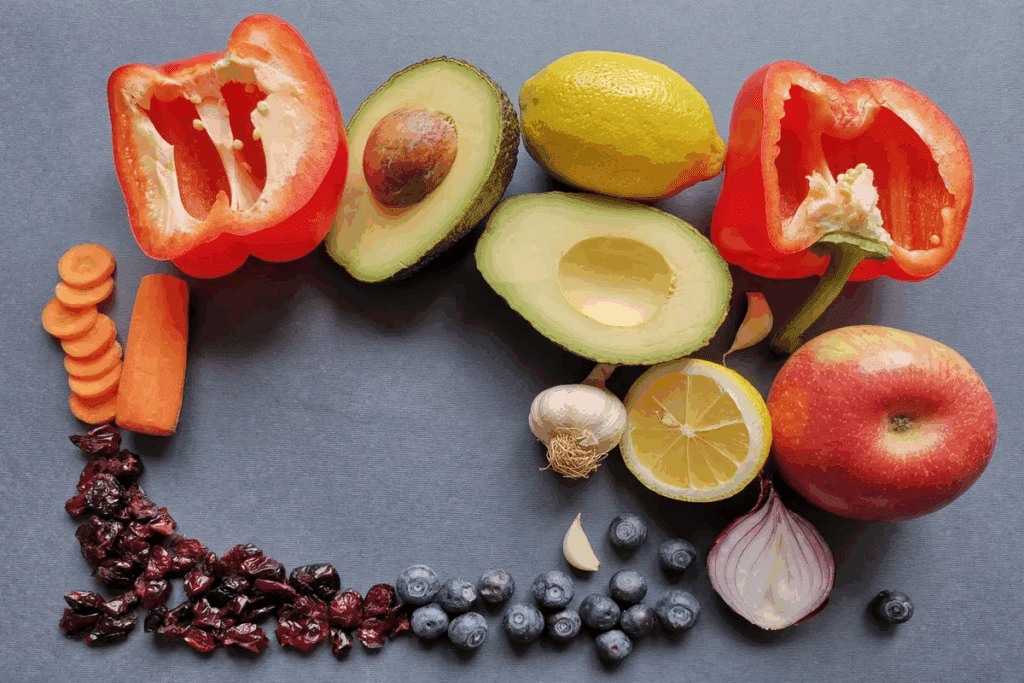
Eating right is key to keeping your kidneys healthy and avoiding kidney disease. The kidneys filter waste, balance electrolytes, and control blood pressure. So, knowing how food affects kidney health is very important.
The Role of Diet in Kidney Function
What you eat greatly affects your kidneys. Eating a balanced diet helps your kidneys work their best. Key components of a kidney-friendly diet include drinking enough water, eating moderate amounts of protein, and avoiding too much sodium, potassium, and phosphorus.
Choosing the right foods is important for kidney health. Look for foods low in sodium, potassium, and phosphorus but rich in nutrients. Adding kidney-friendly foods to your diet can help protect your kidneys and keep them working well.
Key Nutrients to Monitor: Sodium, Potassium, and Phosphorus
It’s important to watch how much sodium, potassium, and phosphorus you eat for your kidneys. Here are some key points to remember:
- Sodium: Too much sodium can raise blood pressure, which is hard on the kidneys. It’s important to eat fewer foods high in sodium.
- Potassium: Potassium is good, but too much can be bad, even for people with kidney disease. It’s important to find the right balance.
- Phosphorus: When kidneys don’t work well, phosphorus can build up. Eating the right amount of phosphorus through food can help prevent this.
How Diet Affects Kidney Disease Progression
What you eat can slow down kidney disease. A good diet can help protect your kidneys from damage. Essential dietary adjustments include eating less protein, less sodium and phosphorus, and enough calories.
Making smart food choices can help manage kidney disease. It’s important to work with your doctor to create a diet plan that’s right for you.
What Foods Benefit the Kidneys: The Science Behind Kidney-Friendly Nutrition

Some foods can really help our kidneys. Knowing how different foods affect our kidneys helps us make better choices. This supports our kidney health.
The Connection Between Diet and Chronic Kidney Disease
Chronic kidney disease (CKD) slowly damages our kidneys. What we eat is very important in managing CKD. Studies show that eating lots of fruits, veggies, and whole grains can slow CKD down. But, eating too much sodium, phosphorus, and processed foods can hurt our kidneys more.
To manage CKD, we need to watch what we eat. We should eat less sodium, potassium, and phosphorus. This helps control blood pressure and keeps potassium and phosphorus levels balanced.
Balancing Essential Nutrients for Optimal Kidney Function
It’s important to balance the nutrients we eat for our kidneys to work well. We need to watch our sodium, potassium, and phosphorus intake. We also need to eat enough good protein, healthy fats, and complex carbs.
- Sodium: Eating less sodium helps keep blood pressure down and eases kidney strain.
- Potassium: It’s key to keep potassium levels right, as too little or too much is bad.
- Phosphorus: For those with advanced CKD, controlling phosphorus intake is vital to avoid bone and mineral problems.
By balancing these nutrients, we can keep our kidneys working well and stay healthy.
The Importance of Anti-Inflammatory Foods for Kidney Health
Anti-inflammatory foods are great for our kidneys. They help reduce body inflammation, which is a risk factor for kidney disease. Foods high in antioxidants and omega-3 fatty acids are good for this.
“A diet rich in anti-inflammatory foods can help protect against kidney damage and support overall kidney health.”
Some anti-inflammatory foods good for our kidneys include:
- Fatty fish: They’re full of omega-3s, which fight inflammation.
- Berries: They’re packed with antioxidants that fight stress and inflammation.
- Olive oil: It has compounds that help our health and fight inflammation.
Eating these foods and avoiding harmful ones can help our kidneys and overall health.
Vibrant Vegetables That Support Kidney Function
Vibrant vegetables are key for kidney health. They are packed with nutrients and have anti-inflammatory effects. These help protect the kidneys.
Red Bell Peppers: High in Vitamins A and C, Low in Potassium
Red bell peppers are great for a kidney-friendly diet. They are full of vitamins A and C, which are antioxidants. They also have low potassium, which is good for those watching their potassium.
The vitamin C in red bell peppers boosts the immune system. This is important for staying healthy.
Cabbage: Anti-Inflammatory Properties and Phytonutrients
Cabbage is good for the kidneys. It has anti-inflammatory properties and phytonutrients. These help reduce body inflammation.
Cabbage is also rich in vitamin K. Vitamin K is good for bone health, which is important for those with kidney issues.
Cauliflower: A Versatile, Low-Potassium Vegetable
Cauliflower is versatile and low in potassium. It’s full of vitamins C and K, which are good for you. Cauliflower can be used in many ways, making it easy to add to your diet.
Garlic and Onions: Flavor Enhancers with Kidney-Protective Benefits
Garlic and onions add flavor and protect the kidneys. They have compounds that reduce inflammation and support heart health. Using garlic and onions in cooking can add taste without salt.
Eating vibrant vegetables can help your kidneys. By eating a variety of colorful veggies, you get many nutrients. These nutrients are important for healthy kidneys.
Antioxidant-Rich Fruits for Kidney Protection
Eating fruits rich in antioxidants is a tasty way to help your kidneys. Antioxidants fight oxidative stress, which can harm kidney cells. Eating a variety of antioxidant-rich fruits helps keep your kidneys working well.
Berries: Blueberries and Strawberries Rich in Antioxidants
Berries like blueberries and strawberries are full of antioxidants. Blueberries have anthocyanins, which reduce inflammation and boost heart health. Strawberries are rich in vitamin C and fiber, great for kidney health.
Apples: Fiber-Rich and Kidney-Friendly
Apples are good for your kidneys because they’re high in fiber. Fiber helps lower cholesterol and control blood sugar, both key for healthy kidneys. Apples also have antioxidants like quercetin, which fight oxidative stress.
Pomegranates: Powerful Antioxidants for Reducing Inflammation
Pomegranates are famous for their antioxidants and anti-inflammatory effects. Pomegranate juice reduces oxidative stress and inflammation, protecting kidneys. Their antioxidants may also lower blood pressure, aiding kidney health.
Cranberries: Benefits for Urinary Tract and Kidney Health
Cranberries are good for your urinary tract and kidneys. Cranberries may prevent urinary tract infections, which can harm kidneys. They’re also full of antioxidants and may prevent kidney stones.
Adding these fruits to your diet helps protect your kidneys. They’re part of a balanced diet that’s good for your kidneys and tastes great.
“A diet rich in fruits, vegetables, and whole grains can help support kidney health and reduce the risk of kidney disease.”
– National Kidney Foundation
Protein Sources That Are Gentle on Kidneys
Choosing the right protein sources is key for kidney health. Protein is important for building and repairing tissues. But, some proteins can be tough on the kidneys. We’ll look at some gentle protein options for a healthy diet.
Egg Whites: High-Quality Protein with Low Phosphorus
Egg whites are great for those with kidney issues. They have high-quality protein and low phosphorus. Phosphorus is hard for kidneys to handle when they’re not working well. You can add egg whites to omelets or smoothies.
Fish: Omega-3 Rich Options for Kidney Health
Fish is good for kidney health, thanks to its omega-3 fatty acids. Omega-3s have anti-inflammatory properties that help kidneys. Salmon, mackerel, and sardines are top choices. Aim to eat fish at least twice a week.
- Salmon: Rich in omega-3 fatty acids and protein.
- Mackerel: High in omega-3s and has anti-inflammatory effects.
- Sardines: Packed with omega-3s and calcium.
Lean Poultry: Moderation and Preparation Tips
Lean poultry like chicken and turkey is okay in small amounts. Make sure to remove the skin and use healthy cooking methods. Grilling, baking, or roasting are better than frying.
- Choose lean cuts and remove the skin.
- Opt for baking or grilling instead of frying.
- Season with herbs and spices instead of salt.
Adding these proteins to your diet can help your kidneys. You’ll also enjoy a varied and nutritious meal plan.
Grains and Starches for a Kidney-Supportive Diet
Adding the right grains and starches to your diet is key for kidney health. It’s not just about protein and veggies. Grains and starches are also vital for a balanced diet that helps your kidneys.
White Rice: A Low-Sodium, Low-Potassium Option
White rice is great for those with kidney issues. It has little sodium and potassium. One cup of cooked white rice has almost no sodium and about 55 milligrams of potassium. This is safe for most kidney diets.
Bulgur: A Nutritious Alternative to Higher-Phosphorus Grains
Bulgur is good for a kidney-friendly diet. It’s full of fiber and nutrients but has less phosphorus than other whole grains. Bulgur is great for salads or as a side dish, a healthier choice than grains with more phosphorus.
Proper Portions and Preparation Methods
It’s important to watch your grain and starch portions and how you cook them. Grains can lose nutrients if cooked wrong. Cook them as the package says and keep portion sizes in check for a balanced diet.
A serving of cooked rice or bulgur is usually half a cup. Staying with these serving sizes helps control potassium and phosphorus intake. This is important for people with kidney disease.
Healthy Fats and Oils That Support Kidney Function
The right fats and oils can reduce inflammation and help your kidneys. It’s important to know how to add these healthy fats to your diet.
Olive Oil: Anti-Inflammatory Properties and Heart Benefits
Olive oil is known for its anti-inflammatory effects. It helps protect against heart disease, which is a big concern for people with kidney problems. It’s full of monounsaturated fats, which are good for your heart.
Key Benefits of Olive Oil:
- Reduces inflammation
- Supports heart health
- Rich in antioxidants
Avocados: Beneficial Fats in Moderation
Avocados are a great source of healthy fats for your kidneys. They have monounsaturated fats and fiber. These help manage cholesterol and support digestion.
But, eat avocados in moderation because they are high in calories. They can be a good part of a kidney-friendly diet if eaten right.
| Nutrient | Benefit for Kidneys |
|---|---|
| Monounsaturated Fats | Supports heart health |
| Fiber | Aids in managing cholesterol levels |
Balancing Fat Intake for Kidney and Overall Health
It’s important to balance your fat intake for your kidneys and overall health. It’s not just about eating less fat. It’s about choosing the right fats.
Healthy fats like those in olive oil and avocados should be part of a balanced diet. This variety ensures you get the nutrients you need without too much fat.
By adding healthy fats and oils to your diet and watching your fat intake, you can help your kidneys. This also improves your overall health.
Hydration and Beverages for Kidney Health
Keeping your body hydrated is key for healthy kidneys. The right drinks can help a lot. Hydration helps kidneys filter waste and toxins from your blood. Let’s look at why staying hydrated is important and the best drinks for your kidneys.
Water: The Importance of Proper Hydration
Water is vital for your kidneys. It helps dilute blood minerals and salts, preventing kidney stones. Adequate hydration also keeps blood flowing to your kidneys, aiding their function. Drink at least 8-10 glasses of water daily. Your needs might change based on your climate, activity, and health.
Herbal Teas: Beneficial Options for Kidney Support
Some herbal teas are good for your kidneys. For instance, dandelion tea is a diuretic that helps with fluid retention and kidney function. Other good options include:
- Chamomile tea, which can help reduce inflammation
- Nettle tea, rich in antioxidants and minerals
- Ginger tea, which can help reduce nausea and inflammation
Beverages to Limit or Avoid with Kidney Concerns
Some drinks are not good for your kidneys. It’s best to limit or avoid drinks high in sugar, salt, or caffeine. They can strain your kidneys. Here are some examples:
| Beverage | Potential Harm |
|---|---|
| Sugary drinks (e.g., soda, sports drinks) | High sugar content can lead to obesity and diabetes, both risk factors for kidney disease |
| Caffeinated beverages (e.g., coffee, energy drinks) | Can increase blood pressure and strain on the kidneys |
| Alcoholic beverages | Can dehydrate the body and directly damage kidney cells |
Choosing the right drinks and staying hydrated can help your kidneys and overall health.
Creating a Complete Kidney-Friendly Eating Plan
To keep your kidneys healthy, it’s key to eat the right foods. A good diet can help manage kidney issues and boost your health.
Sample Daily Menu Incorporating All 15 Kidney-Friendly Foods
Making a daily menu with kidney-friendly foods is easy and tasty. Here’s a sample menu with some of the 15 foods we’ve talked about:
| Meal | Foods |
|---|---|
| Breakfast | Blueberries, egg whites, whole wheat toast |
| Lunch | Grilled chicken, cauliflower rice, red bell peppers |
| Dinner | Baked fish, steamed cabbage, quinoa |
| Snacks | Apples, cranberries, almonds |
This menu shows how to add kidney-friendly foods to your meals.
Tips for Dining Out with Kidney Concerns
Eating out can be tough with kidney health issues. But, there are ways to make it easier. Here are some tips:
- Look for restaurants with kidney-friendly choices like grilled fish or veggies.
- Ask for special requests like less salt or no phosphorus.
- Watch your portion sizes to avoid too much of certain nutrients.
Foods to Limit or Avoid for Optimal Kidney Function
It’s also important to limit or avoid foods that can harm your kidneys. These include:
- High-sodium foods like processed meats and canned goods.
- Foods high in potassium, such as bananas and avocados, if you’re on a potassium-restricted diet.
- Phosphorus-rich foods like dairy and processed foods.
By watching these foods and eating kidney-friendly fruits and other good foods, you can help your kidneys stay healthy.
Conclusion: Embracing a Kidney-Supportive Diet for Long-Term Health
We’ve looked at foods that help our kidneys work better. Eating these foods can improve our health over time. A diet full of kidney-friendly foods is key to keeping our kidneys healthy.
Choosing foods like colorful veggies, fruits full of antioxidants, and lean proteins helps protect our kidneys. A diet that supports our kidneys is very important for our health.
Eating foods that are good for our kidneys can lower the risk of kidney disease getting worse. We suggest adding the 15 kidney-friendly foods from this article to your meals. Making smart food choices helps us care for our kidneys and overall health.
FAQ
What are the best foods for kidney health?
For kidney health, eat vibrant veggies like red bell peppers, cabbage, and cauliflower. Also, choose fruits like berries and apples for antioxidants. Protein sources like egg whites and fish are good too. These foods are full of nutrients and help fight inflammation, supporting your kidneys.
How does diet affect kidney disease progression?
Eating right is key to slowing kidney disease. Focus on foods good for your kidneys. Avoid foods high in sodium, potassium, and phosphorus.
What are some kidney-friendly protein sources?
Good protein sources for your kidneys are egg whites, fish, and lean poultry. They’re packed with nutrients and can be prepared to support your kidneys.
Are there specific grains and starches that are beneficial for kidney health?
Yes, white rice and bulgur are good for your kidneys. Just make sure to eat them in the right amounts and prepare them correctly.
How important is hydration for kidney health?
Drinking enough water is essential for your kidneys. Also, herbal teas are good. But, avoid sugary and caffeinated drinks.
What are some healthy fats and oils that support kidney function?
Healthy fats like olive oil and avocados are anti-inflammatory. They’re great for a balanced diet that supports your kidneys.
Can certain foods help reduce inflammation in the kidneys?
Yes, foods like berries, apples, and pomegranates are full of antioxidants. They can help reduce kidney inflammation and support health.
How can I create a kidney-friendly eating plan?
A kidney-friendly diet includes veggies, fruits, proteins, grains, and healthy fats. Limit foods that can harm your kidneys.
Are there any specific foods that can help improve kidney function?
While no food can greatly improve kidney function, a balanced diet with kidney-friendly foods is beneficial. It supports overall health.
What beverages should I limit or avoid with kidney concerns?
Avoid sugary, caffeinated, and high-sodium drinks with kidney issues. Stick to water, herbal teas, and low-sodium beverages.
How can I dine out while maintaining a kidney-friendly diet?
When eating out, choose dishes with kidney-friendly ingredients. Control your portions and avoid high-sodium, potassium, and phosphorus foods.
References
National Center for Biotechnology Information. Kidney-Friendly Foods Improve Renal Function. Retrieved from https://pubmed.ncbi.nlm.nih.gov/10814828/