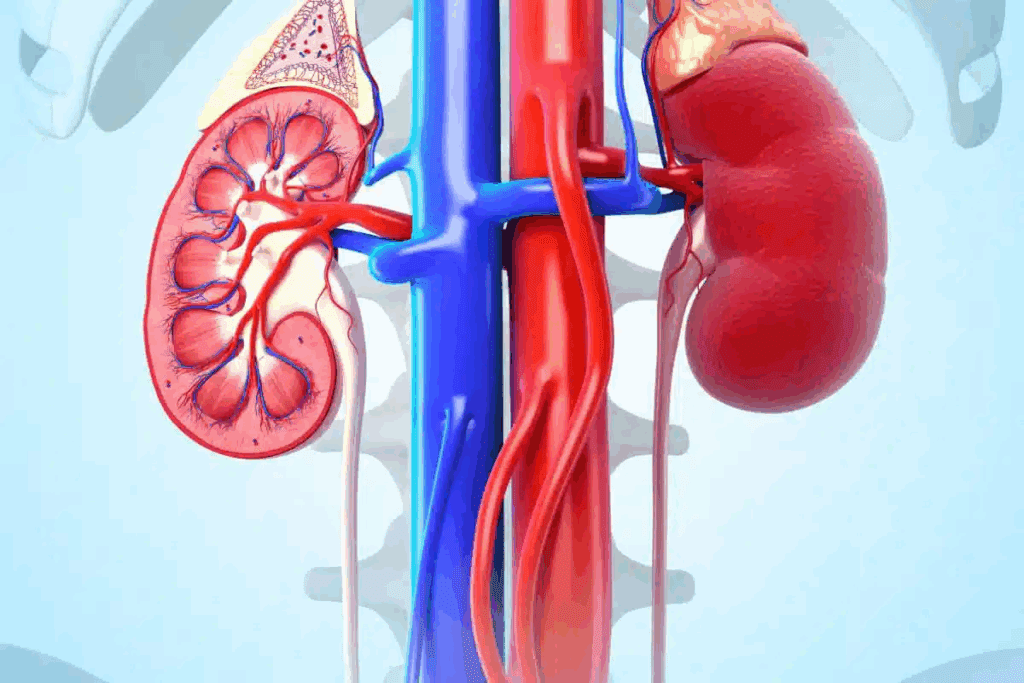
Knowing your kidney function and Glomerular Filtration Rate (GFR) is key to staying healthy. GFR shows how well your kidneys clean your blood. For a healthy person, it should be 90 mL/min/1.73 m or higher. Eating right can help protect your kidneys and keep you feeling better.
Improving your GFR means choosing the right foods and living a healthy lifestyle. By knowing what affects GFR and taking action, you can boost your kidney function and feel better overall.
Discover what foods increase gfr. Our simple guide gives you the best, proven foods and powerful habits to boost kidney function.
Key Takeaways
- Maintaining a healthy diet is key to better GFR and kidney health.
- Healthy habits greatly impact your GFR levels.
- Knowing your GFR is vital for kidney health.
- Eating right can slow down kidney damage.
- There are steps you can take to improve your kidney function.
Understanding GFR and Kidney Function
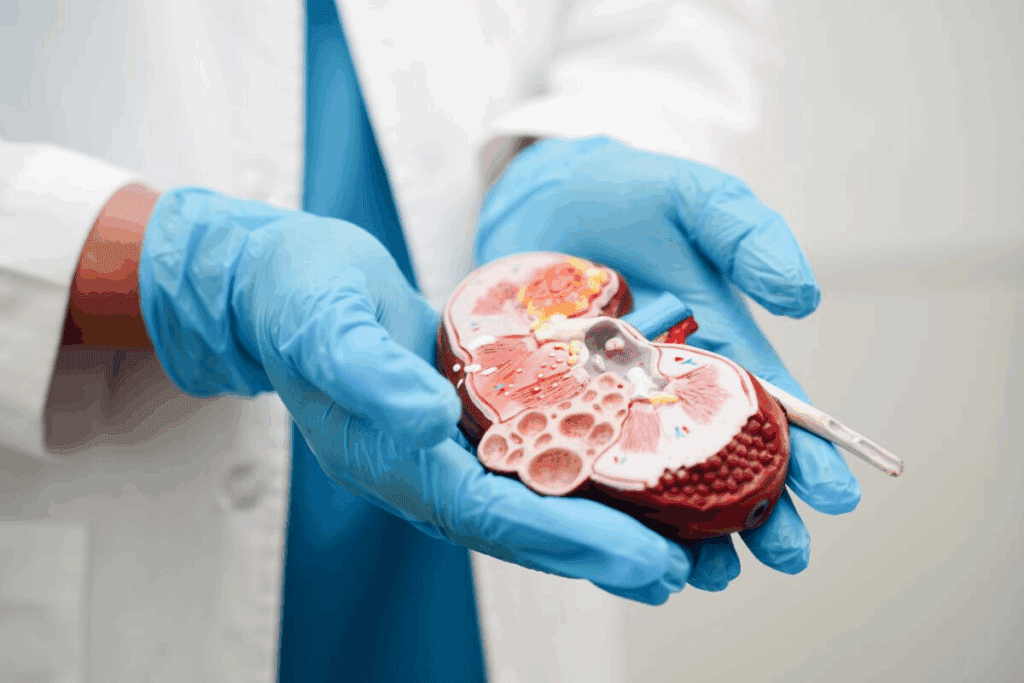
Knowing your Glomerular Filtration Rate (GFR) is key to keeping your kidneys healthy. GFR shows how well your kidneys work. It measures how much fluid your kidneys filter each minute.
What is Glomerular Filtration Rate?
Glomerular Filtration Rate, or GFR, is a test for kidney health. It checks how fast your kidneys filter out waste and extra fluids. A GFR test uses a blood test to measure creatinine levels and other factors.
Normal vs. Low GFR Values
A normal GFR is above 90 mL/min/1.73m. Values between 60-89 are mildly decreased, showing early kidney damage. A GFR under 60 for three months or more means chronic kidney disease (CKD). Levels below 15 show kidney failure.
Low GFR means your kidneys might not be working right. Values under 15 are a sign of kidney failure and need quick medical help.
How GFR Measurements Indicate Kidney Health
GFR tests are important for finding and tracking kidney disease. Doctors use GFR to see how severe kidney disease is and plan treatment. Regular GFR tests help catch problems early, allowing for quick action.
Common Causes of Decreased GFR
Many things can lower your GFR, like diabetes, high blood pressure, heart disease, and some kidney diseases. Eating too much sodium and protein can also affect GFR. Knowing these causes helps manage and improve kidney health.
Understanding GFR and its link to kidney health helps you take care of your kidneys. Regular health checks and a healthy lifestyle are important for this.
The Relationship Between Diet and Kidney Health
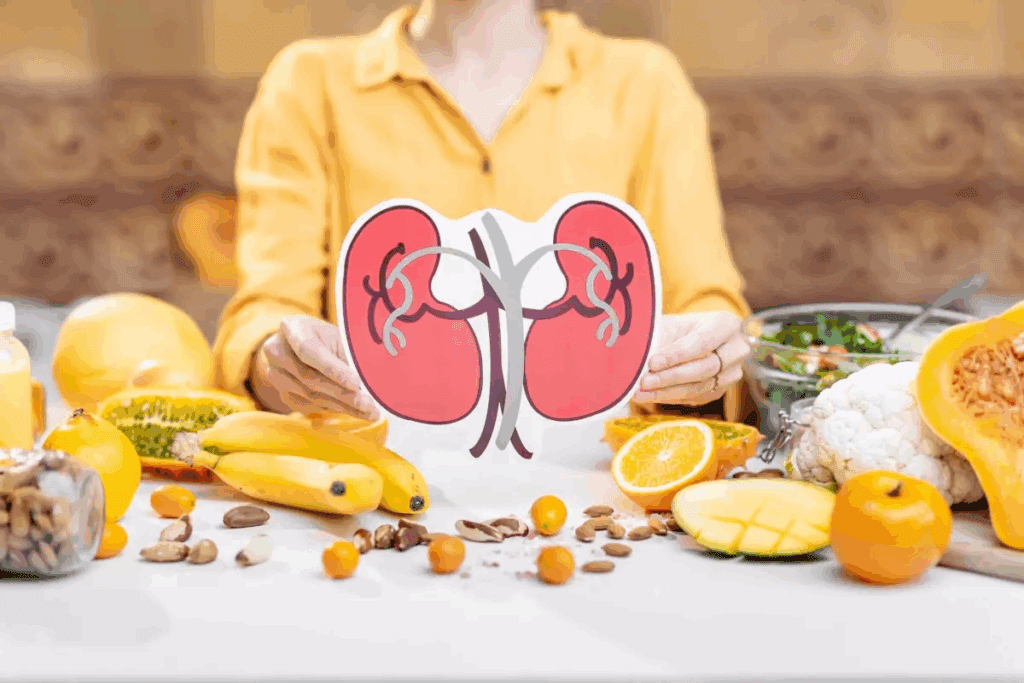
Eating well is key for keeping your kidneys healthy and boosting GFR. Our kidneys filter out waste from our blood. What we eat can either help or harm these important organs.
How Food Affects Kidney Filtration
The kidneys filter out waste, extra water, and other bad stuff from our blood. What we eat can affect this process. For example, too much sodium can raise blood pressure and stress our kidneys.
But, foods full of antioxidants like fruits and veggies can help our kidneys. They reduce oxidative stress and support kidney function.
Studies show that while no food can fix kidney disease, changing our diet and lifestyle can help a lot. A kidney-friendly diet includes foods that are gentle on our kidneys and limits others.
The Science Behind Dietary Impact on GFR
GFR, or Glomerular Filtration Rate, shows how well our kidneys filter waste. What we eat can change GFR. For instance, eating a lot of animal proteins can make our kidneys work harder and lower GFR.
But, eating whole grains, fruits, and veggies can help our kidneys and maybe even raise GFR. It’s all about how different nutrients affect our kidneys and health.
Why Dietary Changes Are Important
Making big changes in what we eat is vital for our kidney health. It’s not just about avoiding bad foods. It’s also about adding lots of good, nutrient-rich foods to our diet.
This helps manage conditions like high blood pressure and diabetes, which are big risks for our kidneys. By eating right and making smart lifestyle choices, we can improve our kidney health and overall well-being.
What Foods Increase GFR and Support Kidney Function
Eating the right foods can really help your kidneys. A balanced diet is key to keeping your kidneys healthy. Certain foods can even boost your kidney function.
Antioxidant-Rich Fruits and Berries
Fruits and berries full of antioxidants are great for your kidneys. Berries like blueberries, strawberries, and raspberries are full of antioxidants. They help fight inflammation and protect your kidneys.
Other fruits like pomegranates, red grapes, and citrus fruits are also good. They give you important vitamins and minerals. They also help reduce stress on your kidneys.
Kidney-Friendly Vegetables
Vegetables are important for a kidney-friendly diet. Leafy greens like spinach and kale are full of antioxidants and fiber. They help keep your kidneys working well. Other good veggies include bell peppers, garlic, and onions. They give you important nutrients and help fight inflammation.
Beneficial Whole Grains
Whole grains are also good for your kidneys. Foods like brown rice, quinoa, and whole wheat are full of fiber and vitamins. They help keep your blood pressure healthy and support your kidneys.
Healthy Protein Sources
Choosing the right proteins is important for your kidneys. Plant-based proteins like beans, lentils, and tofu are better than red meat. They have less saturated fat and cholesterol. Fatty fish like salmon are also good because they have omega-3 fatty acids. These help reduce inflammation.
Here’s a summary of the beneficial foods for kidney health:
| Food Group | Examples | Benefits |
|---|---|---|
| Fruits and Berries | Blueberries, strawberries, pomegranates | Rich in antioxidants, reduce inflammation |
| Vegetables | Spinach, kale, bell peppers | High in fiber, antioxidants, and essential nutrients |
| Whole Grains | Brown rice, quinoa, whole wheat | Rich in fiber, vitamins, and minerals |
| Protein Sources | Beans, lentils, tofu, salmon | Low in saturated fat, high in omega-3 fatty acids |
Eating these foods can help your kidney health and maybe even improve your GFR. It’s important to eat a balanced diet. Always talk to a healthcare professional for advice on what’s best for you.
The DASH Diet for Improved Kidney Health
The DASH diet is great for your heart and kidneys. It’s full of fruits, veggies, low-fat dairy, whole grains, and lean fish. This makes it perfect for boosting kidney function through food choices.
Key Components of the DASH Diet
The DASH diet is all about eating foods rich in nutrients and cutting down on sodium. It includes:
- Fruits and vegetables: Rich in vitamins, minerals, and antioxidants
- Low-fat dairy: Provides calcium and protein
- Whole grains: Offers fiber and essential nutrients
- Lean protein sources: Includes fish, poultry, and legumes
How DASH Supports GFR Improvement
The DASH diet helps improve GFR by reducing sodium and focusing on heart-healthy foods. Lowering sodium intake to below 2.4 grams daily is key. Too much sodium can harm the kidneys.
By following the DASH diet, you can boost your GFR and kidney health. It’s all about eating foods that support kidney function and lower the risk of kidney disease.
Sodium Reduction Strategies
Lowering sodium is a big part of the DASH diet. Here are some tips to cut down on sodium:
- Read food labels carefully to identify high-sodium foods
- Cook at home using fresh ingredients instead of relying on processed foods
- Use herbs and spices to add flavor instead of salt
Sample DASH Meal Plan for Kidney Health
Here’s a meal plan that follows the DASH diet for better kidney health:
| Meal | Food | Sodium Content |
|---|---|---|
| Breakfast | Oatmeal with fresh berries and low-fat milk | 50mg |
| Lunch | Grilled chicken salad with mixed greens, vegetables, and a citrus vinaigrette | 200mg |
| Dinner | Baked salmon with quinoa and steamed broccoli | 150mg |
By sticking to this meal plan and the DASH diet’s principles, you can actively support your kidney health. This might even help improve your GFR.
Foods to Limit or Avoid for Better GFR
Choosing the right foods can help your kidneys work better. This is important for keeping your Glomerular Filtration Rate (GFR) healthy.
High-Sodium Foods and Their Impact
High-sodium foods can harm your kidneys. They can lead to high blood pressure, which is bad for your kidneys. It’s important to watch how much sodium you eat.
Processed snacks, canned goods, and some condiments are high in sodium. Reading food labels helps you choose lower-sodium options.
Processed Meats and Animal Proteins
Processed meats and too much animal protein can hurt your kidneys. Foods like sausages and bacon are high in sodium and have bad preservatives.
It’s okay to eat protein, but choose wisely. Lean proteins like chicken, fish, and plants are better for your kidneys.
Phosphorus and Potassium Considerations
Phosphorus and potassium can be problems for people with kidney issues. If your kidneys aren’t working right, these minerals can build up.
Knowing which foods have a lot of phosphorus and potassium helps. Here’s a table with some foods to watch:
| Mineral | High-Content Foods | Recommended Action |
|---|---|---|
| Phosphorus | Dairy products, processed meats, nuts | Limit portion sizes, choose low-phosphorus alternatives |
| Potassium | Bananas, avocados, leafy greens, beans | Balance with low-potassium foods, consult a dietitian |
Hidden Kidney Stressors in Common Foods
Some foods have hidden dangers for your kidneys. Foods with preservatives, certain additives, and too much sugar can hurt your kidneys.
Being aware of these dangers helps protect your kidneys. Eating whole, unprocessed foods is best to avoid kidney stressors.
Lifestyle Habits That Support Kidney Function
Our kidneys are key to our health. Certain habits can help them work better. By adding healthy habits to our day, we can boost our kidney health and feel better overall.
Managing Blood Pressure
Keeping blood pressure in check is vital for our kidneys. High blood pressure can harm kidney blood vessels, making them less effective. We can manage blood pressure through lifestyle changes and, if needed, medication.
- Reduce sodium intake: Cutting down on sodium can lower blood pressure.
- Exercise regularly: Being active helps control blood pressure.
- Maintain a healthy weight: Being overweight can raise blood pressure.
Controlling Blood Sugar Levels
It’s important to keep blood sugar levels in check, even more so for those with diabetes. High blood sugar can damage kidney blood vessels over time.
To control blood sugar levels:
- Monitor blood sugar regularly: Tracking blood sugar helps manage diabetes.
- Follow a healthy diet: Eating well can help control blood sugar.
- Take medication as prescribed: Following medication helps manage blood sugar.
Proper Hydration Practices
Drinking enough water is key for kidney health. It helps the kidneys remove toxins from our body.
To ensure proper hydration:
- Drink plenty of water: Aim for at least 8 cups (64 ounces) a day.
- Limit caffeinated and sugary drinks: They can dehydrate us.
Exercise and Physical Activity Benefits
Regular exercise is great for our kidneys. It boosts our heart health and helps manage conditions like high blood pressure and diabetes.
To add exercise to your routine:
- Aim for at least 30 minutes of moderate exercise: Try brisk walking, cycling, or swimming.
- Incorporate strength training: Building muscle improves overall health.
By adopting these habits, we can support our kidney health and improve our overall well-being. These changes can help raise our GFR and ensure our kidneys work their best.
Managing Medical Conditions That Affect GFR
It’s key to manage health conditions well to keep kidneys working right. Some health problems can really hurt kidney health if not handled. We’ll look at how managing these issues can help kidneys stay healthy.
Diabetes Management Strategies
Diabetes is a big reason for kidney disease. Keeping blood sugar in check is vital to avoid kidney harm. This means using the right meds, eating right, and checking blood sugar often. It’s best to work with a doctor to make a plan that fits you.
Here are some important steps:
- Eat a diet that’s low in sugar and bad carbs
- Stay active to make your body better at using insulin
- Check your blood sugar often to spot any big changes
Hypertension Control
High blood pressure is another big risk for kidney disease. Keeping blood pressure down through lifestyle changes and meds can protect your kidneys. It’s important to check blood pressure often and eat heart-healthy foods.
Here are some good ways to do it:
- Eat less sodium to lower blood pressure
- Eat more foods high in potassium to balance sodium
- Exercise regularly to keep your heart and blood vessels healthy
Weight Management Approaches
Keeping a healthy weight is key for kidney health. Being overweight can raise the risk of diabetes and high blood pressure, which harm kidneys. Eating well and exercising can help you stay at a healthy weight.
Medication Considerations and Kidney Health
Some meds can hurt your kidneys. It’s important to talk about medication management with your doctor, even more so if you already have kidney problems. Some meds might need to be changed or watched closely to avoid kidney damage.
By managing health conditions well and working with doctors, people can greatly improve their kidney health and GFR.
Monitoring Progress and Implementing Changes
Improving kidney health is a journey. Monitoring our progress is key. Regular diet and lifestyle changes can greatly affect our GFR and kidney function. By tracking our progress and making smart choices, we can work towards better kidney health.
Tracking GFR Improvements
Tracking GFR improvements means regular blood tests and doctor visits. We should keep a record of our GFR readings. This helps us see how our diet and lifestyle changes impact our kidneys.
Practical Meal Planning Strategies
Meal planning is vital for a kidney-friendly diet. We can start by creating a weekly meal plan with foods good for kidneys, like fruits and veggies. Preparing meals ahead of time helps us avoid unhealthy choices.
Reading Food Labels for Kidney Health
Reading food labels is key for good dietary choices. We should look for foods low in sodium, phosphorus, and potassium. This helps us avoid foods that can harm our kidneys.
When to Seek Medical Help
Knowing when to see a doctor is important for kidney health. If we have swelling, fatigue, or changes in urination, we should talk to our doctor. Regular check-ups and talking openly with our healthcare team are vital for managing our health.
Conclusion: Taking Control of Your Kidney Health
Improving your kidney health is key to bettering your GFR and overall health. Making smart diet and lifestyle choices can greatly boost your kidney function. We’ve looked at ways to support your kidneys, like eating foods rich in antioxidants and whole grains.
Adopting the DASH diet and cutting down on high-sodium foods can help your kidneys work better. Regular exercise, staying hydrated, and controlling blood sugar are also important. It’s vital to keep an eye on your progress and get medical help when needed.
By changing your diet, lifestyle, and managing your health, you can greatly improve your GFR. This can lead to a better quality of life. Start making these changes today to support your kidney health for the long term.
FAQ
What is GFR, and why is it important for kidney health?
GFR stands for Glomerular Filtration Rate. It shows how well your kidneys filter waste from your blood. Keeping your GFR normal is key to good kidney health.
What can cause a decreased GFR?
Several things can lower your GFR. These include diabetes, high blood pressure, and kidney disease. Also, certain medicines and lifestyle choices like a bad diet and smoking can harm your GFR.
How can I improve my eGFR through dietary changes?
To boost your eGFR, eat foods that are good for your kidneys. Include fruits, berries, veggies, whole grains, and lean proteins. Avoid foods high in sodium, processed meats, and phosphorus and potassium.
What foods should I limit or avoid to improve my GFR?
To better your GFR, cut down on foods with a lot of sodium and processed meats. Also, limit foods high in phosphorus and potassium. Examples include processed snacks, canned soups, and some cheeses and meats.
Can lifestyle habits impact kidney function and GFR?
Yes, your lifestyle greatly affects your kidneys. Keeping your blood pressure and sugar levels in check is important. Also, drink enough water and exercise regularly to support your kidneys.
How does the DASH diet support kidney health and improve GFR?
The DASH diet helps manage high blood pressure and heart health. This can help your kidneys too. It focuses on whole grains, fruits, veggies, lean proteins, and low-fat dairy.
Can managing medical conditions help improve GFR?
Yes, managing conditions like diabetes and high blood pressure is vital for your kidneys. Work with your doctor to control these with diet and lifestyle changes. This can significantly improve your GFR.
How can I track improvements in my GFR?
To see if your GFR is getting better, get regular blood tests. Also, watch your blood pressure and adjust your diet and lifestyle as needed. Keeping a food diary and consulting with a healthcare provider or dietitian can help track your progress.
When should I seek medical help regarding my GFR?
If you’re worried about your GFR or notice big changes, see a doctor. Symptoms like swelling, tiredness, or changes in how you pee are also reasons to visit a healthcare provider.
Can kidney function be improved, and can GFR be increased?
Yes, you can improve your kidney function and increase your GFR. This can be done through diet, lifestyle changes, and managing health conditions. Working closely with a healthcare provider is essential for these improvements.
References
World Health Organization. Improving GFR: Diet and Lifestyle for Enhanced Kidney Function. Retrieved from https://www.who.int/publications/i/item/9789241504836