
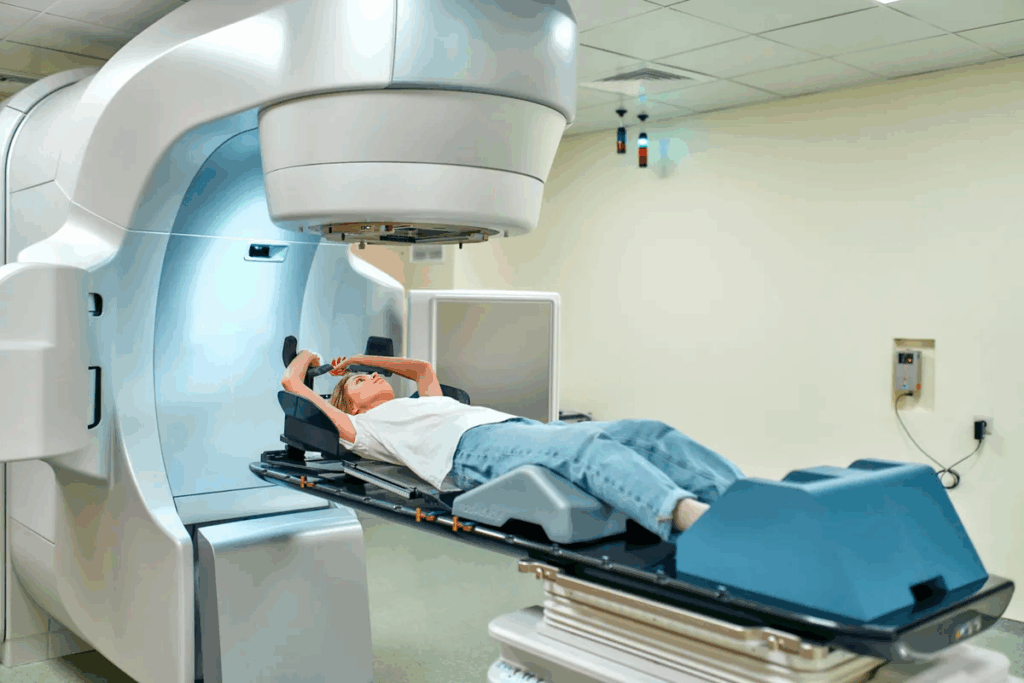
The recovery has many steps, like post-operative care and follow-up treatments. After surgery, patients usually need weeks or months to get better.
Knowing about possible problems and the post bowel resection surgery journey helps patients get through this tough time.
Key Takeaways
- Understanding the recovery stages is key for a smooth bowel resection surgery recovery.
- Post-operative care is vital for healing.
- Possible complications can happen after surgery.
- Follow-up treatment is needed for a full recovery.
- Patients should know the recovery time frame.
Understanding Bowel Resection Surgery
Bowel resection surgery is a treatment for many intestinal problems. It involves removing a part of the intestine that’s sick or damaged. Then, the healthy parts are joined back together.
Types of Bowel Resection Procedures
There are many types of bowel resection surgeries. Each one is for a different condition or part of the intestine. Right hemicolectomy removes the right colon side, often for cancer. Left hemicolectomy targets the left side. Other surgeries include low anterior resection for rectal cancer and total colectomy, which removes the whole colon.
The type of surgery depends on the patient’s health, the disease’s extent, and the surgeon’s advice. Knowing about these surgeries helps patients understand their recovery process.
Common Reasons for Bowel Resection
Bowel resection surgery is done for several reasons. These include colon cancer, bowel obstruction, and inflammatory bowel disease (IBD). Colon cancer is a big reason, as removing the cancer is key to treatment. Bowel obstruction, which can be dangerous, may need surgery to clear the blockage. IBD, like Crohn’s disease and ulcerative colitis, might need surgery if other treatments don’t work.
Knowing why bowel resection surgery is needed and the various procedures helps patients understand their treatment and care after surgery. This includes bowel resection post operative care and the bowel resection surgery aftermath.
What Happens After Bowel Resection Surgery: The First 48 Hours
Knowing what to expect in the first 48 hours after bowel resection surgery can make recovery easier. This time is key for managing pain, watching for complications, and starting a successful recovery.
Immediate Post-Operative Care
After surgery, patients go to the recovery room. Here, medical staff keep a close eye on them. Effective post-operative care is vital to avoid problems and help healing.
The medical team checks vital signs, manages pain, and looks for any complications. Patients get fluids and nutrients through an IV until they can eat again.
Pain Management in the Initial Phase
Pain management is a big part of post-operative care. Pain relief medications are given as needed. The type and amount are changed based on how the patient responds.
It’s important for patients to tell their healthcare providers about their pain. This helps ensure they get the right pain relief.
Monitoring Vital Signs and Complications
Keeping an eye on vital signs like heart rate, blood pressure, and oxygen saturation is important in the first 48 hours. Medical staff also look for signs of complications, such as infection, bleeding, or breathing problems.
| Monitoring Aspect | Normal Range | Potential Complication |
| Heart Rate | 60-100 bpm | Tachycardia or Bradycardia |
| Blood Pressure | 90/60 – 120/80 mmHg | Hypotension or Hypertension |
| Oxygen Saturation | 95-100% | Hypoxemia |
By watching these things closely, healthcare providers can spot and fix any problems quickly. This helps ensure a smoother recovery.
Hospital Recovery Period
The first steps of recovery after bowel resection surgery happen in the hospital. Here, patients are watched for any signs of trouble. They also get help to manage pain and other symptoms.
Length of Hospital Stay
The time spent in the hospital after surgery varies. It depends on the surgery’s complexity and the patient’s health. Usually, patients stay for 5 to 7 days.
This time lets doctors keep a close eye on the patient. They can handle any immediate issues that come up.
Medical Monitoring and Care
In the hospital, patients get a lot of medical care. This includes managing pain, taking care of wounds, and watching for complications. Doctors keep an eye on vital signs and look for signs of infection or other problems.
Effective pain management is key. It helps patients stay comfortable while they recover.
Initial Mobility Expectations
They start with simple things like sitting up or short walks. This helps prevent blood clots and improves circulation. It also helps with recovery.
As patients get better, doctors will tell them how to increase their activity safely. This is important for a smooth recovery.
Managing Post-Surgical Pain
Pain Medication Options
After bowel resection surgery, patients get pain meds. The type and amount depend on their pain and health history.
- Opioids: Strong pain relievers used at first.
- Non-opioid analgesics: For less pain or with opioids.
- Patient-controlled analgesia (PCA): Patients give themselves meds within limits.
Non-Pharmaceutical Pain Management
There are ways to manage pain without meds too.
- Breathing exercises and relaxation help reduce stress and pain.
- Physical therapy improves movement and eases pain.
- Heat or cold therapy can ease pain and swelling.
When to Alert Medical Staff About Pain
Talking to your healthcare team about pain is important. Severe pain, pain getting worse, or not helped by meds should be told.
- Keep track of your pain and tell your team about big changes.
- Know the side effects of pain meds and talk to your doctor about them.
Knowing your pain management options and working with your healthcare team can make recovery easier.
Wound Care and Incision Healing
Proper wound care is key for patients after bowel resection surgery. It helps the healing process go smoothly. Managing the surgical wound well can lower the risk of problems and aid in recovery.
Caring for Your Surgical Wound
Keeping your surgical wound clean and dry is important. Gentle washing with mild soap and water is often advised. Always follow your healthcare provider’s specific instructions, as they may vary based on your health and surgery type.
Signs of Proper Healing
Knowing the signs of healing can ease worries and ensure quick action if needed. A healing wound gradually closes, with the area around it becoming less red and swollen.
“A wound that is healing properly will typically show a reduction in drainage and the absence of foul odor,” according to wound care specialists.
Healing times can differ for everyone. Factors like health, nutrition, and any underlying conditions play a role in recovery.
Recognizing Infection
Spotting infection signs is critical for quick action. Symptoms include increased redness and swelling around the wound, warmth or tenderness, and pus or unusual discharge.
| Signs of Infection | Description |
| Increased Redness | The area around the wound becomes more red or inflamed. |
| Swelling and Warmth | The wound area becomes swollen and warm to the touch. |
| Pus or Discharge | The presence of pus or an unusual discharge from the wound. |
If you notice these symptoms, contact your healthcare provider right away.
Stoma Care After Bowel Surgery
Effective stoma care is key to healing and improving life quality after bowel surgery. A stoma is a surgically made opening in the abdomen for waste. It’s vital for patients to know how to care for their stoma well.
Understanding Temporary vs. Permanent Ostomies
First, patients need to know if their ostomy is temporary or permanent. A temporary one is used for healing and might be reversed later. A permanent ostomy is for when a big part of the bowel is removed or can’t function normally. Knowing this helps plan for future care.
Basic Stoma Management
Stoma care includes cleaning, changing bags, and watching for problems. Proper hygiene is key to avoid infections and help the stoma heal. Clean the stoma gently with soap and water, dry it, and apply a new bag. Watch the stoma’s look and output for any signs of trouble.
Adjusting to Life with an Ostomy
Getting used to life with an ostomy can be tough, both physically and emotionally. Patients might need to change their diet, exercise, and clothes to fit their stoma. Support from healthcare, family, and ostomy groups is important for adjusting. With good stoma care, patients can live active and happy lives.
Digestive System Changes After Surgery
After bowel resection surgery, the body’s digestive system changes a lot. These changes are key for a good bowel resection surgery recovery.
Bowel Function Restoration
Getting bowel function back takes time. At first, the bowel might not work well. This is a key part of the bowel surgery recovery timeline.
First Bowel Movements
The first bowel movements after surgery can be scary. They might be irregular, leading to constipation or diarrhea. Drinking plenty of water and following diet advice can help.
It’s also important to watch for signs of trouble, like severe pain or bleeding. If you see these, get medical help right away.
Adjusting to New Digestive Patterns
As the digestive system adjusts, bowel habits may change. This is a time of adaptation. Eating the right foods can help with this adjustment.
Knowing what to expect can help with recovery. By understanding these changes, patients can better handle post bowel resection surgery care.
Nutrition and Diet After Bowel Resection
Initial Dietary Restrictions
Right after surgery, patients follow a strict diet to help their digestive system heal. They start with nil per os (NPO) or nothing by mouth. Then, they slowly move to clear liquids and solid foods.
This initial diet aims to reduce risks and support a smooth recovery. Patients are told to avoid heavy, greasy, or spicy foods. These can be hard to digest.
Transitioning to Solid Foods
When the digestive system starts to heal, patients can begin eating solid foods. This transition should be slow and watched closely.
- Start with small, frequent meals to ease digestion.
- Choose foods that are low in fat and high in fiber.
- Avoid foods that can cause gas or discomfort.
Long-term Dietary Considerations
After surgery, patients might need to change their diet for good. They should avoid foods that can upset their stomach or cause problems.
Working with a healthcare provider or dietitian is key. They help create a diet plan that’s right for each patient. This plan supports their health and well-being.
Medications and Treatment Protocols
Recovering from bowel resection surgery involves a mix of medications and treatments. Knowing these is key to caring for yourself well after surgery.
Common Prescribed Medications
Patients often get many medicines after bowel resection. These help with pain, prevent infections, and aid in healing. Pain management medications are a top priority. They might be opioids or non-opioid drugs, based on your health and needs.
Other medicines help with specific recovery needs. For example, antiemetics stop nausea and vomiting. Stool softeners make bowel movements easier.
Antibiotics and Infection Prevention
| Antibiotic Type | Common Use | Duration of Treatment |
| Cephalosporins | Surgical prophylaxis | 24-48 hours |
| Metronidazole | Anaerobic coverage | Varies |
| Fluoroquinolones | Broad-spectrum coverage | Varies |
Managing Medication Side Effects
Medicines are vital for recovery but can have side effects. Common ones include nausea, constipation, or feeling tired. It’s important to talk about these with your doctor.
Dealing with side effects might mean changing doses, switching medicines, or adding new ones. Always follow your medication plan and tell your doctor about any problems.
Physical Activity and Exercise Progression
Knowing how to increase physical activity after bowel resection surgery is key for a good recovery. Being active helps lower the chance of complications and boosts overall health.
Early Mobility in Hospital
Gradual Activity Increase at Home
After leaving the hospital, keep increasing your activity at home slowly. Begin with short walks around the house. Then, gradually make the walks longer and last longer. Always listen to your body and don’t push too hard.
Exercise Recommendations and Restrictions
For a few weeks after surgery, stay away from heavy lifting, bending, or hard work. Gentle exercises like stretching and deep breathing are good. Always follow the exercise advice from your healthcare team, as it will depend on your situation.
Key Considerations for Physical Activity After Bowel Resection Surgery:
- Start with gentle exercises and gradually increase intensity
- Avoid heavy lifting and bending
- Listen to your body and rest when needed
- Follow the guidance of your healthcare team
By following these tips and being careful with your body, you can safely and effectively increase your physical activity after bowel resection surgery.
Potential Complications to Monitor
It’s important to know about possible problems after bowel resection surgery. This surgery is usually safe, but there are risks. Knowing these can help catch issues early.
Common Complications
Some common problems after this surgery include bowel obstruction and infection. Other issues might be:
- Bleeding or hemorrhage
- Infection of the wound or inside the abdomen
- Adhesions or bowel obstruction
- Leakage from the site of the bowel resection
- Stoma complications, if applicable
Monitoring these complications is key. Knowing the signs can help manage them well.
Warning Signs to Watch For
Spotting early warning signs is important. Look out for:
- Severe abdominal pain or tenderness
- Fever or chills
- Vomiting or inability to keep down fluids
- Bleeding or discharge from the wound or stoma
- Signs of dehydration
It’s vital to tell your healthcare team about any symptoms quickly.
When to Seek Emergency Care
Knowing when to get emergency care is critical. If you have:
| Symptom | Description |
| Severe Pain | Sudden, severe abdominal pain that doesn’t subside |
| High Fever | Fever above 101.5°F (38.6°C) |
| Vomiting Blood | Vomiting blood or coffee ground-like material |
| Abdominal Tenderness | Significant tenderness or guarding of the abdomen |
Being aware of these complications and knowing when to seek help is key. It can greatly improve your recovery after bowel resection surgery.
Follow-up Care and Medical Appointments
Recovering from bowel resection surgery takes careful follow-up care and medical appointments. These visits are not just routine. They are key to making sure the healing goes well and catching any problems early.
Scheduling Post-Operative Visits
Setting up post-operative visits is very important. Usually, the first visit is within 1-2 weeks after you go home. But, the exact time can change based on your doctor’s advice and your health.
What to Expect at Follow-up Appointments
At follow-up visits, your doctor will check the surgery area, look for infection signs, and see how you’re doing overall. These meetings might include:
- Checking how the wound is healing.
- Talking about any symptoms or worries, like pain or bowel changes.
- Looking at your medicine and making changes if needed.
- Advice on when to start doing normal things again.
Table: Typical Follow-up Appointment Schedule
| Appointment | Timing | Purpose |
| First Follow-up | 1-2 weeks post-discharge | Assess surgical site, check for infection |
| Subsequent Follow-ups | As recommended by surgeon | Monitor recovery, address concerns |
Long-term Monitoring Needs
Long-term checks after bowel resection surgery are key to spotting late problems and keeping your health in check. You might see your surgeon and other doctors, like a gastroenterologist or nutritionist, regularly.
By sticking to the follow-up plan and telling your doctors about any issues, you can greatly improve your recovery after bowel resection surgery.
Returning to Normal Activities
The journey to getting back to normal after bowel resection surgery has many steps. Patients often wonder when they can go back to work, drive, and do other daily tasks.
Timeline for Returning to Work
When you can go back to work depends on your job and how fast you recover. Most people can return to work in 6 to 12 weeks. But, this can change based on the surgery’s complexity and your health.
Desk jobs might let you go back sooner, in about 6 weeks. Jobs that need manual labor or lifting might take longer, often 12 weeks or more.
Resuming Driving
Driving again is a big step in recovery. You’ll need to stop taking strong pain meds and feel strong enough to drive safely. This usually happens in 4 to 6 weeks.
But, always listen to your doctor’s advice on when to start driving again.
Sexual Activity After Surgery
Sex can usually start again when you feel ready and your doctor says it’s okay. This is usually around 6 to 8 weeks after surgery.
It’s important to listen to your body and not do anything that hurts or causes pain.
Travel Considerations
Talking to your doctor about travel plans is important, even for short trips. This is because long trips or activities that are hard can be risky.
It’s best to stay close to home until you’re fully recovered, usually 3 months after surgery.
Recovering from bowel resection surgery takes time and following your doctor’s advice is key. By understanding the recovery process and listening to your healthcare team, you can safely get back to your daily activities.
Conclusion
Understanding the full recovery process after bowel resection surgery is essential for patients. The includes wound care, managing pain, and adjusting to digestive changes.
It’s important to be well-nourished before surgery to avoid complications. Patients should also know the risks, like infections and leaks.
Following a detailed care plan helps avoid problems and makes recovery smoother. This means sticking to a diet, managing pain, and going to follow-up visits.
The recovery from bowel surgery needs patience and understanding. With the right care, patients can overcome challenges and recover well.
FAQ
What is bowel resection surgery?
Bowel resection surgery is a procedure where a part of the intestine is removed. This is done when the intestine is damaged or diseased.
How long does it take to recover from bowel resection surgery?
Recovery time varies. It can take weeks to months. It depends on the surgery’s complexity and the individual’s health.
What are the common complications after bowel resection surgery?
Complications include infection, bowel obstruction, and adhesions. There are also risks related to the ostomy, if present.
How is pain managed after bowel resection surgery?
Pain management uses pain meds and non-pharmaceutical methods. This includes breathing exercises and relaxation techniques.
What are the dietary restrictions after bowel resection surgery?
Patients start with a liquid or low-fiber diet. They gradually move to solid foods as the bowel heals. Some foods may need to be avoided.
How do I care for my stoma after bowel resection surgery?
Stoma care involves keeping the stoma and skin clean. Use a pouching system for waste collection. Watch for signs of complications like skin irritation.
When can I resume normal activities after bowel resection surgery?
Resuming activities depends on recovery and the surgeon’s advice. It varies for each person.
What follow-up care is needed after bowel resection surgery?
Follow-up care includes regular appointments. These are to monitor healing and address complications. Treatment plans may be adjusted as needed.
How long does it take for bowel function to return to normal after bowel resection surgery?
Restoring bowel function takes weeks to months. It involves adjusting to new digestive patterns and managing bowel movements.
What are the signs of infection after bowel resection surgery?
Signs of infection include increased pain, redness, swelling, or drainage. Fever, chills, and other symptoms also indicate infection. Seek medical attention promptly.
Can I travel after bowel resection surgery?
Discuss travel plans with your healthcare provider. Certain precautions may be needed. Travel may be postponed until recovery is more advanced.
References
National Center for Biotechnology Information. Evidence-Based Medical Insight. Retrieved from https://pubmed.ncbi.nlm.nih.gov/6751457/