
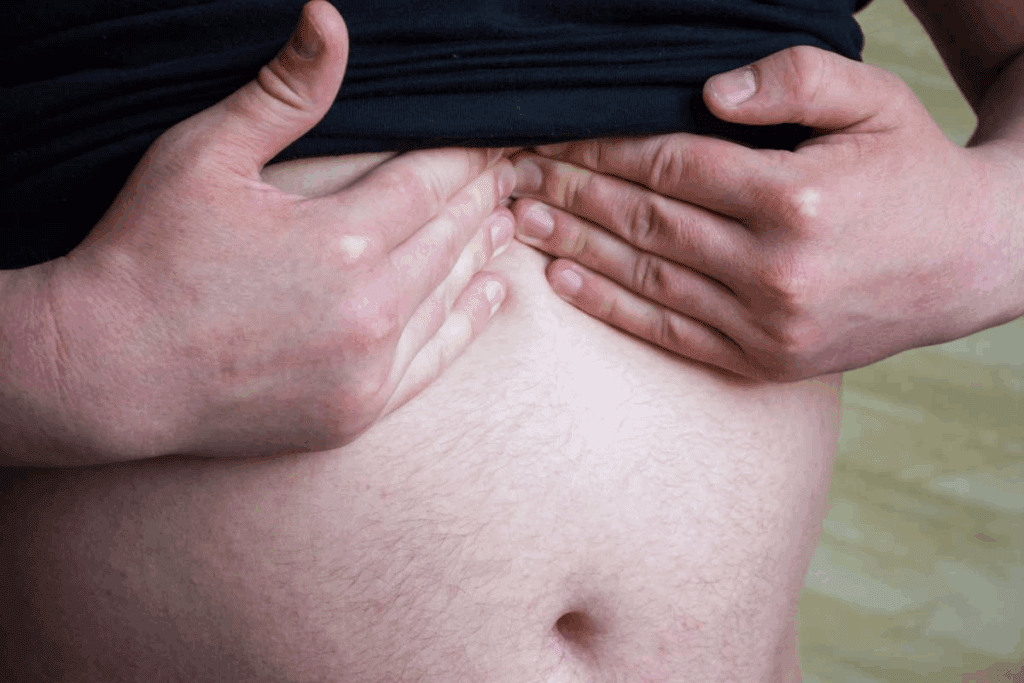
Hernias start as small bulges but can become serious if ignored.what happens if a hernia goes untreatedWhat Happens if a Hernia Goes Untreated? 6 Bad Risks At Liv Hospital, we stress the need to understand hernias and their risks. Delaying treatment can make a simple issue into a life-threatening emergency.
Not treating a hernia can lead to big health problems. Medical Expert. For more on untreated hernia consequences, checkThe Surgery Group website.
Key Takeaways
- Untreated hernias can lead to life-threatening complications.
- Hernias do not heal on their own and require surgical repair.
- Smaller hernias are usually easier to repair with shorter recovery times.
- Incarceration and strangulation often require emergency surgery.
- Symptoms of a strangulated hernia include intense pain, nausea, vomiting, and fever.
Understanding Hernias: Types and Causes

Knowing about different hernias and why they happen is key. A hernia is when an organ or tissue bulges through a weak spot in the muscle or tissue wall. There are many types, each with its own signs and effects.
Common Types of Hernias
There are several common types of hernias, each named by its location or cause.
- Inguinal Hernia: This is the most common type. It happens when part of the intestine bulges through a weak spot in the abdominal muscles in the groin area.
- Umbilical Hernia: This type is around the belly button. It’s common in newborns but can also happen in adults, mainly those with weak abdominal walls.
- Hiatal Hernia: This occurs when the stomach bulges up into the chest through an opening in the diaphragm. It often causes symptoms like heartburn and reflux.
- Incisional Hernia: This develops through a scar or incision in the abdominal wall. It usually happens after surgery, due to poor healing or too much strain on the scar tissue.
How Hernias Develop
Hernias develop due to a mix of factors that weaken the muscle or tissue wall. The main cause is the pressure on the weak area. This can be due to many reasons such as:
- Genetic predisposition, where individuals have a family history of hernias.
- Increased intra-abdominal pressure from heavy lifting, obesity, or chronic coughing.
- Aging, as muscles naturally weaken over time.
- Previous surgeries or injuries that result in weakened areas.
As Medical Expert, a renowned surgeon, once said, “The key to managing hernias effectively lies in understanding their causes and identifying the risk factors early on.”
“Prevention is always better than cure, when it comes to hernias. Knowing the risk factors can significantly reduce the likelihood of developing a hernia.”
Medical Expert, Hernia Specialist
Risk Factors for Hernia Development
Several risk factors increase the chance of getting a hernia. These include:
| Risk Factor | Description |
| Age | Muscle weakness increases with age, making older adults more susceptible. |
| Family History | Having a family history of hernias can increase an individual’s risk. |
| Chronic Coughing | Conditions like COPD can increase abdominal pressure, leading to hernias. |
| Obesity | Excess weight puts additional strain on the abdominal muscles. |
By understanding these risk factors and types of hernias, individuals can take proactive steps to prevent hernias or seek medical attention if symptoms arise. Early detection and treatment are key to managing hernias effectively and preventing complications.
The Natural Progression of Untreated Hernias

Untreated hernias often get worse, causing more pain over time. It’s important to know the risks and complications that can happen.
Early Signs and Symptoms
The first signs of a hernia can be small, like a bulge or lump. You might feel a heaviness or discomfort, mainly when you cough, lift, or bend. Medical Expert, a well-known surgeon, says,
“The initial symptoms of a hernia can be misleading, making it essential for patients to seek medical attention if they notice any unusual changes.”
As the hernia gets bigger, the pain and discomfort will grow. It’s key to notice these changes and get medical help quickly.
How Hernias Enlarge Over Time
Hernias get bigger because of constant pressure on the weak spot. This can make you feel more pain and discomfort. Factors that make hernias bigger include:
- Increased pressure inside the belly
- Weakening of the tissue around it
- Not getting medical help soon enough
As hernias grow, they can make daily life hard. It’s important to treat them early.
The Myth of Hernias Resolving on Their Own
Many think hernias can fix themselves. But, hernias don’t heal without help. Waiting can lead to serious problems like incarceration and strangulation. We advise against waiting for a hernia to heal by itself.
In summary, knowing how untreated hernias progress is key. Recognizing early signs and understanding risks helps people get medical help early. This can prevent serious problems.
Risk #1: Increasing Pain and Discomfort
Choosing not to treat a hernia can lead to more pain and discomfort. As hernias grow, they can make simple tasks hard. This is because they cause a lot of pain.
From Mild Discomfort to Chronic Pain
At first, a hernia might only cause a little discomfort. But as it gets worse, the pain can become constant. This change can happen differently for everyone, based on the hernia’s type and where it is.
Chronic pain from a hernia can really hurt your life quality. It’s very important to deal with it quickly.
Impact on Daily Activities
As hernia pain gets worse, it can affect your daily life. Even simple actions like lifting or bending can hurt. This is because of the pain.
- Reduced mobility due to pain
- Difficulty performing routine tasks
- Increased fatigue from chronic pain
Quality of Life Considerations
The impact on daily life goes beyond just physical pain. It can also hurt your mental health. Chronic pain can make you feel frustrated, anxious, and even depressed.
Thinking about these effects is key when deciding to treat a hernia. Getting medical help can greatly improve your life. It can help reduce the pain and discomfort you feel.
Risk #2: Hernia Incarceration
Hernia incarceration is a serious issue. It happens when herniated tissue gets trapped and can’t be pushed back. This is a medical emergency that needs quick attention to avoid worse problems.
What Happens During Incarceration
When tissue gets stuck, its blood supply can be cut off. This can cause damage and even be life-threatening if not treated fast. The risk of complications grows a lot once a hernia gets trapped, so getting medical help quickly is key.
Warning Signs of an Incarcerated Hernia
It’s important to know the signs of an incarcerated hernia to get help fast. Symptoms include:
- Severe pain or tenderness at the hernia site
- A lump or bulge that cannot be pushed back
- Nausea and vomiting
- Abdominal distension
- Fever
Watching for any changes in your symptoms and getting medical help right away is vital.
Emergency Treatment Requirements
Hernia incarceration is a medical emergency that needs quick treatment. Emergency care might include:
- Immediate surgery to release the trapped tissue
- Pain management and other supportive care
- Monitoring for any complications
Waiting too long can cause serious problems, like tissue death and sepsis, a dangerous condition. So, it’s very important to get emergency medical care if you think your hernia is trapped.
Risk #3: Strangulation – A Life-Threatening Complication
Strangulation is a serious problem with untreated hernias. It cuts off blood to the herniated tissue. This can lead to very bad outcomes.
We will look at how strangulation happens, its effects, and the danger it poses. We’ll also talk about how quickly it can become a life-threatening issue.
The Process of Strangulation
Strangulation starts when a hernia gets trapped and blood supply is cut off. This can happen for several reasons, like:
- Increased pressure in the hernia sac
- Narrowing of the hernia neck
- Twisting or turning of the herniated intestine
Without blood, the tissue starts to die. This can lead to very serious problems.
Tissue Death and Necrosis
When strangulation happens, the tissue dies because it doesn’t get blood. This can lead to gangrene, where tissue dies because it doesn’t get blood.
The effects of tissue death and necrosis are very serious. They can include:
| Consequence | Description |
| Tissue Necrosis | Death of tissue due to lack of blood supply |
| Gangrene | Death of tissue, potentially leading to amputation or further complications |
| Sepsis | Life-threatening condition resulting from the body’s response to an infection |
Timeline from Strangulation to Critical Condition
The time it takes for strangulation to become critical can vary. It depends on how bad the strangulation is and the person’s health.
Generally, things can get very bad very fast. It’s important to get medical help right away to avoid serious problems.
Risk #4: Bowel Obstruction and Related Complications
Untreated hernias can cause a bowel obstruction, a serious issue that needs quick medical help. A bowel obstruction happens when the intestine’s flow is blocked. This can occur if a hernia traps a part of the intestine.
How Hernias Cause Intestinal Blockage
Hernias can block the intestine by trapping a part of it. This blockage can cause severe pain in the abdomen, nausea, vomiting, and constipation. If not treated quickly, the problem can get worse, leading to more serious issues.
Symptoms of Hernia-Related Bowel Obstruction
The symptoms of bowel obstruction from a hernia vary. They often include severe pain in the abdomen, nausea, vomiting, and constipation. Some people may also feel tenderness in the abdomen and have a fever. It’s important to notice these signs early to avoid more problems.
Potential for Intestinal Rupture
If a bowel obstruction from a hernia isn’t treated, it can lead to an intestinal rupture. This is a life-threatening condition. An intestinal rupture happens when the blockage causes the intestine to tear. This can release bacteria and other contents into the abdominal cavity, leading to severe infection and sepsis.
Timely medical intervention is key to avoid these serious complications. We advise getting medical help right away if you experience symptoms of bowel obstruction.
Risk #5: Increased Surgical Complexity and Recovery Time
Waiting too long to treat a hernia can make surgery harder and recovery longer. Untreated hernias grow bigger and more complicated. This makes fixing them in surgery more difficult.
Complications in Surgery Due to Delayed Treatment
Without treatment, hernias can weaken the tissue around them. The hernia sac can also grow and become more complex. This makes surgery harder, possibly needing more advanced techniques or longer times in the operating room.
The table below shows how waiting to treat a hernia can affect surgery and recovery:
| Treatment Timing | Surgical Complexity | Recovery Time |
| Early Treatment | Low to Moderate | 1-2 weeks |
| Delayed Treatment | Moderate to High | 4-6 weeks or more |
Extended Recovery Periods
Recovery times for hernia surgery can vary a lot. More complex surgeries mean longer recoveries. Patients who wait too long to treat their hernia may have longer recoveries. This can affect their quality of life and when they can get back to normal activities.
Potential for Multiple Surgeries
In some cases, waiting too long to treat a hernia can lead to needing multiple surgeries. For example, if a hernia becomes trapped or cut off, emergency surgery might be needed. This could be followed by more surgeries to fix any damage or complications.
It’s important to treat hernias early to avoid more complicated surgeries and longer recoveries. Early treatment means simpler surgeries and quicker recoveries for patients.
Risk #6: Can a Hernia Kill You? Understanding Mortality Risks
Untreated hernias can lead to serious complications, including death. It’s important to understand these risks to get medical help quickly. Hernias might seem like a simple issue, but they can cause severe problems.
One big risk is sepsis. Sepsis is a life-threatening condition that happens when the body overreacts to an infection. If a hernia cuts off blood to the intestine, it can cause tissue death and sepsis.
Sepsis Development from Untreated Hernias
Sepsis is a big worry with untreated hernias. If a hernia gets complicated, the chance of infection goes up. If not treated, this infection can spread and cause sepsis. Sepsis is a medical emergency that needs quick action.
The steps to sepsis from an untreated hernia are:
- Incarceration or strangulation of the hernia
- Tissue ischemia and necrosis
- Bacterial translocation into the bloodstream
- Systemic inflammatory response
Mortality Statistics for Complicated Hernias
Mortality rates for complicated hernias depend on several factors. These include the type of hernia, the patient’s health, and how fast they get medical help. Studies show that mortality rates for strangulated hernias can be as high as 10%.
| Type of Hernia | Mortality Rate (%) | Complication Rate (%) |
| Inguinal Hernia | 0.5-2% | 5-15% |
| Incisional Hernia | 1-5% | 10-30% |
| Strangulated Hernia | 2-10% | 20-50% |
High-Risk Populations
Some groups face a higher risk of death from complicated hernias. These include:
- Elderly individuals
- Patients with comorbid conditions (e.g., diabetes, heart disease)
- Those with compromised immune systems
- Individuals with delayed seeking medical attention
It’s key for both patients and healthcare providers to understand these risks. Quick action and proper management can lower the risk of death and complications. We stress the need to seek medical help if symptoms get worse or don’t go away.
What Happens If a Hernia Goes Untreated: Timeline and Progression
Leaving a hernia untreated can lead to serious complications over time. It’s important for patients to know about these complications to make the right treatment choices.
Short-Term Consequences (1-6 Months)
In the first few months, symptoms of a hernia may be mild. You might notice a bulge, feel pain, or get uncomfortable when you cough, lift, or bend. It’s key to watch these symptoms closely as they can show how the hernia is getting worse.
During this time, the hernia might get trapped. This is called incarceration. It causes severe pain and needs quick medical help.
Medium-Term Risks (6-24 Months)
As the hernia gets bigger, the risks grow. Between six months and two years, symptoms can get worse. The hernia might get bigger, causing more pain and possibly blocking the intestine.
Bowel obstruction happens when the intestine gets stuck in the hernia. It causes severe pain, nausea, and vomiting. This is a medical emergency that needs fast treatment.
Long-Term Complications (2+ Years)
Untreated hernias for over two years face a higher risk of serious problems. One big risk is strangulation, where the blood supply to the hernia is cut off. This can cause tissue death.
Strangulation is very dangerous and needs immediate surgery. Long-term hernias can also cause chronic pain, affecting your quality of life.
Knowing how untreated hernias progress shows why early medical help is vital. It helps avoid serious complications.
When to Seek Medical Attention for a Hernia
Knowing when to see a doctor for a hernia is key to good health. If you have hernia symptoms, it’s important to know when to go to a healthcare professional.
Non-Emergency Symptoms That Warrant a Doctor Visit
Seeing a bulge or lump in your abdomen or groin means it’s time to see a doctor. Other symptoms that need medical help include:
- Mild discomfort or pain in the abdomen or groin area
- A feeling of heaviness or pressure in the abdomen
- Discomfort or pain when coughing, lifting, or bending
Even if your symptoms are mild, a doctor should check you out. They can tell you the best next steps.
Emergency Warning Signs
Some symptoms need urgent care. If you have any of these, go to the emergency room right away:
- Severe pain or tenderness in the hernia
- Nausea or vomiting
- Fever
- A hernia that becomes red, purple, or dark
- Inability to push the hernia back into the abdomen
These signs could mean a serious problem like incarceration or strangulation. You need to see a doctor fast.
Finding the Right Specialist
When you decide to see a doctor for a hernia, finding the right specialist is important. Here’s how:
- Look for a surgeon who specializes in hernia repair
- Check their credentials and experience
- Read reviews from other patients
| Specialist | Qualities to Look For |
| General Surgeon | Experience in hernia repair, board certification |
| Minimally Invasive Surgeon | Expertise in laparoscopic surgery, patient reviews |
Knowing your symptoms and when to see a doctor can help you get the right treatment. This can prevent serious problems later on.
Conclusion: The Importance of Timely Hernia Treatment
Getting hernias treated quickly is key to avoiding serious problems and improving life quality. If left untreated, hernias can cause more pain, get stuck, cut off blood flow, block the bowel, and even be life-threatening. It’s very important to treat hernias to avoid long and complex surgeries and quick recovery times.
Seeing a doctor for a hernia can greatly help your health. Hernia treatment stops complications, cuts down on emergency surgeries, and makes daily life better. Early action on hernias means avoiding big risks and ensures a better recovery.
If you think you have a hernia, see a healthcare expert right away. Early diagnosis and treatment can greatly improve outcomes. By focusing on hernia treatment, you protect your health and well-being.
FAQ
What happens when a hernia goes untreated?
Untreated hernias can cause a lot of pain and discomfort. They can also lead to serious problems like incarceration and strangulation. These issues can block the bowel and even be life-threatening.
Can a hernia kill you if left untreated?
Yes, untreated hernias can be very dangerous. They can cause strangulation, sepsis, and bowel obstruction. These conditions can be deadly if not treated quickly.
What are the risks of not treating an inguinal hernia?
Ignoring an inguinal hernia can lead to serious issues. These include incarceration, strangulation, and bowel obstruction. These problems can greatly affect your quality of life and may even be fatal.
How does a hernia progress if not treated?
Untreated hernias can grow bigger over time. This can cause more pain and discomfort. It can also lead to serious complications like incarceration and strangulation.
What happens if a hernia is left untreated for years?
Long-term neglect of a hernia can cause chronic pain and bowel obstruction. It can also lead to life-threatening conditions like strangulation and sepsis.
Can hernias cause death if not treated promptly?
Yes, untreated hernias can be deadly. They can cause severe complications like strangulation and sepsis. These conditions can be fatal if not treated right away.
What are the warning signs of an incarcerated hernia?
Signs of an incarcerated hernia include severe pain and nausea. You may also feel vomiting and have a tender or swollen hernia that can’t be pushed back.
How can I prevent hernia complications?
To avoid hernia complications, seek medical help if you think you have a hernia. Follow your doctor’s treatment plan to prevent issues like incarceration and strangulation.
What is the timeline for hernia complications if left untreated?
The time it takes for hernia complications to occur varies. Generally, untreated hernias can cause problems within a few months to several years. This depends on the type and severity of the hernia.
When should I seek medical attention for a hernia?
You should see a doctor if you notice a bulge or swelling in your abdomen or groin. Also, seek help if you have pain or discomfort, or if you think you have a hernia.
References
Huttinger, R. (2023). Spigelian hernia. In StatPearls. National Library of Medicine. Retrieved from https://www.ncbi.nlm.nih.gov/books/NBK538290/



 Departments
 Related Videos
 Our Doctors
 News
News