
Research shows that ejaculation frequency can affect men’s health in different ways. The debate on the best frequency is ongoing. Studies suggest it might impact sperm health and overall well-being.
Men often ask how often they should ejaculate to stay healthy. The answer varies based on age, lifestyle, and health. What happens if we release sperm daily? It’s healthy. Get best facts. Regular release is vital for prostate health. Avoid dangerous stagnation.
Key Takeaways
- Frequent ejaculation may have both positive and negative effects on men’s health.
- The relationship between ejaculation frequency and sperm health is complex.
- Understanding the risks and benefits can help men make informed choices.
- Lifestyle factors, like diet and exercise, can affect sperm quality.
- Getting advice from a healthcare professional can offer personalized guidance.
Understanding Sperm Production in Men
Sperm production, or spermatogenesis, is a complex process. It’s vital for male fertility. It turns immature cells into mature sperm cells ready to fertilize an egg.
How Sperm Production Works
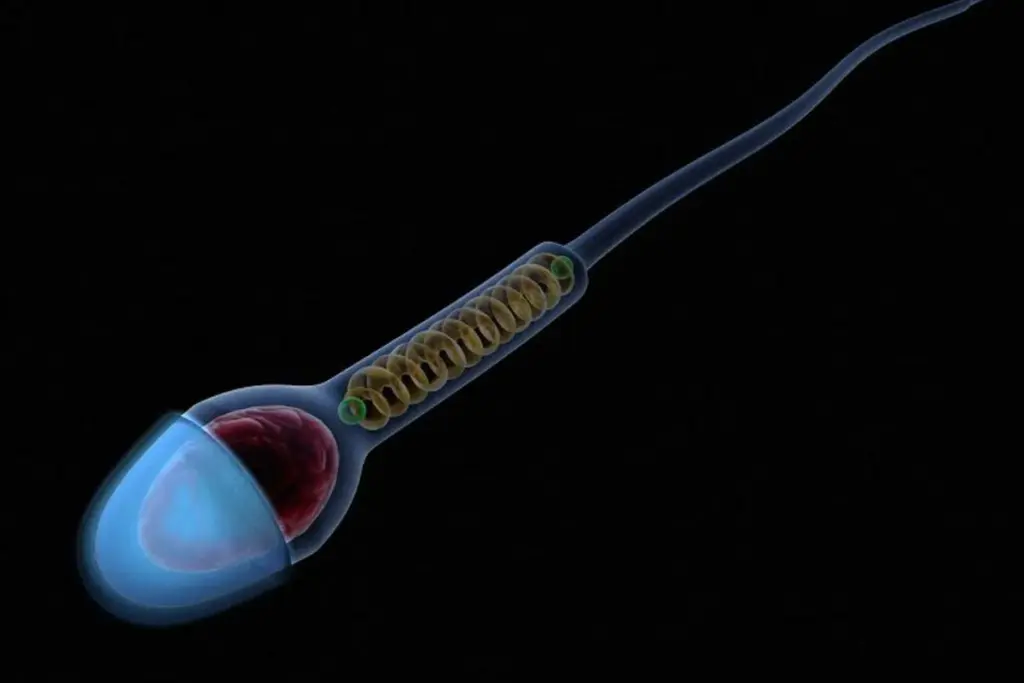
Sperm production happens in the testes, in the seminiferous tubules. Hormones like testosterone and follicle-stimulating hormone (FSH) control this process. It takes about 64 to 72 days from start to finish.
Key stages of spermatogenesis include:
- Spermatogonia: The initial cells that undergo division to start the process.
- Spermatocytes: Cells that undergo meiosis to reduce the chromosome number by half.
- Spermatids: Cells that undergo differentiation to become mature spermatozoa.
- Spermatozoa: Mature sperm cells capable of fertilizing an egg.
Factors Affecting Sperm Production
Many things can affect sperm production. These include:
- Hormonal Balance: Testosterone and other hormones are key in regulating spermatogenesis.
- Age: Sperm quality and production can decline with age.
- Lifestyle Factors: Toxins, smoking, too much alcohol, and obesity can harm sperm production.
- Medical Conditions: Conditions like varicocele, infections, and hormonal imbalances can also affect sperm production.
The American Society for Reproductive Medicine says, “A healthy lifestyle and managing health conditions are key for good sperm production.”
Average Sperm Count
A normal sperm count is at least 15 million per milliliter of semen. Counts below this can signal fertility issues. But, it’s important to remember that sperm count is just one part of male fertility. Sperm motility and morphology also matter.
It’s worth noting that: “Sperm count can vary a lot among healthy men. Things like how often you ejaculate can temporarily change sperm count.”
Frequency of Sperm Release: What’s Normal?
What’s considered normal in sperm release varies a lot. This is due to many factors like culture and personal choices. Biological, psychological, and social elements all play a part.
Daily Release vs. Weekly Release
There’s a debate on whether daily or weekly sperm release is better. Both can be normal, depending on health, age, and lifestyle.
Let’s look at some key points:
Could lead to temporary decreases in sperm count and quality.
|
Frequency |
Potential Benefits |
Potential Drawbacks |
|---|---|---|
|
Daily Release |
May help in clearing out old sperm, potentially improving fertility in some cases. | |
|
Weekly Release |
Allows for a more stable sperm count and potentially better sperm quality. |
Might not be as effective in clearing out old sperm as daily release. |
Cultural and Individual Variations
Culture and personal choices greatly affect sperm release frequency. Different cultures have different views on sex and ejaculation.
Studies show that cultural views on sex can impact sperm release frequency. Age, health, and sexual activity level also play a role.
Healthcare providers need to understand these variations. This helps them give better advice and care. It lets people know what’s normal for them and make smart choices about their health.
Health Benefits of Regular Sperm Release
Research shows that regular ejaculation brings many health benefits. It’s important to look at how it affects our physical and mental health.
Potential Physical Health Benefits
Regular sperm release may lower the risk of prostate cancer. Studies say it helps remove harmful substances from the body.
It also keeps the prostate healthy. Frequent ejaculation helps the prostate gland work right.
Psychological Effects on Mood and Stress
Ejaculation releases hormones that make us feel good. These hormones help reduce stress and boost our mood.
Sex also strengthens emotional bonds. It can be very calming and help us feel more relaxed.
Relationship Dynamics and Intimacy
Regular sperm release can make relationships better. It helps partners feel closer and more connected.
A healthy sex life improves communication and trust. This leads to a happier partnership and a better relationship.
|
Health Benefit |
Description |
|---|---|
|
Reduced Prostate Cancer Risk |
Frequent ejaculation may help reduce the risk of prostate cancer by flushing out carcinogens. |
|
Improved Prostate Health |
Regular sperm release can contribute to improved prostate health by reducing the risk of prostatitis. |
|
Stress Relief and Improved Mood |
The release of endorphins during ejaculation can help reduce stress and improve mood. |
|
Enhanced Relationship Intimacy |
Sexual intimacy associated with regular sperm release can strengthen emotional bonds and improve relationship quality. |
Risks of Releasing Sperm Daily
Daily ejaculation is normal for men but comes with risks. We need to look at how it affects sperm quality, causes physical discomfort, and has psychological effects.
Impact on Sperm Quality
Releasing sperm daily can harm sperm quality. Studies show it might lower sperm count and how well they move. Both are key for fertility.
A study in the Journal of Andrology found frequent ejaculation lowers sperm count and motility. But, sperm quality can get better with time off from ejaculation.
|
Ejaculation Frequency |
Sperm Count (millions/ml) |
Sperm Motility (%) |
|---|---|---|
|
Daily |
40-60 |
40-50 |
|
Every Other Day |
60-80 |
50-60 |
|
Weekly |
80-100 |
60-70 |
Potential Physical Discomfort
Frequent ejaculation can cause physical issues. Men might feel tired, sore, or irritated in their genital area. These feelings usually go away with less ejaculation but can worry some men.
Too much masturbation or sex can also cause epididymitis. This is an inflammation of the epididymis, leading to pain and swelling in the testicles.
Psychological Implications
Daily sperm release can affect a man’s mind too. It might make him feel guilty, anxious, or less interested in sex. The need to always perform can also stress him out.
It’s important for men to know these psychological risks. Talking openly with partners and doctors can help manage these feelings.
The Science of Sperm Aging
Sperm quality and aging are linked to how often a man ejaculates. This has been a focus of recent studies. As men get older, their sperm quality often goes down, which can hurt their ability to have children. It’s important for men to know about sperm aging to protect their reproductive health.
Optimal Frequency for Sperm Release
Figuring out how often to release sperm is tricky. It depends on age, health, and what a man wants to achieve in terms of fertility. Studies show that both too little and too much ejaculation can harm sperm quality.
Finding the right balance is essential for men who want to have children. Knowing this balance is key.
The Aging Process of Sperm Cells
Sperm cells age like any other cells in the body. This aging is influenced by genetics, environment, and lifestyle. Oxidative stress, for example, can harm sperm DNA, speeding up aging.
- Genetic predispositions play a big role in sperm aging.
- Lifestyle choices, like diet and exposure to toxins, affect sperm quality.
- The role of antioxidants in fighting oxidative stress is being studied.
In summary, understanding sperm aging is vital. It shows the need to find the right balance in releasing sperm to keep quality high. By knowing what affects sperm aging, men can take steps to support their reproductive health.
Sperm Release and Fertility Considerations
For couples trying to conceive, knowing how sperm release frequency affects fertility is key. How often sperm is released can greatly impact chances of getting pregnant. It’s a critical factor for those trying to conceive.
Frequency and Its Impact on Fertility
The link between sperm release frequency and fertility is complex. Studies show that both too much and too little ejaculation can harm sperm health. Too frequent ejaculation might lower sperm count, which can reduce fertility. On the other hand, infrequent ejaculation can lead to older sperm with lower motility and viability.
It’s important to find the right balance in sperm release frequency for better fertility. Research suggests that ejaculating every 2-3 days can keep sperm count healthy and ensure they stay viable.
Maximizing Sperm Health for Conception
To improve sperm health for conception, several factors are important. A healthy lifestyle, including a balanced diet, regular exercise, and avoiding harmful substances like tobacco and excessive alcohol, is key. Managing stress levels and getting enough sleep also positively affects sperm quality.
- Eating foods rich in antioxidants, such as fruits, vegetables, and nuts, can improve sperm health.
- Drinking plenty of water is essential for keeping sperm viable.
- Avoiding toxins and pollutants helps protect sperm health.
By understanding the role of sperm release frequency in fertility and adopting healthy habits, couples can increase their chances of successful conception.
Misconceptions About Daily Sperm Release
Many men are confused about daily sperm release. This confusion comes from myths and misconceptions. We aim to clear up these myths and share facts to help men understand their reproductive health better.
Common Myths Debunked
Several myths surround the frequency of sperm release. Let’s examine a few:
- Myth 1: Daily sperm release leads to infertility. This is not entirely accurate. While too much might lower sperm count temporarily, it doesn’t cause long-term infertility.
- Myth 2: Sperm release daily weakens the body. There’s no solid evidence to back this claim.
- Myth 3: Frequent ejaculation causes prostate issues. Studies suggest it might actually help prostate health.
Evidence-Based Facts
To understand daily sperm release, let’s look at some facts:
|
Frequency of Sperm Release |
Impact on Sperm Quality |
Health Considerations |
|---|---|---|
|
Daily |
Temporary reduction in sperm count; quality unaffected in the long term. |
Potential for physical discomfort; psychological effects vary. |
|
Weekly |
Optimal sperm count for fertility; quality maintained. |
Generally considered normal; less likely to cause discomfort. |
|
Less than Weekly |
Sperm count and quality potentially higher due to less frequent release. |
May be associated with lower sexual activity or health issues. |
It’s key to remember that everyone is different. What’s right for one person might not be for another. Health, age, and how active you are sexually can affect what’s considered healthy for you.
By knowing the facts and debunking myths, men can make better choices about their sperm release. This helps them understand their reproductive health better.
Nutrition and Sperm Health
Eating well is key for sperm health. Some foods are better than others for making sperm. What we eat and how much water we drink can really affect sperm quality. Let’s look at how food and water impact sperm health and fertility.
Foods That Support Sperm Production
Some foods are packed with nutrients that help sperm. These include:
- Antioxidant-rich foods like berries, leafy greens, and other fruits and vegetables that help reduce oxidative stress.
- Omega-3 fatty acids found in fatty fish, nuts, and seeds, which support the structural integrity of sperm cells.
- Zinc-rich foods like oysters, beef, and chicken, as zinc is critical for testosterone production and sperm development.
- Folate-rich foods such as spinach, beans, and fortified cereals, which help in DNA synthesis and repair.
Eating these foods can boost sperm health. Here’s a simple table showing the benefits of these nutrients:
|
Nutrient |
Food Sources |
Benefit to Sperm Health |
|---|---|---|
|
Antioxidants |
Berries, leafy greens |
Reduce oxidative stress, improving sperm quality |
|
Omega-3 fatty acids |
Fatty fish, nuts, seeds |
Support sperm cell structure and function |
|
Zinc |
Oysters, beef, chicken |
Crucial for testosterone production and sperm development |
|
Folate |
Spinach, beans, fortified cereals |
Essential for DNA synthesis and repair |
Role of Hydration in Sperm Quality
Drinking enough water is vital for sperm health. Adequate fluid intake keeps the reproductive system healthy. Not drinking enough can lower sperm count and motility.
While water needs vary, aim for 8-10 glasses a day. Avoid drinks with caffeine and sugar to stay hydrated and support sperm health.
Exercise and Sperm Quality
The link between exercise and sperm quality is complex. Research shows that physical activity can greatly affect reproductive health. We’ll look at how different exercises impact sperm health and suggest good routines.
Impact of Physical Activity on Sperm Health
Exercise can positively affect sperm quality, but the impact varies. Moderate exercise, like brisk walking or cycling, can boost sperm count and motility. But, too much or very intense exercise can harm due to increased oxidative stress.
Recommended Exercise Routines
Men wanting to boost sperm health through exercise should aim for balance. A mix of moderate-intensity aerobic exercises, like jogging or swimming, and strength training is best. It’s also vital to avoid overdoing it and get enough rest.
To get the most from exercise for sperm quality, follow these tips:
- Do at least 150 minutes of moderate-intensity aerobic exercise weekly.
- Add strength training to your routine, focusing on big muscle groups.
- Stay away from extreme temperatures, like saunas or hot tubs, as they can hurt sperm health.
Hormonal Influences on Sperm Production
Hormones are key in making sperm. Testosterone is a major player in this process. The right balance of hormones is vital for the reproductive system to work well.
Role of Testosterone
Testosterone is the main male sex hormone. It’s important for sperm development and maturation. Without enough testosterone, sperm count and fertility can drop.
Key Functions of Testosterone:
- Stimulates spermatogenesis
- Maintains secondary sexual characteristics
- Regulates libido
Other Key Hormones to Consider
Other hormones also play big roles in sperm production and male fertility. These include follicle-stimulating hormone (FSH), luteinizing hormone (LH), and estrogen.
|
Hormone |
Function |
Impact on Sperm Production |
|---|---|---|
|
Testosterone |
Stimulates spermatogenesis |
Crucial for sperm development |
|
FSH |
Essential for spermatogenesis |
Supports sperm production |
|
LH |
Stimulates testosterone production |
Indirectly supports sperm production by regulating testosterone |
|
Estrogen |
Regulates sperm maturation and motility |
Important for sperm quality |
Knowing how hormones affect sperm production helps spot fertility problems. Keeping hormones balanced is key for healthy sperm.
The Importance of Sexual Health
Good sexual health is key to feeling complete and happy. It’s not just about avoiding diseases. It’s also about enjoying safe and pleasurable sex. We think it’s essential for a good life.
Regular Check-ups and Screenings
Regular visits to the doctor are important for your sexual health. They help catch problems early and teach you about safe sex. We suggest you make these visits a priority.
Key aspects to discuss during check-ups include:
- Sexual history and any changes
- Concerns or symptoms
- Safe sex practices and contraception
- STI testing and prevention
Safe Sexual Practices
Practicing safe sex is vital for your health. This means using protection, knowing your partner’s health, and getting tested for STIs. It’s all about keeping yourself and your partner safe.
|
Safe Sexual Practice |
Benefit |
|---|---|
|
Using condoms |
Reduces the risk of STIs and unintended pregnancy |
|
Regular STI testing |
Early detection and treatment of STIs |
|
Open communication with partners |
Enhances trust and understanding of each other’s sexual health |
Conclusion: Finding Balance
Finding the right frequency for sperm release is very personal. It depends on health, lifestyle, and personal situations. We’ve looked at how different things affect sperm production and daily release.
Personalizing Ejaculation Frequency
Figuring out the best ejaculation frequency is complex. It involves physical health, emotional state, and relationship status. Understanding these helps people make smart choices about how often to release sperm.
Attuning to Body Signals
It’s important to listen to your body’s signals to find balance. Paying attention to how your body reacts to different release frequencies helps adjust habits. This can improve health and well-being.
Being mindful of your body’s needs is key to finding balance. By paying attention and making changes, you can find a release frequency that supports your health and happiness.
FAQ
How often should men ejaculate?
Ejaculation frequency varies among individuals. It’s important to understand what affects sperm production and release. This can help determine what’s normal for each person.
Is it bad to ejaculate every day?
Daily ejaculation can have both good and bad effects. It might keep the prostate healthy and lower stress. But, it could also affect sperm quality. It’s key to consider these factors and your personal situation.
How many times can a man ejaculate in a day?
The number of times a man can ejaculate daily varies. It depends on age, health, and sexual activity frequency. While there’s no limit, too much might cause discomfort or lower sperm quality.
What is a normal amount of ejaculate?
The average ejaculate volume is 1.5 to 5 milliliters. But, this can change from person to person and even within the same person.
Can men run out of sperm?
Men don’t completely “run out” of sperm. The body keeps producing sperm. But, age, health, and lifestyle can affect sperm production and quality.
How does nutrition impact sperm health?
Eating a balanced diet with vitamins C and E, zinc, and omega-3 fatty acids helps sperm health. Drinking enough water is also important for sperm quality.
Can exercise influence sperm quality?
Exercise can improve sperm quality by boosting health, reducing stress, and balancing hormones. But, too much exercise might be harmful.
What role do hormones play in sperm production?
Hormones, like testosterone, are key in sperm production. Hormone imbalances can affect sperm health.
How often should men have sex or masturbate for optimal health?
The best frequency of sex or masturbation varies. It’s important to find a balance that suits your needs and promotes well-being.
Is it unhealthy to not ejaculate for an extended period?
Not ejaculating for a long time can cause discomfort or pain from seminal fluid buildup. But, the body can adapt. Risks are usually related to individual health conditions.
What are the benefits of regular sperm release?
Regular sperm release may keep the prostate healthy, reduce stress, and improve overall well-being. It also supports relationship dynamics and intimacy.
References
National Center for Biotechnology Information. Evidence-Based Medical Insight. Retrieved from https://pubmed.ncbi.nlm.nih.gov/35152989/