
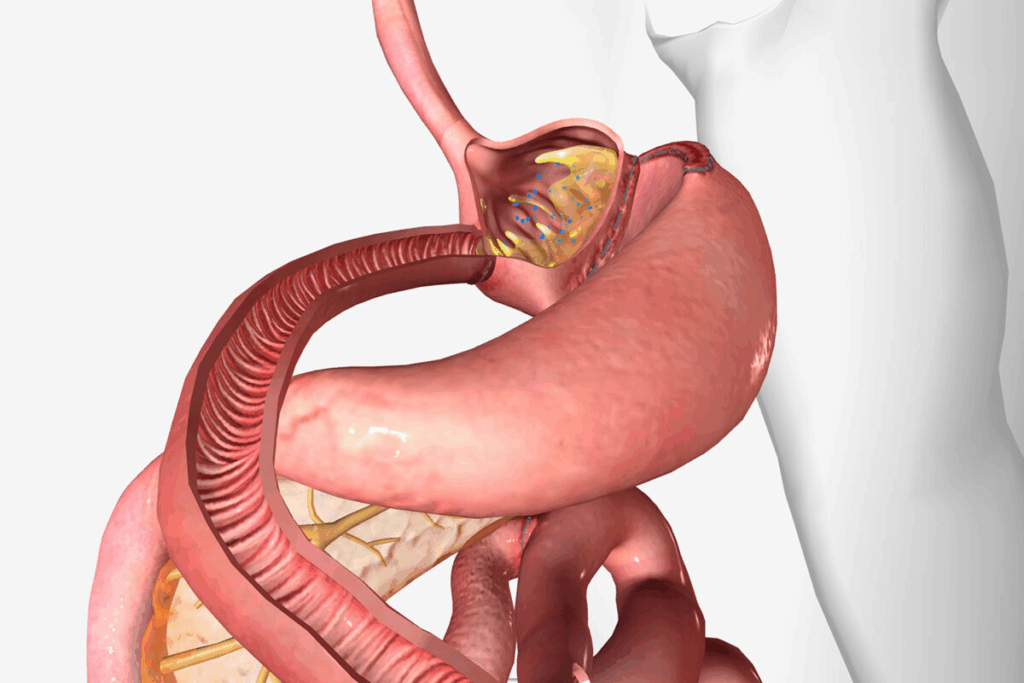
Gastric bypass surgery helps with weight loss but also raises the risk of iron deficiency and anemia. Up to 58% of patients may face iron deficiency anemia years after surgery. This is because the duodenum, the main site for iron absorption, is excluded during the procedure.
At Liv Hospital, we know how vital it is to manage iron deficiency after gastric bypass surgery. The changes made during surgery can greatly affect iron absorption. This can lead to issues like chronic fatigue and problems with thinking clearly. We find that oral supplements alone are not enough. Sometimes, we need to use advanced intravenous iron therapies.
Key Takeaways
- Gastric bypass surgery can cause iron deficiency and anemia in up to 58% of patients.
- The exclusion of the duodenum during surgery affects iron absorption.
- Oral supplements may not be enough to manage iron deficiency.
- Advanced intravenous iron therapies can help prevent debilitating symptoms.
- Specialized nutritional protocols are key for managing iron levels after surgery.
Understanding Iron Deficiency After Gastric Bypass

Iron deficiency is a big problem for many after gastric bypass surgery. It’s more common than after other surgeries like sleeve gastrectomy or adjustable gastric band. This issue affects women more. We’ll look into why this happens and its health effects.
Prevalence Rates and Statistics
Iron deficiency is a big problem after gastric bypass. Studies show it affects 20% to 50% of people in the first few years. This range varies due to surgery type, diet, and menstrual status in women.
These numbers show we need to watch iron levels closely after surgery. Important facts include:
- Up to 50% of patients may develop iron deficiency within 2 years post-surgery.
- Women are at higher risk due to menstrual blood loss.
- Dietary habits and supplement intake play a big role in preventing deficiency.
Why Iron Deficiency Is Common After Surgery
The changes in the stomach during gastric bypass surgery affect iron absorption. The duodenum, where iron is absorbed, is no longer used. This makes it hard to get enough iron from food or supplements.
Short and Long-term Health Impacts
Iron deficiency can cause problems right away and later on. Short-term, it leads to fatigue, weakness, and poor wound healing. Long-term, it can cause anemia, leading to serious issues like cardiovascular problems and impaired cognitive function.
Understanding these long-term effects is key to managing iron deficiency.
What Happens to the Duodenum After Gastric Bypass

Understanding how gastric bypass affects the duodenum is key to managing iron deficiency after surgery. The duodenum, the first part of the small intestine, is vital for absorbing nutrients like iron.
Anatomical Changes During Surgery
Gastric bypass surgery makes big changes to the duodenum. It creates a small pouch from the stomach and connects it to the jejunum. This bypasses the duodenum and part of the small intestine, changing how nutrients are absorbed.
The exclusion of the duodenum from the digestive pathway has significant implications for nutrient absorption, including iron. Normally, the duodenum absorbs a lot of dietary iron. After surgery, the body can’t absorb iron as well because the main site for iron absorption is bypassed.
Impact on Iron Absorption Pathways
The duodenum is designed to absorb iron because of its acidic environment and special transport mechanisms. When food bypasses the duodenum, iron absorption drops. This can lead to iron deficiency over time, needing diet or supplement changes.
Studies show about two-thirds of patients ten years after surgery have low iron levels, even with supplements. This highlights the challenge of keeping iron levels up after gastric bypass.
Time Post-Surgery | Percentage of Patients with Low Ferritin Levels | Common Interventions |
1-2 years | 30% | Oral iron supplements, dietary adjustments |
5 years | 50% | Intravenous iron therapy, continued oral supplements |
10 years | 66% | Long-term intravenous iron therapy, monitoring |
Long-term Consequences of Duodenal Bypass
Bypassing the duodenum can lead to iron deficiency anemia, fatigue, and other health issues. Managing these effects needs a full plan, including iron level checks, diet changes, and sometimes intravenous iron.
It’s vital for patients after gastric bypass to stay in close touch with their healthcare team to keep iron levels in check. Regular check-ups and blood tests can spot iron deficiency early, allowing for quick action.
Recognizing Symptoms of Post-Bariatric Iron Deficiency
After gastric bypass surgery, patients should watch out for iron deficiency signs. About one-fourth to one-half of patients get anemia within six months to four years. Women who menstruate are at the highest risk.
Early Warning Signs
The first signs of iron deficiency are often small but important. Look out for fatigue, weakness, and pale skin. These happen because the body lacks iron to make hemoglobin, which carries oxygen.
Other early signs include hair loss, brittle nails, and a rapid heartbeat. It’s key for patients to notice these changes and tell their doctor.
Advanced Symptoms of Iron Deficiency Anemia
Iron deficiency can turn into anemia if not treated. This leads to more serious symptoms. Look out for shortness of breath, chest pain, and a strange pounding sensation in the ears. Some people might also crave non-nutritious things, called pica.
In severe cases, anemia can really affect daily life. It makes it hard to do everyday tasks because of tiredness and lack of energy.
When to Seek Medical Attention
It’s important for patients to know when to see a doctor for iron deficiency. If symptoms get worse or health declines, seek help.
Regular check-ups with doctors are key. They help keep an eye on iron levels and solve problems quickly. This teamwork helps manage iron deficiency and avoid long-term issues.
Diagnostic Testing for Iron Status After Surgery
To manage iron deficiency after gastric bypass surgery, regular testing is key. We’ll cover the important tests for iron deficiency, how to understand the results, and when to get tested.
Essential Laboratory Tests
Your doctor will do blood tests to check for iron deficiency or anemia. The main tests are:
- Ferritin levels: This test shows your body’s iron stores.
- Serum iron: It measures iron in your blood.
- Total iron-binding capacity (TIBC): This test checks your blood’s iron-binding ability.
- Transferrin saturation: It shows how much iron is bound to transferrin.
- Complete blood count (CBC): This test can spot anemia.
Interpreting Your Test Results
It’s important to understand your test results to manage your iron. Here’s what you need to know:
- Low ferritin levels mean you have less iron.
- Low serum iron and high TIBC suggest iron deficiency anemia.
- Transferrin saturation under 20% may show iron deficiency.
Your doctor will look at these results with your health and history in mind.
Recommended Testing Schedule
Regular checks are essential for keeping iron levels right. We suggest:
- Testing every 3-6 months in the first year after surgery.
- Annual tests after that, or as your doctor advises.
Standard multivitamins with 18 milligrams of iron are often not enough for post-bypass patients. So, regular testing is very important.
By sticking to this testing plan and working with your doctor, you can keep your iron levels in check and avoid problems.
Oral Iron Supplementation Strategies
After gastric bypass surgery, oral iron supplements can help manage iron deficiency. Some people can boost their iron levels through diet changes. But, if your iron levels are low due to surgery, your doctor will likely prescribe supplements.
Types of Iron Supplements Available
There are many iron supplements, like ferrous sulfate, ferrous gluconate, and ferrous fumarate. Each has different iron content and how well it’s absorbed. Ferrous sulfate is often chosen because it has a lot of iron and is absorbed well.
Talking to your doctor is key to finding the right iron supplement and dosage for you.
Optimal Dosing for Bariatric Patients
Bariatric patients often need more iron because their bodies absorb it less. The right dose depends on your iron levels and the supplement type.
Research shows that vitamin C can help iron absorption. So, taking iron with vitamin C, like in orange juice, is often advised.
Maximizing Absorption of Oral Supplements
To get the most from iron supplements, take them on an empty stomach. Food can block iron absorption. But, if you get stomach problems, taking it with a bit of food might help.
Stay away from tea, coffee, and dairy products when taking your iron. These can also block iron absorption.
Managing Common Side Effects
Side effects of iron supplements include nausea, constipation, and dark stools. To ease these, try taking the supplement with food. But, this might lower how much iron your body absorbs. For constipation, your doctor might suggest stool softeners or laxatives.
In some cases, you might need intravenous iron therapy. This is for those who can’t tolerate or don’t respond well to oral supplements. About 8-22% of anemic patients might need this treatment.
Dietary Approaches to Improve Iron Status
Choosing the right foods can help improve iron levels after gastric bypass surgery. While diet alone may not solve iron deficiency, it’s very important. It helps manage and might even boost iron levels.
Iron-Rich Foods Compatible with Post-Bypass Diet
It’s key to add iron-rich foods to your diet after gastric bypass. These include red meat, poultry, seafood, spinach, kale, lentils, chickpeas, and iron-fortified grains. Also, iron-fortified cereals and bread are good choices.
Examples of Iron-Rich Foods:
- Red meat (beef, lamb)
- Poultry (chicken, turkey)
- Seafood (clams, sardines, shrimp)
- Leafy greens (spinach, kale)
- Legumes (lentils, chickpeas)
- Iron-fortified grains and cereals
Foods That Enhance Iron Absorption
Some foods help your body use iron better. Vitamin C-rich foods like citrus fruits, bell peppers, and tomatoes are great. They should be eaten with iron-rich foods.
Tips to Enhance Iron Absorption:
- Eat Vitamin C-rich foods with iron-rich foods
- Cook in cast-iron cookware
- Avoid tea and coffee with meals
Foods and Beverages to Avoid
Some foods and drinks can block iron absorption. It’s best to limit tea, coffee, and milk. Foods high in phytates, like whole grains and some legumes, can also lower iron absorption if eaten too much.
Food/Beverage | Effect on Iron Absorption |
Tea and Coffee | Reduce iron absorption |
Milk (excessive consumption) | May decrease iron absorption |
Foods high in phytates | Can reduce iron absorption |
Meal Planning Tips for Optimal Iron Intake
Good meal planning is vital for keeping iron levels right. Include a variety of iron-rich foods in your diet. Also, think about foods that help or hinder iron absorption.
Meal Planning Strategies:
- Plan meals around iron-rich foods
- Include Vitamin C-rich foods in meals
- Avoid too much milk and phytate-rich foods
- Cook in cast-iron cookware when possible
Intravenous Iron Therapy Options
When oral iron supplements don’t work, intravenous iron therapy is needed. This is true for those with heavy periods or severe anemia. Oral supplements might not be enough to fill iron stores.
When IV Iron Becomes Necessary
Intravenous iron is for those who can’t get enough iron from pills. It’s great for bariatric patients. Their surgery can make it hard to absorb iron.
Here are signs you might need IV iron:
- Severe iron deficiency anemia
- Can’t take oral iron pills
- Oral iron doesn’t work well
- Keep losing a lot of blood
Types of IV Iron Formulations
There are many IV iron types, each with its own benefits. The right one depends on your needs and health history.
Some common IV iron types are:
- Iron sucrose: Good for those with kidney disease
- Ferric carboxymaltose: Allows for bigger doses in fewer visits
- Iron dextran: Can be given in one dose, but needs a test first
What to Expect During Treatment
IV iron treatment involves getting iron over time. The time varies based on the type and dose. Most people do well, but there can be side effects.
Side effects might include:
- Mild allergic reactions
- Headache
- Dizziness
- Nausea
Potential Risks and Benefits
IV iron therapy has many benefits, like quickly fixing iron levels. But, there are risks like allergic reactions and needing a doctor nearby.
“Intravenous iron therapy has changed how we treat iron deficiency anemia. It’s a game-changer for those who don’t respond to pills or have severe deficiency.”
Expert Opinion
Knowing your options and what to expect helps you make good choices. We’re here to support you and help you get the best care.
Special Considerations for High-Risk Groups
Managing iron deficiency after gastric bypass surgery is more complex for certain groups. These groups face unique challenges in keeping their iron levels up. This is due to their health status or lifestyle.
Menstruating Women
Menstruating women are at a higher risk of iron deficiency after gastric bypass surgery. This is because they lose blood each month. We advise these women to stay in close touch with their healthcare providers to check their iron levels often. Key strategies include:
- Increased frequency of iron level checks
- Personalized iron supplementation plans
- Dietary adjustments to enhance iron intake
Pregnant and Breastfeeding Women
Pregnant and breastfeeding women need more iron, making them a high-risk group. It’s vital for them to get comprehensive care that meets their nutritional needs. This care may include:
- Regular monitoring of iron and other nutrient levels
- Adjusted supplementation regimens
- Nutritional counseling to support their increased needs
Athletes and Physically Active Individuals
Athletes and those who are very active may struggle to keep their iron levels up after gastric bypass surgery. Their bodies need more iron because of their activity level. We recommend that these individuals:
- Work with a sports dietitian to optimize their nutrition
- Monitor their iron levels regularly
- Consider adjusted supplementation if necessary
Patients with Concurrent Medical Conditions
Patients with conditions like celiac disease or Crohn’s disease may find it harder to absorb nutrients. This makes managing iron deficiency after gastric bypass surgery even more challenging. For these patients, we suggest:
- Close collaboration with their healthcare team to manage their conditions
- Tailored nutritional plans to address their specific needs
- Regular monitoring to adjust their treatment plans as necessary
Overcoming Challenges in Long-term Iron Management
Managing iron levels long-term after gastric bypass surgery is tough. Patients face many challenges to keep their health up. Finding effective ways to tackle these issues is key to maintaining good iron levels.
Addressing Supplement Fatigue
One big challenge is supplement fatigue. Patients often feel tired from taking iron supplements for a long time. To fight this, we suggest:
- Rotating iron supplements with other vitamins to minimize side effects
- Adjusting the timing of supplement intake to reduce gastrointestinal discomfort
- Keeping a supplement diary to track any changes in energy levels and side effects
Managing Gastrointestinal Side Effects
Iron supplements can cause stomach problems. To deal with these issues, patients can:
- Take iron supplements with food to reduce nausea and stomach upset
- Choose iron supplements that are formulated to be gentle on the stomach
- Consider alternative forms of iron, such as intravenous iron therapy, if oral supplements are not tolerated
Regular visits with healthcare providers are vital for staying healthy and managing iron supplements.
Navigating Insurance and Healthcare Systems
Dealing with insurance and healthcare systems can be hard. To make it easier:
- Patients should work closely with their healthcare providers to understand insurance coverage for iron supplements and related treatments
- Keep detailed records of medical appointments, treatments, and communications with insurance providers
- Seek assistance from patient advocacy groups if needed
Using Technology to Maintain Compliance
Technology can help stick to iron management plans. Patients can:
- Use mobile apps to track supplement intake and schedule reminders
- Participate in telehealth appointments to monitor iron levels and adjust treatment plans as necessary
- Engage with online communities and forums to share experiences and gain support from others undergoing similar treatments
By using these strategies, patients can overcome the challenges of long-term iron management after gastric bypass surgery.
Strategy | Description | Benefits |
Supplement Rotation | Rotating iron supplements with other vitamins | Reduces side effects, minimizes fatigue |
Gastrointestinal Management | Taking iron with food, choosing gentle formulations | Reduces nausea, stomach upset |
Insurance Navigation | Working with healthcare providers, keeping detailed records | Simplifies insurance processes, reduces stress |
Technology Use | Using mobile apps, telehealth services, online communities | Enhances compliance, provides support |
Conclusion: Living Well After Gastric Bypass
Managing iron deficiency is key to staying healthy after gastric bypass surgery. Knowing how important iron is and using the right strategies helps patients stay well for a long time.
To stay healthy after surgery, work closely with your doctor to find the best iron supplement plan. Regular check-ups and a balanced diet can help avoid iron deficiency problems.
It’s important to keep all medical appointments and follow a plan made just for you to manage iron levels. This way, patients can keep their health in check and enjoy the benefits of their surgery.
Managing iron deficiency well helps patients thrive after gastric bypass surgery. It improves their quality of life and supports their overall health.
FAQ
What happens to the duodenum during gastric bypass surgery?
During gastric bypass surgery, the duodenum is bypassed. This means food no longer goes through it. This can cause less iron to be absorbed, as the duodenum is key for iron absorption.
Why is iron deficiency common after gastric bypass surgery?
Iron deficiency is common after gastric bypass surgery. This is because the surgery makes it harder for the body to absorb iron from food. The duodenum’s exclusion is a big reason for this.
What are the symptoms of iron deficiency after gastric bypass surgery?
Symptoms of iron deficiency include fatigue, weakness, and pale skin. Shortness of breath and dizziness can also occur. If not treated, these symptoms can get worse.
How is iron deficiency diagnosed after gastric bypass surgery?
Iron deficiency is diagnosed with lab tests. These include a complete blood count (CBC) and tests for serum iron and ferritin. Regular checks are key to managing iron levels.
What are the best iron supplements for bariatric patients?
Oral iron supplements, like ferrous sulfate or ferrous gluconate, are best for bariatric patients. Some might need intravenous iron therapy if oral supplements don’t work.
How can I maximize iron absorption after gastric bypass surgery?
Eat iron-rich foods like red meat and fortified cereals. Also, eat foods high in vitamin C to help absorb iron. Avoid tea, coffee, and dairy products, as they can block iron absorption.
Can weight loss cause iron deficiency?
Weight loss itself doesn’t directly cause iron deficiency. But, significant weight loss after gastric bypass can reduce iron absorption and increase the risk of deficiency.
Are there any special considerations for managing iron deficiency in high-risk groups?
Yes, certain groups need special care for iron deficiency. This includes menstruating women, pregnant and breastfeeding women, athletes, and those with other health conditions. They may need more frequent checks and adjusted treatment plans.
How can I overcome challenges in long-term iron management after gastric bypass surgery?
To manage iron long-term, address supplement fatigue and side effects. Also, navigate insurance and healthcare systems. Using technology can help stick to treatment plans.
What is the role of intravenous iron therapy in managing iron deficiency after gastric bypass surgery?
Intravenous iron therapy is for those who can’t take oral supplements or have severe deficiency. It quickly raises iron levels and is given under doctor’s care.
How much iron do gastric bypass patients need?
The iron needs of gastric bypass patients vary. It depends on the surgery type, health, and iron deficiency level. Regular monitoring and adjustments to supplements are needed to ensure enough iron.
References
- Mohebbi, F., et al. (2020). The incidence of iron deficiency anemia post-Roux-en-Y gastric bypass: A systematic review. Nutrition, 75-76, 110763. https://pubmed.ncbi.nlm.nih.gov/31485928/