

When cancer affects the brain, it can cause a serious condition called cerebral edema or brain swelling. At Liv Hospital, we know how complex this issue is. We’re here to offer top-notch care to those dealing with it.
Cerebral edema often happens in cancer patients, mainly those with brain tumors or metastases. The main tumor, metastasis, or treatments like radiation can increase pressure in the skull. This leads to brain swelling.
We’ll look into the reasons, signs, and ways to treat cerebral edema. We’ll use the latest medical studies and our team’s knowledge to give you a full picture.
Key Takeaways
- Cerebral edema is a serious concern for cancer patients, mainly those with brain tumors or metastases.
- The condition can be caused by the primary tumor, metastasis, or as a side effect of treatments.
- Increased pressure in the skull is a significant consequence of cerebral edema.
- Understanding the causes and symptoms is key for effective management.
- Liv Hospital’s expert team is committed to providing patient-focused care for those affected by cerebral edema.
Understanding Cerebral Edema: The Medical Term for Brain Swelling
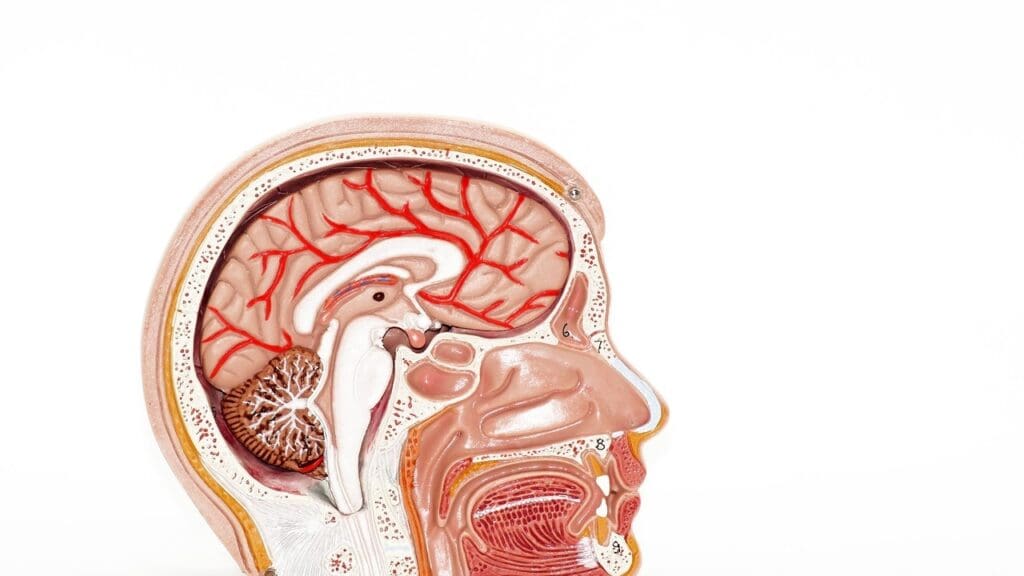
Cerebral edema, or brain swelling, is a serious issue for cancer patients. It happens when too much fluid builds up in the brain, causing pressure. This can be due to tumors, injuries, or infections.
Definition and Basic Mechanisms
Cerebral edema is when too much fluid gathers in the brain. This fluid can be inside brain cells (cytotoxic edema) or around them (vasogenic edema). Learning more about cerebral edema shows it can harm brain tissue by increasing pressure.
How Brain Swelling Differs in Cancer Patients
In cancer patients, swelling can come from the tumor or treatments like surgery or chemo. Tumors can break the blood-brain barrier, causing fluid to build up. Knowing these differences helps in managing the condition better.
The Impact of Limited Skull Space
The skull’s fixed shape means swelling can quickly lead to high pressure. This pressure can damage the brain and affect its function.
It’s vital to manage cerebral edema to avoid more brain damage. By understanding its causes, doctors can create better treatment plans.
The Relationship Between Brain Swelling and Cancer
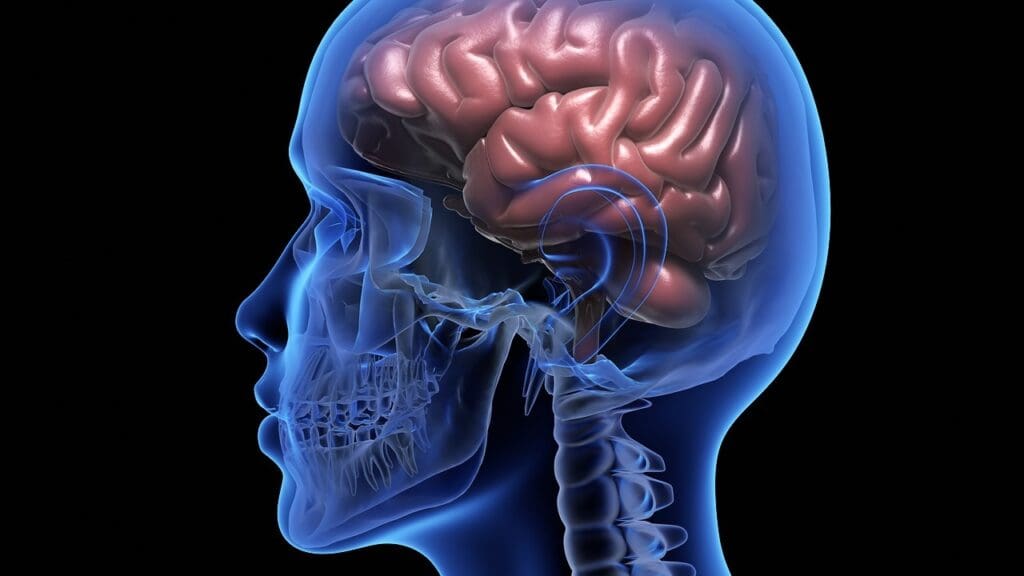
It’s important to know how brain swelling and cancer are linked. Brain swelling, or cerebral edema, can really affect cancer patients’ lives. It can make their life quality worse.
Primary Brain Tumors and Associated Edema
Primary brain tumors start in the brain and can cause swelling. Tumors like glioblastoma grow fast and can cause a lot of swelling. This is because they grow quickly and affect the brain tissue around them.
Metastatic Cancer to the Brain
Metastatic cancer spreads to the brain from other parts of the body. Cancers like melanoma, lung, breast, and kidney cancers often spread to the brain. This can cause swelling in the brain.
Risk Factors for Developing Cerebral Edema
There are several things that can make cancer patients more likely to get brain swelling. These include the tumor’s type and size, where it is in the brain, and the patient’s health. Knowing these risk factors helps us catch brain swelling early.
Understanding these factors helps us manage brain swelling better. This can improve cancer patients’ outcomes and quality of life.
Common Causes of Brain Swelling Cancer
Brain swelling in cancer patients can come from many sources. These include tumor pressure, treatment side effects, and other health issues. Knowing these causes helps doctors manage the condition better and improve patient care.
Tumor-Related Pressure and Growth
Tumors can press on brain tissue, causing swelling. As tumors grow, they can block the flow of cerebrospinal fluid. This leads to higher pressure inside the skull.
Treatment Side Effects (Radiation and Chemotherapy)
Radiation therapy can harm brain tissue, causing swelling. Chemotherapy can also affect the brain, leading to swelling. Symptoms of brain swelling from radiation include headaches, confusion, and seizures.
Infection and Inflammation
Cancer patients with weak immune systems are at risk of infections. These infections can cause brain inflammation and swelling. It’s important to treat infections quickly to avoid more problems.
Bleeding Within or Around the Brain
Bleeding in or around the brain can also cause swelling. This can happen when a tumor erodes into blood vessels or due to treatment effects.
| Cause | Description | Potential Symptoms |
|---|---|---|
| Tumor Growth | Disrupts cerebrospinal fluid flow, increasing intracranial pressure | Headaches, nausea, visual disturbances |
| Radiation Therapy | Damages surrounding brain tissue | Confusion, seizures, weakness |
| Infection | Causes inflammation | Fever, confusion, stiff neck |
| Bleeding | Increases pressure and swelling | Sudden headache, vomiting, loss of consciousness |
It’s key to understand why brain swelling happens in cancer patients. By knowing the causes and symptoms, doctors can create better treatment plans. This helps manage swelling in the brain more effectively.
What Does Brain Swelling Feel Like? Recognizing the Symptoms
It’s key to spot brain swelling signs early for quick medical help. Brain swelling, or cerebral edema, shows in different ways. Knowing its symptoms can really help patients.
Early Warning Signs
Early signs of brain swelling are subtle but important. Look out for mild headaches, confusion, and slight mood or behavior changes. You might also see dizziness or nausea. Watching these signs closely is vital, as they can get worse fast.
Progressive Neurological Symptoms
As brain swelling gets worse, symptoms get clearer. You might notice weakness or numbness in parts of the body, vision problems, and trouble speaking or understanding. Seizures or tremors can also happen. Spotting these signs is key for treatment changes.
Emergency Symptoms Requiring Immediate Care
In serious cases, brain swelling can cause life-threatening signs that need quick medical help. These include:
- Severe headaches that get worse
- Vomiting, often forceful
- Altered consciousness, from drowsiness to coma
Severe Headaches and Vomiting
Severe headaches from brain swelling are intense and don’t stop. Vomiting, often forceful, goes with these headaches, showing high pressure inside the skull.
Altered Consciousness
Altered consciousness is a serious sign needing fast medical help. It can be mild drowsiness or a coma, showing severe swelling needing emergency care.
It’s vital for patients and caregivers to know brain swelling symptoms. Spotting them early and getting the right medical help can greatly improve treatment results and life quality.
Swelling Face Brain Tumor Connection: External Signs
Facial swelling can worry people with brain tumors. It makes them wonder why it happens and what it means. We’ll look into how facial swelling relates to brain tumors, including signs and what makes them different.
Why Facial Swelling Occurs with Certain Brain Tumors
Facial swelling can happen in brain tumor patients due to high pressure inside the skull or where the tumor is. When a tumor grows, it can push on the brain, causing swelling in the face. This swelling can show that the tumor is there and affecting the brain.
Other Visual Changes and Physical Manifestations
Patients with brain tumors might see other changes too. These include vision problems like double vision or blurry vision. They might also feel weakness or numbness in their face or arms. These symptoms can really affect a person’s life and need quick medical help.
Differentiating from Other Causes of Facial Swelling
It’s key to tell facial swelling from other reasons like allergies or infections. A detailed medical check-up, including scans like MRI or CT, can find the real cause. Finding the right diagnosis is important for a good treatment plan.
Understanding facial swelling and brain tumors helps us manage symptoms better. This improves patients’ lives and outcomes.
Symptoms of Brain Swelling from Radiation Treatment
Brain swelling can happen as a side effect of radiation treatment. It’s important to know the symptoms to manage it well. Radiation therapy aims to treat brain tumors but can also cause swelling in the brain tissue.
Acute Swelling After Radiation Therapy
Acute swelling can start within days to weeks after treatment. Symptoms include headaches, nausea, vomiting, and feeling very tired. Some people might also have seizures or feel confused.
Delayed Radiation Effects on Brain Tissue
Delayed effects can show up months to years later. These can include getting worse at thinking, memory problems, and changes in personality. It’s key to watch patients closely for these signs.
Distinguishing Radiation Necrosis from Tumor Progression
It can be hard to tell if swelling is from radiation or if the tumor is growing. MRI and PET scans help figure this out.
Managing Radiation-Related Edema
To manage swelling, doctors use medicines like corticosteroids and other care. Sometimes, surgery is needed to relieve pressure from swelling.
| Symptoms | Acute Swelling | Delayed Radiation Effects |
|---|---|---|
| Headaches | Common | Rare |
| Nausea and Vomiting | Common | Rare |
| Cognitive Decline | Rare | Common |
| Seizures | Possible | Rare |
Neurological Impact of Swelling in the Brain
Brain swelling can deeply affect how we think, move, and feel. It changes many parts of our lives. Let’s look at how swelling in the brain impacts our brain’s functions.
Cognitive Changes and Confusion
Brain swelling often leads to changes in how we think. People might feel confused, disoriented, and struggle to focus. These symptoms can be hard on both the person and their family.
Motor Function Impairment
Swelling in the brain can also harm how we move. Patients might feel weak, numb, or unable to move parts of their body. This makes everyday tasks harder to do.
Personality and Behavioral Changes
Brain swelling can also change how we act and feel. People might become more irritable, anxious, or depressed. This can be tough for those close to them.
Impact on Daily Functioning
Brain swelling can make daily life very challenging. Simple tasks become hard, and people might need help with everyday activities. We need to think about this when planning treatment.
It’s key to understand how brain swelling affects our brain. This knowledge helps us give better care to cancer patients. By recognizing these effects, we can create better treatment plans to help patients.
Diagnosing Swelling on the Brain in Cancer Patients
Diagnosing brain swelling in cancer patients needs a detailed approach. This includes using advanced imaging and thorough clinical checks. This method helps doctors accurately diagnose and plan treatment.
Imaging Techniques (MRI, CT, PET)
Imaging studies are key in spotting brain swelling. MRI (Magnetic Resonance Imaging) and CT (Computed Tomography) scans help see the brain and find issues. MRI is great for soft tissue changes, while CT scans are quick for bleeding or acute changes.
PET (Positron Emission Tomography) scans check brain activity. They help tell if swelling is from a tumor or just water buildup.
Clinical Evaluation and Neurological Assessment
A detailed clinical check is vital for diagnosing brain swelling. Doctors do neurological tests to spot any brain function changes. This helps figure out how bad the swelling is and its effect on the patient.
Monitoring Intracranial Pressure
In some cases, watching intracranial pressure (ICP) is needed. High ICP can be dangerous. Keeping an eye on it lets doctors act fast if things change.
Differentiating Tumor Growth from Edema
It’s hard to tell if swelling is from a tumor or just water buildup. MRI and PET scans help doctors make this call. Knowing this is key for the right treatment.
Treatment Approaches for Managing Brain Edema Symptoms
Managing brain edema requires a variety of treatments. Each plan is made to fit the needs of the patient. These plans aim to ease symptoms and enhance life quality.
Medication Options
Corticosteroids are often used to lessen brain inflammation and swelling. They help quickly reduce symptoms like headaches and nausea. We also look at other drugs, like diuretics and anti-seizure medications, to manage symptoms.
Surgical Interventions
Surgery might be needed to relieve pressure from brain swelling. Options include removing part of the skull or using a shunt to drain fluid. We assess each patient to see if surgery is right for them.
Radiation and Chemotherapy Considerations
Radiation and chemotherapy are key treatments for brain cancers. Yet, they can also cause swelling. We adjust treatment plans to account for these effects. Sometimes, radiation can shrink tumors and reduce swelling.
Emerging Therapies and Clinical Trials
New treatments for brain edema are being researched. Several promising therapies are being tested in clinical trials. We keep up with these advancements, giving our patients access to new treatments that could improve their lives.
We combine proven treatments with new ones to offer full care for brain edema patients.
Liv Hospital’s Multidisciplinary Approach to Cerebral Edema
At Liv Hospital, we know how complex cerebral edema is. We’ve created a special way to handle it in cancer patients. Our goal is to give top-notch care to patients from around the world.
Innovative Protocols and Personalized Treatment Plans
We use innovative protocols to meet each patient’s unique needs. Our team works together to make personalized treatment plans. These plans are based on the patient’s specific situation.
| Treatment Aspect | Description | Benefit |
|---|---|---|
| Multidisciplinary Team | Collaboration among neurosurgeons, oncologists, and radiologists | Comprehensive care |
| Advanced Imaging | Use of MRI and CT scans for accurate diagnosis | Precise treatment planning |
| Personalized Medicine | Tailored treatment based on patient-specific factors | Effective management of cerebral edema |
Integration of Advanced Technologies
Our hospital has state-of-the-art technology for diagnosing and treating cerebral edema. We use advanced imaging to keep track of the condition. This helps us adjust treatment plans as needed.
Supportive Care and Symptom Management
We offer supportive care to manage symptoms of cerebral edema. This improves our patients’ quality of life. Our team focuses on both physical and emotional needs of patients and their families.
Patient and Family Education Resources
At Liv Hospital, we want to empower patients and their families. We provide education resources to help them understand cerebral edema. This includes how it’s managed and the treatment options available.
Conclusion: Navigating Life with Brain Swelling in Cancer
Dealing with brain swelling in cancer needs a full plan. This plan should mix medical help with care that supports. We’ve looked into the tough parts of brain swelling, its reasons, signs, and how it affects cancer patients. It’s key to know how brain swelling and cancer are linked to manage it well.
Handling brain swelling means working together. This includes using the latest medical treatments and making care plans that fit each person. Liv Hospital’s new ways and care help a lot in making patients better. We also need to keep learning and finding new ways to treat brain swelling.
We aim to make life better for cancer patients with brain swelling. As we learn more and get better treatments, we promise top-notch care. We’re here to help international patients with all they need.
What is cerebral edema, and how does it relate to cancer?
Cerebral edema, or brain swelling, is when too much fluid builds up in the brain. This can happen in cancer patients for several reasons. It might be because of the tumor itself, side effects from treatment, or other cancer-related issues.
What are the symptoms of brain swelling in cancer patients?
Symptoms can vary from mild to severe. They include headaches, confusion, and changes in how you think or move. In serious cases, it can cause emergency symptoms that need quick attention.
Can facial swelling be a sign of a brain tumor?
Yes, facial swelling can be a sign of certain brain tumors. This is because of the pressure and inflammation caused by the tumor. But, it’s important to check if it’s from the tumor or something else.
How does radiation therapy affect brain swelling?
Radiation therapy can lead to brain swelling. This can happen right after treatment or months or years later. It’s important to manage this swelling to reduce symptoms.
What are the treatment options for brain edema in cancer patients?
Treatments include medicines like corticosteroids, surgery, and new therapies. It’s also important to consider radiation and chemotherapy when managing brain edema.
How is brain swelling diagnosed in cancer patients?
Doctors use imaging like MRI, CT, and PET scans to diagnose. They also do clinical evaluations and neurological assessments. It’s key to monitor pressure in the brain and tell if swelling is from the tumor or edema.
What is the impact of brain swelling on daily functioning?
Brain swelling can greatly affect daily life. It can cause changes in thinking, movement, and personality. It’s important to manage symptoms to improve quality of life.
Can brain swelling be managed with medication alone?
Medicines like corticosteroids can help symptoms. But, a full treatment plan often includes surgery and new therapies.
How does Liv Hospital approach cerebral edema management?
Liv Hospital uses a team approach. They offer personalized plans, use advanced technology, and focus on supportive care. They also provide resources for patients and their families.
What are the risk factors for developing cerebral edema in cancer patients?
Risk factors include brain tumors, cancer spreading to the brain, and treatment side effects. Knowing these risks helps manage the condition better.
What is the relationship between brain swelling and tumor growth?
Tumors can cause brain swelling by pressing on brain tissue. It’s important to tell if swelling is from the tumor or edema for the right treatment.
Are there any emerging therapies for brain edema?
Yes, new therapies and clinical trials are exploring ways to manage brain edema. These developments offer hope for better outcomes for cancer patients with brain swelling.
References
- Tisch Brain Tumor Center (What Happens When Brain Swells with Cancer) : https://www.tischbraintumorcenter.duke.edu/blog/what-happens-when-brain-swells-cancer
- Cancer Research UK (Controlling Brain Tumour Symptoms) : https://www.cancerresearchuk.org/about-cancer/brain-tumours/treatment/controlling-symptoms
- MedlinePlus (Brain Swelling) : https://medlineplus.gov/ency/article/000769.htm
- Mass General Brigham (Signs and Symptoms of Brain Tumor) : https://www.massgeneralbrigham.org/en/about/newsroom/articles/signs-and-symptoms-of-brain-tumor
- MD Anderson (Brain Tumor Symptoms) : https://www.mdanderson.org/cancer-types/brain-tumor/brain-tumor-symptoms.html



 Departments
 Related Videos
 Our Doctors
 News
News