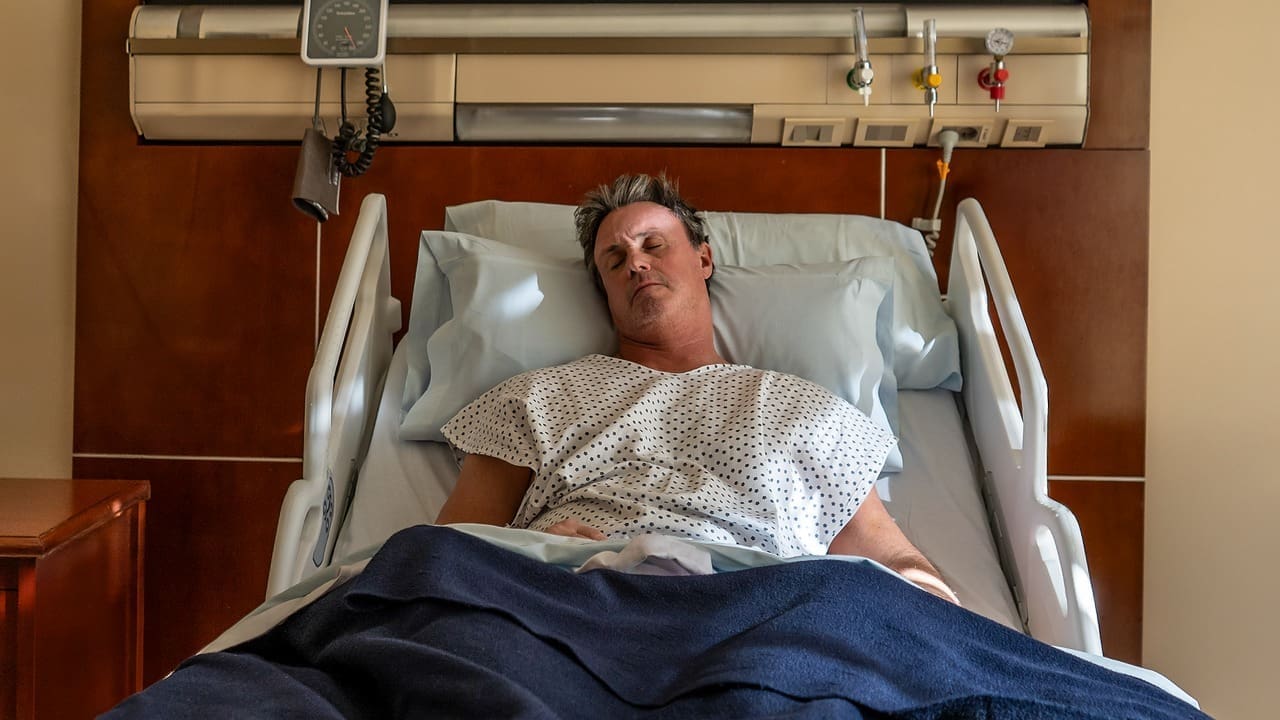
Waking up from a coma is a tough journey. It depends on how badly the brain is hurt and how long the person was asleep. When someone is in a coma, their brain talks much slower. They might get better by growing new brain cells or finding new ways to work around the damage.
A coma is when someone is very deep asleep and can’t wake up. It often happens after very bad head injuries or strokes. Starting to get better, patients might find it hard to move or think clearly. For example, a man who got sepsis and was in an induced coma, as in a recent case, had to deal with big changes, like losing his legs.
At Liv Hospital, we know how hard it is to come back from a coma. We give each patient the care they need. Our team and advanced medical skills help patients face the physical, emotional, and mental hurdles they meet.
Key Takeaways
- Recovery from a coma is influenced by the extent of brain injury and duration of unconsciousness.
- Patients may face significant physical and cognitive challenges during recovery.
- Comprehensive care and support are key to navigating coma recovery.
- Advanced medical treatments and rehab help patients regain strength and adapt to new situations.
- Every patient’s path to recovery is unique, needing personalized care and attention.
Understanding Comas: What Happens to the Brain
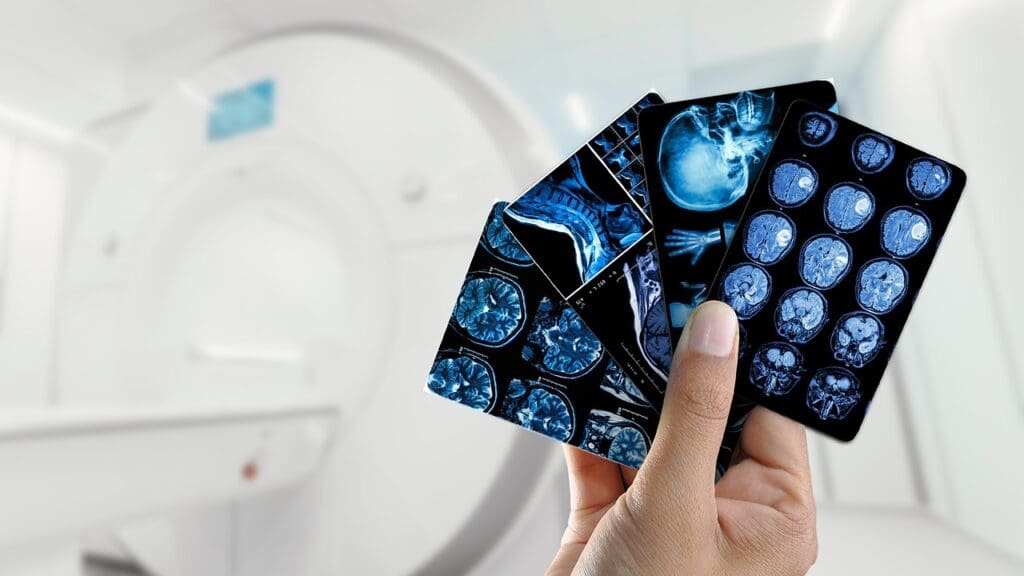
It’s important to know what happens to the brain in a coma. This knowledge helps doctors create better treatment plans. Comas are deep unconscious states caused by injuries, infections, or metabolic issues.
Types of Comas and Their Causes
Comas are divided into types based on their causes. Traumatic comas come from head injuries. Non-traumatic comas are due to medical issues like stroke or poisoning. The cause affects how well a person can recover.
Brain Activity and Communication During a Coma
In a coma, brain communication slows down a lot. Studies show that brain blood flow is key to its function. Even though the brain is less active, it’s not completely shut down. Some brain functions can remain.
Medically Induced vs. Traumatic Comas
Medically induced comas are done by doctors to manage severe brain injuries. Traumatic comas happen unexpectedly from accidents. Knowing the difference is important for treatment and care.
Physical State During a Coma

It’s key to know how someone in a coma is physically. Their body changes a lot, needing close watch and care.
Can You Breathe in a Coma?
Being able to breathe is a big deal for coma patients. Many need a ventilator to breathe, which is common. Some can breathe alone, but others need help.
Reflexive Movements and Their Significance
Coma patients might move in ways that seem like they’re awake. But these movements are not signs of consciousness. They are signs that the brainstem is working, showing the brain is alive in some way.
It’s important to understand these movements to know how the brain is doing.
Is Coughing in a Coma a Good Sign?
Coughing in a coma is a big deal. It means the brainstem is working a bit. Coughing is a good sign for families and doctors.
It shows the body is reacting to things, which is hopeful.
The Process of Waking Up From a Coma
Recovering from a coma is complex, influenced by brain injury extent. Patients move from coma to consciousness through a detailed process. This involves the slow return of brain functions.
Gradual Restoration of Consciousness
Waking up from a coma is not quick. At first, patients might only open their eyes or react to things. As they get better, they start to notice their surroundings more.
Factors That Influence Recovery Time
How long it takes to wake up from a coma varies a lot. The coma cause, brain damage extent, and overall health are key. Knowing these helps doctors give better care and set realistic hopes.
How Neurons Regrow and Brain Networks Compensate
Recovery from a coma means neurons and brain networks grow back. The brain can move functions to other areas if needed. This ability to adapt is vital for getting back lost skills and adjusting to changes.
Patients may struggle with confusion, memory loss, and speaking issues as they recover. A good rehab program is vital. It helps them regain independence and improve their life quality.
States of Consciousness Between Coma and Awareness
Patients coming out of a coma may go through different states before they fully wake up. It’s important to understand these states to give the right care. The Glasgow Coma Scale helps check how awake someone is by looking at their eye opening, talking, and moving on command.
Vegetative State vs. Minimally Conscious State
A vegetative state means someone is not awake or aware. They might have their eyes open but don’t react to anything. On the other hand, a minimally conscious state shows some awareness. People in this state can sometimes respond to things in a way that’s consistent.
Locked-in Syndrome
Locked-in syndrome is when someone is awake but can’t move or talk. They can only move their eyes. This is often thought of as a coma, but those with locked-in syndrome are actually aware.
Signs of Emerging Awareness
Signs that someone is coming back include answering commands, making movements on purpose, and interacting with their surroundings. These signs show that they are getting better and are key for helping them recover.
First Moments After Waking Up
The first moments after waking up from a coma are key to a patient’s recovery. Patients often feel confused, disoriented, and have strong emotions when they wake up.
Initial Confusion and Disorientation
Patients waking up from a coma may feel disoriented and unsure of their surroundings. This confusion comes from being unconscious for a long time and the sudden change in their environment.
Memory Gaps and Recognition Issues
Memory gaps are common, with patients often struggling to recall events leading up to their coma or during their recovery. They may also have trouble recognizing family and friends.
Agitation and Emotional Responses
Agitation and various emotional responses are typical as patients adjust to their new reality. These can range from frustration and anxiety to relief and joy.
| Common Experiences | Characteristics |
|---|---|
| Initial Confusion | Disorientation, uncertainty about surroundings |
| Memory Gaps | Difficulty recalling past events, recognizing loved ones |
| Emotional Responses | Agitation, frustration, relief, joy |
Understanding these challenges is essential for healthcare providers to offer effective support. By acknowledging the complexities of waking up from a coma, we can better assist patients in their recovery journey.
Physical Symptoms and Challenges
Patients coming out of a coma face many physical symptoms and challenges. These can change a lot from person to person. They depend on why the coma happened, how long it lasted, and the patient’s health.
Motor Function and Mobility Issues
Motor function and mobility are big challenges. Patients often have weak muscles, trouble with balance, and coordination. Physical therapy helps them get stronger and move better. We create special plans for each patient to meet their needs.
Speech and Communication Difficulties
Speech and communication problems are also big hurdles. Some have dysarthria, making speech hard to understand. Others face aphasia, which messes with language understanding and use. Speech therapy is key to overcoming these issues.
Sensory Processing Changes
Changes in how the body processes sensory information can happen too. Some might be too sensitive to light or sound, while others might not be sensitive enough. These changes can make it hard to interact with the world. We help patients manage these changes to improve their life quality.
| Physical Challenge | Common Issues | Therapeutic Approach |
|---|---|---|
| Motor Function and Mobility | Muscle weakness, reduced coordination, balance difficulties | Physical Therapy |
| Speech and Communication | Dysarthria, aphasia | Speech Therapy |
| Sensory Processing | Heightened or reduced sensitivity to light and sound | Sensory Management Techniques |
Cognitive and Psychological Effects
Coming out of a coma can be very confusing. Patients often face many challenges with their memory, emotions, and behavior. We will look at these challenges and how they affect recovery.
Memory and Attention Deficits
Many coma patients struggle with memory and attention. They might find it hard to remember new things or stay focused. Rehabilitation programs help by improving these skills.
Emotional Regulation Challenges
After a coma, patients often have trouble controlling their emotions. They might feel moody, irritable, or unstable. It’s important to be kind and understanding as they deal with these feelings.
Personality and Behavioral Changes
Some coma patients see changes in their personality or behavior. These changes can come from the brain injury or the coma itself. It’s key to understand and help with these changes for the patient and their family.
| Cognitive/Psychological Effect | Description | Rehabilitation Approach |
|---|---|---|
| Memory Deficits | Difficulty forming new memories or recalling past events | Memory exercises, cognitive training |
| Emotional Regulation Challenges | Mood swings, irritability, emotional instability | Emotional support, counseling, behavioral therapy |
| Personality/Behavioral Changes | Changes in personality traits or behavior patterns | Behavioral therapy, support groups, family counseling |
Patients often need ongoing support and therapy to deal with these challenges. By understanding these effects and using the right therapy, we can help them recover as much as possible.
Medical Care Immediately After Awakening
When a patient wakes up from a coma, the first thing is to give them the best medical care. This is to handle any problems and help them get better. They are watched closely and treated in an Intensive Care Unit (ICU).
ICU Monitoring and Support
In the ICU, a team of doctors and nurses watch over patients all day and night. They check things like heart rate, blood pressure, and how well the patient is breathing. They also make sure the patient eats well, stays free of infections, and doesn’t get bedsores.
Addressing Medical Complications
Patients coming out of a coma might face health issues like infections, breathing problems, or heart issues. The medical team finds and fixes these problems fast to stop them from getting worse. As one expert says, “Early action is important to handle these issues well.”
Transition to Rehabilitation Settings
When the patient is stable, they move to a place for rehabilitation. This is a big step towards getting better. In this setting, they get special treatments to help them regain lost abilities and improve their life quality. A good rehabilitation plan helps them do their best.
Good medical care right after waking up from a coma is key to a successful recovery. With the right support and care for any problems, patients can get better faster.
Comprehensive Rehabilitation Process
Rehabilitation after a coma is a complex process. It addresses physical, cognitive, and communication challenges. This approach is key to helping patients regain independence and improve their quality of life.
Physical Therapy Approaches
Physical therapy is vital in the rehabilitation process. It aims to improve mobility, strength, and flexibility. Through tailored exercise programs, patients can regain motor functions and enhance their physical well-being.
Cognitive Rehabilitation Techniques
Cognitive rehabilitation techniques help patients overcome memory, attention, and processing deficits. These techniques include cognitive training exercises and compensatory strategies. They support cognitive recovery.
Speech and Language Therapy
Speech and language therapy is essential for patients with communication difficulties after a coma. This therapy helps them regain speaking, understanding, and communication skills. It improves social interactions.
Occupational Therapy for Daily Living Skills
Occupational therapy enables patients to perform daily living activities like bathing, dressing, and cooking. By practicing these skills in a supportive environment, patients gain independence and confidence in their daily lives.
Recovery Outcomes and Prognosis
Recovery from a coma depends on many factors. These include the cause and how severe the brain injury is. The outcome for someone waking up from a coma can vary a lot. Some might fully recover, while others could face lasting challenges.
Factors That Influence Recovery Success
The success of recovery from a coma depends on several things. The severity of the brain injury, the cause, the person’s age, and how long they were in a coma all play a role. These factors work together to shape the recovery path.
Timeline for Improvement
The time it takes to see improvements after a coma can differ a lot. Usually, the biggest changes happen in the first few months. But, some people keep getting better over a longer time.
Range of Possible Outcomes
Results after a coma can vary a lot. They can range from a full recovery to facing big challenges in thinking, feeling, and physical abilities. Every person’s path to recovery is different.
From Complete Recovery to Persistent Deficits
Some people might fully recover and get back to their old self. Others might face lasting problems that need ongoing care and support.
“The outcome for each patient is as unique as their journey to recovery.”
Life After a Coma: Adapting to Changes
Life after a coma is complex and challenging. It involves physical, emotional, and social changes. Patients and their families face many difficulties as they recover.
Family Support and Caregiver Challenges
Family support is key for coma recovery. Caregivers face big emotional and physical challenges. They need support and resources to handle their duties well.
Reintegrating into Society
Getting back into society is a big part of recovery. Patients may need help with daily tasks, moving, and talking. Rehabilitation programs are important for helping patients become independent again.
Long-term Support Systems and Resources
Long-term support is essential for lasting recovery. This includes medical care, therapy, and social services. Patients and their families should know about the resources out there.
Returning to Work or School
Going back to work or school is a big step in recovery. Patients may need to adjust to new situations, like different work hours or roles. Support from employers and teachers is key for a successful return.
Understanding the challenges and resources helps patients and families after a coma. It’s a journey that needs patience, support, and resilience.
Conclusion: Finding Hope and Moving Forward
Recovering from a coma is tough, but with the right help, patients can make big strides. They can even regain their independence. The journey is long, but there’s always hope for patients and their families.
The path to waking up from a coma is slow and different for everyone. The cause of the coma, medical care, and family support all matter. These factors help decide how well someone will recover.
It’s key for patients and families to get all the rehab they need. This includes physical, cognitive, and speech therapy. With the right support, people can adjust to changes and regain their skills.
We think every patient should have the chance to do their best. We’re dedicated to top-notch healthcare for international patients. By keeping hope alive, we help families face the challenges of recovery together, aiming for a brighter future.
What happens when you wake up from a coma?
Waking up from a coma can be confusing and disorienting. You might forget things. Your doctors will watch you closely and help you get better.
Can someone wake up from a coma?
Yes, some people do wake up from comas. But how likely it is depends on why they were in a coma and how bad it was.
What happens when you are in a coma?
Being in a coma means you’re very unconscious. Your brain works very little. You might breathe on your own, but you won’t respond to anything around you.
Can you breathe in a coma?
Yes, coma patients can breathe by themselves. Sometimes, they need help with a machine to breathe.
Is coughing in a coma a good sign?
Coughing in a coma is a good sign. It means your body is reacting and your lungs are working.
How do you get out of a coma?
Coming out of a coma is slow. It takes time for your mind and body to wake up and get better.
What are the states of consciousness between coma and awareness?
Between coma and being awake, there are different levels. These include being in a vegetative state, minimally conscious, or locked-in syndrome. Each has its own level of awareness.
What are the physical symptoms and challenges after a coma?
After a coma, you might have trouble moving or speaking. You might also have changes in how you feel things. But, with the right help, you can get better.
What are the cognitive and psychological effects after a coma?
Coma survivors might have trouble remembering things or paying attention. They might also struggle with emotions and changes in their personality. But, with the right help, they can get better.
How long does it take to recover from a coma?
Recovering from a coma takes different amounts of time. It depends on why you were in a coma and how bad it was. It can take weeks, months, or even years.
What is the role of family support in coma recovery?
Family support is very important in recovery. They provide emotional support and help with getting better. They also help you get back into your life.
What are the long-term support systems and resources available after a coma?
There are many resources available after a coma. These include programs to help you get better, support groups, and counseling. They help you deal with the challenges of recovery.
References
- Live Science (How do people wake up from comas?) : https://www.livescience.com/health/how-do-people-wake-up-from-comas
- Brain Foundation (Coma) : https://brainfoundation.org.au/disorders/coma
- Healthgrades (Medically Induced Coma) : https://resources.healthgrades.com/right-care/brain-and-nerves/medically-induced-coma
- Banner Health (Lesser-Known Facts About Medically Induced Comas) : https://www.bannerhealth.com/healthcareblog/teach-me/lesser-known-facts-about-medically-induced-comas
- Lonestar Neurology (Coma Recovery) : https://lonestarneurology.net/blog/coma-recovery